Solar Panel Inspection Drones — Top 5 Picks in the UK for 2026
Published on Monday, 26 January 2026
Solar panel inspection drones are unmanned aerial systems equipped with high-resolution visual and thermal sensors, designed to inspect rooftop arrays and large solar farms quickly, safely and at lower cost than traditional methods. In the UK market these drones appeal to commercial operators, maintenance contractors and homeowners because they deliver faster fault detection, reduce the need for working at height, and produce detailed, repeatable reports that support warranty claims and performance optimisation. For 2026 the category reflects demand for integrated solutions that combine automated flight plans, AI-assisted defect detection, and secure data handling to meet UK regulatory and site-access requirements. Consumers choose drone inspections for reliability, measurable cost savings, clearer decision data for repairs, and the ability to schedule frequent checks even in variable UK weather.
Top Picks Summary
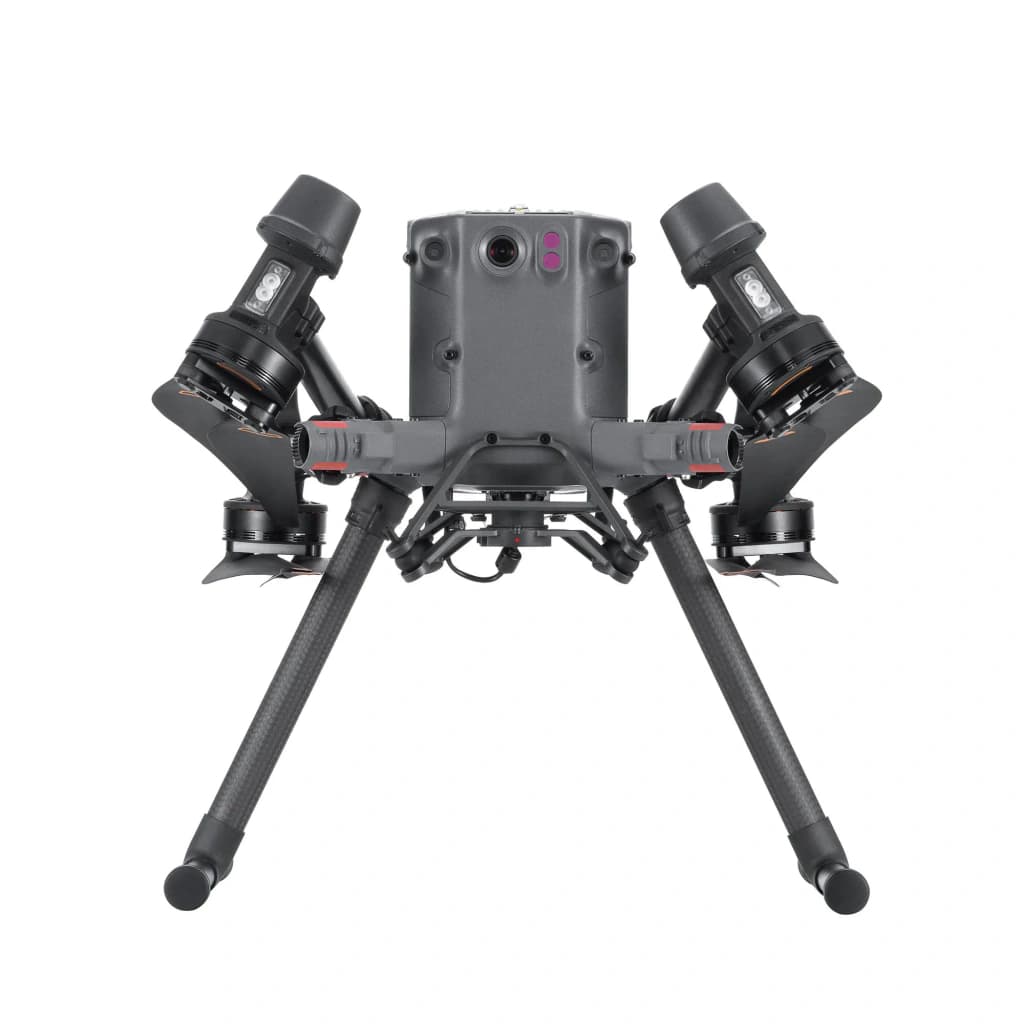
DJI Matrice 350 RTK
The DJI Matrice 350 RTK is the market-leading enterprise platform for solar panel inspection because it combines long endurance, multi-sensor payload flexibility and RTK-level geotagging to deliver highly accurate, repeatable inspections across large PV farms. Compared with the lighter models on this list it demands a higher upfront investment but reduces operational costs per inspection by carrying multiple high-quality cameras and sensors in a single flight and minimizing repeat passes.
£12,000-18,000 GBP
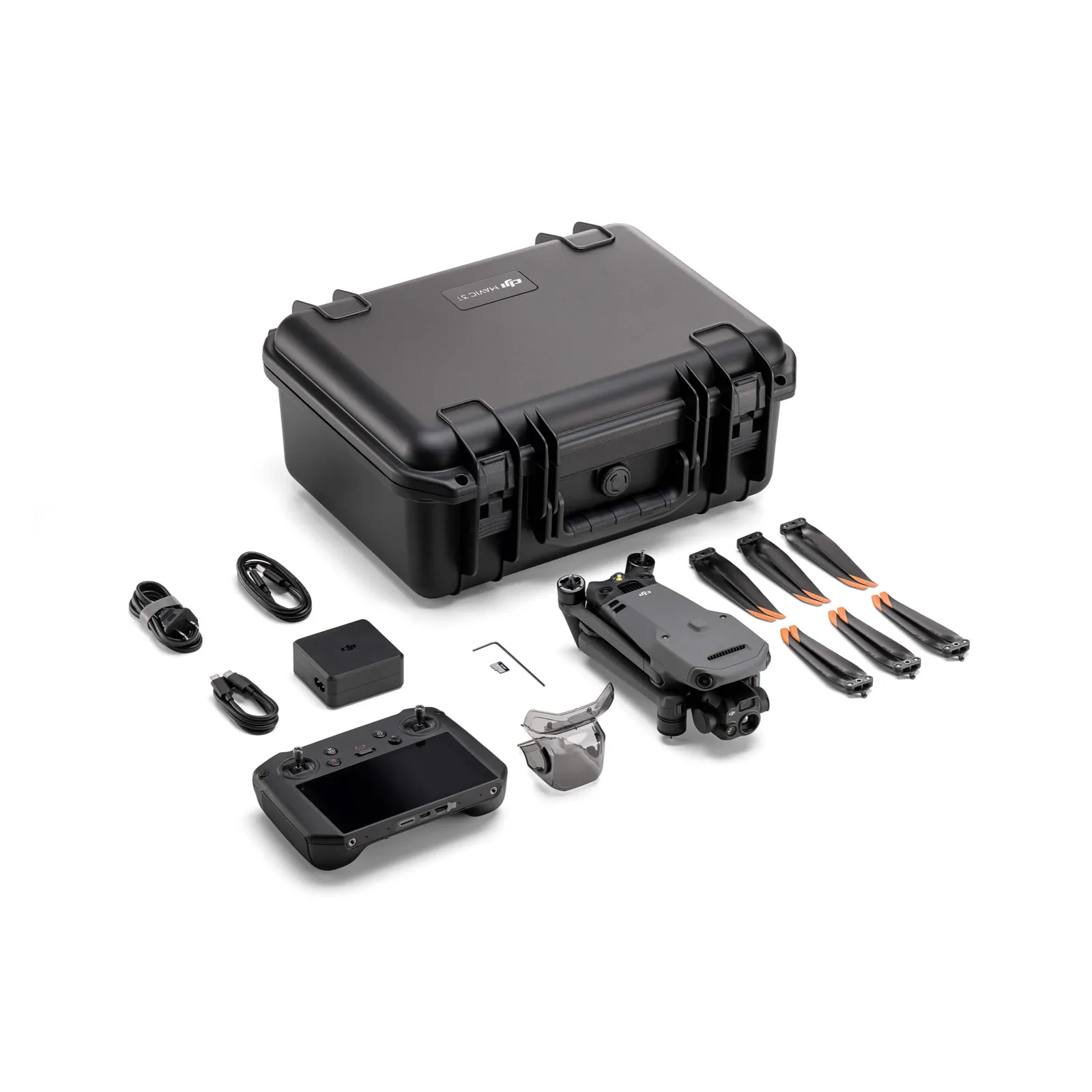
DJI Mavic 3 Thermal
The DJI Mavic 3 Thermal is a compact, easy-to-deploy option that brings thermal capability into a prosumer form factor, making it appealing for smaller solar sites or teams that need fast inspections on a budget. It offers better portability and lower acquisition cost than the heavy enterprise platforms, though it trades off some payload flexibility and enterprise data features compared with the Matrice and Matrice 30T.
£3,000-4,500 GBP
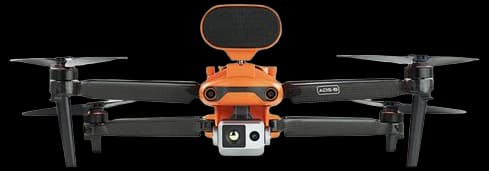
Autel EVO II Dual 640T
The Autel EVO II Dual 640T stands out for delivering a strong thermal-to-visual performance balance—higher-resolution thermal imaging paired with high-resolution RGB—offering excellent defect detection for solar inspections at a competitive price point. It is a cost-effective alternative to DJI enterprise machines for teams that prioritize thermal resolution and raw imaging capability without the full enterprise support and modularity of the Matrice series.
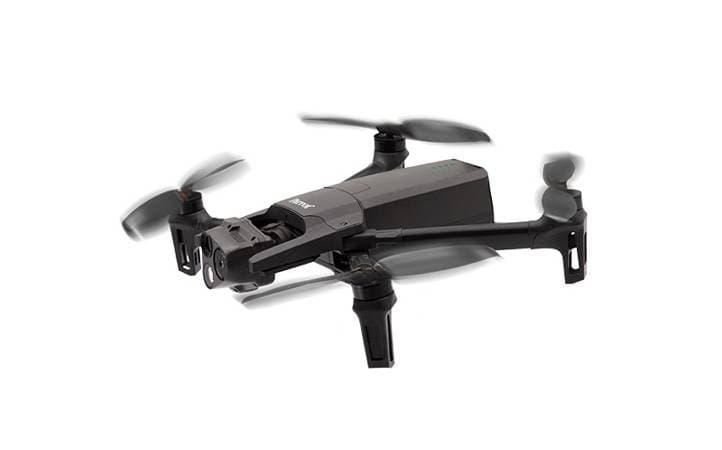
Parrot Anafi Thermal
The Parrot Anafi Thermal is the budget-minded, ultra-portable choice for rapid spot-checks and small-scale solar inspections, prized for its lightweight folding design and straightforward thermal imaging workflow. While it lacks the industrial endurance and advanced geolocation of the Matrice line or the thermal resolution of higher-end dual-sensor units, its low acquisition and operating cost make it attractive for routine maintenance and occasional field teams.
DJI Matrice 30T
The DJI Matrice 30T is a mid-weight enterprise drone engineered for rapid deployment and integrated thermal inspection, striking a balance between the heavy-duty capabilities of the Matrice 350 RTK and the portability of the Mavic series. For solar panel surveys it offers excellent out-of-the-box thermal and RGB data with streamlined workflows and lower total system cost than full modular Matrice configurations, making it a strong market-leader for teams needing enterprise features without the highest platform complexity.
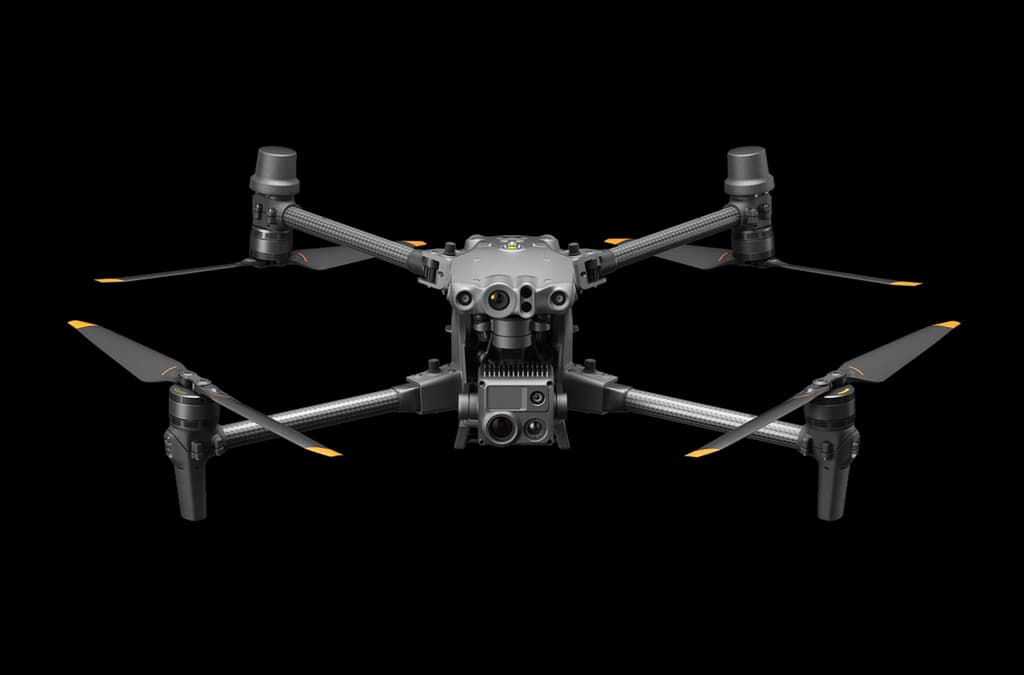
£7,000-9,500 GBP
Scientific evidence and industry studies
A range of peer-reviewed studies and industry trials in the UK and across Europe have evaluated UAV inspections for photovoltaic assets. Research and field trials consistently show that drone-based visual and thermal surveys can detect common failure modes, reduce inspection time, and lower safety risk compared to manual rooftop inspections. Many projects combine imaging with machine learning to improve repeatability and to enable predictive maintenance. The growing body of evidence supports drone inspection as an effective tool for routine maintenance and for targeted fault diagnosis on both small rooftop systems and large ground-mounted arrays.
Detection performance: Comparative studies show thermal and high-resolution visual imaging reliably identify hotspots, cracked cells, delamination and soiling patterns that are often missed or hard to quantify in manual inspections.
Time and cost savings: Field trials report substantial reductions in inspection time for large arrays, enabling whole-site surveys in hours rather than days and lowering labor and access equipment costs.
Safety improvements: Drones remove the need for inspectors to climb fragile panels or scaffolding, reducing the frequency of working-at-height incidents and associated insurance and compliance burdens.
Predictive maintenance potential: When inspection imagery is archived and analysed over time, machine learning models can flag early degradation trends, allowing repairs to be timed to prevent larger failures.
Operational resilience: Regular drone surveys help maintain high yield by detecting soiling, shading and connection issues early, which is important for UK sites where variable weather and seasonal effects influence performance.
Standards and validation: Industry bodies and university research groups have published best practice guidance for sensor calibration, flight planning and data handling to improve repeatability and legal compliance in the UK context.
Frequently Asked Questions
Which solar inspection drone is best for large UK solar farms?
The DJI Matrice 350 RTK is the ideal choice for large solar farms because it features RTK-level geotagging and multi-sensor payload support for centimetre-level mapping accuracy.
What is the maximum flight time of the DJI Mavic 3 Thermal?
The DJI Mavic 3 Thermal offers a long single-flight endurance of approximately 35 to 43 minutes, making it highly efficient for rapid rooftop solar inspections.
Is the Autel EVO II Dual 640T good for identifying heat anomalies?
The Autel EVO II Dual 640T is excellent for identifying heat anomalies as it features high-resolution 640-pixel thermal imaging for precise defect detection.
Does the DJI Matrice 350 RTK support LiDAR sensors for vegetation analysis?
Yes, the DJI Matrice 350 RTK is fully compatible with LiDAR and multispectral sensors, allowing operators to perform detailed vegetation analysis alongside their solar panel inspections.
Conclusion
Solar panel inspection drones offer a practical, evidence-backed approach to keeping PV assets performing well across the UK. We hope this overview helped you understand why drone inspections are becoming standard practice. If you did not find exactly what you wanted, refine or expand your search using the site search to explore specific models, service providers, or technical guides.