

Best Astaxanthin Supplements UK 2026: 12 mg and 4 mg Options Compared
Astaxanthin is a red carotenoid produced by the microalga Haematococcus pluvialis, and in the UK it is sold as a food supplement rather than a medicine. Most of what separates one bottle from another is straightforward: how many milligrams are in each capsule, whether the astaxanthin is natural or synthetic, how many capsules you get, and what the bottle costs. UK shelves are dominated by two strengths, 4 mg and 12 mg, and by softgels rather than tablets, because astaxanthin is fat-soluble and is normally suspended in an oil so it can be absorbed with food. Brand claims vary far more than the labels do. It is worth knowing that no astaxanthin health claim is currently authorised on the GB Nutrition and Health Claims Register, so any UK marketing that promises it will treat, prevent or improve a condition is going beyond what the regulator permits. This guide sets the five listed products side by side on the things you can actually check — dose, source, count and price — so you can see what you are paying for.
Inception's AI took the time to understand this market in the UK · We may earn a commission on purchases. It never affects our rankings.
Top Picks Summary
Sports Research Triple Strength Astaxanthin 12mg
Sports Research holds a top position in Britain in 2026 by combining a high 12 mg dose with competitive pricing and wide UK availability, making it a go-to for consumers seeking potency and value. Compared with premium Hawaiian-sourced brands on this list, its technical advantage is a straightforward, high-strength formula and generally lower cost per milligram, while still competing closely with other 12 mg offerings like Healthy Origins and Zenwise on third-party testing and consistency.

Where to buy Sports Research Triple Strength Astaxanthin 12mg in UK: the trusted retailers we track in this market, with the best price we have observed at each. Prices are checked regularly and can change, and the retailer confirms the final price at checkout.
We may earn a commission on purchases. It never affects our rankings.
£42.08GBP
Healthy Origins Astaxanthin 12mg
Healthy Origins is noted for delivering a reliable 12 mg astaxanthin product that emphasizes steady supply and strong value, which keeps it highly regarded among British shoppers in 2026. Its financial advantage is frequent competitive pricing and promotions that undercut some higher-priced alternatives, while technically it matches other 12 mg brands on potency and manufacturing consistency without the premium provenance claims of BioAstin.
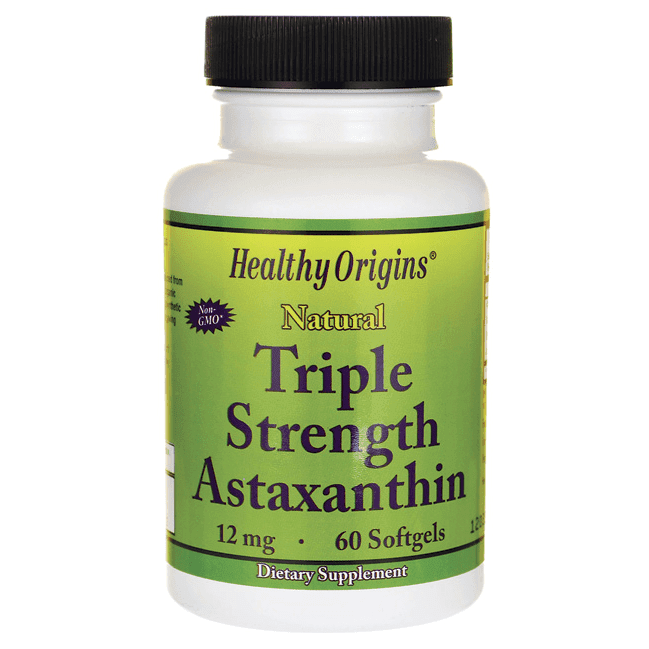
Where to buy Healthy Origins Astaxanthin 12mg in UK: we track one retailer, Healthyorigins, and show the price we last observed there; the price you see at checkout may differ.
We may earn a commission on purchases. It never affects our rankings.
£12 – £22
Zenwise Health Astaxanthin 12mg
Zenwise Health ranks as a market leader for shoppers prioritising formulation features and convenience, offering a 12 mg option often presented alongside complementary nutrients to support absorption and daily routines. In Britain 2026 it is typically positioned at a modest premium to baseline 12 mg products like Sports Research and Healthy Origins, reflecting a technical emphasis on blended formulations and consumer-focused packaging rather than lowest cost per milligram.

Where to buy Zenwise Health Astaxanthin 12mg in UK: we track one retailer, Timehealth, and show the price we last observed there; the price you see at checkout may differ.
We may earn a commission on purchases. It never affects our rankings.
£14 – £26
Lindens Astaxanthin 4mg
Lindens stands out in this list as the UK-based, lower-dose 4 mg option that appeals to budget-conscious or dose-sensitive consumers and benefits from local distribution and lower shipping times for British buyers in 2026. Financially it is attractive at the bottle level and avoids import premiums, though compared with the 12 mg competitors it offers less astaxanthin per capsule so buyers should weigh dose versus cost per milligram.
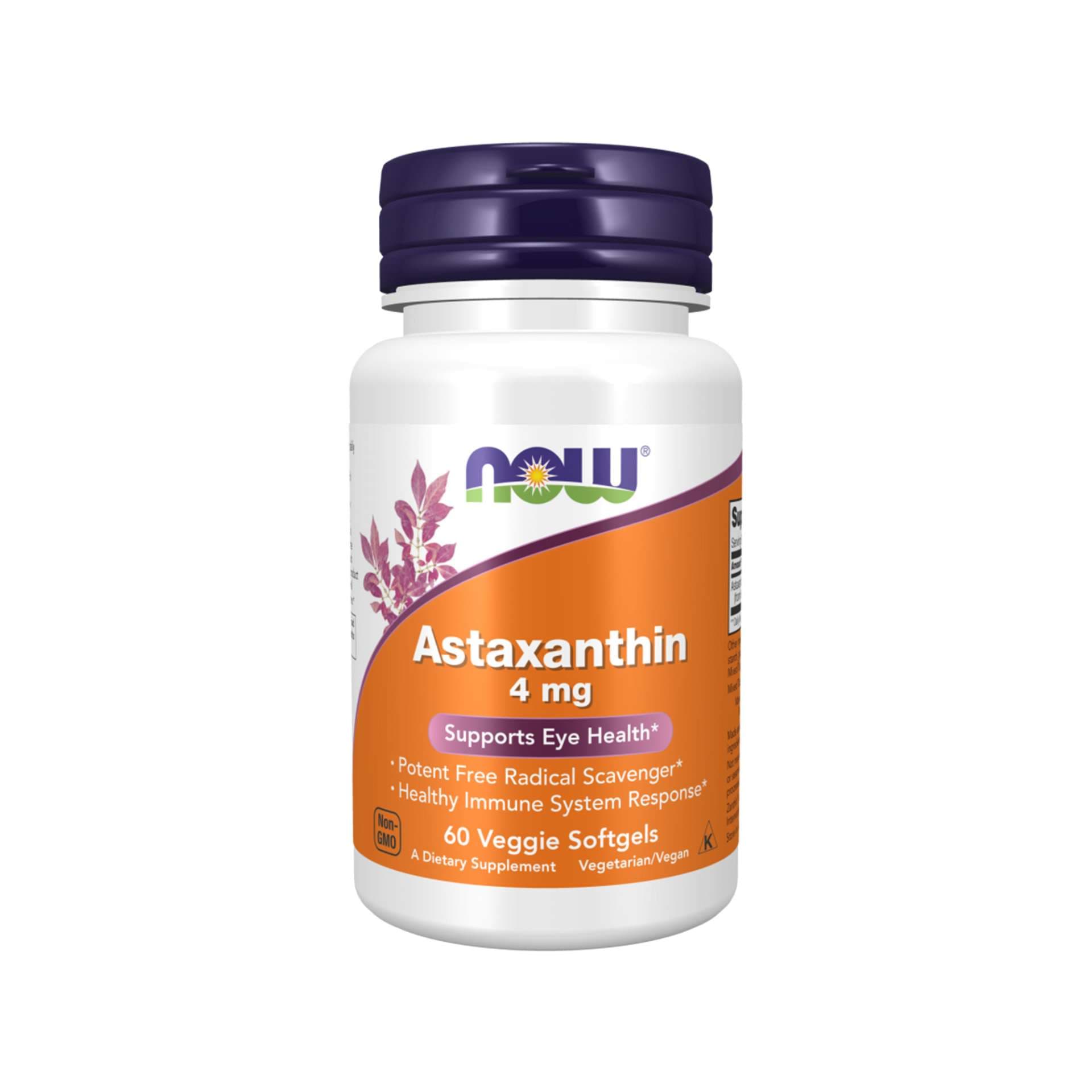
Where to buy Lindens Astaxanthin 4mg in UK: we track one retailer, Healthleads, and show the price we last observed there; the price you see at checkout may differ.
We may earn a commission on purchases. It never affects our rankings.
£8 – £16
BioAstin Hawaiian Astaxanthin 12mg
BioAstin is the premium choice in Britain for 2026 thanks to its long-standing Hawaiian sourcing and strong provenance claims, which attract consumers willing to pay a price premium for traceable origin and brand heritage. Technically and commercially it differentiates itself from the other 12 mg options by emphasizing its Hawaiian cultivation and established research presence, making it more expensive per mg but appealing to buyers prioritising source and legacy.

The differences that matter across these five are measurable ones: milligrams per capsule, whether the algal source is named, capsule count per bottle, and price. Four are 12 mg softgels and one is a 4 mg capsule, and all five specify astaxanthin derived from Haematococcus pluvialis microalgae.
Astaxanthin: what the label tells you
Astaxanthin is a xanthophyll carotenoid, chemically related to beta-carotene and lutein, and it is what gives salmon, trout and shrimp their pink colour. Supplement-grade astaxanthin is either extracted from cultivated Haematococcus pluvialis algae or produced synthetically; the natural form is the one UK premium brands specify on the label. Because it is fat-soluble it is normally sold in an oil-filled softgel and taken with a meal. Beyond that, the meaningful differences between products are dose, capsule count and price rather than anything exotic in the formulation.
Natural astaxanthin comes from cultivated Haematococcus pluvialis microalgae; synthetic astaxanthin also exists, and all five products here specify the algal form
Fat-soluble, so it is normally formulated in an oil-filled softgel and taken with food
The two strengths that dominate UK retail are 4 mg and 12 mg per capsule
Some brands name a licensed algal extract on the label, such as AstaPure, rather than just listing the algae
Cultivated algae is the standard supply route, not wild harvesting
Vegan and vegetarian softgel versions are stocked by several UK retailers
No astaxanthin health claim is authorised on the GB Nutrition and Health Claims Register, so treat strong marketing about skin, eyes or joints with caution
Frequently Asked Questions
Which of these astaxanthin supplements has the highest dose per capsule?
Four of the five are 12 mg per softgel: Sports Research Triple Strength, Healthy Origins, Zenwise Health and BioAstin Hawaiian. Lindens is the 4 mg option, so it takes three Lindens capsules to match one 12 mg softgel.
Is the astaxanthin in these products natural or synthetic?
All five specify natural astaxanthin from Haematococcus pluvialis microalgae rather than the synthetic form. BioAstin names algae cultivated in Kona, Hawaii, and Healthy Origins names the AstaPure algal extract.
What do astaxanthin supplements cost in the UK?
The listed ranges run from about £8 to £16 for Lindens at 4 mg up to £20 to £35 for BioAstin Hawaiian at 12 mg. Healthy Origins (£12 to £22), Zenwise Health (£14 to £26) and Sports Research (£18 to £30) sit between them, so the 12 mg softgels are broadly comparable on cost per milligram.
How is astaxanthin regulated in the UK?
It is sold as a food supplement, so it falls under food law rather than MHRA medicines licensing. No astaxanthin health claim is currently authorised on the GB Nutrition and Health Claims Register, which means UK sellers should describe it as an antioxidant carotenoid and not as a treatment for any condition. Check with your GP or pharmacist before taking it alongside prescribed medicines.
Conclusion
Comparing astaxanthin supplements comes down to cost per milligram, the algal source named on the label, and how many capsules are in the bottle. The five here span £8 to £35 and 4 mg to 12 mg per capsule, so the practical question is usually whether you want a low daily maintenance dose or a single higher-strength softgel. Astaxanthin is a food supplement, not a medicine, and it is not a substitute for a varied diet or for treatment; if you take prescribed medication or have an existing health condition, speak to your GP or pharmacist before starting one. Use our search if you want to compare other supplements in the same range.