

Premium Sandalwood Essential Oils in the UK: Our Top 5 Picks for 2026
Sandalwood essential oil has become a cornerstone of British wellness routines, prized for its warm, woody aroma that complements both meditation practices and modern skincare regimens. Unlike fleeting fragrance trends, sandalwood offers a timeless appeal that resonates with UK consumers seeking genuine quality alongside aesthetic pleasure. The oil's grounding scent has made it particularly popular among practitioners of mindfulness and yoga across British wellness studios, from London's Shoreditch to Edinburgh's holistic centres. What sets sandalwood apart in the current market is which tree the oil actually comes from: Indian sandalwood (Santalum album) is CITES-listed, slow-growing and expensive, Australian sandalwood (Santalum spicatum) is a cheaper and more sustainable species with a drier, softer profile, and oils sold as West Indian sandalwood are Amyris balsamifera, an unrelated tree. Because genuine sandalwood is one of the costliest oils on the shelf, a very low price per millilitre is usually a sign of dilution, a substitute species, or a synthetic aroma blend rather than a bargain. This 2026 guide explores the options currently available throughout the UK market, helping you read the labels, check the botanical name and make an informed purchase that aligns with your wellness philosophy.
Inception's AI took the time to understand this market in the UK · · How we pickWe may earn a commission on purchases. It never affects our rankings.
Top Picks Summary
Tisserand Organics Sandalwood Essential Oil
Tisserand's sandalwood is the easiest of this group to actually find in the UK, stocked across mainstream health and aromatherapy retailers rather than through specialist suppliers. It is sold as a 100% pure, undiluted oil from Santalum album, the Indian sandalwood species, and Tisserand describes it as ethically harvested. Compared with the other entries it undercuts the boutique labels on price while still naming its species on the label, which is the single most useful thing a sandalwood bottle can tell you.

Estimated£20 – £40
Neal's Yard Remedies Organic Sandalwood Essential Oil
Neal's Yard Remedies ranks as a premium choice for UK consumers thanks to strong organic certification, ethical sourcing policies and a long-standing retail footprint that supports confident purchase decisions. It is positioned above budget alternatives by offering stringent quality controls and brand trust, though it typically carries a higher price than mainstream options like Tisserand and underlines its value through provenance and traceability compared to some Australian-sourced oils.

Estimated£60 – £120
Amphora Aromatics Australian Sandalwood Essential Oil
Amphora Aromatics stands out technically by offering Australian sandalwood (Santalum spicatum), which has a distinct sesquiterpene profile and a higher alpha-santalol ratio valued in aromatherapy and perfumery; this makes it a sought-after specialist alternative to Indian sandalwood. Financially it occupies a middle ground — pricier than commodity blends but more accessible than small-batch single-origin labels — and its unique chemistry complements the more generic or Indian-origin oils in this list.
Estimated£10 – £30
Absolute Aromas Organic Sandalwood Essential Oil
Absolute Aromas is notable for delivering Soil Association-certified organic sandalwood at a competitive mid-range price, appealing to buyers who prioritise certification and value over niche single-origin provenance. Its organic oil is sustainably sourced from Australian sandalwood (Santalum spicatum), so it trades the cachet of premium Indian-origin branding for stronger value-per-millilitre, making it an economical pick for regular users who want consistent, traceable batches without the markup of boutique lines.

We may earn a commission on purchases. It never affects our rankings.
£28.36GBP
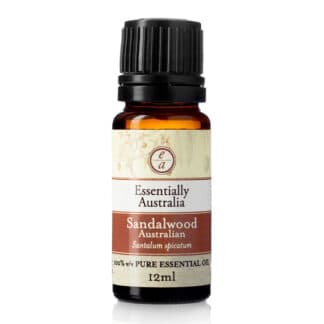
Essentially Sandalwood Pure Essential Oil
This is the cheapest and least transparent entry in the group. It is sold in a large bulk bottle at a price far below what genuine sandalwood oil costs per millilitre, and the listing does not state a botanical name, so there is no way to tell whether it is Santalum album, Santalum spicatum, the unrelated Amyris balsamifera, or a diluted or synthetic aroma blend. Treat it as a fragrance oil for candles, soap and room use rather than as a comparable alternative to the species-labelled oils above.

Estimated£15 – £25
The most trustworthy UK-available sandalwood oils are the ones that tell you what is in the bottle: a stated botanical name, a named country or plantation of origin, and a clear indication of whether the oil is neat or pre-diluted. Look for that transparency first, then for practical details such as bottle size, price per millilitre and suitability for diffusion or blending.
What to Know Before You Buy Sandalwood Essential Oil
Sandalwood is one of the most adulterated oils on the market, and in the UK it is sold as a cosmetic and general product rather than a medicine. Here is what actually matters when you are choosing a bottle:
Check the botanical name: Santalum album is Indian sandalwood, Santalum spicatum is Australian sandalwood, and Amyris balsamifera is not a sandalwood at all despite often being labelled 'West Indian sandalwood'. A bottle that names no species is a warning sign.
Indian sandalwood is CITES-listed, so reputable sellers state their plantation source. Most sustainable Santalum album on sale today is grown on managed plantations in northern Australia rather than harvested from wild Indian stands.
Judge value by price per millilitre, not bottle price. Sandalwood is genuinely expensive; large, cheap bottles are usually diluted in a carrier oil, blended with a cheaper wood oil, or synthetic.
Aroma and scent character are what sandalwood is sold for in the UK. It is a cosmetic and fragrance product, not a treatment for anxiety, insomnia, infection or any medical condition, and no essential oil should be presented as one.
Dilute before skin contact. Sandalwood should be blended into a carrier oil rather than applied neat, and it should never be swallowed; ingesting essential oils is not safe home practice.
Take care if you diffuse around pets. Cats in particular metabolise essential-oil constituents poorly, so diffuse only in ventilated rooms the animal can leave freely.
Frequently Asked Questions
Which sandalwood essential oil suits UK skincare use best?
Choose Neal's Yard Remedies Organic Sandalwood Essential Oil: it’s certified organic, sold in small bottles for aromatherapy and skincare use, and it’s rated 4.6.
Is Tisserand Organics sandalwood essential oil 100% pure?
Yes—Tisserand Organics Sandalwood Essential Oil is 100% pure sandalwood essential oil, rated 4.5, and it’s stated as suitable for diffusion, massage blends, and diluted skincare.
What does Neal's Yard Remedies cost versus Amphora Aromatics?
Neal's Yard Remedies sits at the premium end, typically £60-120, reflecting its certified-organic sourcing and tight provenance, while Amphora Aromatics Australian Sandalwood is far more affordable at around £10-30 because it uses Australian Santalum spicatum rather than the costlier Indian species. Expect to pay several times more for the Neal's Yard oil.
Is Amphora Aromatics sandalwood from Australia or India?
Amphora Aromatics Australian Sandalwood Essential Oil is typically sourced from Australian sandalwood (Santalum spicatum), rated 4.2, and it’s described as an affordable alternative to Indian sandalwood.
Conclusion
Selecting the right sandalwood essential oil depends on your specific needs, budget, and ethical priorities. Whether you prioritise Indian heritage varieties, Australian alternatives, or blends that maximise versatility, the options we've highlighted represent genuine quality across different price points. The UK market offers unprecedented access to premium sandalwood products, many available for next-day delivery through major retailers. As you embark on your sandalwood journey, remember that quality varies significantly; investing in properly sourced, authentic oils ensures you receive genuine therapeutic benefits rather than compromised formulations. We encourage you to consider your personal preferences regarding origin, potency, and intended use before making your selection. Our comparison framework should serve as a foundation for your research—feel free to explore individual product reviews, check certifications, and verify supplier credentials to ensure complete confidence in your purchase. By choosing thoughtfully, you're not only enhancing your personal wellness but also supporting sustainable practices within the essential oil industry.