

Top 7 Hair Growth Treatments in the UK for 2026
Hair growth treatments cover a range of medical, clinical and over-the-counter options designed to prevent hair loss, stimulate regrowth and improve hair thickness and scalp health. In the UK market for 2026, demand is driven by ageing populations, early-onset thinning, the visibility of hair health on social media and greater access to telemedicine. UK consumers tend to favour evidence-backed, low-downtime options that balance cost and effectiveness: prescription treatments and clinic procedures are chosen for proven results, while at-home devices, topical serums and supplements attract those seeking convenience or non-surgical routes. Regulation and safety awareness also shape choices: people look for MHRA-approved products, qualified clinic practitioners and clear before-and-after outcomes. The most popular approach is personalised, combining medical treatments, scalp care and lifestyle changes rather than relying on a single product.
Inception's AI took the time to understand this market in the UK · We may earn a commission on purchases. It never affects our rankings.
Top Picks Summary
The Ordinary Multi-Peptide Serum for Hair Density holds its place as the go-to topical technical solution for users who want a science-forward, peptide-rich approach rather than oral biotin alone; it targets scalp environment and follicle stimulation with concentrated actives. Financially and functionally it complements the oral biotin options on this list—often at a lower price than prescription treatments—offering a technical, topical adjunct that can be combined with supplements for a multi-modal regimen.
Show More Biotin Hair Growth Treatments
Where to buy The Ordinary Multi-Peptide Serum for Hair Density in UK: the trusted retailers we track in this market, with the best price we have observed at each. Prices are checked regularly and can change, and the retailer confirms the final price at checkout.
We may earn a commission on purchases. It never affects our rankings.
£21.90GBP
Plantur 39 Phyto-Caffeine Tonic is positioned as the go-to caffeine treatment for women over 40, marrying caffeine with phyto-actives to address hormone-related thinning where other caffeine-only tonics may fall short. It is technically differentiated by its female-focused formulation and targeted messaging, providing a mid-priced, pharmacy-friendly alternative to The Ordinary's peptide-led serum or Alpecin's male-focused lineup.
Show More Caffeine Hair Growth Treatments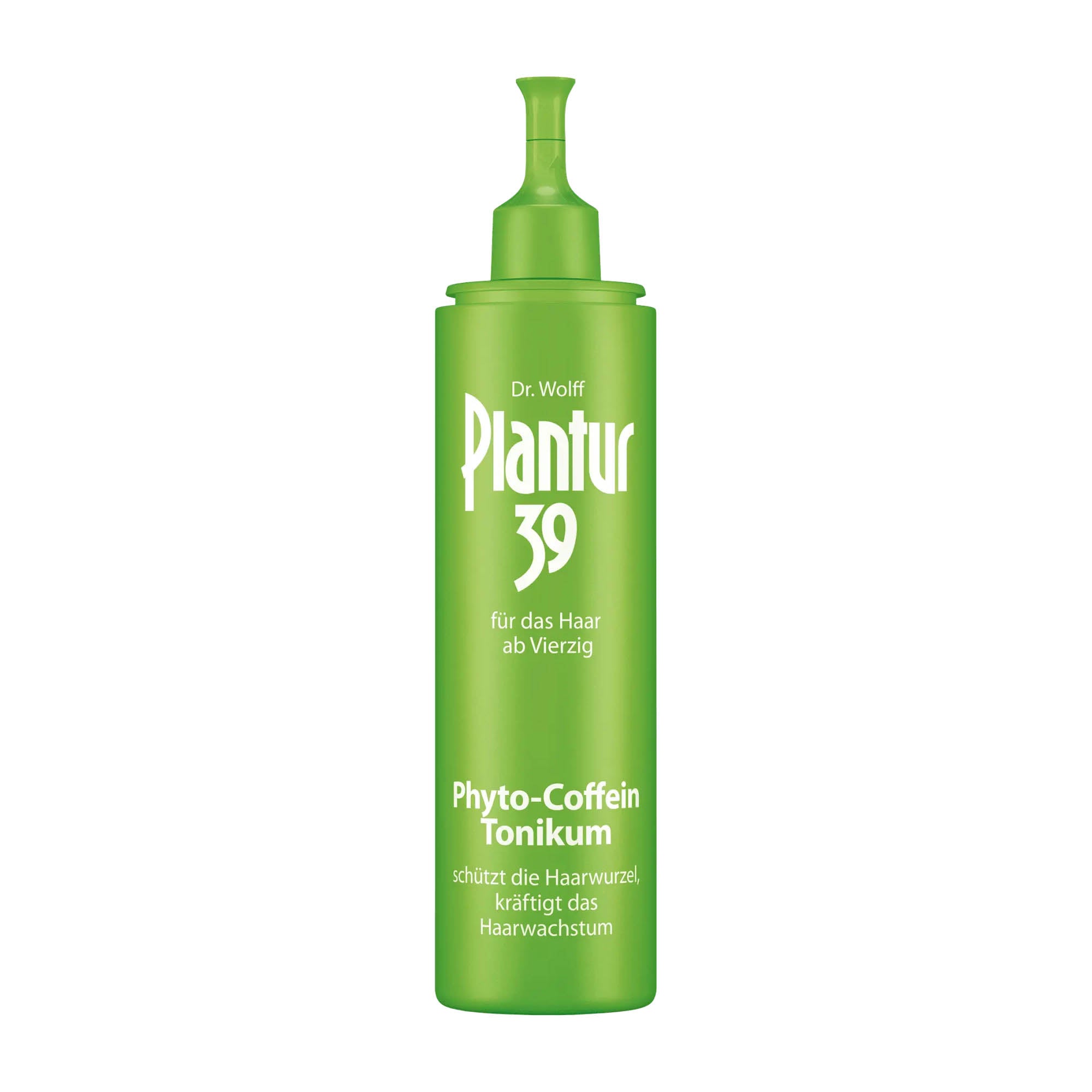
Where to buy Plantur 39 Phyto-Caffeine Tonic in UK: we track one retailer, Well, and show the price we last observed there; the price you see at checkout may differ.
We may earn a commission on purchases. It never affects our rankings.
£10 – £18
Regaine for Men Extra Strength 5 Minoxidil Scalp Foam
Regaine for Men 5% foam is positioned as a best-in-class men’s minoxidil foam thanks to a long clinical track record and a user-friendly foam formulation that many find less greasy and easier to apply than liquid solutions. It trades at a premium to value generics like Kirkland but offers a refined delivery system and established brand trust, making it a go-to for buyers prioritizing convenience and proven outcomes among minoxidil treatments.
Show More Minoxidil Treatments
Mielle Organics Rosemary Mint Scalp & Hair Strengthening Oil
Mielle Organics Rosemary Mint Scalp & Hair Strengthening Oil stands out as a best-in-class natural-oil treatment because it combines a rosemary-forward botanical base with cooling mint to stimulate the scalp while remaining affordably priced and widely available. Compared with more clinical or luxury offerings on this list, it delivers a straightforward, oil-focused strengthening regimen that gives strong value for customers prioritizing natural ingredients and budget-conscious scalability.
Show More Natural Oils Hair Growth Treatments
The Theradome PRO LH80 is a market-leading helmet-style device known for its high diode count, cordless rechargeable design and hands-free comfort, delivering clinic-level power in a consumer helmet form. In the UK 2025 comparison it is pricier than cap or band alternatives but justifies the cost with superior energy distribution and user convenience, outperforming cap formats in session comfort and many hybrids like iGrow in power density while remaining easier to use than some clinic-only solutions.
Show More Laser Therapy for Hair Growth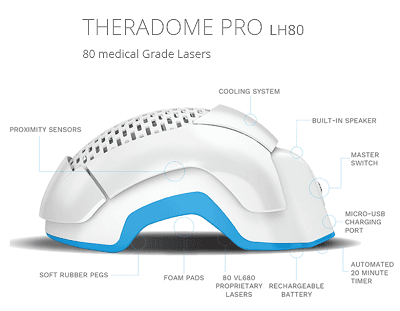
Viviscal Maximum Strength holds a market-leading position for hair-growth vitamins because of its proprietary marine-derived AminoMar complex and a stronger clinical evidence base than many competitors, making it a go-to for users seeking proven results. Compared with the other products on this list it is typically pricier but justifies that with double-blind study backing and a formulation focused specifically on stimulating existing hair growth rather than broad-spectrum nutritional support.
Show More Vitamins for Hair Growth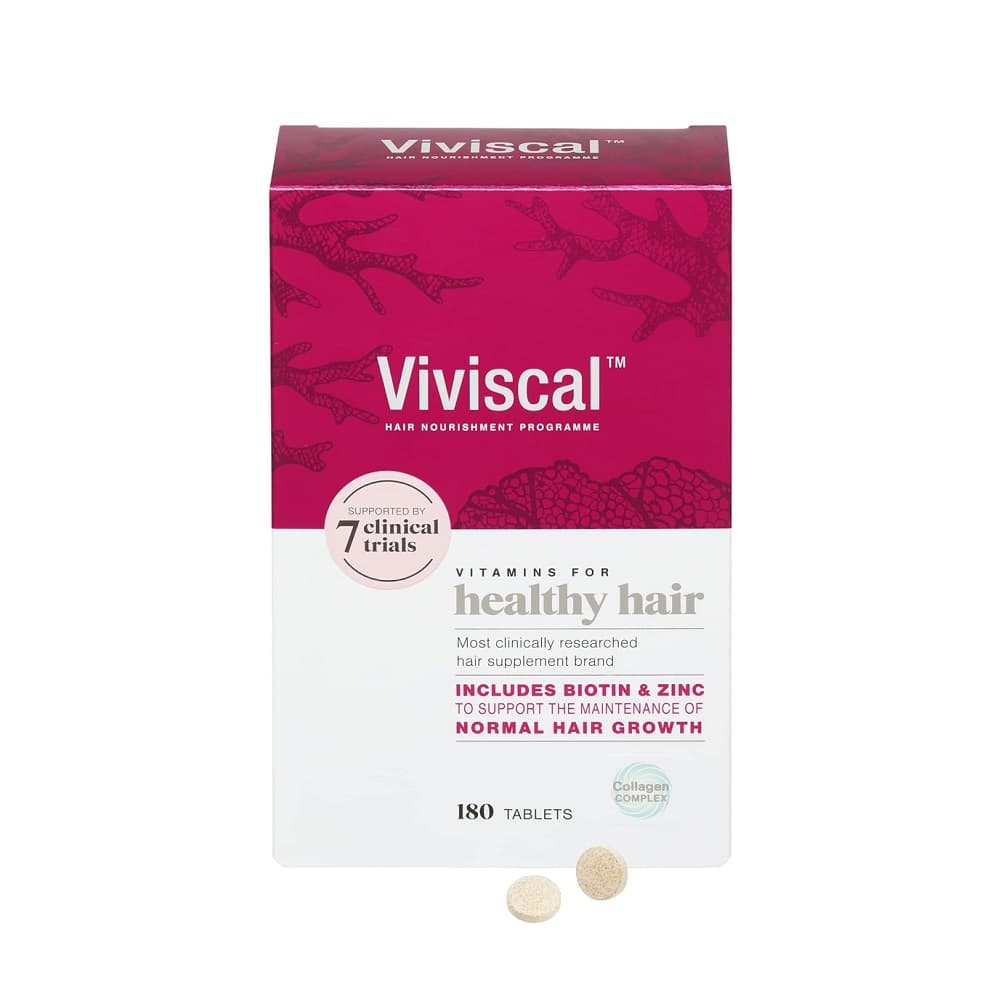
Where to buy Viviscal Maximum Strength Hair Growth Supplements in UK: we track one retailer, Viviscal, and show the price we last observed there; the price you see at checkout may differ.
We may earn a commission on purchases. It never affects our rankings.
£28.50GBP
PHI Clinic London PRP Scalp Treatment
PHI Clinic is recognised for advanced, research-informed PRP scalp protocols and bespoke adjunctive therapies, attracting patients prepared to pay a premium for clinic-led innovation in 2025. It stands apart from the other entries through clinician-intensive care and cutting-edge protocols similar to academic centres, though this technical advantage comes with higher fees and a more limited geographic footprint.
Show More PRP Hair Growth TreatmentsWhere to buy PHI Clinic London PRP Scalp Treatment in UK: we track one retailer, Groupon, and show the price we last observed there; the price you see at checkout may differ.
We may earn a commission on purchases. It never affects our rankings.
£600 – £1,000
What the research says
Clinical research supports several widely used hair growth treatments, although results vary by cause of hair loss and by individual. Large randomized controlled trials and meta-analyses provide the strongest evidence for certain pharmaceutical options, while other treatments show promising but mixed results in smaller studies. Combining therapies often improves outcomes and many studies highlight safety profiles, treatment timelines and realistic expectations.
Minoxidil (topical): Multiple randomized controlled trials show it can increase hair count and thickness for androgenetic alopecia, with effects becoming visible after about 3 to 6 months of consistent use.
Finasteride (oral): Strong evidence from clinical trials demonstrates that finasteride slows hair loss and often increases hair regrowth in men by blocking DHT; its use in women is limited and requires specialist advice.
Low-level laser therapy (LLLT): Controlled studies and meta-analyses report modest improvements in hair density and thickness for some users, particularly when used regularly.
Platelet-rich plasma (PRP): Clinical studies show mixed but encouraging results; some randomized trials report increased hair count and patient satisfaction, though protocols and outcomes vary between clinics.
Hair transplant surgery (FUE and FUT): Long-term evidence supports surgical hair restoration as a durable solution for suitable candidates when performed by experienced surgeons.
Microneedling: Small trials suggest microneedling stimulates scalp healing and, when combined with topical treatments like minoxidil, can enhance hair regrowth compared with topical treatment alone.
Supplements and topicals: Nutritional supplements (for example, correcting iron or vitamin D deficiency) can help when a deficiency is present. Evidence for over-the-counter supplements in people without deficiency is limited; emerging peptide and growth factor serums have promising early data but need larger trials.
Frequently Asked Questions
Which product should I choose for early thinning?
Choose Watermans Grow Me Hair Growth Shampoo if you want a haircare-first, caffeine-infused option rated 4.5/5, designed for gentle cleansing and supporting the scalp environment for fuller-looking hair.
Does Regaine for Men include 5% minoxidil foam?
Yes—Regaine for Men Extra Strength 5% Minoxidil Scalp Foam contains 5% minoxidil, and it’s a fast-drying foam formulated for easy daily application.
How does Hairburst compare to Regaine on value?
The provided info lists Hairburst Healthy Hair Vitamins rated 4.3/5 but doesn’t include any prices, and Regaine is described as more expensive than value generics like Kirkland b—so no exact value comparison is possible here.
Is Watermans Grow Me suitable for frequent use?
Yes—Watermans Grow Me Hair Growth Shampoo is “suitable for frequent use” and is a sulfate-free, caffeine-infused shampoo aimed at improving hair resilience and volume.
Conclusion
Whether you are looking for non-surgical options, prescription treatments or advanced clinic procedures, the UK market in 2026 offers a range of well-researched choices. We hope this guide helped you find the right starting point. If you want to refine results by cost, treatment type, clinic location or expected recovery time, use the search to narrow or expand your options.