Foot Soaks UK — Top 5 Picks for 2026
Published on Tuesday, 27 January 2026
Foot soaks are a simple, widely used category of at-home wellness products that combine warm water with salts, minerals, herbs or essential oils to soften skin, ease muscle tension, support nail and skin care, and promote relaxation. In the UK market consumers choose foot soaks for easy self-care at home, affordable spa-style treatments, and targeted benefits such as reducing swelling, softening calluses, and supporting recovery after exercise. Recent UK trends for 2026 favour natural and ethically sourced ingredients, recyclable packaging, multifunctional blends (exfoliating, antifungal, soothing) and products backed by clear guidance for safe use. Buyers also value trusted brands, clear ingredient lists, and options for sensitive skin or podiatry-safe formulations, which makes transparency and clinical caution important selling points in this category.
Top Picks Summary
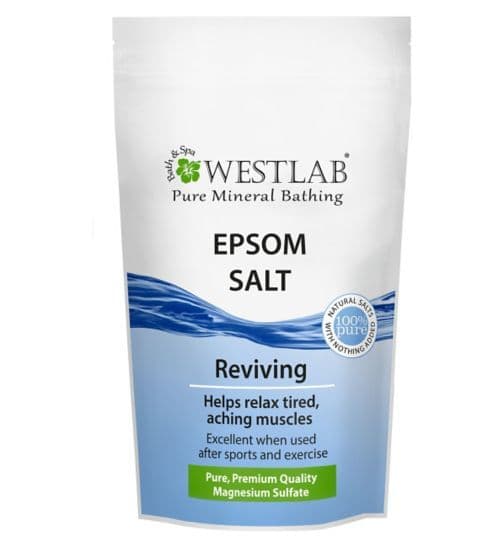
Westlab Epsom Salt
Westlab Epsom Salt earns a best-in-class spot for foot soaks by offering a pure, high-quality magnesium sulfate product that delivers straightforward therapeutic benefits at a low price per use. Its technical advantage is simplicity and potency—no added fragrances or oils—making it cheaper and more versatile than blended or spa-focused options on this list. For users who prioritize budget and efficacy over scent or additional skincare properties, Westlab is the most cost-effective choice.
Dr Teal's Pure Epsom Salt Soak
Dr Teal's Pure Epsom Salt Soak is a market leader thanks to wide retail availability, consistent formulation, and strong consumer recognition that make it an easy, reliable option for regular foot soaks. It competes on convenience and branded trust versus purer specialty salts like Westlab, often offering promotional pricing and scented variants for those who want fragrance. While not as clinically targeted as Margaret Dabbs or as exfoliating as a salt scrub, Dr Teal's balances affordability, accessibility, and pleasant user experience.

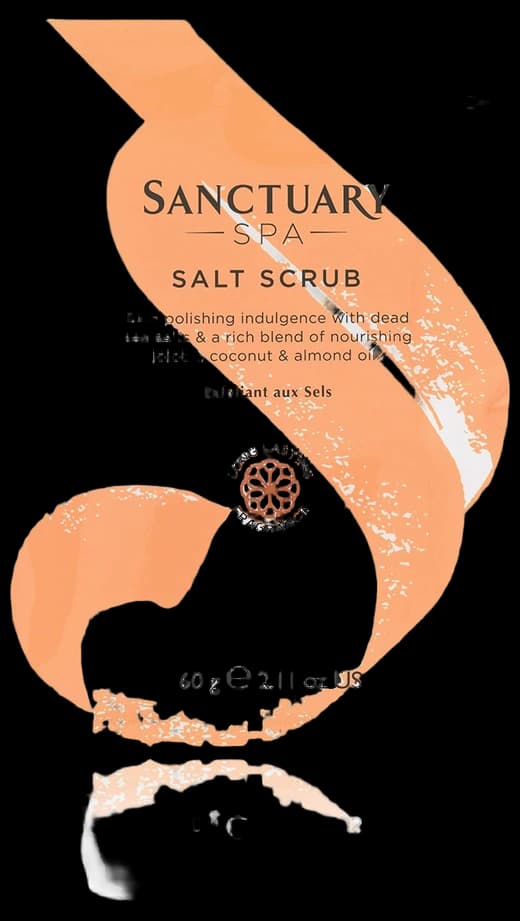
Sanctuary Spa Salt Scrub Foot Soak
Sanctuary Spa Salt Scrub Foot Soak stands out by combining soak and mechanical exfoliation in one product, delivering a spa-style treatment at home that addresses both softness and skin texture. Its technical advantage is the dual-action formulation—salt grains plus emollients—so it’s pricier but more effective for users wanting visible exfoliation compared with plain Epsom salts. Compared with the clinical hydration of Margaret Dabbs or aromatherapy focus of Tisserand, Sanctuary Spa sells a sensorial, cosmetics-forward experience.
Tisserand Aromatherapy De-Stress Foot Soak
Tisserand Aromatherapy De-Stress Foot Soak is distinguished by its essential-oil-led formulation that prioritizes relaxation and mood benefits alongside the physical effects of a soak. Its technical advantage is the curated aromatherapy blend, offering stress-relief properties that pure salts lack, making it a strong choice for users who treat foot soaks as part of a wellness or relaxation ritual. Compared with plain or clinical options on this list, Tisserand trades some therapeutic magnesium focus for botanical scent complexity and a mid-to-premium wellness positioning.
What the Research Says About Foot Soaks
Scientific evidence supports some of the practical benefits of foot soaks while other claims remain less proven. Warm water soaks reliably increase local circulation and can reduce acute muscle tightness and swelling through heat and hydrostatic effects. Ingredients like tea tree oil have laboratory and clinical evidence showing antifungal activity against common foot fungi, and certain antimicrobial soaks can reduce surface microbial load. Aromatic additions such as lavender have been studied for relaxation and improved sleep in some small clinical trials. However, claims about significant transdermal magnesium absorption from Epsom salts are not strongly supported by high-quality evidence, and detox claims are generally unsupported. As with any foot care practice, people with diabetes, peripheral neuropathy or open wounds should follow podiatry advice before using soaks.
Warm water increases peripheral blood flow and can help reduce mild swelling and muscle tension.
Tea tree oil has shown antifungal effects in vitro and in some clinical trials against athlete's foot and mild nail fungus.
Aromatherapy ingredients such as lavender have small-scale evidence for improving relaxation and sleep quality.
Evidence for significant transdermal magnesium absorption from Epsom salt soaks is limited and remains inconclusive.
Antimicrobial soaks (properly formulated) can lower surface microbial counts, but they are not a substitute for medical treatment of infections.
People with diabetes, reduced sensation, circulation problems or open sores should consult a healthcare professional before soaking their feet.
Frequently Asked Questions
Which foot soak is best for softening rough, callused heels?
The Sanctuary Spa Salt Scrub Foot Soak is the ideal choice for rough heels because it combines sea salts with exfoliating particles and moisturising oils to smooth skin texture.
What is the average customer rating for Westlab Epsom Salt?
Westlab Epsom Salt holds an average rating of 4.6 out of 5 stars from UK customers.
Does Dr Teal's Pure Epsom Salt Soak offer scented options?
Dr Teal's Pure Epsom Salt Soak is available in various scented variants, such as lavender, which blend Epsom salt with essential oils for an at-home spa experience.
Is Westlab Epsom Salt suitable for people with sensitive skin?
Westlab Epsom Salt is suitable for sensitive skin because it is a fragrance-free, pure magnesium sulfate product containing no added oils or perfumes.
Conclusion
We currently have no top picks listed for 2026 in this Foot Soaks category. If you did not find what you were looking for, try refining your search filters by ingredient, skin type, purpose (relaxation, antifungal, exfoliating) or sustainability preferences. You can also broaden the search or set alerts for new arrivals so you do not miss updates to the category.