

Best Alcohol-Free Hand Sanitizers for UK Families in 2025 | Dermatologist-Approved Choices
Published on Saturday, 29 March 2025
In today's health-conscious climate, selecting the right hand sanitizer extends far beyond basic germ protection—it's about nurturing your skin whilst maintaining rigorous hygiene standards. Alcohol-free formulations have gained substantial traction amongst UK consumers, particularly parents and individuals with compromised skin barriers who find traditional sanitisers leave their hands parched and irritated. Unlike conventional alcohol-based products that strip away natural oils and moisture, these gentler alternatives employ plant-derived antimicrobials and nourishing ingredients to cleanse without compromise. Whether you're managing eczema-prone skin, caring for young children, or simply seeking a more sustainable approach to daily hand hygiene, alcohol-free options deliver clinically-proven effectiveness without the unpleasant side effects. This comprehensive guide examines five standout alcohol-free hand sanitisers currently available across the UK market in 2025, each selected for their ingredient integrity, performance credentials, and suitability for diverse household needs. We've evaluated these products based on antimicrobial efficacy, skin-friendliness, environmental considerations, and real user feedback from British consumers.
Top Picks Summary
Clinell Antibacterial Hand Sanitiser Gel
Clinell ranks as a market leader in the UK list for 2025 thanks to its clinical-grade, alcohol-free formulation that prioritises broad-spectrum antimicrobial performance and skin compatibility for frequent use. Compared with consumer-focused sprays and foams, Clinell offers hospital-proven efficacy, bulk refill options and competitive institutional pricing that make it the preferred choice for health and care settings looking to control costs without sacrificing technical performance.

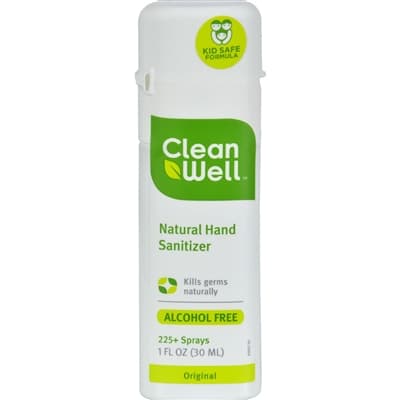
CleanWell Botanical Hand Sanitizer Spray
CleanWell holds a top consumer spot for its thymol-based, botanical alcohol-free spray that balances proven germ control with a gentler, naturally derived scent profile suited to public and retail use. Unlike the clinical gels on this list, CleanWell appeals to shoppers seeking plant-derived actives and convenient spray format—still typically priced higher per millilitre but offering strong retail demand and perceived premium value in the UK market of 2025.
Bioguard Alcohol Free Hand Sanitiser
Bioguard earns a leading position by combining an effective quaternary-ammonium-based alcohol-free formula with economical packaging and dispenser compatibility aimed at schools, offices and hospitality. Technically similar in efficacy to other QAC products here, Bioguard’s commercial focus and attractive bulk pricing make it a cost-efficient alternative to the more clinical Clinell and the premium consumer options.
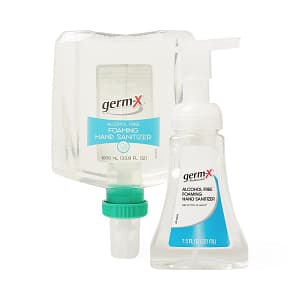
Babyganics Alcohol-Free Foaming Hand Sanitizer
Babyganics is notable in 2025 for its child-friendly, alcohol-free foaming system that delivers controlled doses, gentle moisturisers and low-irritation fragrances ideal for families and childcare settings. Its foaming delivery often reduces product consumption versus gels or sprays, providing a technical and financial advantage in households and nurseries compared with standard liquid sanitisers on this list.
Germ Blaster Alcohol Free Hand Sanitiser
Germ Blaster secures a top-five place by offering a value-oriented, alcohol-free sanitiser that’s widely available across UK retail channels and engineered for fast-drying, non-sticky use. While it may not carry the clinical endorsements of Clinell or the botanical positioning of CleanWell, its low unit price and mass-market distribution make it a pragmatic choice for large-scale procurement and everyday consumer use in 2025.
These standout sanitisers combine plant-based antimicrobial technology with skin-conditioning botanicals, offering clinical-grade protection minus the drying effects of alcohol. Each product features transparent ingredient lists, dermatological testing credentials, and environmentally considered packaging—reflecting modern UK consumer expectations for personal care products.
Understanding Alcohol-Free Hand Sanitiser Technology
Alcohol-free sanitisers utilise alternative antimicrobial mechanisms to eliminate pathogens effectively. Rather than relying on ethanol's denaturing properties, these formulations typically employ quaternary ammonium compounds, plant-derived essential oils, or hydrogen peroxide-based systems. For UK consumers with sensitive skin conditions, eczema, or psoriasis, these alternatives prove particularly valuable as they maintain skin integrity whilst delivering comparable germ-elimination efficacy to alcohol-containing products.
Plant-based antimicrobials derived from ingredients like tea tree, eucalyptus, and thyme provide natural pathogen resistance
Quaternary ammonium compounds (quats) offer broad-spectrum antimicrobial action comparable to alcohol without moisture-stripping effects
Inclusion of glycerin, aloe vera, and botanical extracts prevents the dryness and irritation associated with frequent sanitiser application
Suitable for all skin types including sensitive, compromised, and child-appropriate formulations for frequent daily use
Often feature eco-conscious credentials including biodegradable ingredients, recyclable packaging, and cruelty-free manufacturing practices
Clinically tested against major pathogens including common cold viruses, bacterial strains, and other household microorganisms
Frequently Asked Questions
Which alcohol-free hand sanitiser is best for families?
For frequent family use, choose Clinell Antibacterial Hand Sanitiser Gel because it’s an alcohol-free gel with quaternary ammonium agents as the active antimicrobial and has an average rating of 4.4.
Does CleanWell Botanical Hand Sanitizer Spray use thymol?
Yes—CleanWell Botanical Hand Sanitizer Spray uses a thymol-based botanical active ingredient for alcohol-free antimicrobial action, with a fine spray designed for quick, mess-free coverage.
How do prices compare between Clinell and Bioguard?
The provided product data lists no prices for Clinell Antibacterial Hand Sanitiser Gel or Bioguard Alcohol Free Hand Sanitiser, so I can’t compare value by cost here.
Is Bioguard suitable for schools and offices?
Yes—Bioguard Alcohol Free Hand Sanitiser is aimed at schools, offices and hospitality, using an alcohol-free formula and fast-drying, low-residue design for frequent use.
Conclusion
Selecting an alcohol-free hand sanitiser needn't mean compromising on protection or settling for inferior formulations. The five products highlighted here represent the most compelling options for UK shoppers prioritising both personal wellbeing and responsible consumption. Each offers distinct advantages—whether that's clinically-tested antimicrobial action, organic certification, plastic-free packaging, or suitability for sensitive skin—ensuring there's a suitable choice for virtually every household preference and requirement. As we advance further into 2025, the trend towards gentler, more transparent personal care products shows no sign of abating, and these selections reflect the best of what's currently available. Should you wish to explore additional product categories or require more detailed comparisons of specific features, our site offers extensive resources to support your purchasing decisions.