

Medicated Mouthwash: UK Guide 2026 — Top 5 Options Reviewed
Medicated mouthwash covers a group of clinically formulated rinses used to treat and manage specific oral health problems, such as gingivitis, high plaque levels, dry mouth and post-surgical healing. In the UK market these products are valued for targeted action beyond cosmetic breath freshening: they often contain antiseptics, antimicrobial agents or fluoride that reduce bacteria, help control inflammation and support enamel protection. Consumers in the UK tend to choose medicated mouthwashes based on proven effectiveness, NHS or dental professional recommendations, absence of alcohol for sensitive mouths, clear guidance on short term versus long term use, and convenient packaging. Growing preferences also include alcohol-free and low-staining formulas, sustainability in packaging, and easy-to-read instructions that fit everyday routines. As with all medicated products, selection is best guided by a dental professional or pharmacist, especially when prescription-strength agents are under consideration.
Inception's AI took the time to understand this market in the UK · We may earn a commission on purchases. It never affects our rankings.
Top Picks Summary
Corsodyl Intensive Treatment Mouthwash
Corsodyl Intensive Treatment Mouthwash is positioned as a clinical-grade medicated rinse that uses chlorhexidine for strong plaque and gingivitis control, making it a go-to for dentists treating active gum disease. Compared with the other products on this list it offers the most extensively documented antiseptic efficacy and broad pharmacy distribution, which often yields lower per-treatment cost for prolonged courses, although that potency can come with taste and tooth-staining trade-offs versus milder formulations like CB12 or Dentyl.

Oraldene Antibacterial Mouthwash
Oraldene Antibacterial Mouthwash uses hexetidine to reduce oral bacteria and is frequently chosen for short-term management of minor mouth infections, ulcers and post-procedure rinsing. In this medicated mouthwash comparison it sits between clinical-strength antiseptics like Corsodyl and consumer breath fresheners — offering focused antibacterial benefit with typically milder taste and staining effects than chlorhexidine, while remaining an everyday over-the-counter option.

Where to buy Oraldene Antibacterial Mouthwash in UK: we track one retailer, Click2pharmacy, and show the price we last observed there; the price you see at checkout may differ.
We may earn a commission on purchases. It never affects our rankings.
£4.49GBP
Difflam Oral Rinse
Difflam Oral Rinse, containing benzydamine hydrochloride, is recognised for its anti-inflammatory and local analgesic action and is useful when pain and inflammation — rather than broad antisepsis — are the primary concern, such as sore throats and mouth ulcers. Relative to the other items here it brings an analgesic/anti-inflammatory advantage for symptom relief, while not replacing antiseptics such as Corsodyl for bacterial control. It is available over the counter from UK pharmacies without a prescription.
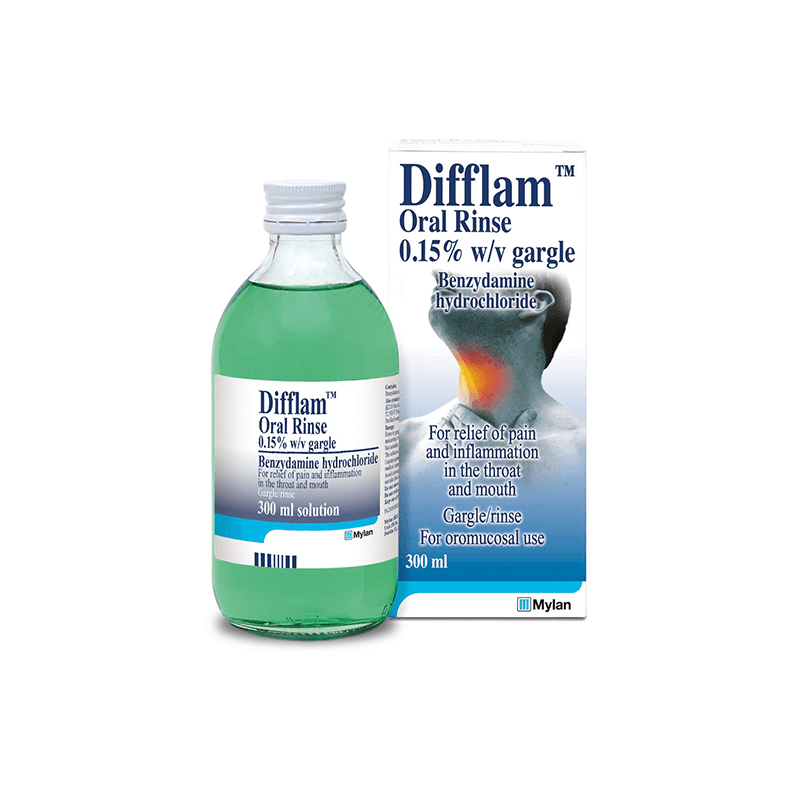
Where to buy Difflam Oral Rinse in UK: we track one retailer, Weldricks, and show the price we last observed there; the price you see at checkout may differ.
We may earn a commission on purchases. It never affects our rankings.
£5 – £8
CB12 Boost Mouthwash
CB12 Boost Mouthwash combines zinc acetate (0.3%) and a low dose of chlorhexidine (0.025%) to neutralise volatile sulphur compounds and provide long-lasting reduction of bad breath, with mild antibacterial action. It is positioned as a specialist breath-care medicated rinse rather than a primary anti-gingivitis therapy. Compared to full-strength antiseptics like Corsodyl, CB12's advantage is its odour-neutralising chemistry and consumer-friendly flavour, which support daily adherence and repeat purchase.

Where to buy CB12 Boost Mouthwash in UK: we track one retailer, Weldricks, and show the price we last observed there; the price you see at checkout may differ.
We may earn a commission on purchases. It never affects our rankings.
£2.89GBP
Dentyl Dual Action Mouthwash
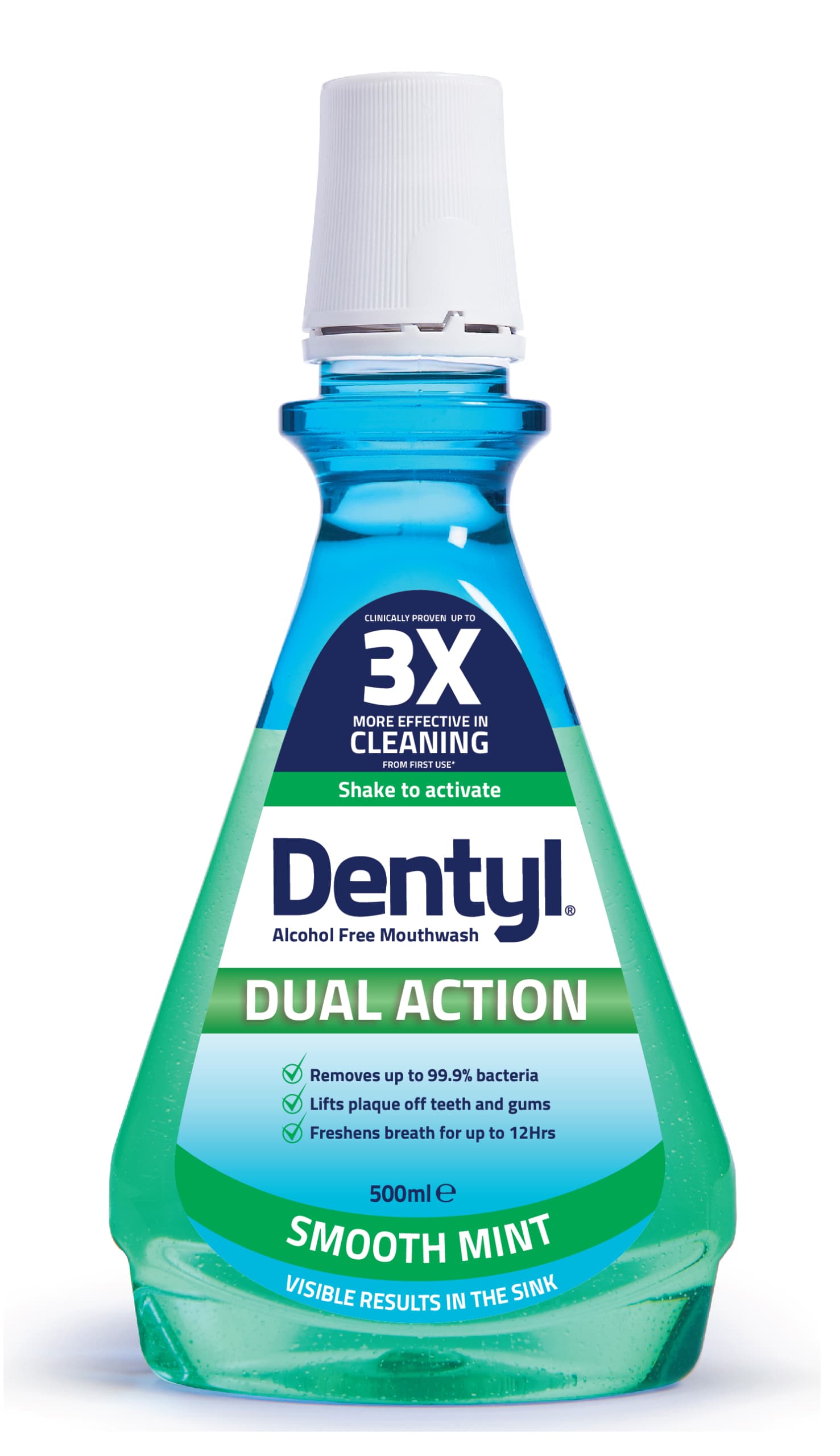
Dentyl Dual Action Mouthwash uses a two-phase formula that mechanically lifts debris and bacteria then suspends them for removal, offering a distinct technical approach among medicated mouthwashes. In this set it stands out for combining visible particulate removal with antibacterial ingredients, delivering both perceived and measurable cleaning which can justify its premium positioning versus simpler rinses like Oraldene and CB12 for consumers who value immediate visual results.
What the Research Says
Clinical studies and systematic reviews indicate that certain active ingredients commonly found in medicated mouthwashes produce measurable benefits when used appropriately. Antiseptics such as chlorhexidine are among the most effective at reducing plaque and gingival inflammation but are usually recommended for short term use because of side effects such as tooth staining and taste disturbance. Alternative actives, including cetylpyridinium chloride and essential oil formulas, show modest improvements in plaque and bad breath with fewer cosmetic side effects. Fluoride containing mouthwashes contribute to caries prevention when used as part of a daily oral care routine, especially in people at higher risk of decay. Recent UK and international guidance emphasises selecting products with proven clinical data, following recommended durations of use, and consulting dental professionals for long term management. Safety profiles are generally good but can include local irritation, altered taste or rare allergic reactions, and some medicated rinses should not be used alongside certain medical conditions or medications without advice.
Chlorhexidine: strong short term reduction in plaque and gingivitis; associated with staining and altered taste; typically recommended for limited courses.
Cetylpyridinium chloride and essential oils: modest plaque and breath control with fewer staining problems than chlorhexidine.
Fluoride rinses: effective in reducing tooth decay risk when used as an adjunct to brushing in at-risk populations.
Antiseptic mouthwashes can reduce microbial load temporarily; they are not a substitute for mechanical cleaning such as brushing and interdental cleaning.
Follow product instructions and professional advice to avoid misuse and minimise side effects.
Frequently Asked Questions
Which medicated mouthwash is best for treating active gum disease?
Corsodyl Intensive Treatment Mouthwash is the recommended choice for active gum disease because it contains chlorhexidine, which provides strong antibacterial action to control plaque and gingivitis.
Does Oraldene Antibacterial Mouthwash contain hexetidine for oral bacteria reduction?
Yes, Oraldene Antibacterial Mouthwash contains hexetidine, an antiseptic and antifungal agent specifically formulated to help reduce oral bacteria and plaque.
Is Difflam Oral Rinse effective for managing mouth ulcer pain?
Difflam Oral Rinse contains benzydamine hydrochloride, which provides rapid symptomatic relief of mouth and throat pain by acting as a topical analgesic and anti-inflammatory.
What is the average customer rating for Corsodyl Intensive Treatment Mouthwash?
Corsodyl Intensive Treatment Mouthwash holds an average rating of 4.5 out of 5, reflecting its status as a clinical-grade rinse for periodontal care.
Conclusion
Medicated mouthwashes are a useful category in the UK for targeted oral care needs, offering options for short term treatment and ongoing risk management when chosen correctly. We hope this guide helped you understand how medicated mouthwashes work and what to consider. If you did not find exactly what you were looking for, refine or expand your search using the search box or consult your dentist or pharmacist for personalised advice.