

Enamel Repair Toothpaste: Top 7 Picks in the UK for 2026
First, the part the packaging never says plainly: enamel is acellular. It contains no living cells, so it cannot grow back or be "repaired" once it is genuinely lost. What a good enamel toothpaste does is remineralise — driving fluoride, calcium and phosphate ions back into enamel that has softened or partly demineralised but whose structure is still intact. Early white-spot lesions and acid-softened surfaces respond well. A cavity, a chip or receded gum does not, and no paste will change that. The buying rule in the UK is simpler than the marketing: NHS guidance is at least 1,350 ppm fluoride for adults, with family toothpastes at 1,350–1,500 ppm; higher-strength 2,800 ppm and 5,000 ppm pastes are prescription-only medicines here, dispensed by a dentist. Our top pick for UK shoppers in 2026 is Sensodyne Pronamel Intensive Enamel Repair — 1,450 ppm sodium fluoride, built around acid-erosion protection. Below we compare seven pastes sold in the UK on active ingredient, fluoride level, abrasivity and who each one actually suits.
Inception's AI took the time to understand this market in the UK · We may earn a commission on purchases. It never affects our rankings.
Top Picks Summary
- Sensodyne Pronamel Intensive Enamel Repair Toothpaste
- Regenerate Enamel Science Advanced Toothpaste
- Colgate Pro Relief Enamel Repair Toothpaste
- Oral-B Pro-Expert Advanced Science Intensive Enamel Regeneration Toothpaste
- Arm & Hammer Enamel Pro Repair Toothpaste
- Biomin F Toothpaste
- Elgydium Enamel Protection Toothpaste
Sensodyne Pronamel Intensive Enamel Repair Toothpaste
Sensodyne Pronamel holds a best-in-class position for enamel repair by combining well-known sensitivity protection with enamel-strengthening formulations, making it a go-to for consumers who want both erosion defense and value. Compared with niche technologies on this list, Pronamel's broad availability, strong brand recognition, and competitive pricing give it a practical advantage for everyday use and budget-conscious buyers seeking reliable enamel support.

Regenerate Enamel Science Advanced Toothpaste
Regenerate Enamel Science is the most technically focused paste on this list, using calcium silicate and sodium phosphate salts to lay down fresh mineral on early, acid-softened enamel rather than relying on fluoride alone. It sits at a clear premium to mainstream brands, which is only worth paying if you are treating genuine early erosion; for straightforward daily prevention a 1,450 ppm paste does the same job for a fraction of the price.
Colgate Pro Relief Enamel Repair Toothpaste
Colgate Pro Relief earns its place on relief speed rather than enamel chemistry — the arginine and calcium carbonate system plugs open dentine tubules, which is what stops the cold-air twinge. That makes it the sensible, affordable first move if pain is the problem, but be clear about the category boundary: it protects and soothes exposed dentine rather than rebuilding mineral in enamel, so it complements rather than replaces the remineralising pastes above it.

Where to buy Colgate Pro Relief Enamel Repair Toothpaste in UK: we track one retailer, Colgate, and show the price we last observed there; the price you see at checkout may differ.
We may earn a commission on purchases. It never affects our rankings.
£3 – £6
Oral-B Pro-Expert Advanced Science Intensive Enamel Regeneration Toothpaste
Oral-B's Pro-Expert line is the broad-spectrum choice: one paste covering enamel support, plaque, gums and sensitivity, which suits people who would rather not run three tubes. Naming varies between markets — UK shelves carry these under Pro-Expert and Pro-Repair labels — so read the fluoride figure on the pack rather than the claim on the front, and expect all-rounder performance rather than the targeted mineral chemistry of Regenerate or BioMin F.

Where to buy Oral-B Pro-Expert Advanced Science Intensive Enamel Regeneration Toothpaste in UK: we track one retailer, Oralb, and show the price we last observed there; the price you see at checkout may differ.
We may earn a commission on purchases. It never affects our rankings.
£5 – £9
Arm & Hammer Enamel Pro Repair Toothpaste
Arm & Hammer's baking-soda pastes neutralise acid and polish gently for very little money, which is why this is the budget entry. The honest caveat is category: this belongs to a whitening range, and on a page about enamel loss any paste sold on stain removal deserves a second look at its abrasivity before it becomes your daily driver. UK availability is also patchier than for the mainstream brands here.

Where to buy Arm & Hammer Enamel Pro Repair Toothpaste in UK: we track one retailer, Armandhammer, and show the price we last observed there; the price you see at checkout may differ.
We may earn a commission on purchases. It never affects our rankings.
£3 – £6
Biomin F Toothpaste
BioMin F is the science-led pick: its bioactive glass bonds to the tooth and releases fluoride, calcium and phosphate slowly over several hours, so protection continues long after you have put the brush down. That trickle-feed design means a lower total fluoride dose than a conventional 1,450 ppm paste, which suits people brushing twice daily and spitting without rinsing. Distribution in the UK is limited to dental suppliers and specialist retailers, and it costs more than mainstream pastes.

Elgydium Enamel Protection Toothpaste
Elgydium Enamel Protection offers a European-focused formula that combines gentle enamel care with sensitivity management, often positioned as a mid-tier option with good tolerability for sensitive mouths. Against the other products listed, Elgydium’s advantage is its regional availability and balanced formulation that appeals to shoppers who want enamel support without the higher price tag of specialized rebuilding technologies.
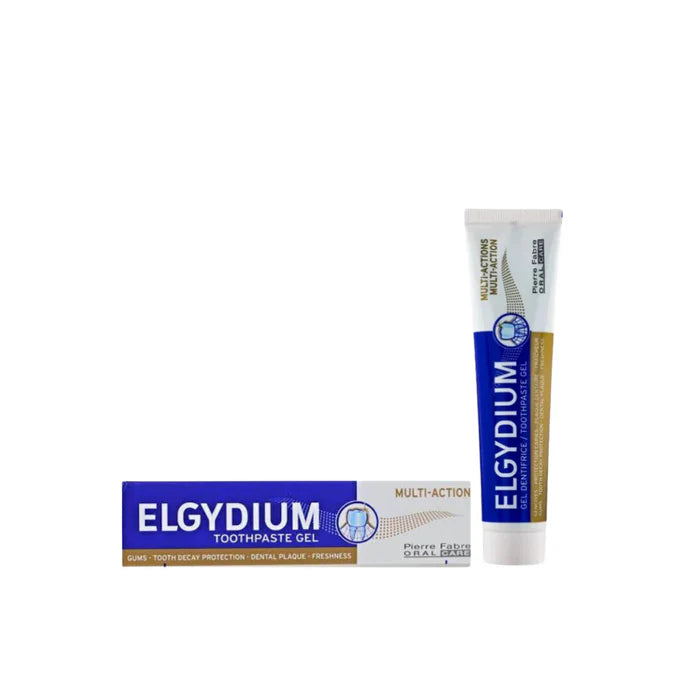
Where to buy Elgydium Enamel Protection Toothpaste in UK: we track one retailer, Eliveragroup, and show the price we last observed there; the price you see at checkout may differ.
We may earn a commission on purchases. It never affects our rankings.
£3 – £7
What the research says about enamel repair toothpastes
The evidence supports remineralisation of early, sub-surface enamel damage — not regrowth of lost enamel. Fluoride remains the best-evidenced and the UK standard of care; nano-hydroxyapatite and calcium phosphate systems have a smaller but growing body of clinical work. Evidence quality varies sharply by active ingredient and study type, so read the pack and ask your dentist if enamel loss is advanced.
Fluoride ladder (UK): NHS advises at least 1,350 ppm for adults and 1,350–1,500 ppm family pastes. Children under 3 need only a smear of at least 1,000 ppm; ages 3–6, a pea-sized amount.
Prescription strengths: 2,800 ppm and 5,000 ppm fluoride toothpastes (such as Duraphat) are licensed medicines in the UK and prescription-only — you cannot buy them over the counter.
Spit, don't rinse: the single highest-value habit on this page. Rinsing with water — or with mouthwash — straight after brushing washes away the concentrated fluoride you just paid for.
Fluoride types: sodium fluoride is the mainstream choice; stannous fluoride adds antibacterial and tubule-occluding action but can stain over time; NovaMin (calcium sodium phosphosilicate) and BioMin's bioactive glass deposit mineral and release fluoride gradually.
Nano-hydroxyapatite: the main fluoride-free route, with trial support for remineralising early lesions and easing sensitivity. The evidence base is far smaller than fluoride's, and no UK guidance recommends dropping fluoride for it.
Abrasivity (RDA): a high-RDA whitening paste works against you on eroded enamel. If you are losing enamel, pick low abrasivity and avoid brushing straight after acidic food or reflux — wait about an hour.
Sensitivity actives: potassium nitrate and strontium salts calm the nerve response and plug dentine tubules. They relieve symptoms; they do not add mineral back.
Frequently Asked Questions
Can toothpaste actually repair tooth enamel?
Not in the way the packaging implies. Enamel is acellular — it has no living cells and cannot regrow once it is lost. What these pastes do is remineralise: they push fluoride, calcium and phosphate back into enamel that has softened or partly demineralised but is still structurally intact, which is why early white-spot lesions respond. Cavities, chips and receded gums are not reversible by toothpaste.
How much fluoride should a UK enamel toothpaste contain?
NHS guidance is at least 1,350 ppm fluoride for adults, with family toothpastes at 1,350–1,500 ppm. Children under 3 need only a smear of a paste with at least 1,000 ppm; ages 3–6, a pea-sized amount. Higher-strength 2,800 ppm and 5,000 ppm pastes are prescription-only medicines in the UK — a dentist has to prescribe them.
Should I rinse my mouth after brushing?
No. Spit out the excess and stop there. NHS advice is not to rinse immediately after brushing, and not to use mouthwash straight afterwards either, because both wash away the concentrated fluoride left on your teeth. It costs nothing and it is the biggest single upgrade most people can make to an enamel routine.
Which toothpaste should I pick for acid erosion?
Sensodyne Pronamel Intensive Enamel Repair, our top pick, at an average rating of 4.7. It carries 1,450 ppm sodium fluoride plus potassium nitrate for sensitivity, and is formulated to re-harden acid-softened enamel. Also avoid brushing for about an hour after acidic food, drink or reflux — enamel is at its softest then.
Conclusion
Enamel repair is really enamel maintenance: hold on to what you have, and re-harden what has only softened. For most UK shoppers that means a 1,350–1,500 ppm fluoride paste used twice daily, spitting without rinsing — Sensodyne Pronamel Intensive Enamel Repair is the straightforward pick. Regenerate Enamel Science and BioMin F are the technology plays if you want mineral-depositing or slow-release fluoride chemistry. Two caveats worth reading before you add to basket: Colgate Pro Relief is primarily a dentine-sensitivity paste rather than a remineraliser, and Arm & Hammer Enamel Pro sits in a baking-soda whitening range — a reasonable everyday paste, but not the first choice if erosion is your actual problem. If enamel loss is visible, cavitated or painful, a toothpaste is the wrong tool: book a dentist.