Sensitive Skin Cleansers - UK Guide 2026 (Top 5 Picks)
Published on Monday, 26 January 2026
Sensitive skin cleansers are formulated to remove impurities while protecting the skin's natural barrier and minimising irritation. In the UK market these products appeal to people with redness-prone, reactive or easily irritated skin, as well as those managing conditions such as eczema, rosacea or frequent dryness. Consumers increasingly favour fragrance-free, pH-balanced and low-irritant formulations that combine gentle surfactants, barrier-supporting lipids and calming actives such as niacinamide, oat extracts or panthenol. By 2026 UK buyers also value clinical evidence, sustainable and refillable packaging, and clear labelling that explains which ingredients reduce risk of irritation. Seasonal climate changes, central heating and lifestyle factors make mild, hydrating cleansers particularly relevant across the UK all year round.
Top Picks Summary
CeraVe Hydrating Cleanser
CeraVe Hydrating Cleanser earns its best-in-class spot for sensitive skin by combining essential ceramides and hyaluronic acid in a non-foaming, fragrance-free formula that restores the skin barrier while cleansing. Technically it stands out versus the other cleansers on this list for its targeted barrier-repair ingredients and broad availability at an affordable price, making it a cost-effective option for long-term use in dry, sensitive skin. Compared with lighter or more lotion-like options, it delivers superior hydration without heavier emollients, bridging clinical benefit and value.

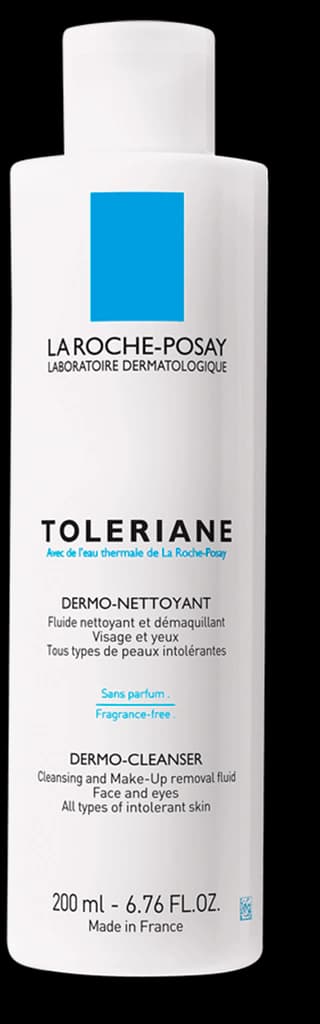
La Roche-Posay Toleriane Dermo-Cleanser
La Roche-Posay Toleriane Dermo-Cleanser is positioned as a market leader for intolerant and allergy-prone skin thanks to its ultra-minimal, fragrance-free formula and soothing thermal spring water. Its technical advantage is a highly pared-down ingredient list that reduces irritation risk compared with foaming gels and some multi-ingredient hydrators, and it commands a premium price that reflects pharmacy-brand trust and clinical positioning. Versus the other products listed, it prioritizes minimalism and tolerance over added moisturizers or low-cost mass-market positioning.
Simple Kind to Skin Refreshing Facial Wash Gel
Simple Kind to Skin Refreshing Facial Wash Gel is the value leader on this list, delivering a soap-free, fragrance-free gel that removes dirt with gentle surfactants at a very accessible price. Its primary advantage is affordability and straightforward formulation for mildly sensitive skin, though it lacks the barrier-repair ceramides or thermal spring water found in some competitors and may be less hydrating for very dry or barrier-compromised skin. Compared with the clinically oriented options, it is the most budget-friendly choice for everyday use with modest sensitivity.
£3-6 GBP
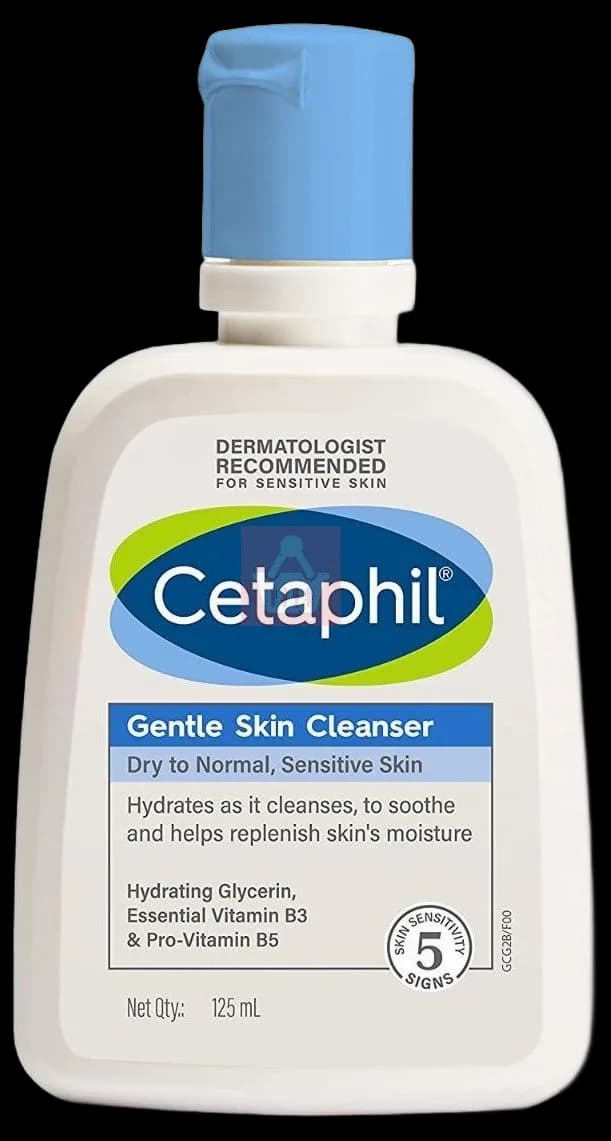
Cetaphil Gentle Skin Cleanser
Cetaphil Gentle Skin Cleanser is a long-standing market leader for sensitive skin due to its super-mild surfactant system, pH-balanced, non-foaming formula and versatility for use with or without water. Technically it offers clinic-proven tolerability and a middle-ground price point that balances accessibility with perceived medical endorsement, making it preferable for barrier-compromised skin when compared to lighter gels or purely cosmetic cleansers. Financially and functionally, it occupies the dependable, widely recommended position between ultra-budget and premium pharmacy brands.
£7-11 GBP
What the research says about gentle cleansers
Scientific and dermatology research supports the approach of using mild, low-irritant cleansers for sensitive skin. Studies and clinical guidance emphasise maintaining an appropriate skin pH, avoiding strong anionic surfactants that strip lipids, and using formulations that support barrier repair. Evidence shows that syndet-based cleansers and formulations containing ceramides or humectants reduce transepidermal water loss and improve comfort compared with harsh soaps. Research also highlights that fragrance and certain preservatives are common triggers for irritation, so fragrance-free and minimal-ingredient formulas lower the risk of reaction. While individual responses vary, the overall findings back gentle, evidence-informed formulation strategies.
Skin barrier health is central: cleansers that preserve lipids and pH help reduce sensitivity and water loss.
Mild surfactants such as non-ionic or amphoteric types are less stripping than traditional soap or strong anionic surfactants.
Ceramides, fatty acids and cholesterol in cleansers or follow-on moisturisers support barrier repair and reduce irritation over time.
Fragrance is a frequent cause of contact irritation; fragrance-free products show lower rates of reported reactions in clinical settings.
Microbiome-friendly approaches are emerging: cleansers that avoid antimicrobial overuse help preserve the skin's beneficial microbes.
Clinical trials and dermatology consensus favour evidence-backed ingredients over marketing terms like 'natural' as the main guide for sensitive skin.
Frequently Asked Questions
What is the best cleanser for sensitive, dry skin?
For dry, sensitive skin the CeraVe Hydrating Cleanser is the top pick here (4.6 average rating): its three ceramides and hyaluronic acid cleanse without stripping and help rebuild the skin barrier, typically around £8–12. The Cetaphil Gentle Skin Cleanser is a close, equally gentle alternative.
Should a sensitive-skin cleanser be fragrance-free?
Yes. Fragrance is one of the most common triggers of contact irritation, so dermatology guidance favours fragrance-free, minimal-ingredient formulas. Note that fragrance-free and unscented are not the same thing: an unscented product can still contain a masking fragrance to cover a raw-ingredient smell. Check for 'parfum' or 'fragrance' in the ingredient list rather than trusting the front of the pack.
Do 'hypoallergenic' and 'dermatologist-tested' labels mean a cleanser is safe for sensitive skin?
No. Neither term is regulated in the UK and no fixed standard or certification sits behind either one. 'Dermatologist-tested' means only that a dermatologist was involved in some testing — it does not tell you what the result was, or that anyone with sensitive skin was tested. Judge a cleanser on its ingredient list instead: no added fragrance, mild surfactants, and barrier ingredients such as ceramides, glycerin or niacinamide.
What is the best budget sensitive-skin cleanser?
Simple Kind to Skin Refreshing Facial Wash Gel is the value pick at around £3–6—a soap-free gel for mildly sensitive skin, though it is lighter on barrier-repair ingredients than the ceramide-based creams.
Conclusion
Sensitive skin cleansers should combine gentle, tested formulation with clear ingredient information to meet the needs of UK consumers. The five picks above span barrier-repair creams, soothing milk cleansers and budget-friendly gels, so you can match a cleanser to your sensitivities, preferences and sustainability priorities. We hope you found the information useful — refine or expand your search using the site search or filters to find cleansers tailored to your skin type and concerns.