Foaming Cleansers UK Guide 2026 — Top 7 Options
Published on Tuesday, 27 January 2026
Foaming cleansers are a popular category in UK skincare for their light, airy texture and ability to lift oil, makeup and urban pollutants from the skin without the heavy feel of a balm or oil. They are especially appealing to people with oily, combination or congested skin who want a fresh, clean finish. In recent years UK shoppers have also prioritised gentle formulas, pH-balanced products, sustainable packaging and microbiome-friendly claims, so modern foaming cleansers often combine mild surfactants with hydrating and barrier-supporting ingredients. This guide compares seven well-regarded foaming and gel cleansers available in the UK for 2026 — spanning affordable pharmacy staples like CeraVe and Cetaphil, dermatologist favourites such as La Roche-Posay, and premium options from Fresh and Drunk Elephant — so you can match a formula to your skin type, routine and budget.
Top Picks Summary
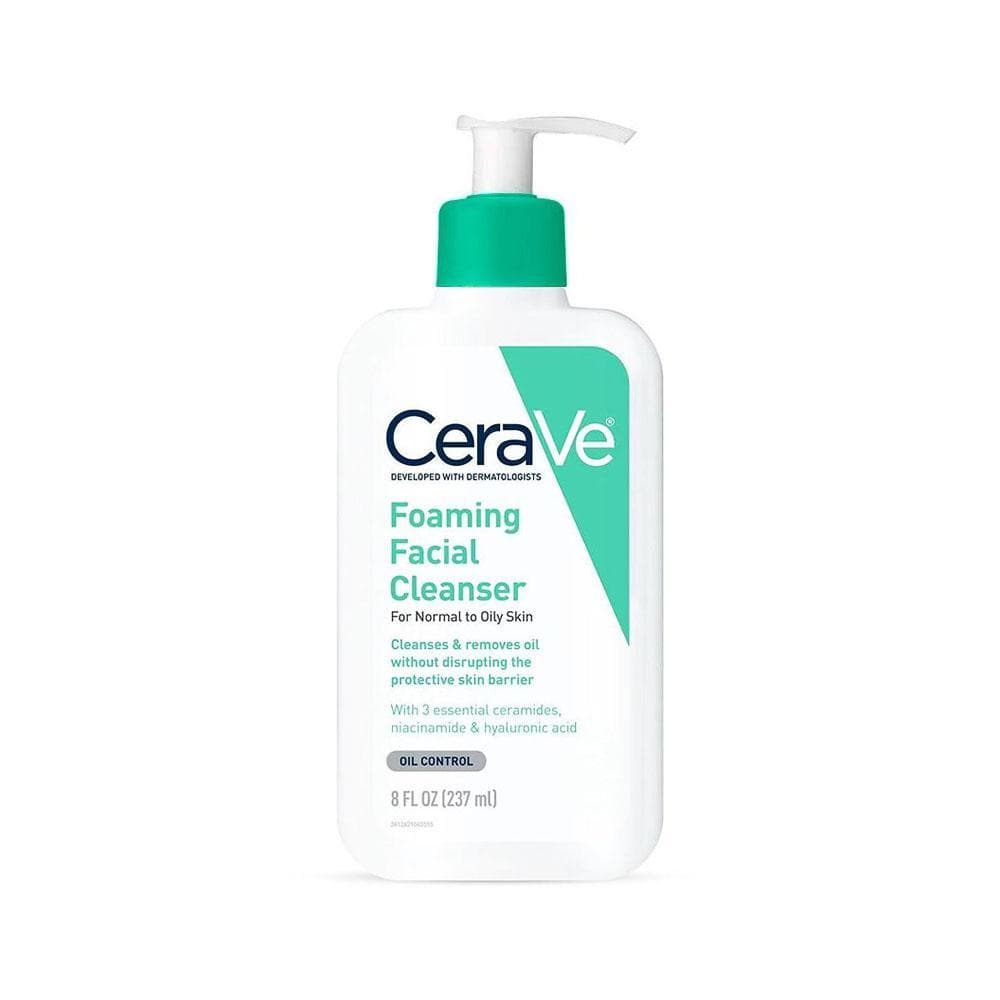
CeraVe Foaming Cleanser
CeraVe Foaming Cleanser is a best-in-class, dermatologist-developed option that combines gentle foaming surfactants with ceramides and hyaluronic acid to cleanse without disrupting the skin barrier. Its technical advantage—clinical, barrier-repairing actives at a mass-market price—makes it a financially accessible choice compared with higher-priced department-store and prestige foaming options on this list. Compared to non-foaming or oil-based cleansers here, it delivers a reassuring foaming experience while prioritizing moisture retention for normal to oily skin.
£8 – £12
La Roche-Posay Toleriane Purifying Foaming Cleanser
La Roche-Posay Toleriane Purifying Foaming Cleanser is a pharmacy-backed French formula tailored for sensitive, combination, and oily skin, offering a balanced foam that removes impurities with minimal irritation. Its formulation leverages soothing thermal spring water and tight pH control, positioning it as a clinical mid‑range alternative to drugstore foams while often commanding a modest premium for perceived dermatological credibility. Versus richer or oil-based cleansers in this set, it excels at oil control without excessive dryness.
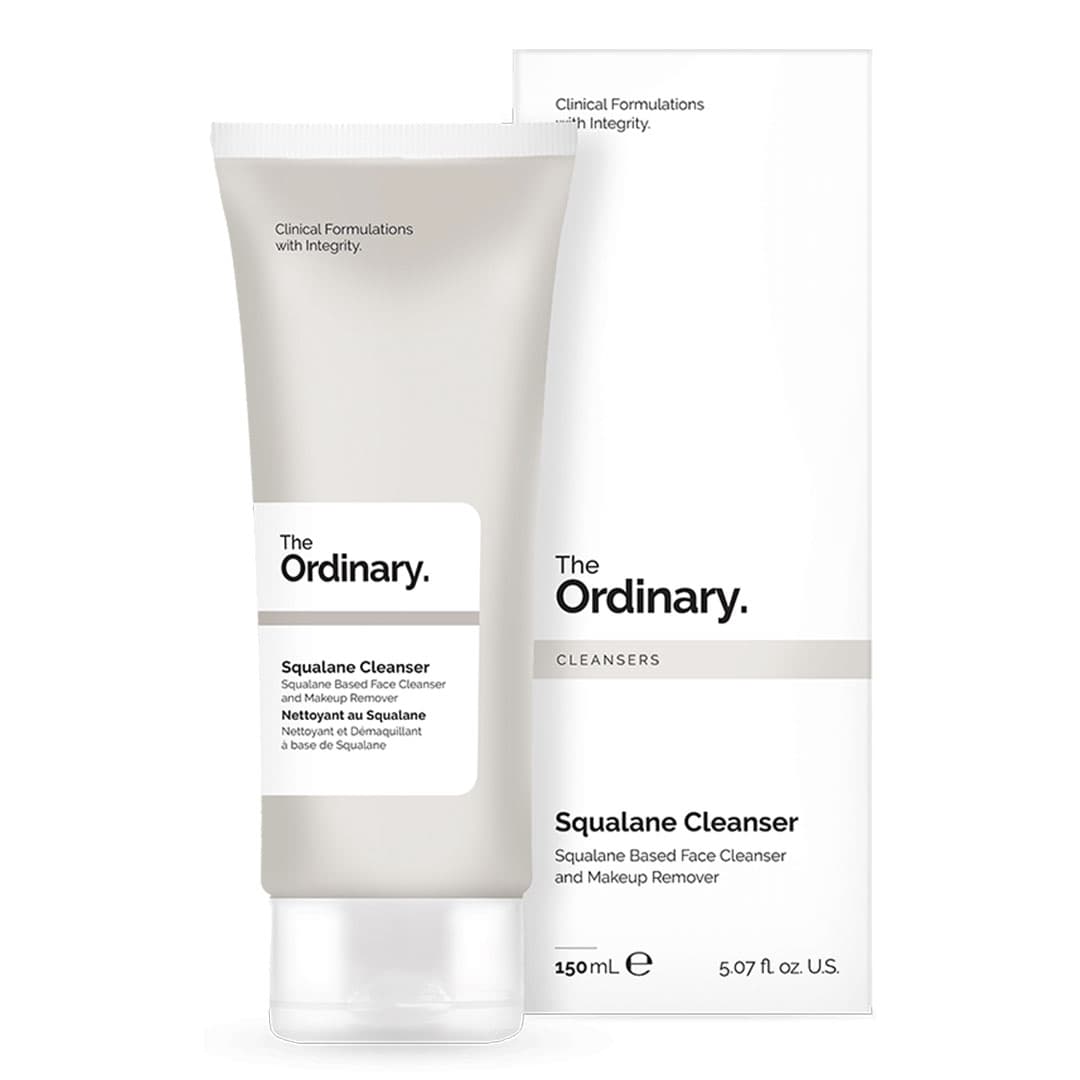
The Ordinary Squalane Cleanser
The Ordinary Squalane Cleanser is an affordable, non-foaming oil-based cleanser that dissolves makeup and sebum while leaving skin hydrated—a technical outlier in a foaming cleanser roundup but a valuable first-step option for double-cleansing routines. Its major financial advantage is aggressive low pricing paired with a simple, high‑concentration ingredient focus, making it a cost-effective complement to foaming second cleanses like CeraVe or La Roche-Posay. Compared to foaming gels here, it prioritizes lipid-friendly removal over mechanical foam and is ideal for dry or sensitized skin.
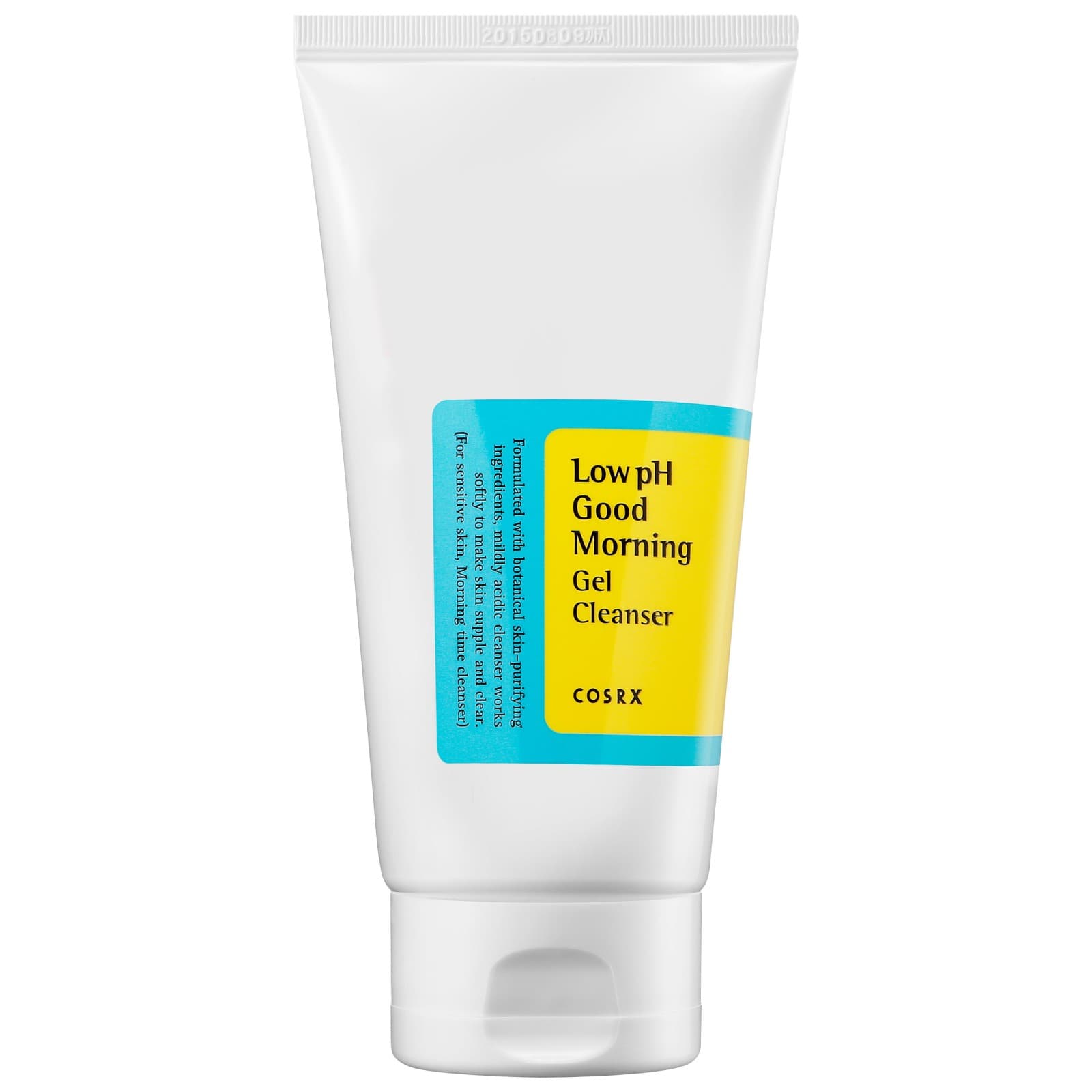
COSRX Low pH Good Morning Gel Cleanser
COSRX Low pH Good Morning Gel Cleanser is a Korean, low‑pH foaming gel formulated to preserve the acid mantle while effectively clearing oil and surface impurities—making it a standout technical choice for acne-prone or combination skin. Its formulation strategy prioritizes exfoliation-friendly pH and gentle surfactants, often giving it an edge over harsher foams for users focused on barrier health and blemish control, and it occupies a competitive mid-market price point versus premium prestige cleansers. In routines it pairs well after an oil cleanser like The Ordinary for balanced double cleansing.
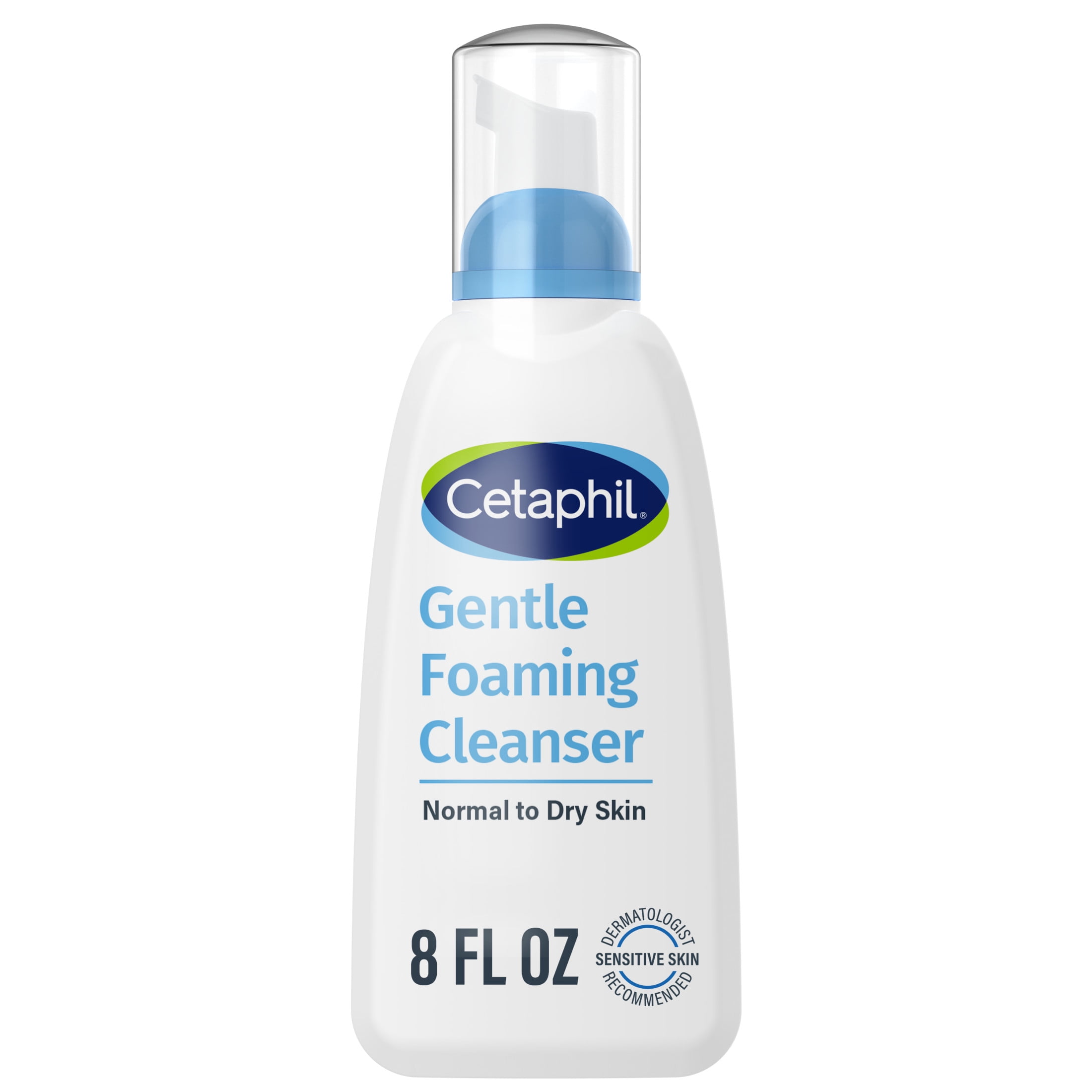
Cetaphil Gentle Foaming Cleanser
Cetaphil Gentle Foaming Cleanser is a widely recommended, economical foaming option known for a no-frills, low-irritation formula trusted in clinical and consumer settings. Its financial accessibility and broad availability make it a market leader for everyday use, though it forgoes some of the targeted actives (ceramides, thermal waters, botanicals) found in pricier competitors. Compared to trend-forward or luxe foams on this list, Cetaphil emphasizes dependable, budget-friendly cleansing for sensitive and normal skin types.
Fresh Soy Face Cleanser
Fresh Soy Face Cleanser is a premium, gentle gel cleanser that produces a soft lather and uses soy proteins and botanical extracts to dissolve makeup and soothe skin, appealing to those who prefer a sensorial, luxe cleansing experience. Financially it sits at the high end versus drugstore foams, but its technical benefit is a refined, mild formulation that works well for all skin types and removes eye makeup without aggressive surfactants. Against other foaming and non-foaming options here, Fresh is a luxe everyday choice for users willing to pay extra for botanical-driven formulations and brand positioning.

Drunk Elephant Beste No. 9 Jelly Cleanser
Drunk Elephant Beste No. 9 Jelly Cleanser is a modern, jelly-to-foam cleanser that uses gentle surfactants and a minimalist ingredient philosophy to provide effective cleansing without stripping, appealing to clean-beauty consumers. It occupies the premium price tier and leverages trendy, skin-compatible actives and tight formulation rules as its technical selling point, standing out versus mass-market foams by marketing ingredient transparency and skin-friendliness. Compared with oil-based or pharmacy options on this list, Beste No. 9 balances a satisfying foam with restraint on potentially irritating additives.

What the Science Says About Foaming Cleansers
Scientific research indicates that foaming cleansers can be effective at removing sebum, sunscreen and particulate pollution when formulated with appropriate surfactants. Effectiveness depends less on foam volume and more on the type and concentration of surfactants, the cleanser pH and supporting ingredients that protect the skin barrier. Dermatology guidance stresses choosing mild, low-irritant surfactants and hydrating additives like glycerin, ceramides or panthenol, especially for sensitive or dry skin. Emerging studies also highlight the importance of preserving the skin microbiome by avoiding overly harsh formulations and by using cleansers that respect skin pH.
Foam is a sensory product property, not a direct indicator of cleansing power or safety.
Mild surfactants such as amphoteric and nonionic types tend to cause less barrier disruption than strong anionic surfactants at high concentrations.
Cleanser pH close to the skin's natural pH (around 4.5 to 5.5) supports the acid mantle and reduces irritation risk.
Adding humectants and barrier lipids, like glycerin and ceramides, helps offset potential dryness from cleansing.
Clinical and consumer studies emphasise that frequency and technique of cleansing affect outcomes as much as the product formula.
For acne-prone or oily skin, foaming cleansers can reduce surface oil and help topical actives penetrate; for dry or sensitive skin, low-foam or creamy alternatives are often recommended.
Frequently Asked Questions
Which foaming cleanser suits oily, acne-prone UK skin best?
CeraVe Foaming Cleanser suits oily, acne-prone skin best because it’s fragrance-free, non-comedogenic, and uses a foaming gel to remove excess oil without disrupting the skin barrier; it’s rated 4.6 and includes ceramides and niacinamide to restore and calm skin.
Does La Roche-Posay Toleriane Purifying foaming cleanser have pH-balanced?
Yes—La Roche-Posay Toleriane Purifying Foaming Cleanser is soap-free, fragrance-free, and pH-balanced to protect the skin barrier; it includes La Roche-Posay thermal spring water and niacinamide, and it’s rated 4.5.
Is CeraVe Foaming Cleanser better value than La Roche-Posay?
On price, CeraVe Foaming Cleanser is the better value: it’s listed from around £11.81 here, well below La Roche-Posay Toleriane Purifying Foaming Cleanser at about £26.50. Both are dermatologist-backed and gentle, but CeraVe’s ceramide-and-niacinamide formula and 4.6 rating make it the stronger everyday pick for the money, while La Roche-Posay (rated 4.5) is worth the premium mainly if you have sensitive or reactive skin that benefits from its soothing thermal-water formula.
Who should choose The Ordinary Squalane Cleanser instead?
Choose The Ordinary Squalane Cleanser instead if you want a non-foaming, oil-based first step: it melts makeup and sebum with a squalane-rich formula, leaves skin hydrated and soft, and rinses to a non-greasy finish; it’s rated 4.3.
Conclusion
In summary, foaming cleansers remain a relevant and versatile category in the UK market for 2026, especially for oily and combination skin types and for shoppers who value lightweight textures and modern sustainability claims. For most people, an affordable, barrier-supporting foam such as CeraVe offers the best all-round value, while sensitive skin tends to do better with the soothing La Roche-Posay Toleriane, and those after a luxe sensorial wash may prefer Fresh or Drunk Elephant. If you want a non-foaming first step for double cleansing, The Ordinary Squalane Cleanser pairs well with any of the gels here. We hope this guide helped you understand foaming cleansers and how to choose one that suits your skin and values.