Jessner's Peel UK Guide — Top 5 Options for 2026
Published on Monday, 26 January 2026
Jessner's peel is a medical-grade chemical peel combining salicylic acid, lactic acid and resorcinol in an ethanol base to exfoliate the skin, treat acne, reduce pigmentation and refresh texture. In the UK market, consumers are drawn to Jessner's peel for its predictable results, relatively short recovery time and versatility across common skin concerns such as acne, post-inflammatory hyperpigmentation and mild photoageing. Preference trends in 2026 show UK clients choosing clinician-delivered peels performed by dermatologists and regulated practitioners, prioritising safety, patch testing and personalised concentrations. Demand is also shaped by a focus on evidence-backed treatments, clear aftercare instructions and transparent pricing, with many people comparing clinic credentials and before-and-after outcomes before booking.
Top Picks Summary
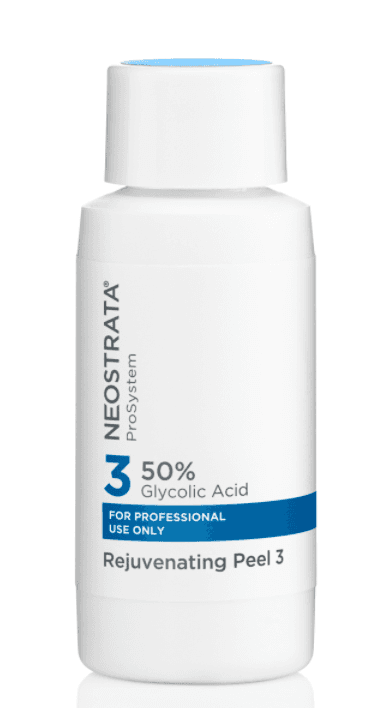
NeoStrata ProSystem Jessner Peel
NeoStrata ProSystem Jessner Peel holds a market-leader position for true Jessner treatments because it is formulated and distributed as a clinic-grade peel with a long history of dermatological use and predictable outcomes. It is typically more expensive and clinic-restricted than consumer options like The Ordinary or Medik8, but that higher cost is paired with stronger professional oversight and consistent results, making it the go-to Jessner option for practitioners seeking reliably deep resurfacing. Compared with Enerpeel and Dermalogica, NeoStrata’s advantage is its established clinical pedigree and widespread recognition among dermatologists.
How Jessner's Peel Works and What the Research Says
Jessner's peel uses a trio of active acids to loosen and remove the outer layers of dead skin cells, stimulate epidermal renewal and promote a smoother, more even complexion. Salicylic acid acts as a lipophilic beta-hydroxy acid that helps clear blocked pores and reduce acne, lactic acid provides mild exfoliation and hydration through alpha-hydroxy action, and resorcinol supports keratolytic and pigment-lightening effects. Clinical reviews and dermatology literature support the use of chemical peels, including Jessner-type formulations, for improving acne, reducing superficial hyperpigmentation and enhancing skin texture when delivered by trained professionals. For safety and best results, UK guidance recommends an assessment by a qualified practitioner, an appropriate patch test, and aftercare to reduce risks such as prolonged irritation or pigment changes.
Primary actives: salicylic acid (beta-hydroxy), lactic acid (alpha-hydroxy) and resorcinol; combined effect increases exfoliation and renewal.
Evidence base: dermatology reviews and clinical studies indicate chemical peels can improve acne, mild photoageing and superficial hyperpigmentation when used appropriately.
Safety notes: effectiveness and risk depend on concentration, number of layers and skin type; higher caution is advised for darker skin tones to avoid post-inflammatory hyperpigmentation.
Practical guidance: always consult a registered clinician, request a patch test and follow written aftercare instructions, including sun protection.
Consult reputable UK sources such as the British Association of Dermatologists and NHS guidance for clinical standards and patient information.
Conclusion
In the UK context, Jessner's peel remains a trusted clinical option for targeted exfoliation and improvement of acne and surface pigmentation. We hope this guide helped you understand the treatment and how it fits UK preferences for safe, evidence-informed care. If you did not find what you were looking for, try refining or expanding your search using the site search to compare clinics, concentrations and practitioner qualifications.