Chemical Peels UK 2026 — Top 3 Professional and At-Home Picks
Published on Monday, 26 January 2026
Chemical peels are a widely used non-surgical skin treatment in the UK that improve texture, reduce pigmentation, clear acne, and soften fine lines by removing the top layers of skin and stimulating collagen renewal. Demand in 2026 reflects consumer preference for targeted, evidence-based treatments that deliver visible results with predictable downtime. UK clients choose chemical peels because they can be tailored to skin type and concerns, delivered by regulated clinics or pursued as gentle at-home options, and combined safely with other therapies like microneedling and medical-grade skincare. Regulatory standards, growing clinician training, and clearer labeling of peel strengths have increased public confidence, while advances in formulations prioritise barrier repair and minimising irritation — a key consideration for sensitive and diverse skin tones across the UK market.
Top Picks Summary
What the Research Says About Chemical Peels
Chemical peels work by controlled exfoliation. Superficial peels (alpha hydroxy acids like glycolic or lactic, and beta hydroxy acids like salicylic) primarily target the epidermis and are effective for acne, mild pigmentation and skin texture. Medium-depth peels (trichloroacetic acid at lower concentrations) reach the upper dermis and are used for deeper pigmentation and fine lines. The strongest peels, such as phenol, are used less frequently due to higher risk and longer recovery, and they require specialist settings. Clinical studies and reviews support the efficacy of peels for common issues: salicylic acid reduces inflammatory acne lesions, glycolic acid improves smoothness and hyperpigmentation, and TCA can improve superficial scarring and dyschromia when used by experienced clinicians. Modern approaches emphasise proper skin assessment, pre- and post-peel care, sun protection, and conservative layering to reduce complications, making chemical peels safer and more predictable.
Superficial AHA and BHA peels have randomized controlled trial evidence showing improvement in acne and surface pigmentation with minimal downtime.
TCA peels (medium-depth) demonstrate clinical benefit for superficial scarring and photoaging but carry higher risk of post-inflammatory pigment changes on darker skin tones, so careful patient selection is essential.
Combination protocols (peels plus topical retinoids or professional devices) show additive benefits in trials for texture and collagen stimulation.
Research highlights the importance of preconditioning skin (for example with retinoids or sunscreen) and strict post-peel photoprotection to reduce complications and prolong results.
Recent studies focus on formulations that include barrier-supporting ingredients and anti-inflammatories to lower irritation while preserving efficacy.
Frequently Asked Questions
Which chemical peel should I choose for daily glow?
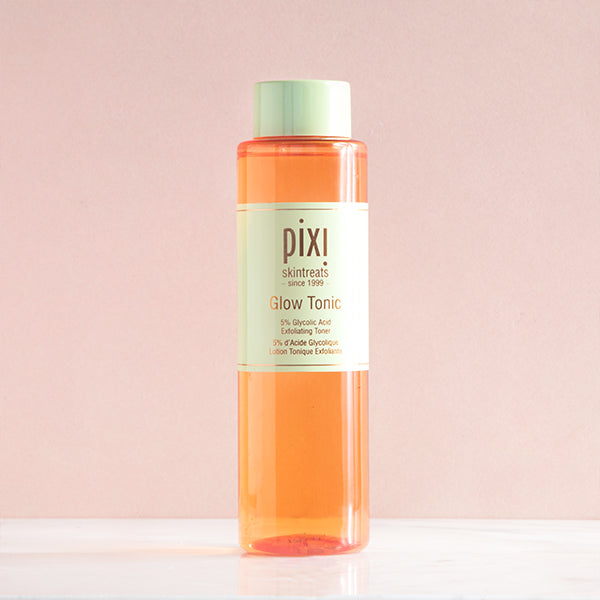
Choose Pixi Glow Tonic for daily glow: it’s a 5% glycolic acid toner with aloe vera and ginseng, rated 4.5, and made for gentle exfoliation and calm brightening with quick morning use.
What strength is Pixi Glow Tonic glycolic acid?
Pixi Glow Tonic contains 5% glycolic acid to gently exfoliate and boost radiance, and it includes aloe vera plus ginseng, rated 4.5.
How does The Ordinary AHA 30% + BHA 2% peel compare on price?
The provided product data doesn’t include any prices for Pixi Glow Tonic, The Ordinary AHA 30% + BHA 2% Peeling Solution, or PRX-T33 Biorevitalizing Peel, so I can’t compare UK prices or value.
Is PRX-T33 suitable if I want minimal visible peeling?
PRX-T33 Biorevitalizing Peel is designed to stimulate dermal remodelling without classic visible peeling, rated 4.7, with “quick downtime” noted in its benefits; the data doesn’t list a warranty duration.
Conclusion
Whether you are looking for a gentle maintenance peel or a clinic-based treatment for specific concerns, the UK market in 2026 offers eight standout options that balance safety, results and convenience. We hope you found what you were looking for — use the site search to refine by skin concern, downtime, or treatment setting, or expand your search to compare costs and clinic reviews.