Enzyme Exfoliators — Top 5 Picks in the UK for 2026
Published on Monday, 26 January 2026
Enzyme exfoliators are a gentle, enzyme-based approach to removing dead skin cells and smoothing texture without the harsh abrasion or strong acids of traditional scrubs. Popular enzyme ingredients include papain from papaya, bromelain from pineapple, and pumpkin enzymes, which work by breaking down the proteins that bind dead skin cells to the surface. In the UK market consumers increasingly choose enzyme exfoliators for their low-irritation profiles, suitability for sensitive or reactive skin, and compatibility with daily skincare routines. Trends driving demand include a preference for 'clean' and microbiome-friendly formulations, sustainable and refillable packaging, and products that are dermatologically tested and fragrance-free. Whether shoppers are replacing weekly physical scrubs or looking for a milder alternative to AHAs and BHAs, enzyme exfoliators appeal to those seeking smoother, brighter skin with less downtime.
Top Picks Summary
Medik8 Liquid Enzymes
Medik8 Liquid Enzymes stands out as a concentrated, plant-enzyme based exfoliant designed for controlled, gentle resurfacing; its technical edge is a highly concentrated enzyme formulation that targets dead skin without the surface irritation often seen with stronger AHAs. Compared with the spa-style Elemis peel and the potent acid treatments in this list, Medik8 offers a middle ground—more targeted enzymatic action than drugstore tonics and a more cost-effective, reusable dosing model than one-off professional peels.

£30 – £45
Elemis Papaya Enzyme Peel
Elemis Papaya Enzyme Peel is a spa-grade enzymatic mask prized for immediate smoothing and visible radiance, leveraging fruit-derived enzymes to break down dulling skin cells with a sensorial, professional feel. It holds a market-leader position for in-spa performance and perceived luxury; financially it sits at a premium above daily-use tonics like Pixi or REN, but technically it delivers faster, salon-like results that justify its higher price for users seeking occasional intensive enzyme exfoliation.
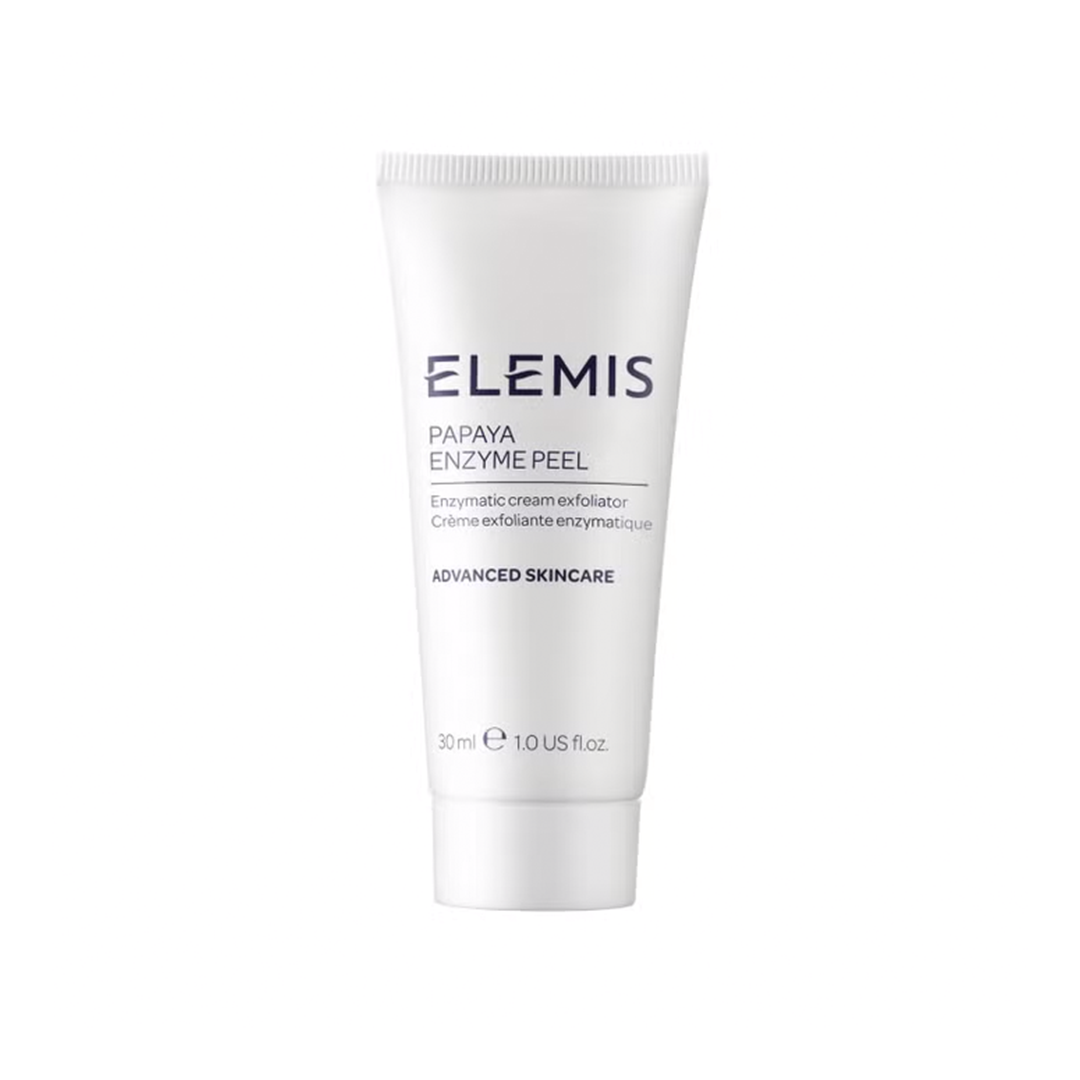
£28 – £40
REN Ready Steady Glow Daily AHA Tonic
REN Ready Steady Glow Daily AHA Tonic is a daily, lactic/glycolic acid–based exfoliant formulated for regular use to keep texture and tone balanced without the need for frequent peels, making it technically distinct from true enzyme products on this list. Its advantage is accessibility and mild, cumulative results at a mid-market price point; compared with single-use enzyme peels and premium serums, REN offers reliable daily maintenance that can reduce the need for costlier, intensive treatments over time.
£20 – £30
Pixi glow tonic
Pixi Glow Tonic is a widely available, budget-friendly glycolic acid tonic known for approachable, visible brightening and exfoliation—technically a chemical AHA exfoliant rather than an enzyme, but often paired with enzymes for layered exfoliation routines. It holds a leadership spot for value and mass-market reach: while not as gentle or targeted as Medik8's enzymes or as luxurious as Elemis, Pixi provides cost-effective, daily resurfacing that makes it a common entry point for consumers exploring exfoliation.

Sunday Riley Good Genes All-In-One Lactic Acid Treatment
Sunday Riley Good Genes All-In-One Lactic Acid Treatment is a potent, premium lactic-acid formula that delivers strong brightening and resurfacing benefits with clinical-grade efficacy, positioning it above basic tonics and alongside professional peels in terms of results. Financially it is a high-end option, but technically it offers concentrated, fast-acting chemical exfoliation that many users prefer over enzymes for stubborn texture issues, making it the go-to for consumers willing to pay more for noticeable, rapid improvement.
£60 – £95
Why enzymes help the skin: simple science and supporting evidence
Enzyme exfoliators act through proteolytic activity: enzymes selectively break the peptide bonds that hold dead skin cells together, which loosens and removes the outer layer without the mechanical friction of scrubs or the acid burn sometimes associated with high-strength chemical exfoliants. Clinical and laboratory studies generally show that enzyme-based exfoliation can improve skin texture and tone while producing less redness and barrier disruption than aggressive mechanical or strong acid peels. Research also supports using enzyme products at appropriate concentrations and formulations to preserve the skin barrier and maintain hydration. For people with sensitive or compromised skin, enzyme exfoliators are often recommended as a first step before introducing stronger actives.
How they work: Proteolytic enzymes like papain and bromelain break down proteins that bind dead cells, enabling gentle sloughing of the stratum corneum.
Tolerance: Studies and dermatological testing indicate lower irritation and fewer microtears compared with physical scrubs and some high-strength acid peels.
Results: Regular, gentle use can improve smoothness, reduce patchy dullness and help active ingredients penetrate more evenly.
Formulation notes: Enzyme activity depends on pH, temperature and proper formulation. Many consumer products include stabilizers and buffering systems to keep enzymes effective and skin-friendly.
Usage guidance: Typical recommendations are 1 to 3 times per week for enzyme masks or 2 to 4 times per week for leave-on enzyme formulations, but users with reactive skin should patch test and follow product instructions.
Safety: Patch testing and dermatologist advice are recommended for very sensitive or compromised skin. Enzyme formulas are often marketed as suitable for a wide range of skin types but may be combined with other actives only under guidance.
Frequently Asked Questions
Which enzyme exfoliator is best for sensitive skin types?
Medik8 Liquid Enzymes is the ideal choice for sensitive skin because its water-based, non-abrasive formula is specifically designed to encourage cell turnover without causing surface irritation.
What is the average customer rating for Elemis Papaya Enzyme Peel?
The Elemis Papaya Enzyme Peel holds an average rating of 4.5 stars, reflecting its popularity as a spa-grade mask that uses papaya-derived papain enzymes to brighten and soften skin texture.
Does the REN Ready Steady Glow Tonic use fruit enzymes?
The REN Ready Steady Glow Daily AHA Tonic does not use fruit enzymes, as it is technically distinct from enzyme products by using a lactic and glycolic acid blend to resurface the skin.
How does the Medik8 Liquid Enzymes formula feel on the skin?
Medik8 Liquid Enzymes features a lightweight, silk-smooth liquid feel that is designed to layer easily under your regular serums and moisturisers.
Conclusion
This category overview covers enzyme exfoliators available to UK shoppers in 2026 and explains why they are a popular, gentler alternative to stronger acids and physical scrubs. Currently there are no ranked 'top' picks listed on this page. If you did not find what you were looking for, please refine or expand your search by skin type, concern, certification or formulation, or check back later as new enzyme formulations and independently tested products continue to enter the UK market. We hope this guide helped you understand enzyme exfoliators and how they might fit into your skincare routine.