Dark Circle Eye Creams in the UK — 2026 Guide (Top 5 Picks)
Published on Monday, 26 January 2026
Dark circle eye creams are specialised skincare products designed to reduce the appearance of under-eye darkness, puffiness and fine lines. In the UK market for 2026 consumers look for lightweight formulas that target pigmentation, improve circulation and boost hydration. Popular ingredients include retinol and bakuchiol for cell turnover, vitamin C and niacinamide for brightening, caffeine for temporary de-puffing, peptides for skin structure and hyaluronic acid for immediate plumping. Shoppers in the UK tend to prefer clinically tested, fragrance-free options suitable for sensitive skin, cruelty-free and sustainably packaged products, and a clear balance between visible results and skin tolerance. This page is presented as a concise category guide for dark circle eye creams and highlights what shoppers should prioritise when choosing an effective under-eye product in 2026.
Top Picks Summary
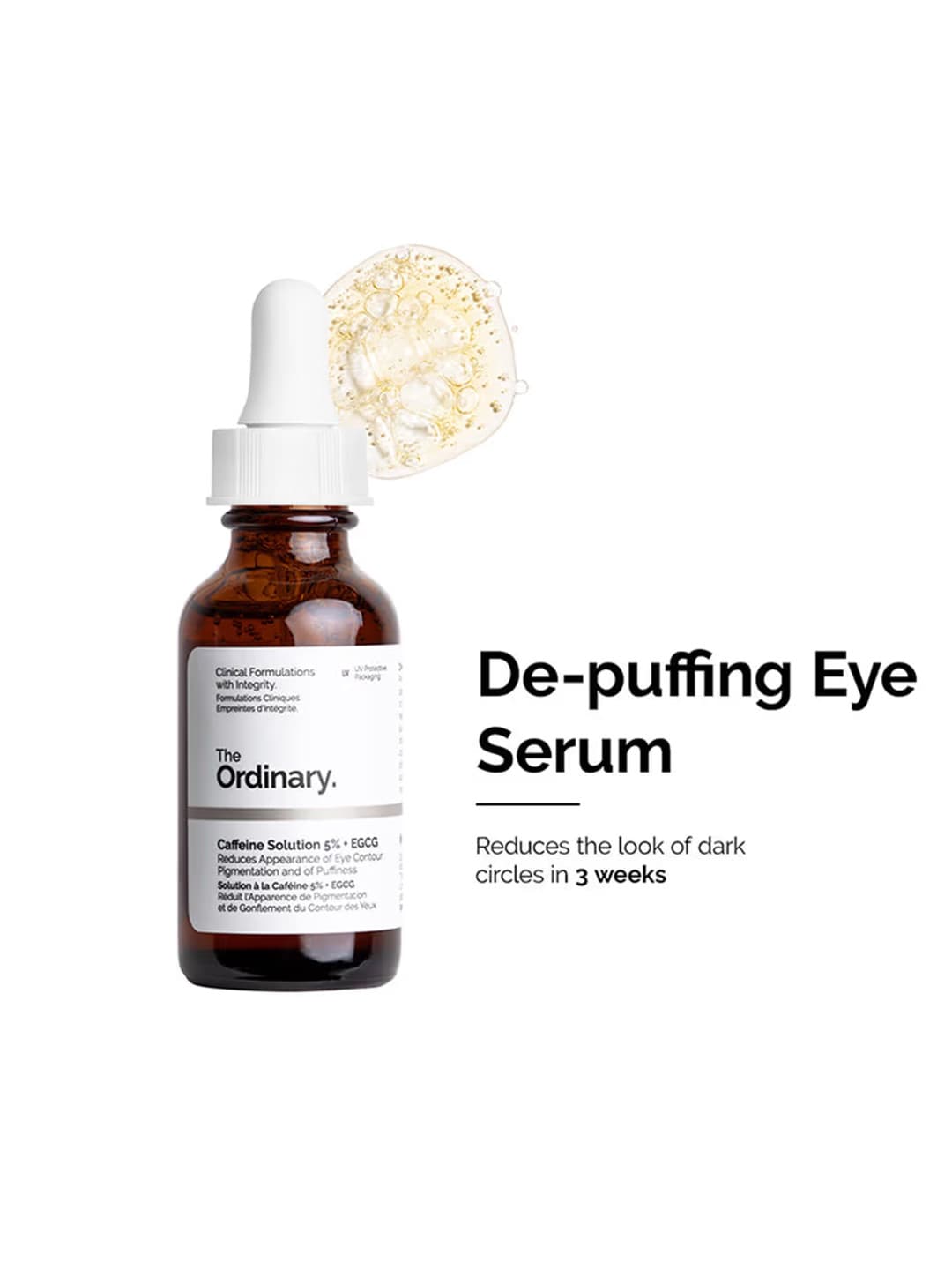
The Ordinary Caffeine Solution 5% + EGCG
The Ordinary Caffeine Solution 5% + EGCG is the budget-minded, high-potency choice: its 5% caffeine paired with EGCG provides targeted reduction in puffiness and the appearance of dark circles at a very low price. It holds this position because its clinical-style active concentration and minimal, ingredient-forward formula deliver quick visible effects that undercut pricier serums like No7 while offering a more direct vasoconstrictive approach than creamier barrier-focused options such as CeraVe or Olay.
£6 – £10
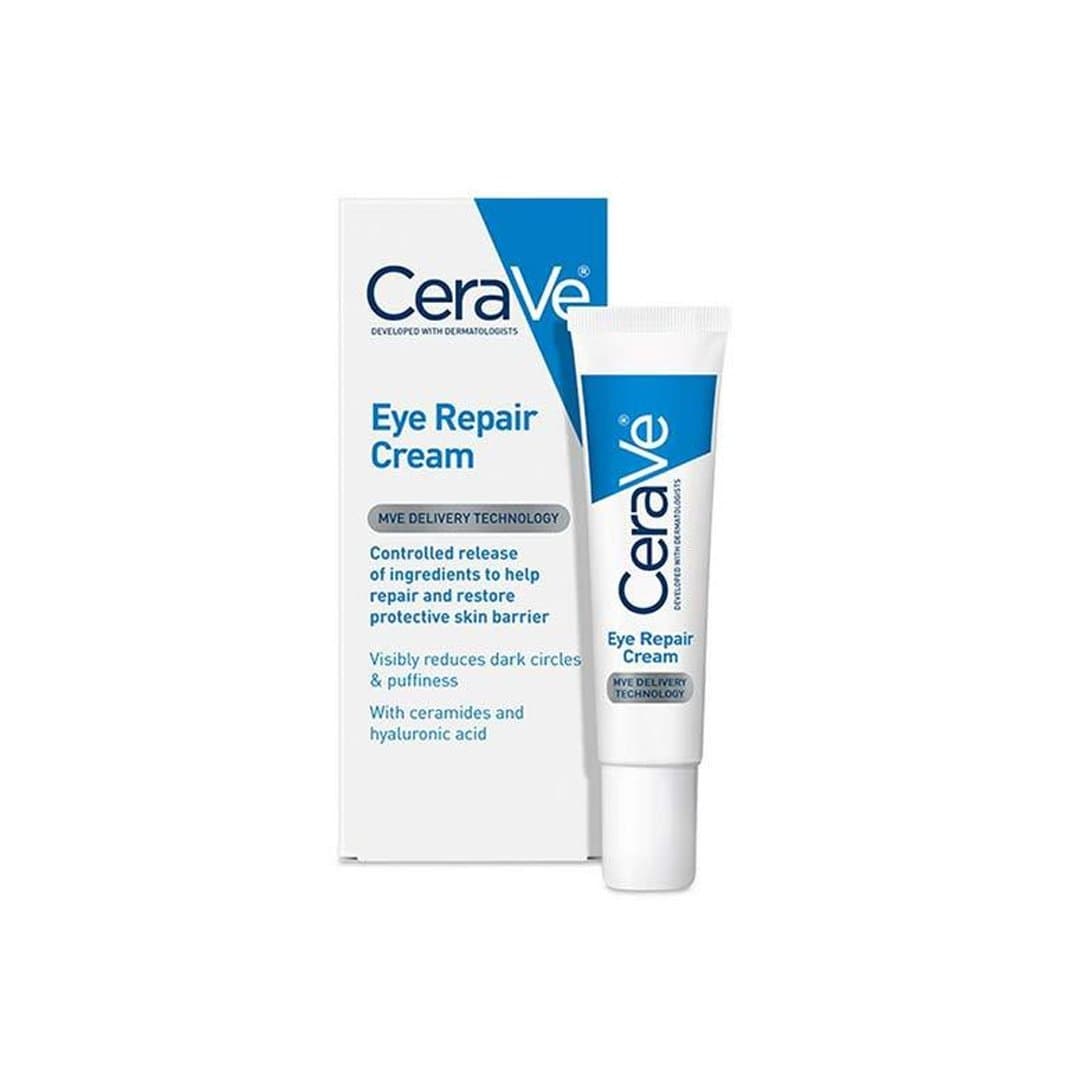
CeraVe Eye Repair Cream
CeraVe Eye Repair Cream is the barrier-repair and hydration leader, formulated with ceramides, hyaluronic acid and niacinamide to strengthen the delicate under-eye skin and improve crepey texture over time. Compared with caffeine-focused lightweight treatments (The Ordinary, INKEY), it trades immediate de-puffing for sustained moisture and barrier restoration, delivering strong dermatologist-backed value for sensitive or dry under-eyes.
£8 – £14
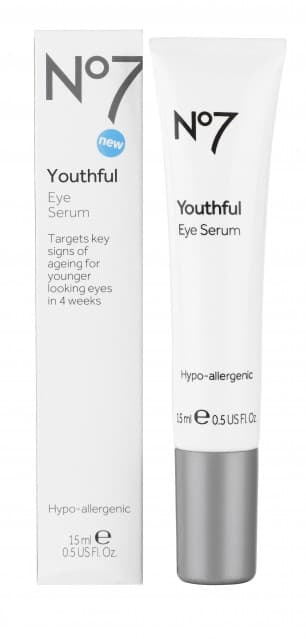
No7 Youthful Eye Serum
No7 Youthful Eye Serum is positioned as the anti-aging specialist in this set, using peptides and antioxidant actives to target fine lines, firmness and discoloration in addition to dark circles. It is priced above the more minimalist drugstore options but offers a broader anti-aging mechanism, making it a market-leading choice for shoppers who prioritize wrinkle reduction alongside brightening.
£18 – £30
The INKEY List Caffeine Eye Cream
The INKEY List Caffeine Eye Cream provides a cost-effective, fast-absorbing cream that combines caffeine with hydrating humectants to reduce puffiness and address mild darkness with a creamier finish. It competes directly with The Ordinary on affordability and intent but often appeals more to users who want a moisturizing texture closer to CeraVe or Olay without stepping up to premium pricing.

£8 – £12
Olay Eyes Brightening Eye Cream
Olay Eyes Brightening Eye Cream focuses on immediate optical brightening alongside longer-term skin benefits by blending niacinamide and light-reflecting technology to make dark circles appear less pronounced. It occupies a middle ground between budget actives and premium serums by offering an elegant skin-feel and wide retail availability, giving consumers a cosmetically pleasing, financially accessible option compared with both caffeine-centric and clinically oriented formulas here.

£10 – £20
How science backs common eye cream ingredients
Clinical studies and laboratory research explain how key ingredients in eye creams can help reduce dark circles, puffiness and early signs of ageing. Results vary by cause of dark circles — for example, pigmentation, thin skin revealing blood vessels, or fluid retention — so ingredient choice and realistic expectations matter. Below is a beginner-friendly summary of the evidence behind commonly used actives and practical guidance for safe use.
Retinol and bakuchiol: Multiple clinical trials show retinoids increase cell turnover and stimulate collagen production, which can thicken thin under-eye skin and reduce visibility of blood vessels. Use lower concentrations around the eye and introduce slowly to minimise irritation.
Vitamin C and niacinamide: Antioxidant and brightening agents like vitamin C and niacinamide can reduce pigment and even skin tone. Stable vitamin C formulations and consistent use are linked to gradual improvement in discolouration.
Caffeine: Studies indicate topical caffeine can provide short-term vasoconstriction and reduce fluid accumulation, delivering visible de-puffing and a temporary lightening effect.
Peptides: Peptide-containing creams support collagen synthesis and skin resilience. Evidence shows peptides can improve skin firmness and reduce fine lines with regular application.
Hyaluronic acid and moisturisers: Hydration plumps delicate under-eye skin immediately, making dark hollows less noticeable. Hyaluronic acid attracts and holds moisture, improving texture and appearance.
Safety and application tips: Eye area skin is thin and sensitive; patch testing, avoiding direct contact with the eye, using minimal quantities, and pairing active ingredients with gentle moisturisers reduce irritation risk. Always follow product instructions and consult a dermatologist for persistent or medically caused dark circles.
Frequently Asked Questions
Which eye cream is best for reducing under-eye puffiness?
The Ordinary Caffeine Solution 5% + EGCG is the best choice for puffiness because it contains 5% caffeine and EGCG to specifically target swelling and dark circles.
Does the CeraVe Eye Repair Cream contain any retinol?
CeraVe Eye Repair Cream does not contain retinol, making it a gentle option for those who cannot tolerate retinoids or are new to using them.
Is the No7 Youthful Eye Serum worth the higher price?
No7 Youthful Eye Serum is priced above minimalist drugstore options because it provides a broader anti-aging approach using peptide-rich actives to target fine lines, firmness, and discoloration.
What is the average rating for The Ordinary Caffeine Solution?
The Ordinary Caffeine Solution 5% + EGCG holds an average rating of 4.4 out of 5 stars from users.
Conclusion
Whether you are treating pigmentation, tiredness or structural hollows, choosing the right dark circle eye cream in the UK in 2026 means matching ingredients to the cause and your skin sensitivity. We hope this guide helped clarify what to look for. If you did not find exactly what you were seeking, refine or broaden your search using the site search to explore more products, ingredient guides and expert tips.