Gradual Tanners in the UK — 2026 Guide (Top 5 Picks)
Published on Monday, 26 January 2026
Gradual tanners are buildable self-tanning lotions, creams and serums that add a subtle, natural-looking tan over several applications. Popular across the UK in 2026, they appeal to consumers who want a low-commitment, skin-care-first approach to a sunless glow: gradual formulas reduce the risk of streaks, allow precise colour control and often combine moisturising and skin-nourishing ingredients. UK shoppers favour products that deliver an even, adjustable tint without strong odour, that work well with daily skincare routines, and that meet rising expectations on clean formulations, cruelty-free claims and sustainable packaging.
Top Picks Summary
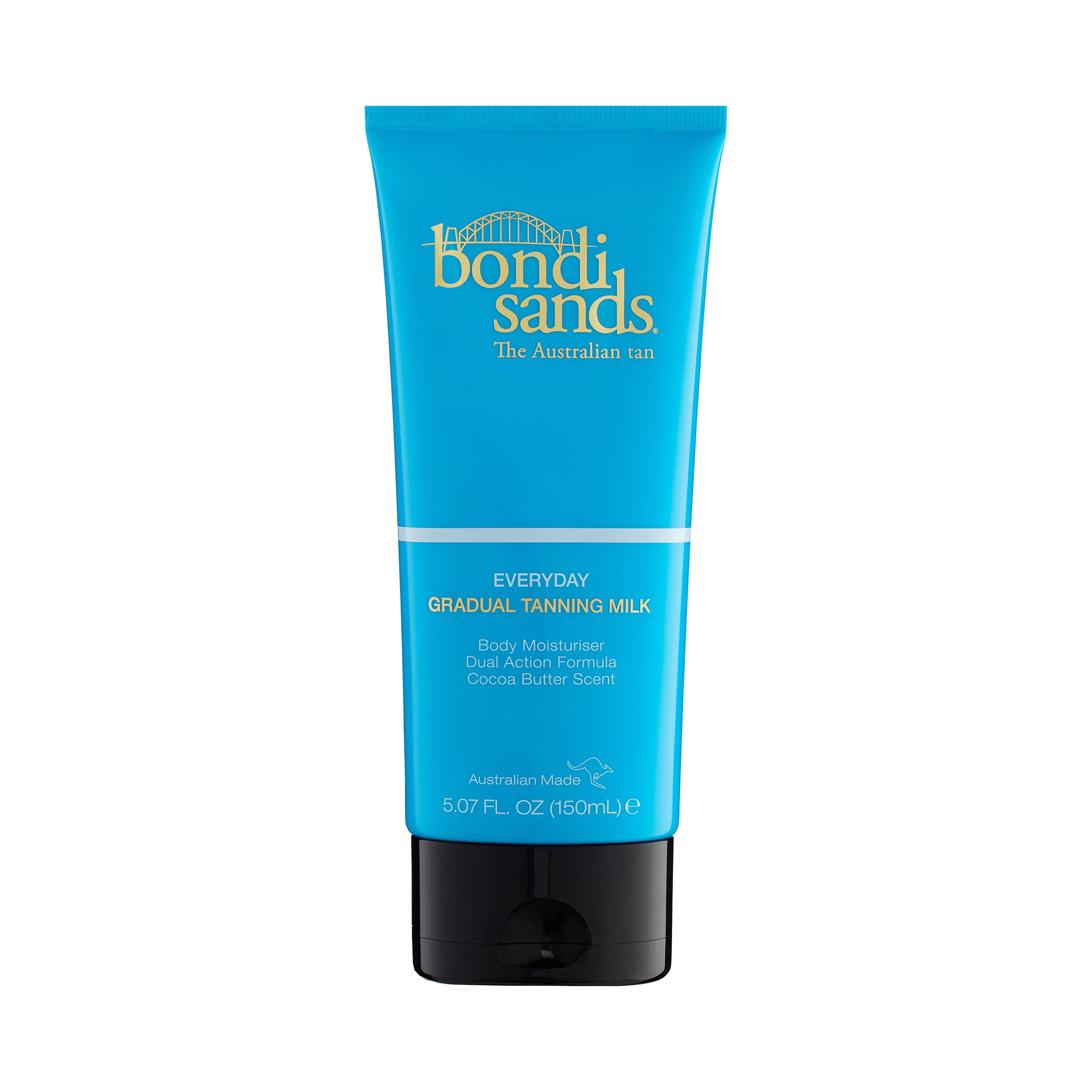
Bondi Sands Everyday Gradual Tanning Milk
Bondi Sands Everyday Gradual Tanning Milk earns a best-in-class spot for gradual tanners thanks to its lightweight, hydrating milk that builds an even, natural-looking glow over several applications while remaining budget-friendly and widely available. Compared with the pricier, faster-developing formulas like St. Tropez, Bondi Sands prioritises daily skin comfort and predictable buildability, making it a strong technical and value choice for users who want steady, low-risk colour development.
How gradual tanners work and the evidence behind them
Gradual tanners rely mainly on dihydroxyacetone (DHA), a sugar that reacts with amino acids in the outermost skin layer to create a temporary browning effect. Scientific and dermatological reviews support DHA as an effective and generally safe topical tanning agent when used as directed. Research also shows that combining DHA with moisturisers and humectants improves the evenness and longevity of the tan and reduces flaking and patchiness.
Mechanism: DHA reacts with dead skin cells in the stratum corneum to produce a brown pigment; results last until natural exfoliation removes the treated cells.
Concentration and rate: Gradual tanners use lower DHA concentrations or lower application frequency to allow buildable colour over days, offering more control than one-off bronzers.
Moisturisation benefits: Clinical and consumer studies indicate that formulations with glycerin, hyaluronic acid or emollients improve application, reduce streaking and comfort for dry or sensitive skin types.
Safety notes: Topical DHA is widely regarded as safe for skin application, but it does not provide UV protection—daily sunscreen remains essential.
Best practice: Patch testing before full use, avoiding inhalation or mucous membrane contact (nose, mouth, eyes), and following product instructions are recommended for safe use.
Dermatology guidance: Many gradual tanners are tested for skin compatibility; look for products labelled non-comedogenic, hypoallergenic or dermatologically tested if you have sensitive skin.
Frequently Asked Questions
How do gradual tanners work?
Gradual tanners rely mainly on dihydroxyacetone (DHA), a sugar that reacts with amino acids in the outermost layer of skin to create a temporary brown tint. They use lower DHA concentrations or less frequent application than one-off self-tans, so colour builds up slowly over several days and gives you more control to avoid streaks. The tan fades naturally as your skin exfoliates.
Do gradual tanners offer any sun protection?
No. DHA only colours the skin and provides no meaningful UV protection, so you still need to apply a daily broad-spectrum sunscreen. It is also sensible to patch test before first use and avoid contact with the eyes, nose and mouth.
What is the best everyday gradual tanner in the UK?
For daily use, Bondi Sands Everyday Gradual Tanning Milk is a strong all-rounder: it is hydrating, widely available and builds an even, natural-looking colour at a budget-friendly price (around £10–£18). St. Tropez Gradual Tan Classic Everyday Body Lotion is the more premium choice (around £18–£26) for those who want a refined fragrance and dependable, streak-resistant results.
Which gradual tanner is best for dry or sensitive skin?
Dove DermaSpa Summer Revived Body Lotion pairs a sheer, buildable tan with rich moisturisation, making it a good low-cost option (around £4–£8) for dry skin. For sensitive skin generally, look for formulas labelled non-comedogenic, hypoallergenic or dermatologically tested, and always patch test first.
Conclusion
This guide compares five of the most popular gradual tanners on the UK market for 2026, spanning everyday tanning milks, classic firming lotions, moisturising formulas and customisable drops across a range of price points. If none of these suit your needs, try refining your search by skin type, formulation or ethical credentials, or explore related categories such as instant self-tans and gradual face tints. We hope this guide helped clarify what to look for when choosing a gradual tanner.