

Indoor Tanning Accelerators — Top 5 Picks in the UK for 2026
Indoor tanning accelerators are cosmetic lotions applied before a sunbed session to help colour develop faster and to stop skin drying out. They are not sunscreens: none of the products on this page carries an SPF, and none reduces the UV dose you receive or the skin damage it causes. Most work in one of two ways — melanin-pathway ingredients such as the amino acid tyrosine, or immediate cosmetic colour from bronzers and dihydroxyacetone (DHA) — usually alongside moisturisers, antioxidants and cooling agents for comfort during a session. UK buyers choose them for deeper colour, hydration and fragrance, and demand in 2026 has shifted towards skin-care-led, lower-irritant, fragrance-light formulations with clear ingredient labelling. Two facts frame the whole category: the WHO's International Agency for Research on Cancer classifies UV-emitting tanning devices as Group 1 — carcinogenic to humans — and under the Sunbeds (Regulation) Act 2010 it is illegal for anyone under 18 to use a sunbed in the UK.
Inception's AI took the time to understand this market in the UK · · How we pickWe may earn a commission on purchases. It never affects our rankings.
Top Picks Summary
Australian Gold Dark Tanning Accelerator Lotion
Australian Gold Dark Tanning Accelerator is a widely recognized indoor tanning favorite for its reliable blend of accelerators and bronzers that speed up results under UV lamps while maintaining skin comfort. It earns a best-in-class position through a broad retail footprint and consistent formulation that offers good value per ounce compared with salon-only concentrates, making it a cost-effective choice for regular indoor users. Compared with other items on this list it balances performance and accessibility, delivering predictable darkening without the higher salon-grade concentration or specialty fragrances of competitors.

We may earn a commission on purchases. It never affects our rankings.
£16.00GBP
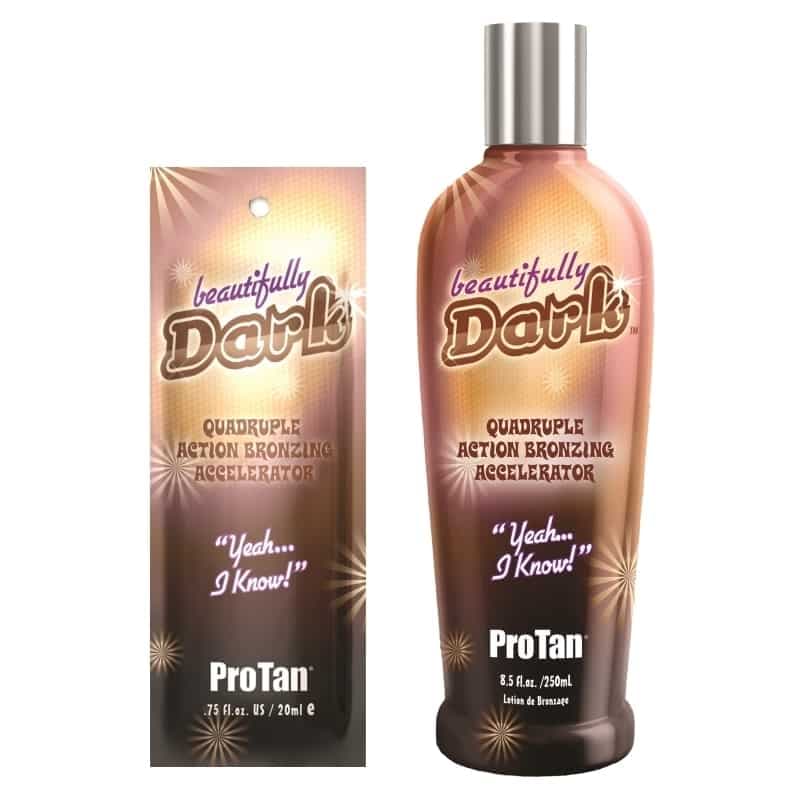
Pro Tan Beautifully Dark Ultra Dark Tanning Accelerator
Pro Tan Beautifully Dark Ultra Dark is a professional-grade indoor accelerator, widely stocked in tanning salons for deep, rapid bronzing. Its formula is more concentrated than mass-market consumer lotions, which is why regular tanners reach a darker result sooner. That is a cosmetic effect only: it does not reduce the UV your skin absorbs, and salon session limits and rest days still apply. It costs more than mainstream options like Australian Gold, and it is the pick for users chasing the darkest indoor result rather than the gentlest formula.
Estimated£10 – £18
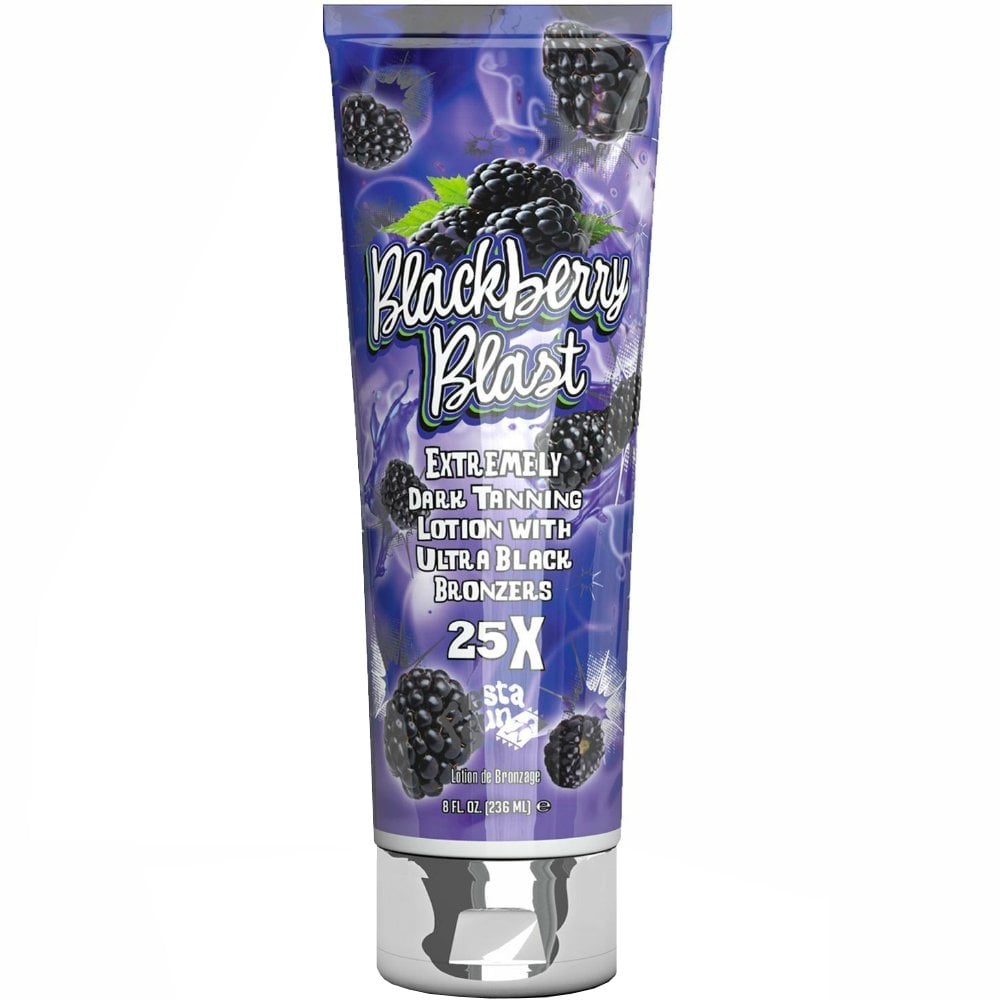
Fiesta Sun Blackberry Blast Tanning Accelerator
Fiesta Sun Blackberry Blast differentiates itself with a fruity, consumer-friendly scent and a formulation tuned for indoor tanning that emphasizes a pleasant user experience alongside moderate accelerating properties. Financially it sits in the mid-price segment, offering a scented alternative to no-frill accelerators and appealing to shoppers who prioritize fragrance and day-to-day enjoyment over salon-grade potency. Compared to the stronger Pro Tan and the broadly available Australian Gold, Fiesta Sun aims to capture users who want balanced performance with a memorable scent profile.
Estimated£6 – £10
Emerald Bay Midnight Rendezvous Tanning Accelerator
Emerald Bay Midnight Rendezvous positions itself as a premium indoor tanning accelerator with an upscale fragrance and skin-conditioning additives that enhance the tanning session experience while supporting deeper color development. Its technical edge is a formula that blends bronzers and moisturizers to produce richer immediate color and smoother fade, making it attractive for users who value finish and longevity over sheer acceleration speed. While it may cost more than mainstream options, it competes by offering a boutique feel and superior post-tan skin appearance compared with simpler accelerators on this list.

We may earn a commission on purchases. It never affects our rankings.
Estimated£12 – £22
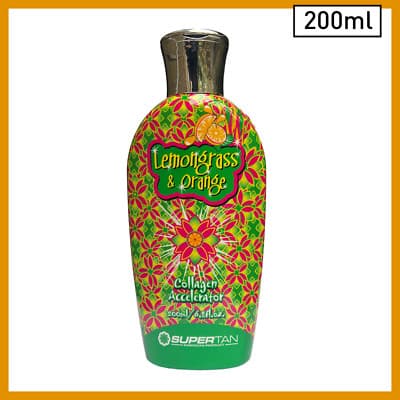
SuperTan Lemongrass & Orange Tanning Accelerator
SuperTan Lemongrass & Orange stands out as an affordable, aromatherapeutic indoor accelerator that focuses on natural-scent appeal and lightweight skin feel, appealing to budget-conscious users who still want a pleasant application. Its market advantage is a lower price point combined with a distinctive citrus fragrance, providing an economical alternative to higher-cost salon lotions while remaining effective for steady indoor tanning progress. Against rivals like Pro Tan and Emerald Bay, SuperTan is less concentrated but offers strong value for shoppers prioritizing cost and sensory enjoyment over maximum intensity.
Estimated£5 – £9
What research and dermatology guidance say
The evidence is mixed on what accelerators do and clear on what they do not do. Ingredients such as tyrosine can influence melanin biochemistry in laboratory settings, while bronzers and DHA deliver immediate cosmetic colour without altering melanin at all. What no accelerator does is protect. The NHS states there is no safe or healthy way to get a tan and that a tan does not protect skin from the sun's harmful effects; Cancer Research UK adds that using a sunbed before sunbathing will not stop you burning, so a "base tan" is not a safety strategy. IARC has classified UV-emitting tanning devices as Group 1 (carcinogenic to humans), and the NHS notes sunbeds can be more dangerous than natural sunlight because they concentrate UV. Evidence does support that moisturising and antioxidant ingredients help maintain skin condition during tanning routines — that is a comfort benefit, not a protective one. Safe practice means limiting exposure, following salon rules and using products only as directed.
Tyrosine and related precursors can support melanin production in laboratory studies, but evidence of significant, safe benefit in controlled human trials is limited.
Topical bronzers and DHA give immediate colour without producing natural melanin; this is a cosmetic effect and not protective against UV.
Moisturisers, lipids and antioxidants in accelerators help maintain skin barrier function and can reduce dryness from repeated sunbed use.
No topical accelerator eliminates the increased skin cancer risk associated with UV tanning; public health guidance in the UK recommends caution and age restrictions.
Patch testing and following manufacturer instructions reduce the chance of irritation or allergic reactions; consult a dermatologist if you have sensitive or reactive skin.
None of the accelerators on this page carries an SPF. They are cosmetics, not sun protection, and they do not reduce the UV dose a sunbed delivers.
In the UK the Sunbeds (Regulation) Act 2010 makes it illegal for under-18s to use a sunbed, and an offence for a business to offer them UV tanning services.
The NHS and Cancer Research UK advise against sunbed use altogether; fake tan and spray tan give colour with none of the UV cancer risk.
Frequently Asked Questions
Do indoor tanning accelerators contain SPF or protect your skin from UV?
No. Tanning accelerators are cosmetics, not sunscreens. None of the five products on this page carries an SPF, and none reduces the UV dose a sunbed delivers or the skin damage it causes — they only affect how quickly and how deeply colour develops. The NHS states there is no safe or healthy way to get a tan and that a tan does not protect skin from the sun's harmful effects, and Cancer Research UK notes that a base tan from a sunbed will not stop you burning later.
Which tanning accelerator is best for beginners wanting reliable results?
The Australian Gold Dark Tanning Accelerator Lotion is the easiest starting point: a widely stocked speeding formula with aloe and vitamin E to keep skin comfortable during a session, at roughly £8-12. It is the most predictable of the five rather than the darkest, and it changes how colour develops — not how safe the session is.
Can under-18s use a sunbed in the UK?
No. The Sunbeds (Regulation) Act 2010 makes it illegal for anyone under 18 to use a sunbed in the UK, and an offence for a business to offer UV tanning services to under-18s. UV-emitting tanning devices are classified by IARC as Group 1, carcinogenic to humans. Using a tanning accelerator does not change either of those facts.
Does the Pro Tan Beautifully Dark accelerator provide faster colour development?
Yes — it is a professional-strength, more concentrated formula, and experienced tanners consistently report deeper, faster colour than from mass-market lotions. That is a cosmetic effect: it changes how colour develops, not how much UV your skin absorbs, so your salon's session limits and rest days still apply.
Conclusion
Indoor tanning accelerators remain a popular accessory for UK sunbed users who want faster, deeper results with some skin-care benefit. We hope this page helped explain the category and its trade-offs. If you did not find exactly what you wanted, refine or expand your search using the search box to filter by ingredient, skin type or salon-friendly formulations. Two points are worth repeating: these lotions contain no SPF and offer no protection from UV, and under the Sunbeds (Regulation) Act 2010 sunbed use is illegal in the UK for anyone under 18. If you want colour without the UV risk, a fake tan or spray tan is the alternative the NHS and Cancer Research UK point to.