Top 5 Ionic Hair Dryers in the UK for 2026
Published on Monday, 26 January 2026
Ionic hair dryers use electrically charged ions to speed up drying, smooth the hair cuticle and reduce frizz. In the UK market for 2026 they remain popular with consumers who want faster at-home drying, salon-style results and less heat damage. Buyers value ionic dryers for their ability to shorten styling time, improve shine and tame flyaways, which matters in a climate with frequent humidity. UK shoppers also look for lightweight designs, multiple heat and speed settings, reliable temperature control, energy efficiency and good warranties. Growing interest in sustainable materials, quieter motors and travel-friendly features has shaped recent models, so consumers now expect a blend of performance, protection and practical features when choosing an ionic hair dryer.
Top Picks Summary
Dyson Supersonic
The Dyson Supersonic sits at the top for Ionic Hair Dryers because its digital V9 motor and intelligent heat control deliver fast drying with consistently regulated heat and strong ion output to minimize frizz and heat damage. It commands a premium price but justifies that cost with salon-grade speed, long-term durability and advanced thermal sensing that outperform lighter, less expensive competitors like the ghd Helios and multifunctional models such as the Shark. Financially, Dyson is the highest upfront investment but can reduce styling time and replacement frequency, giving a clear technical and lifecycle advantage.

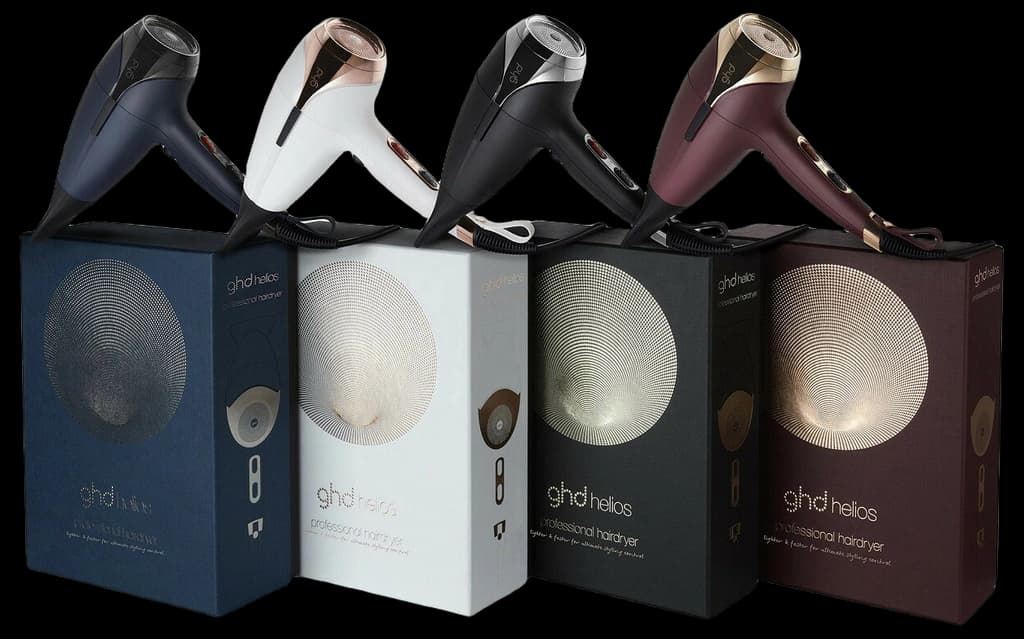
ghd Helios
The ghd Helios earns recognition as a market-leading professional option by pairing a powerful brushless motor with focused aerodynamic nozzles to deliver salon-speed drying and strong ionic smoothing at a more accessible price than Dyson. It strikes an effective balance between performance and cost, offering a lighter, ergonomically tuned experience that appeals to stylists and consumers who want near-pro results without the top-tier Dyson price. Compared with specialized or multifunctional competitors like BaByliss and Shark, the Helios emphasizes precision and efficiency, which improves throughput in a commercial setting and ROI for frequent users.
BaByliss Hydro-Fusion 2100
The BaByliss Hydro-Fusion 2100 differentiates itself among Ionic Hair Dryers by integrating a moisture-locking water-infusion concept with ionic technology to preserve hydration while reducing frizz, making it especially appealing for dry or chemically-treated hair. It targets the mid-market with a competitive price point and hair health–focused benefits that many pure-speed models lack, offering a technical trade-off: slightly less raw airflow than Dyson or ghd but a measurable advantage in moisture retention compared with basic ionic models. For buyers prioritizing hair hydration at a lower cost than premium brands, BaByliss delivers tangible value.

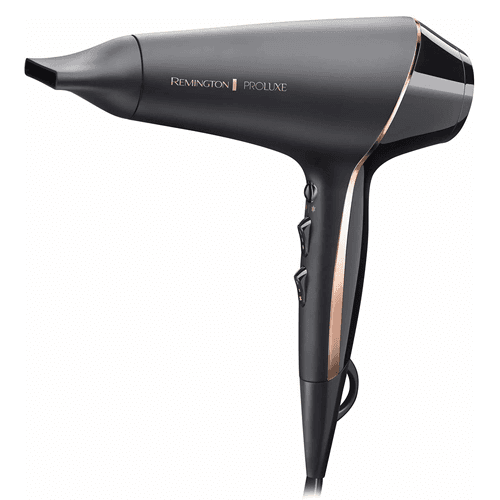
Remington Proluxe You Adaptive Hair Dryer
The Remington Proluxe You Adaptive Hair Dryer stands out for delivering personalized drying through sensors that automatically adjust heat and airflow to hair type, combining ionic conditioning with a budget-friendly price that undercuts most salon-level devices. Its strength is consumer-focused customization and good anti-frizz performance for home users who want smart features without the Dyson or ghd price tags, though it doesn’t match the same motor power or clinic-grade thermal control. This makes Remington a cost-effective choice for daily styling where adaptive protection and affordability matter more than maximum speed.
Shark SpeedStyle 3-in-1 Hair Dryer
The Shark SpeedStyle 3-in-1 Hair Dryer wins on versatility for buyers seeking an ionic dryer that doubles as a styler: interchangeable heads let you dry, smooth or volumize with one tool, offering strong consumer value compared with single-function premium models. Technically it favors multifunction convenience and space-saving design over the highest airflow or the most advanced heat-sensing systems, so while it won’t replace the Dyson or ghd for speed-focused pros, it delivers broad functionality at a competitive price. For budget-conscious users who want a single device to handle multiple looks, Shark provides the clearest financial and practical advantage.

How ionic technology works and what evidence supports its benefits
Ionic hair dryers emit negative ions that interact with the positive ions found in wet hair. This interaction helps break larger water droplets into finer particles that evaporate more quickly, which can reduce overall drying time and the amount of heat needed. Research and laboratory tests comparing ionic or negative ion devices with traditional hot-air dryers generally find improvements in drying efficiency, reduced frizz and smoother-looking hair when ionic features are used alongside sensible heat settings. Modern devices combine ionic output with ceramic or tourmaline elements and intelligent temperature control to reduce direct heat damage while supporting faster styling.
Reduced drying time: Tests show ionic-assisted drying can speed up water evaporation by producing finer droplets, cutting styling time when used correctly.
Less frizz and smoother cuticle: Negative ions help the hair cuticle lie flatter, creating a shinier, smoother finish compared with some conventional dryers.
Heat exposure matters: Benefits are maximised when ionic technology is combined with controlled heat settings and correct technique; excessive temperature still causes damage.
Complementary technologies: Ceramic, tourmaline and brushless motor designs often work with ionic systems to provide consistent heat distribution and longer device life.
Consumer safety and standards: Devices sold in the UK must meet electrical and safety regulations; there is no credible evidence that typical ionic hair dryer use poses health risks when used as intended.
Frequently Asked Questions
Which ionic hair dryer is best for fast drying results?
The Dyson Supersonic is the best choice for fast drying because its digital V9 motor and intelligent heat control system deliver powerful, regulated airflow to minimize heat damage.
What is the average rating of the ghd Helios dryer?
The ghd Helios holds an average rating of 4.5 stars, reflecting its popularity for providing salon-grade airflow and a lightweight ergonomic design.
Is the BaByliss Hydro-Fusion 2100 good for dry hair?
The BaByliss Hydro-Fusion 2100 is ideal for dry or chemically-treated hair because it integrates a moisture-locking water-infusion concept alongside ionic technology to preserve hydration.
Does the Dyson Supersonic come with magnetic styling attachments?
Yes, the Dyson Supersonic includes integrated magnetic styling attachments designed to enable versatile finishes while reducing frizz during your drying routine.
Conclusion
Ionic hair dryers offer time savings, smoother finishes and reduced frizz, making them a strong choice for many UK buyers in 2026. We hope this page helped you understand what ionic models can do and what to look for. If you did not find exactly what you wanted, try refining or expanding your search by filter, price range or specific features.