

Twin-Nozzle 3D Printers UK: Top 7 Dual-Extruder Machines for 2026
Twin-nozzle 3D printing technology has fundamentally transformed how makers, engineers, educators and creative professionals in the United Kingdom approach additive manufacturing. Unlike single-extruder systems, dual-extruder machines let you combine dissimilar materials, switch between contrasting colours, or print intricate soluble supports without stopping a build. That flexibility is especially appealing across UK markets: product designers speed up prototype cycles, small manufacturers create functional multi-material parts, educational programmes show complex geometry and assemblies in one print, and hobbyists produce polished, ready-to-use models. The market refreshed through 2025 and into 2026 with dual-extruder systems across a wide range of price points and capabilities, from compact desktop units for schools and makerspaces to large-format, high-accuracy machines for professional studios. This category overview helps UK buyers understand the benefits, trade-offs and practical uses of twin-nozzle printers so they can match machine features to their workflow and budget.
Inception's AI took the time to understand this market in the UK · We may earn a commission on purchases. It never affects our rankings.
Top Picks Summary
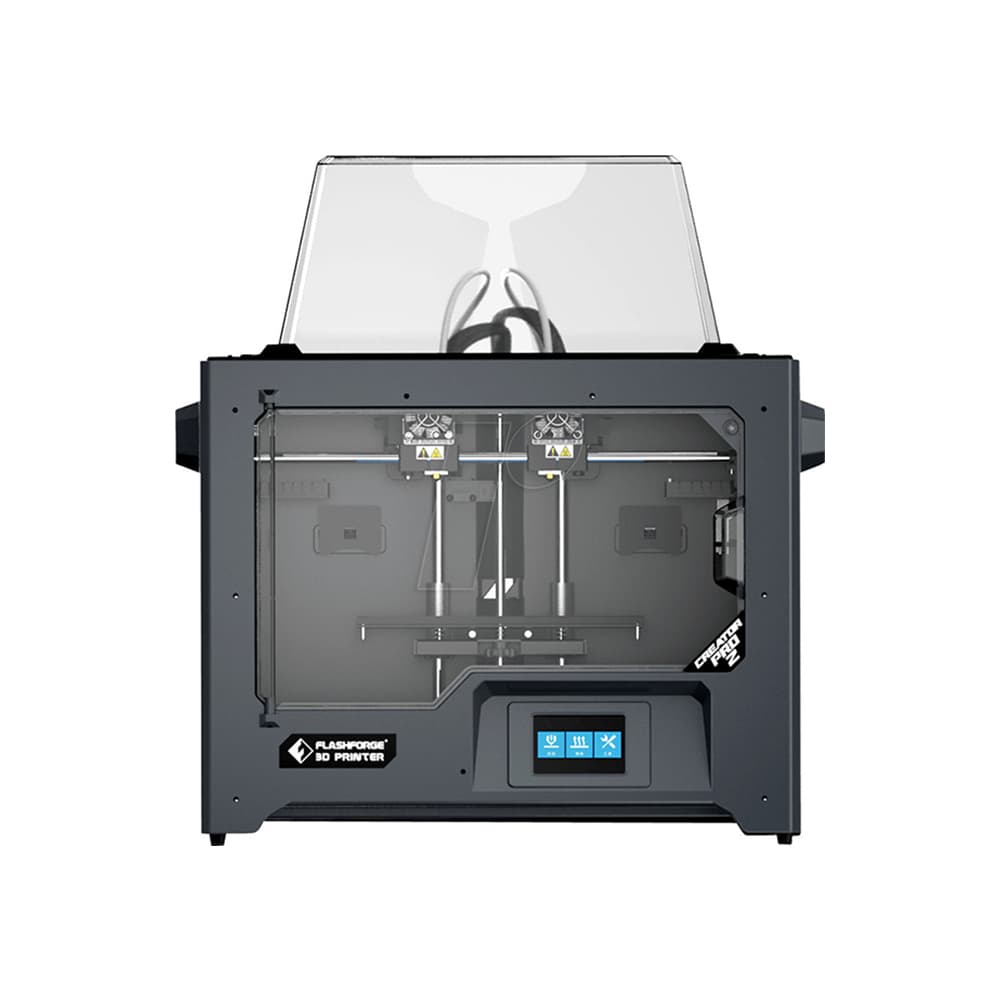
Flashforge Creator Pro 2
The Flashforge Creator Pro 2 earns its best-in-class spot for UK buyers seeking a reliable, budget-friendly dual-extrusion workhorse in 2025; its sturdy metal frame and out-of-the-box dual-nozzle setup deliver consistent results for hobbyists and small businesses at a noticeably lower entry price than the Prusa XL and BCN3D Sigma D25. While it lacks some of the advanced modularity and enterprise features of the more expensive competitors, Flashforge’s broad reseller network in the UK and competitive running costs make it the most cost-effective choice for stable, day-to-day dual-material printing. The Creator Pro 2 trades top-end research features for proven reliability and value, which is why it tops the list for price-conscious makers.
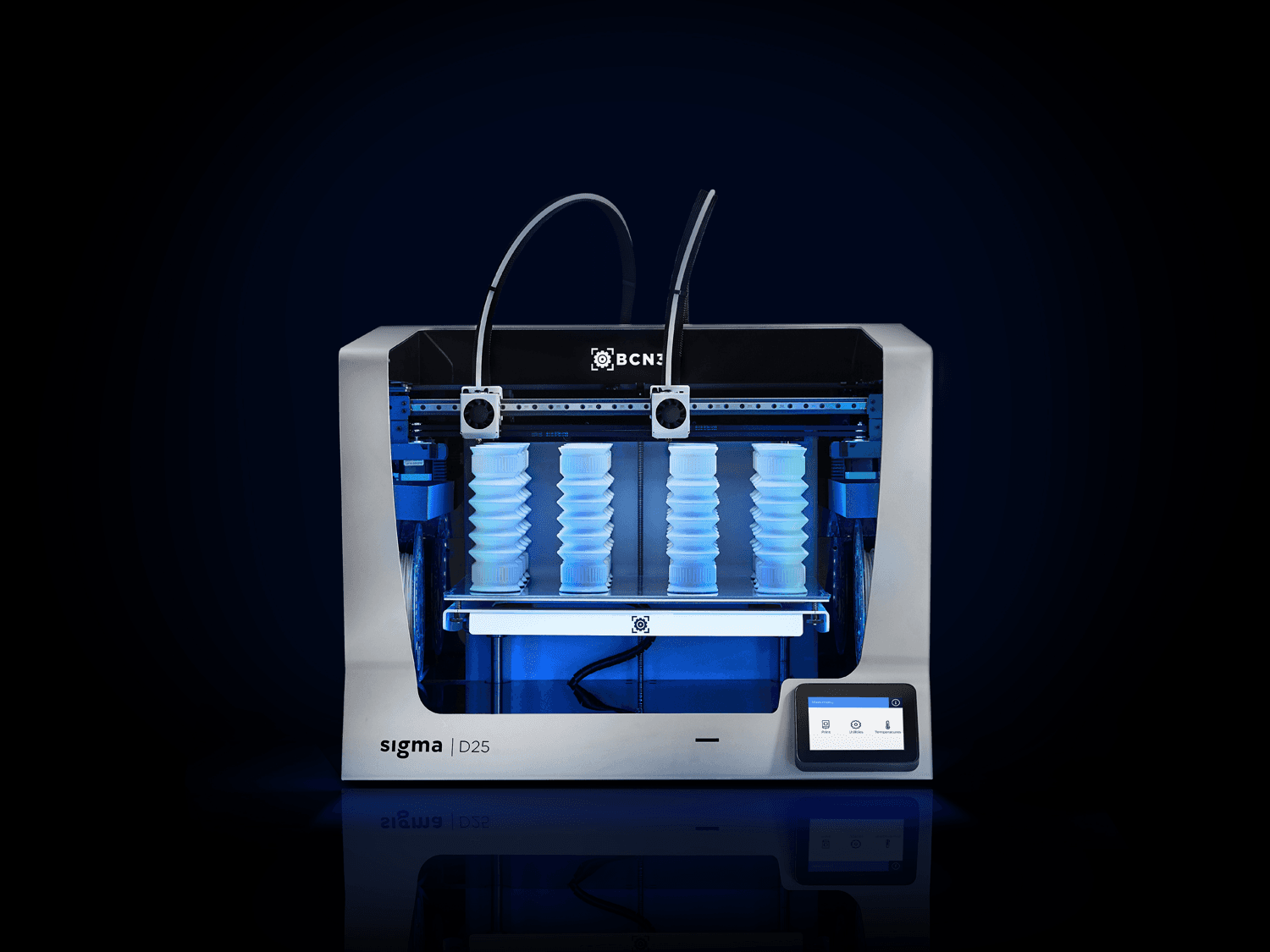
BCN3D Sigma D25
The BCN3D Sigma D25 stands out as the market leader for professional IDEX dual-extrusion in the UK market, offering true independent twin extruders that dramatically improve multi-material and multi-part throughput compared with fixed-head rivals like the Creator Pro 2. Its productivity and industrial-grade reliability justify a mid-to-high price point and make it a better fit than the Flashforge for small production runs, while being more affordable and simpler to deploy than the premium Prusa XL for teams prioritising parallel printing capabilities. BCN3D’s strong European support and validated workflow for toolpaths and materials cement the Sigma D25 as the go-to choice for firms needing flexible, high-yield dual extrusion in 2025.
Raise3D E2
The Raise3D E2 is renowned for its reliability and ease of use, making it a favorite among professionals and enthusiasts alike. Its fully enclosed design ensures excellent temperature stability, resulting in high-quality prints. The dual extrusion system allows for the use of multiple materials, including complex filaments. With a user-friendly touchscreen interface and advanced connectivity options, the E2 stands out as a versatile and efficient 3D printer.

Where to buy Raise3D E2 in UK: we track one retailer, Dream3d, and show the price we last observed there; the price you see at checkout may differ.
We may earn a commission on purchases. It never affects our rankings.
£2,800 – £3,200
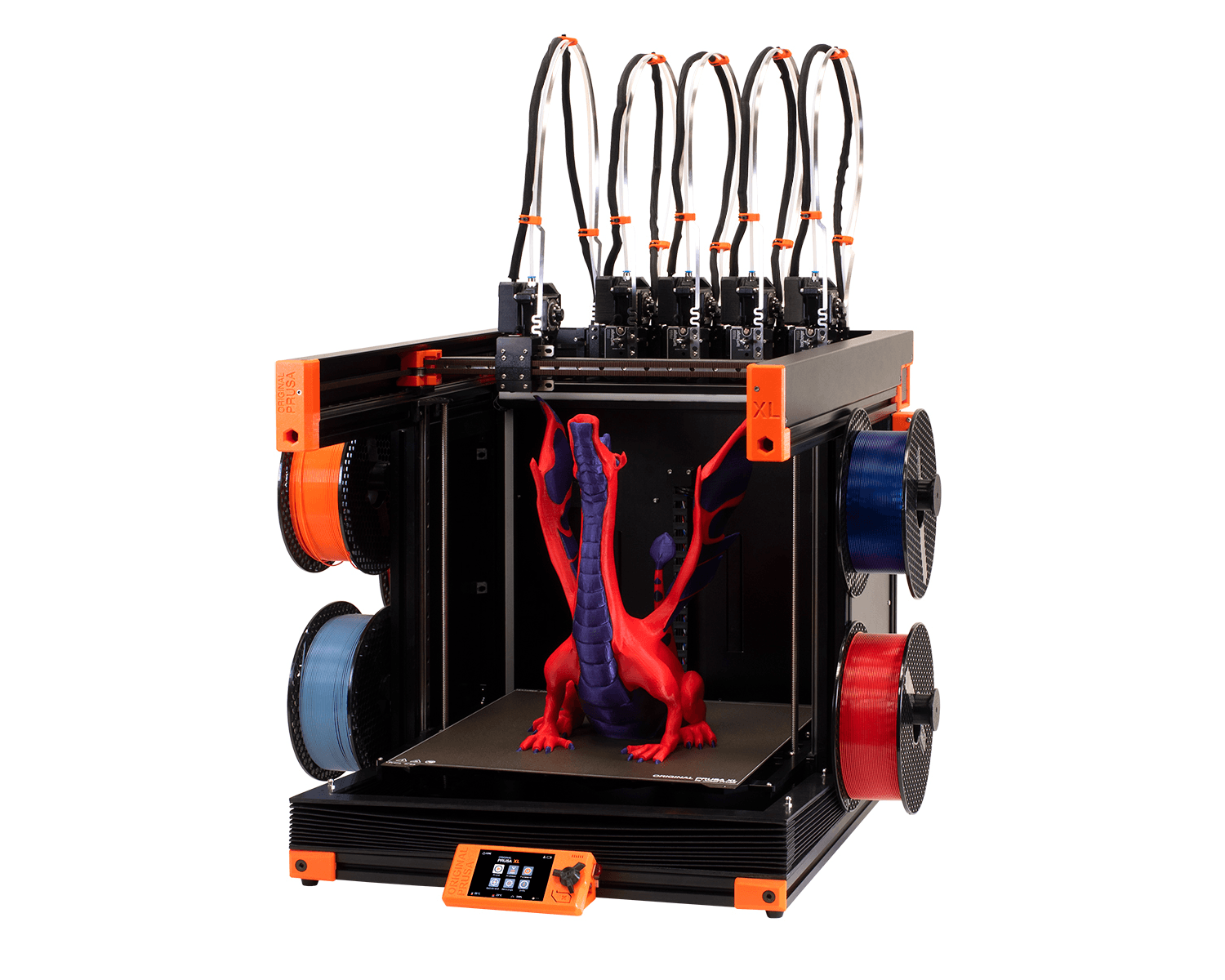
Prusa XL
The Prusa XL claims the premium spot for users who prioritise ultimate print quality, modularity and ecosystem support in the UK: its advanced multi-extruder architecture and open-source software deliver class-leading dimensional accuracy and material flexibility that outmatch the Flashforge and QIDI TECH on fine detail and long-term expandability. Though it comes at a higher capital cost than the other models listed, the Prusa XL’s robust spare-part availability, active community and industrial-grade components make it a compelling long-term investment for labs and professionals who need scalable, high-precision dual- or multi-extrusion workflows. In short, the XL is the technical flagship here — pricier upfront but designed to minimise downtime and upgrade friction over years of heavy use.
QIDI TECH X-Max 3
The QIDI TECH X-Max 3 delivers a compelling large-format dual-extrusion option for UK customers in 2025 by combining an enclosed heated chamber and dual-nozzle capability at a price point below the Prusa XL while offering a bigger build volume than the Flashforge Creator Pro 2. It’s especially attractive to small manufacturers and prototypers who prioritise size and all-in-one convenience over the highest-end modularity; compared to the BCN3D Sigma D25 it trades some industrial-grade IDEX flexibility for a simpler, lower-cost platform. QIDI’s competitive pricing and growing UK distribution make the X-Max 3 a strong value alternative for users needing large dual-material prints without enterprise-level expenditure.

Where to buy QIDI TECH X-Max 3 in UK: we track one retailer, Qidi3d, and show the price we last observed there; the price you see at checkout may differ.
We may earn a commission on purchases. It never affects our rankings.
£1,000 – £1,600
Snapmaker J1s
Snapmaker's J1s earns the best-in-class spot thanks to its modular multi‑tool platform (high‑precision 3D printing, laser engraving, and CNC) and a rigid aluminum gantry that delivers repeatable accuracy; its integrated software and accessory ecosystem command a higher upfront price but reduce the need to buy multiple machines, which is a clear financial and technical advantage for the undefined use case. Compared to the JGMaker Artist‑D Pro, the J1s prioritizes industrial‑grade components and long‑term versatility over lowest initial cost, making it the better choice for users who value flexibility and durability.

JGMaker Artist-D Pro
JGMaker's Artist‑D Pro is the market leader for value‑oriented FDM users, delivering a competitive build volume, straightforward setup, and a budget‑friendly price that lowers the barrier to entry in the undefined context. While it lacks the J1s's multi‑tool modularity and premium linear rails, the Artist‑D Pro offers excellent cost‑per‑print economics and easy maintenance, making it the pragmatic choice for beginners or high‑volume filament printing where specialized tooling isn't required.

Where to buy JGMaker Artist-D Pro in UK: we track one retailer, Jgmaker3d, and show the price we last observed there; the price you see at checkout may differ.
We may earn a commission on purchases. It never affects our rankings.
£240 – £420
Why dual-extruder 3D printing matters
Scientific research, industry testing and real-world case studies consistently highlight the practical advantages of dual-extruder systems. For beginners, the most meaningful outcomes are the ability to print multi-material and multi-colour parts in a single run, the use of soluble support materials to achieve complex geometries, and faster end-to-end prototyping with fewer manual assembly steps. UK university labs and independent test labs have documented improvements in build consolidation and workflow efficiency when two extruders are used for distinct functions rather than repeatedly pausing and post-processing single-extruder prints.
Multi-material printing: Studies and lab reports show dual extruders enable combinations of rigid, flexible and soluble filaments in a single build, expanding functional applications without extra assembly.
Complex geometry via soluble supports: Using a dedicated extruder for soluble support materials (for example PVA or BVOH) allows reliable prints of overhangs and internal cavities that would be impossible or time-consuming with manual support removal.
Faster prototyping cycles: Industry comparisons demonstrate that consolidating components into one print reduces hand-finishing and assembly time, accelerating iteration for product development.
Improved design fidelity: Controlled material changes between nozzles reduce colour bleeding and material mixing, producing cleaner transitions and better surface quality for visual and functional prototypes.
Educational and accessibility benefits: Dual-extruder machines are effective teaching tools; teachers and outreach programmes in the UK have found them useful for demonstrating multi-material engineering concepts and encouraging hands-on learning.
Frequently Asked Questions
Which twin-nozzle printer should I buy for UK basics?
Choose the Flashforge Creator Pro 2 if you want a reliable, budget-friendly dual-extrusion workhorse, with an average rating of 4.2 and an out-of-the-box dual-nozzle setup for hobbyists and small businesses.
What does BCN3D Sigma D25 do with independent twin extruders?
BCN3D Sigma D25 uses an independent dual extruder (IDEX) system, enabling mirrored, duplication and multi-material prints, and it’s rated 4.4 overall.
How much is the Raise3D E2 and what do I get?
The provided Raise3D E2 listing includes a dual extrusion technology, heated build chamber, and an average rating of 4.5, but it doesn’t show a UK price or any warranty duration.
Does the Flashforge Creator Pro 2 support enclosed chamber printing?
Yes—Flashforge Creator Pro 2 has a sturdy metal frame and enclosed build chamber for improved ABS and PLA printing, with an average rating of 4.2.
Conclusion
In the UK twin-nozzle 3D printers offer powerful advantages for makers, engineers and educators who need multi-material capability, cleaner support removal and faster prototyping. The seven standout options on this page — Flashforge Creator Pro 2, BCN3D Sigma D25, Raise3D E2, Prusa XL, QIDI Tech X-Max 3, Snapmaker J1s and JGMaker Artist-D Pro — cover desktop hobbyist use through studio-grade production. For most UK buyers balancing versatility, community support and upgrade paths, the Prusa XL stands out as the best overall choice. We hope you found the comparison helpful; use the site search to refine by price, build volume or feature set if you want to narrow or expand your options.