Best Multi-Material FDM 3D Printers in the UK 2026 — Top 7 Picks
Published on Wednesday, 25 February 2026
Multi-material FDM 3D printing has matured rapidly across the UK, transforming how manufacturers, product designers, education providers, and creative professionals prototype and produce end-use parts. Unlike single-filament machines, modern multi-material FDM systems can print with different polymers, colours and functional materials in a single run, enabling complex assemblies, integrated supports and parts with locally tuned mechanical or thermal properties. UK buyers value machines that combine reliability, sterling-based pricing, energy efficiency and compatibility with commonly stocked European filament brands. They also prioritise strong local support and warranty services, which reduces downtime for businesses in London, Manchester, Birmingham and other regions. For studios and makerspaces, multi-material capability lowers assembly time and increases design freedom; for small manufacturers it reduces inventory and accelerates time to market. This guide focuses on multi-material FDM printers available through UK suppliers in 2026, highlighting models that balance performance, ease of use and long-term support.
Top Picks Summary
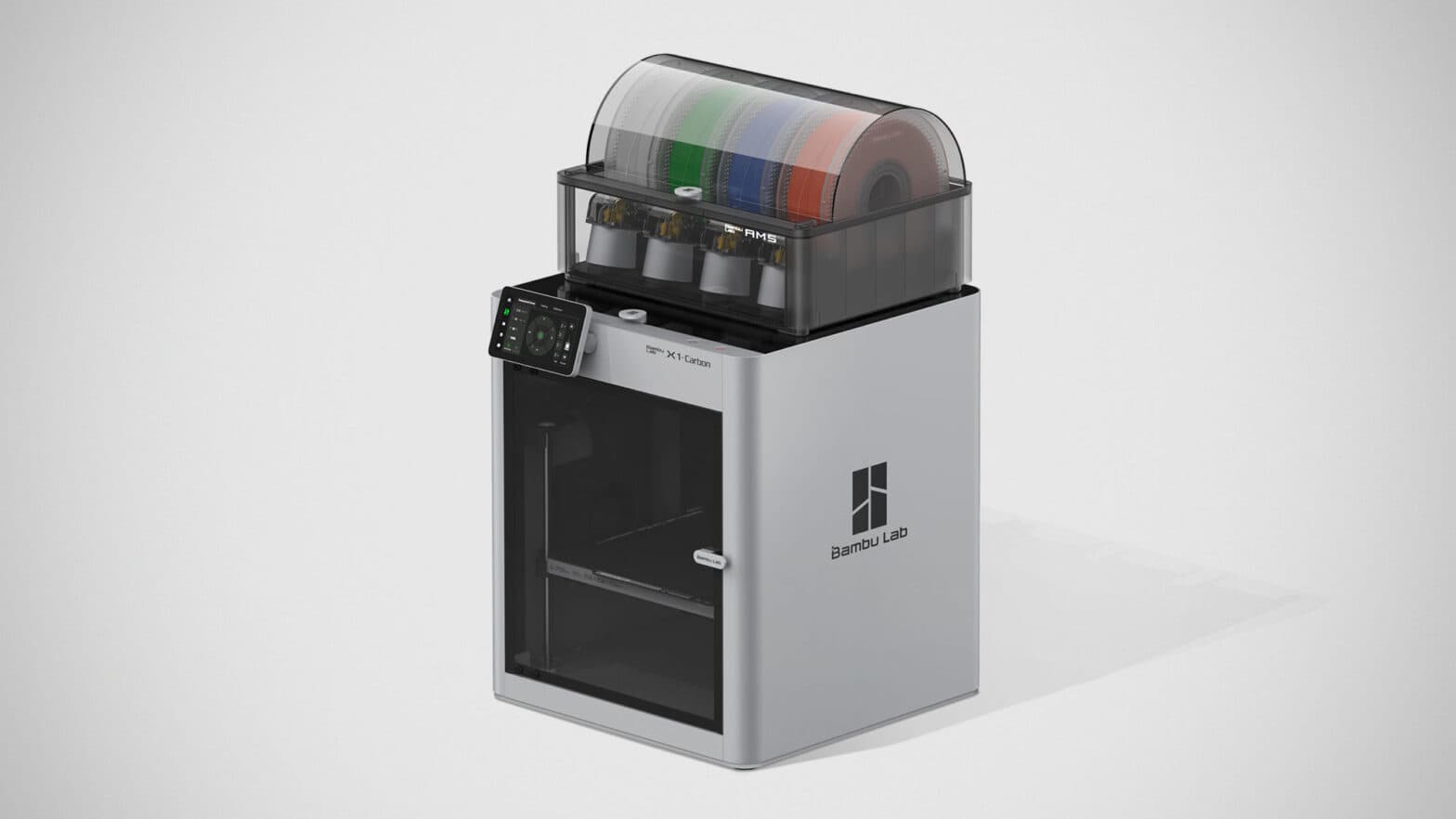
Bambu Lab X1 Carbon Combo
The Bambu Lab X1 Carbon Combo earns a market-leader spot by pairing very high-speed printing and a rich accessory bundle that gives strong out-of-box automation at a competitive total cost of ownership. Compared with the Prusa XL and E3D ToolChanger it prioritizes turnkey throughput over extreme modularity, and versus the Ultimaker S5 it delivers a more aggressive price-to-performance ratio for projects where the exact use case is undefined.
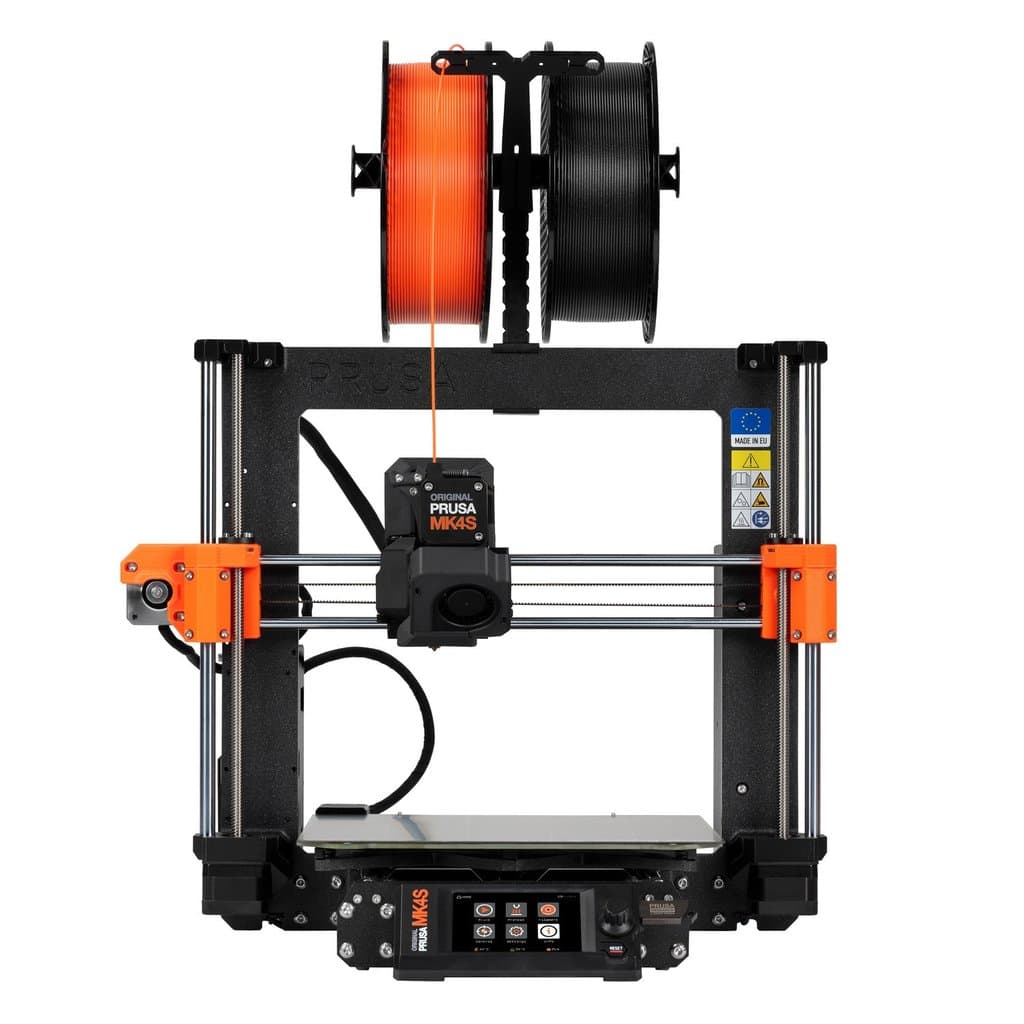
Prusa MK4S with MMU3
The Prusa MK4S with MMU3 is the most cost-effective, hobbyist-friendly multi-material solution in this list, pairing excellent single-nozzle print quality with a mature, reliable multi-filament unit. Compared to the larger Prusa XL and the faster Bambu machines, the MK4S+MMU3 offers a lower capital outlay and superior community-driven software refinements that simplify multi-material workflows for UK makers focused on color and soluble-support prints. Its financial advantage is clear for education and small studios that value predictable maintenance and wide third-party accessory support.
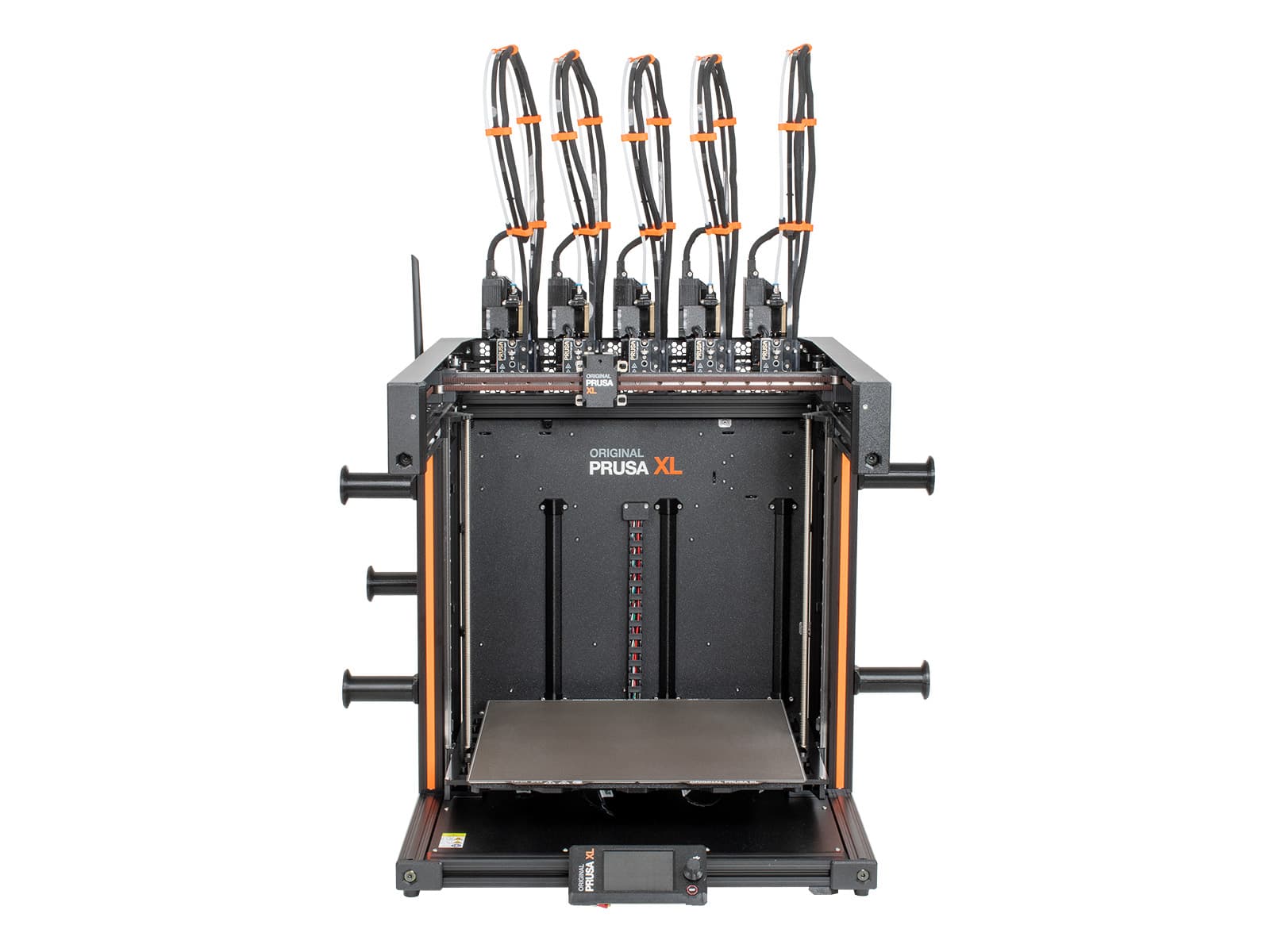
Prusa XL (5-Toolhead)
The Prusa XL (5-Toolhead) stands out for best-in-class multi-tool flexibility and open-source extensibility, making it ideal when workflows demand tool-change versatility that rivals the E3D ToolChanger but with Prusa's accessible ecosystem. While larger and often costlier than Bambu's consumer-focused Combos, it offers longer-term technical flexibility for an undefined use case where evolving requirements or custom tooling are likely.
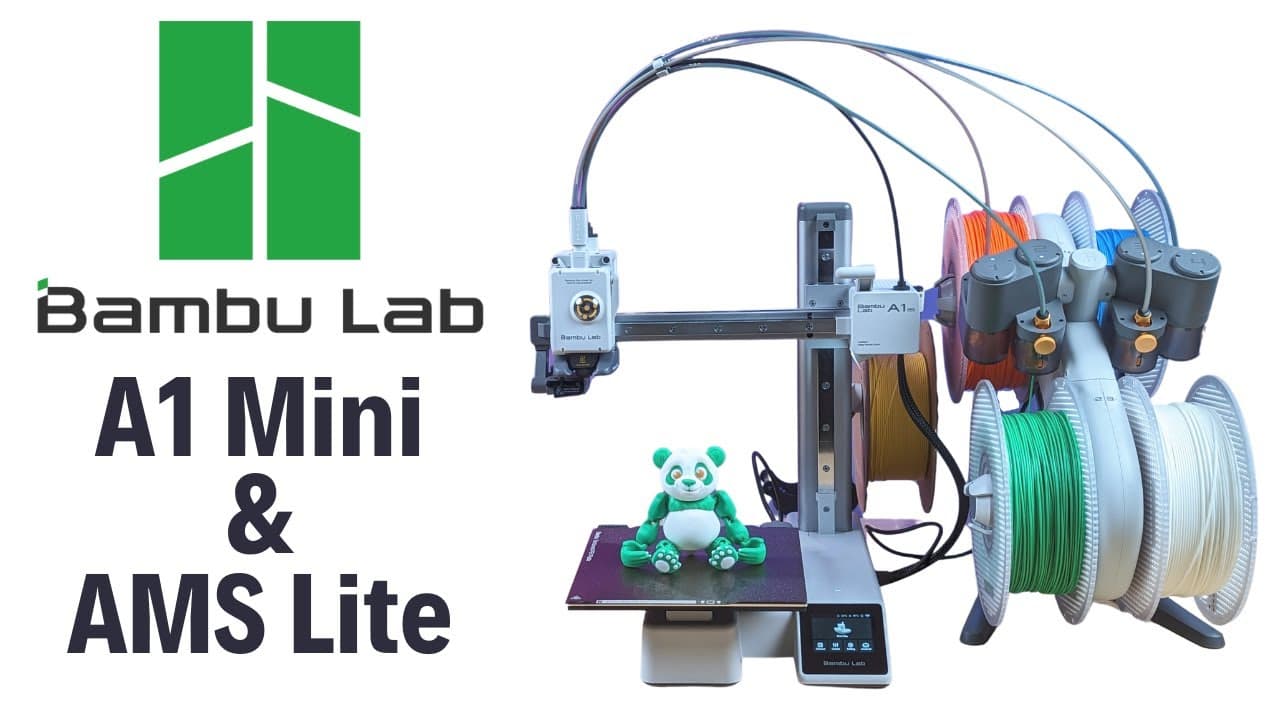
Bambu Lab A1 with AMS Lite
The Bambu Lab A1 with AMS Lite is the budget-conscious choice that brings multi-material convenience and many of Bambu's automation features at a significantly lower upfront cost than the X1 Carbon or P1S Combo. It is technically simpler and less modular than the Prusa XL or E3D ToolChanger, making it a pragmatic pick when the undefined application favors low capital expense and a small footprint.
E3D ToolChanger
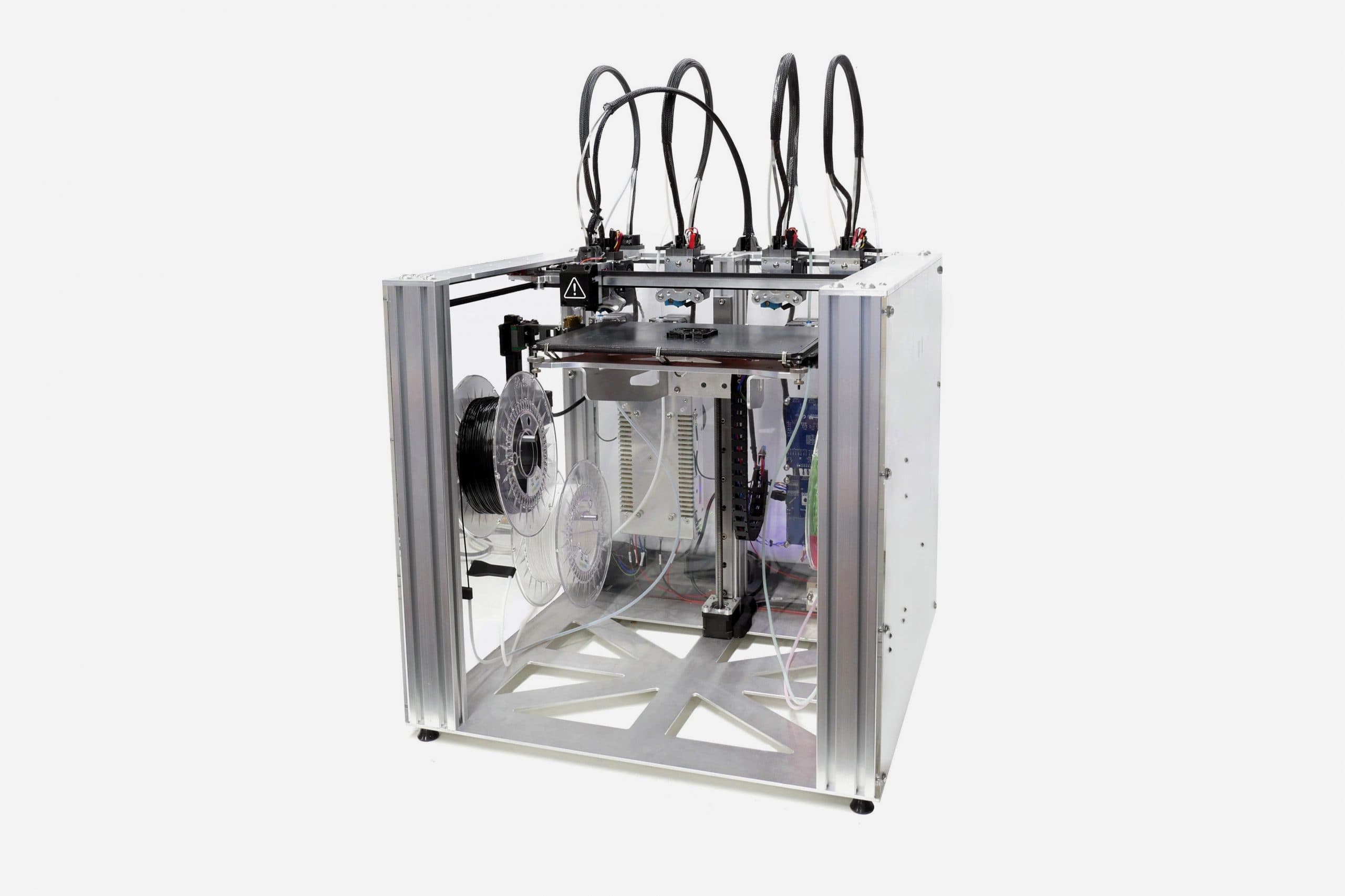
The E3D ToolChanger is the technical leader for custom, multi-tool industrial setups thanks to truly modular hotends and toolhead swapping, offering adaptability that outstrips boxed consumer machines for specialized workflows. It generally requires higher initial investment and integration effort than Bambu or Ultimaker units, but for an undefined application that needs bespoke tooling or advanced materials, its flexibility can lower long-term development and tooling costs.
Ultimaker S5
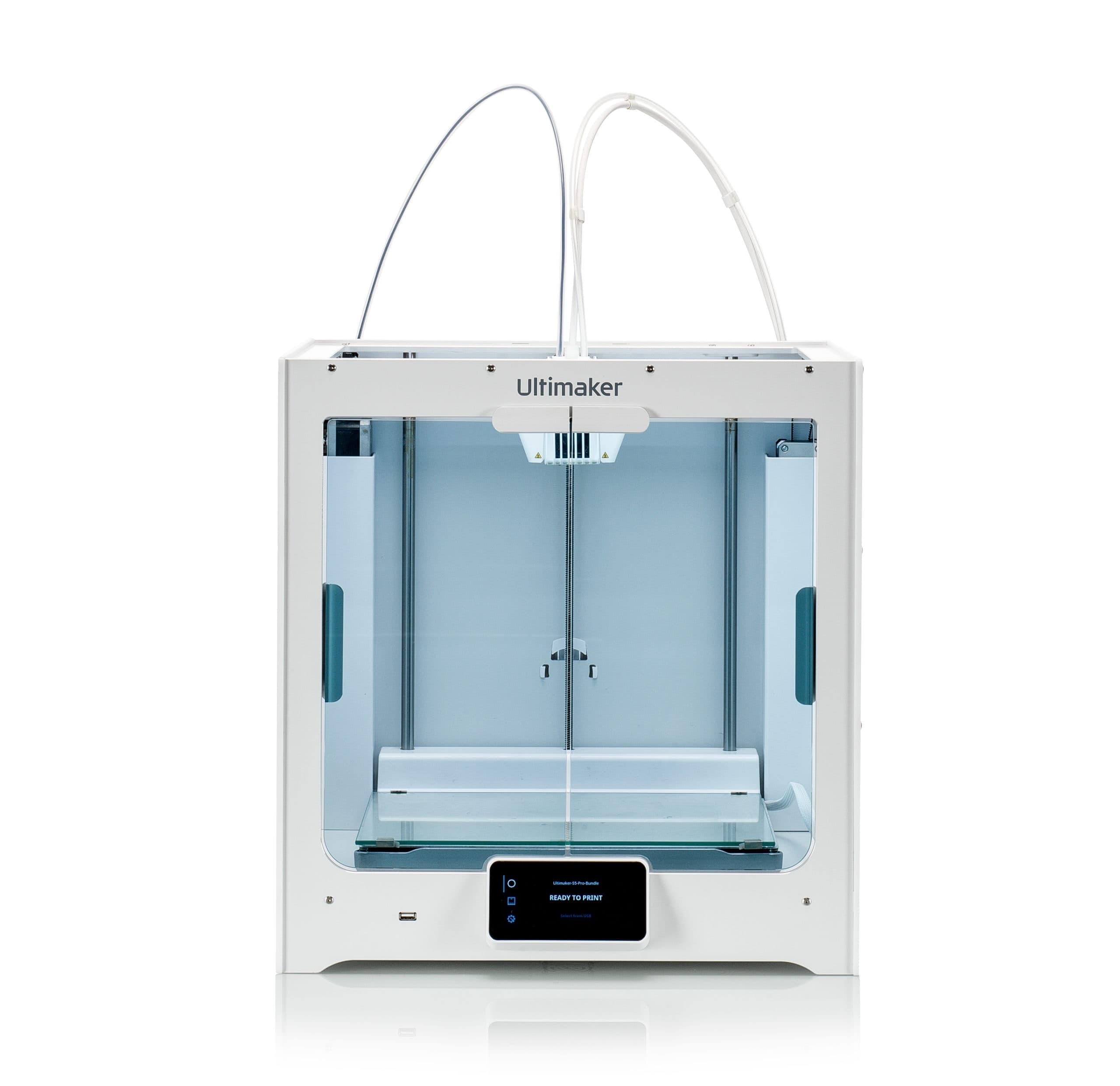
The Ultimaker S5 is an enterprise-grade option known for reliable, repeatable results and a mature software and support ecosystem that reduces operational risk for production environments. Although it typically carries a higher per-unit price than the Bambu offerings and lacks the multi-tool modularity of the Prusa XL or E3D ToolChanger, its predictable workflows and support can translate into lower total operational cost for undefined or mission-critical projects.
Bambu Lab P1S Combo
The Bambu Lab P1S Combo positions itself as a value-oriented combo package that balances speed, print quality, and included extras to bridge consumer and prosumer needs at a lower price than many enterprise alternatives. Compared with the A1 it offers more immediate capability and with the Prusa XL or E3D it trades off extreme modularity for stronger out-of-box throughput when the precise requirements are undefined.

Why research supports multi-material FDM adoption
Peer-reviewed studies and industry research into additive manufacturing consistently show that multi-material FDM delivers clear benefits for functional prototyping and small-batch production. Evidence covers mechanical performance, process efficiency and post-processing reductions when compatible support and build strategies are used. For UK organisations, these findings translate into faster development cycles, lower assembly costs and greater product complexity without a proportionate rise in capital expenditure.
Mechanical integration: Studies in additive manufacturing journals show that printing distinct materials in a single part can improve part functionality by integrating rigid and flexible zones without adhesives.
Reduced assembly and labour: Research indicates multi-material parts lower assembly time and error rates compared with separate component builds that require manual joining.
Support optimisation: Soluble and breakaway support strategies reduce post-processing time and preserve surface detail, backed by experimental comparisons in academic papers.
Production throughput: Multi-tool and multi-nozzle systems can shorten overall print schedules by running multiple materials in parallel, improving effective throughput for small-batch runs.
Material compatibility: Investigations into polymer interfaces show that correct temperature and filament pairing can preserve bond strength between dissimilar materials, enabling functional gradients.
Sustainability and cost: Lifecycle and cost analyses suggest that reduced assembly and fewer secondary operations can lower embodied energy and unit cost for short production runs.
Frequently Asked Questions
Is the Bambu Lab X1 Carbon Combo good for beginners?
The Bambu Lab X1 Carbon Combo is a strong pick for beginners because it includes an automated material system and enhanced cooling for multi-material workflows, with an average rating of 4.8.
What feature helps multi-material workflows on Bambu X1 Carbon?
Bambu Lab X1 Carbon Combo includes an automated material system and enhanced cooling, plus a carbon-fibre reinforced frame and a high-speed motion system; it’s rated 4.8.
How does Prusa MK4S with MMU3 compare on price value?
The provided data doesn’t list any price for Prusa MK4S with MMU3, so I can’t compare value by cost; it’s rated 4.3 with excellent single-extruder print quality and robust failure recovery.
What toolhead compatibility does Prusa XL (5-Toolhead) offer?
Prusa XL (5-Toolhead) uses a modular 5-toolhead architecture for simultaneous multi-material or multi-process production, and it’s rated 4.7.
Conclusion
This selection highlights multi-material FDM printers that suit a wide range of UK use cases. The Bambu Lab X1 Carbon Combo stands out as the best overall choice for speed, multi-material flexibility and strong UK support. If you need tried-and-tested versatility, the Prusa MK4S with MMU3 is an excellent reliable option; the Prusa XL (5-Toolhead) targets production-scale multi-tool workflows; the Bambu Lab A1 with AMS Lite is a compact, user-friendly multi-material solution; the E3D ToolChanger offers industrial modularity for custom workflows; the Ultimaker S5 remains a solid, education-friendly and dependable platform; and the Bambu Lab P1S Combo provides an affordable entry into high-performance printing. We hope you found what you were looking for. You can refine or expand your search using the site search to filter by price, material compatibility, UK support options or intended application.