

Essential Off-Camera Flash Systems for UK Photographers in 2026
Published on Monday, 20 July 2026
Mastering off-camera flash photography represents a transformative leap for UK-based creatives seeking greater command over their lighting setups. Whether you're documenting weddings across the Cotswolds, capturing portraits in urban London studios, or shooting events in Edinburgh, positioning your flash away from the camera body unlocks remarkable creative possibilities. The contemporary UK photography market has witnessed substantial growth in demand for versatile flash systems that enable practitioners to sculpt light with precision, manage challenging mixed-lighting scenarios, and produce consistently professional results regardless of venue. This comprehensive guide examines five outstanding off-camera flash solutions currently available through British retailers, each offering distinctive advantages for different photographic disciplines. From TTL-enabled speedlights that seamlessly integrate with your camera system to powerful studio strobes designed for demanding commercial work, these tools empower photographers to transcend the constraints of on-camera flash and establish themselves as serious practitioners. We've analysed performance metrics, build quality, user experiences, and value proposition specific to the UK market to help you make an informed investment decision that aligns with your creative vision and budget considerations.
Top Picks Summary
Godox V1 Flash
The Godox V1 earns its top spot for 2025 UK users by balancing pro features with exceptional value: its round head delivers more natural falloff, the removable magnetic modifiers system is class-leading for shaping light, and the rechargeable Li-ion battery gives consistently fast recycle times compared with traditional AA Speedlites. Compared with pricier options like the Profoto A2, the V1 delivers similar creative versatility for a fraction of the cost, and it remains more pocketable and TTL-friendly than larger monolights such as the AD200Pro.

Profoto A2
The Profoto A2 is the market leader for photographers prioritising absolute color consistency, build quality and the wider Profoto ecosystem in the UK market of 2025; its calibration, flash-to-flash accuracy and premium modifiers make it a go-to for commercial and studio work. Financially it sits at the high end compared with Godox and camera-brand Speedlites, but its reliability, service network and seamless integration with Profoto Air systems justify the premium for professionals who need predictable results day-to-day.
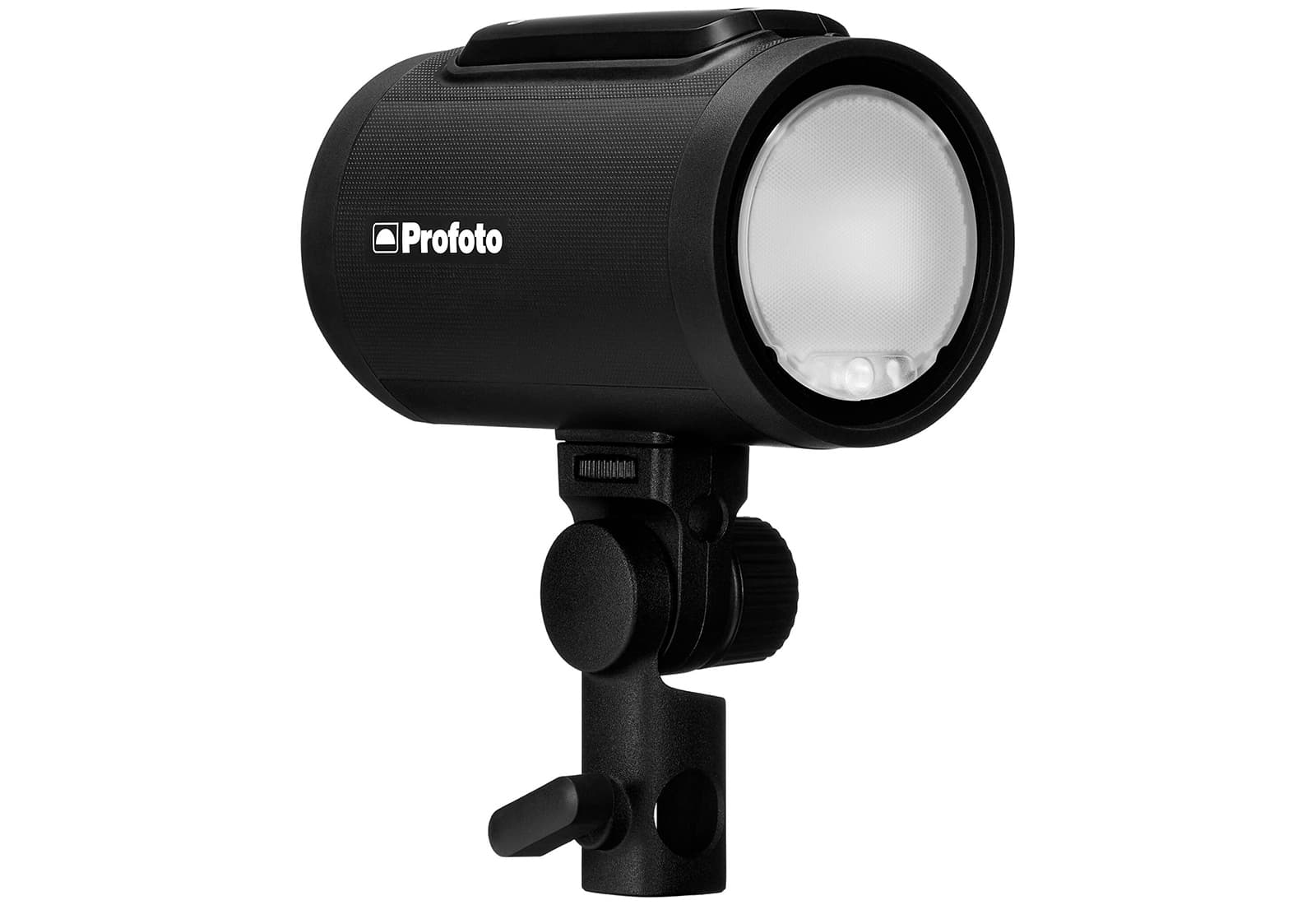
Where to buy Profoto A2 in UK: the trusted retailers we track in this market, with the best price we have observed at each. Prices are checked regularly and can change, and the retailer confirms the final price at checkout.
We may earn a commission on purchases. It never affects our rankings.
£350 – £450
Canon Speedlite 600EX II-RT
Canon's Speedlite 600EX II-RT remains the top choice for Canon shooters needing dependable E-TTL performance and robust radio control across the UK, offering native compatibility, fast recycle and consistent exposure automation on EOS bodies. It trades off the cost and some modifier flexibility of third-party systems like Godox for tighter camera-flash integration and firmware support, making it the safer financial and technical pick for working Canon professionals who prioritise workflow reliability over the cheapest price.
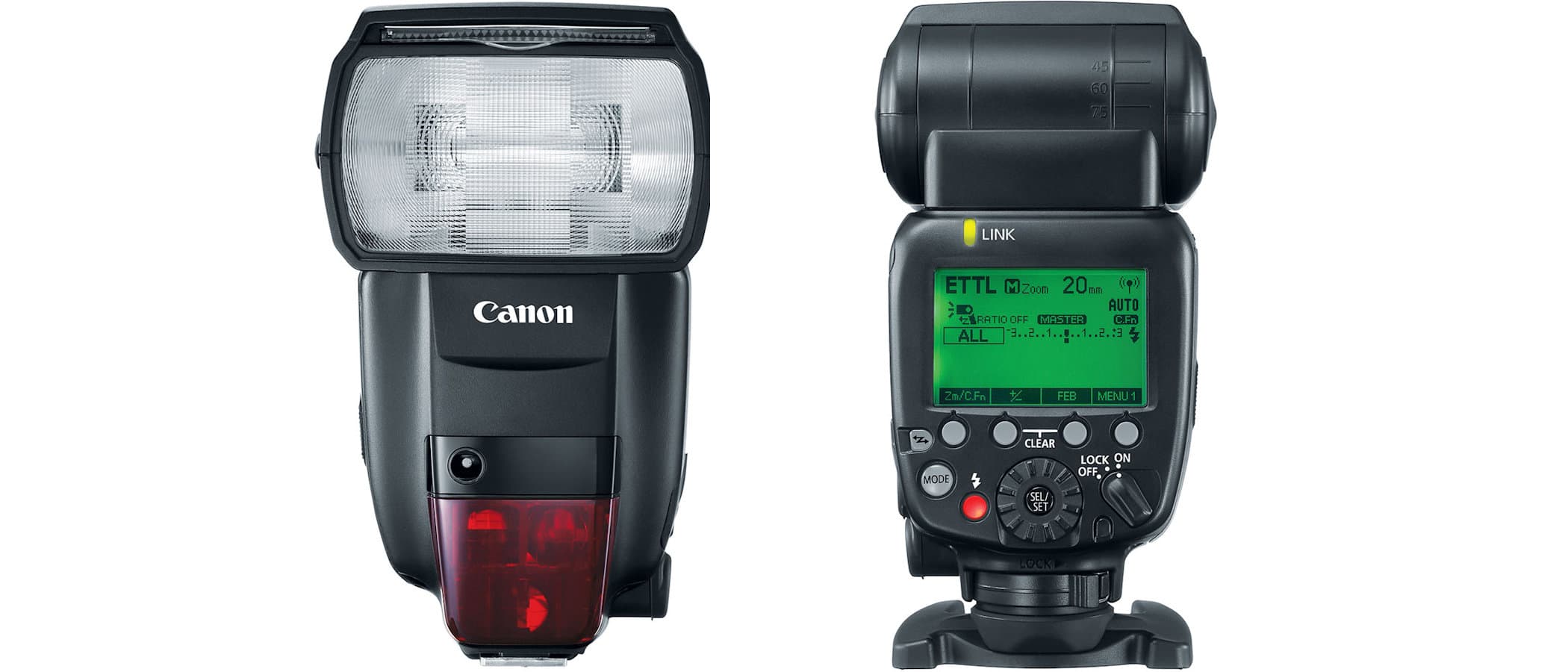
Where to buy Canon Speedlite 600EX II-RT in UK: the trusted retailers we track in this market, with the best price we have observed at each. Prices are checked regularly and can change, and the retailer confirms the final price at checkout.
We may earn a commission on purchases. It never affects our rankings.
£450 – £550
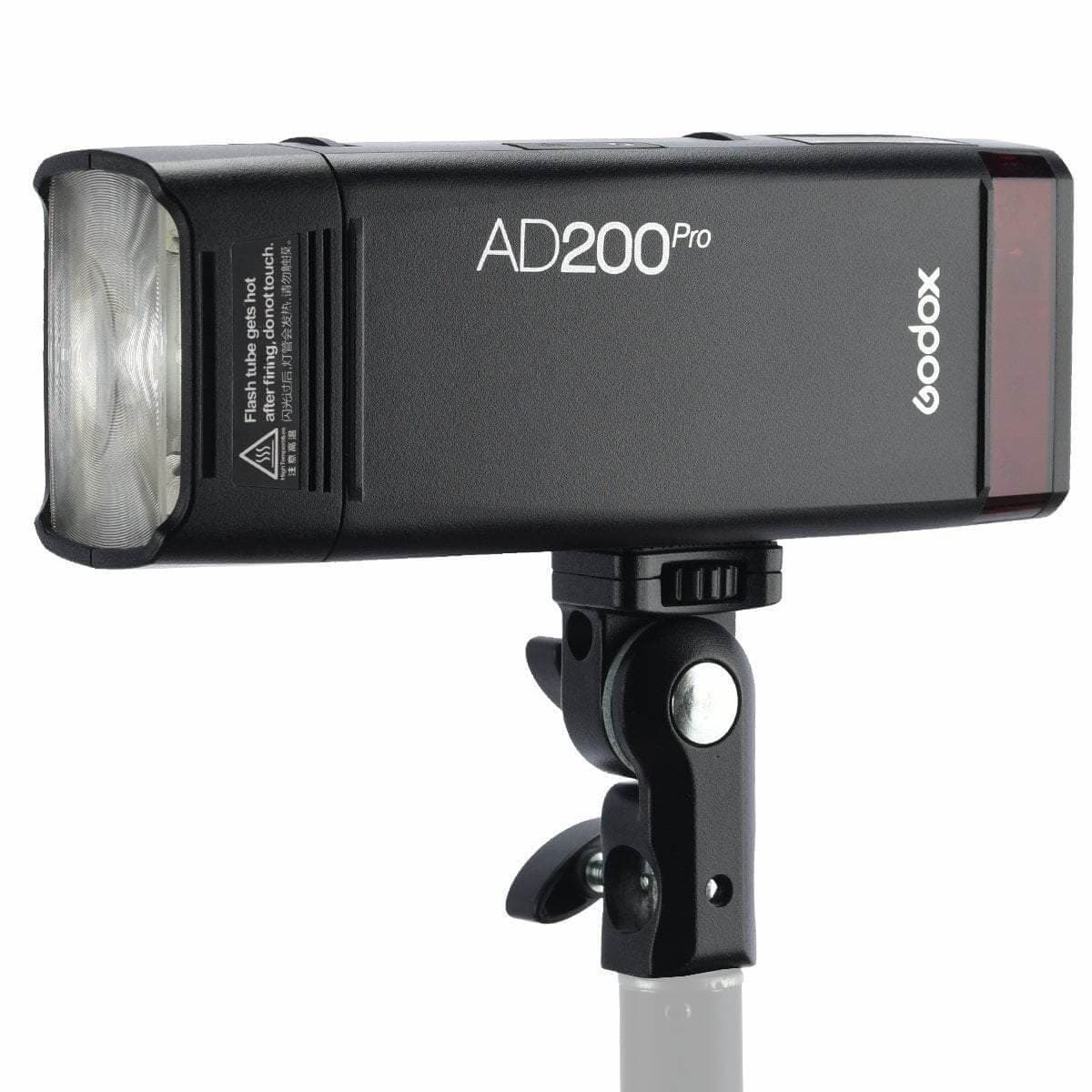
Godox AD200Pro
The Godox AD200Pro stands out in 2025 as the best-value high-power off-camera option for UK photographers who need studio-grade output in a portable package: its 200Ws output, interchangeable heads and rapid recycle make it far more powerful than typical Speedlites while still costing a fraction of comparable monolights. Compared to the V1 and camera-brand Speedlites it offers greater punch and light-shaping versatility for location work, and it undercuts Profoto on price while delivering pro-level results for budget-conscious pros.
Nikon Speedlight SB-5000
The Nikon SB-5000 remains the flagship for Nikon users in the UK for 2025 thanks to its advanced radio control, active cooling for high-rate shooting and seamless i-TTL performance on Nikon bodies, which is vital for event and action photographers. While it rarely matches the raw value of Godox alternatives, it offers brand-matched reliability and firmware compatibility that many professionals prefer over third-party solutions when total system integration and resale value matter.
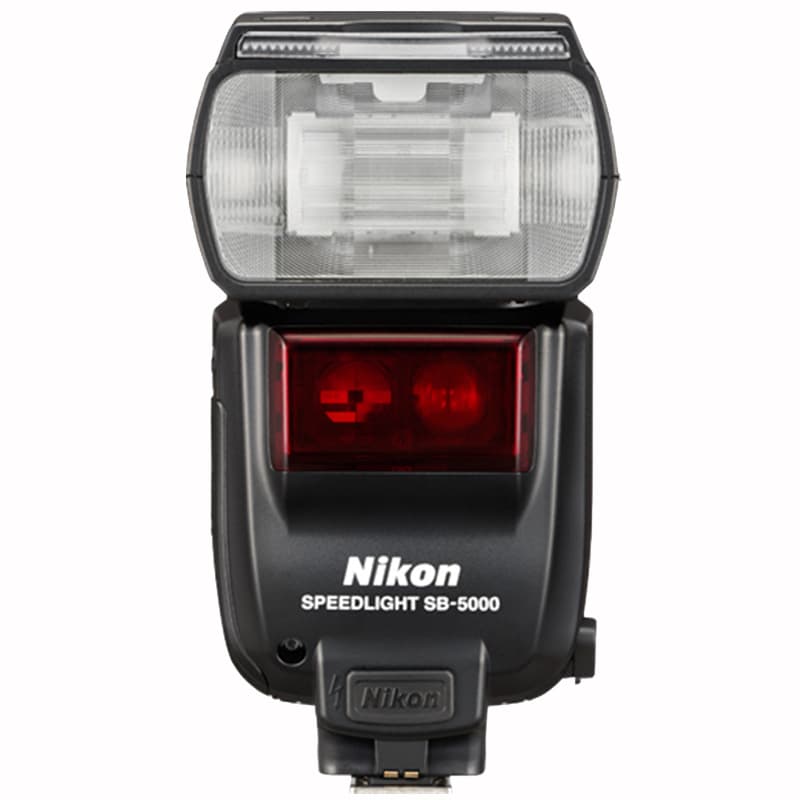
Where to buy Nikon Speedlight SB-5000 in UK: the trusted retailers we track in this market, with the best price we have observed at each. Prices are checked regularly and can change, and the retailer confirms the final price at checkout.
We may earn a commission on purchases. It never affects our rankings.
£420 – £520
These five off-camera flash systems represent the current excellence in British photography lighting technology. Each delivers exceptional build quality, intelligent metering systems, and dependable performance in real-world shooting conditions. Whether seeking compact TTL-enabled speedlights or robust studio-grade strobes, these options accommodate various professional and enthusiast requirements.
Understanding Off-Camera Flash Technology
Off-camera flash photography fundamentally transforms how you approach lighting composition. By separating your light source from the camera, you gain dimensional control impossible with traditional on-camera flash methods. This separation enables sophisticated shadow modelling, establishes directional key light, and facilitates complex multi-light setups that define contemporary professional photography practice.
TTL (Through-The-Lens) metering automatically calculates flash exposure, adapting to subject distance and ambient light conditions
Wireless triggering systems enable remote flash control via radio signals or infrared communication, eliminating physical cable constraints
High-speed synchronisation allows flash usage at faster shutter speeds, enabling daylight fill-flash and shallow depth-of-field techniques
Guide numbers indicate flash power output, with higher ratings providing greater working distance and coverage area
Colour temperature consistency ensures predictable colour rendering across multiple flash units in multi-light configurations
Recycling speed affects workflow efficiency, particularly crucial for rapid-succession event and commercial photography
Battery performance directly impacts field reliability, with modern lithium systems offering substantial advantages over traditional alternatives
Frequently Asked Questions
Which off-camera flash is best for UK wedding photographers?
The Godox V1 Flash is the ideal choice for wedding photographers because its round head provides natural light falloff and the rechargeable Li-ion battery ensures fast recycle times throughout long event days.
Does the Godox V1 have a built-in wireless system?
The Godox V1 features a built-in 2.4GHz wireless system that supports both TTL and HSS for seamless off-camera shooting.
Is the Profoto A2 worth the investment for studio work?
The Profoto A2 is a worthwhile investment for studio professionals at its price point because it offers superior color consistency and integrates directly with the wider Profoto AirTTL ecosystem.
Which flash is most reliable for Canon EOS camera users?
The Canon Speedlite 600EX II-RT is the most reliable option for Canon users, as it provides native compatibility with EOS bodies and robust radio control for consistent exposure automation.
Conclusion
Selecting the appropriate off-camera flash system represents a significant investment in your photographic capabilities and creative potential. The five solutions featured here represent the pinnacle of what's currently accessible to British photographers, each excelling within their respective categories and price brackets. Whether you're establishing your first off-camera lighting setup or expanding an existing collection, these systems deliver the reliability, functionality, and image quality that serious practitioners demand. We encourage you to consider your specific requirements—whether prioritising portability for location work, raw power for studio applications, or sophisticated wireless triggering capabilities—before making your final choice. The right flash system will substantially enhance your ability to produce compelling, professionally-lit imagery across diverse shooting scenarios. Should you require further guidance on particular lighting challenges, technical specifications, or specific brand comparisons, we invite you to explore our comprehensive resource library or contact our specialist advisory team for personalised recommendations tailored to your unique photographic practice.