

Ultra Wide-Angle Lenses: Top 5 Options in the UK for 2026
Ultra wide-angle lenses deliver dramatically wide fields of view that are ideal for landscapes, architecture, interiors, astrophotography and creative perspectives. In the UK market these lenses are popular with travel and landscape photographers who want to capture sweeping coastlines and national parks, property and architecture shooters needing maximum scene coverage in tight urban spaces, and content creators seeking striking, immersive visuals. Modern ultra wide-angle designs prioritise sharpness across the frame, controlled distortion, lightweight construction for mirrorless systems, and weather sealing for use in variable UK conditions. Consumer preferences in the UK increasingly favour compact, high-performance lenses with strong edge-to-edge resolution, reliable autofocus, and built-in optical correction or profiles that work with popular camera brands and software.
Inception's AI took the time to understand this market in the UK · · How we pickWe may earn a commission on purchases. It never affects our rankings.
Top Picks Summary
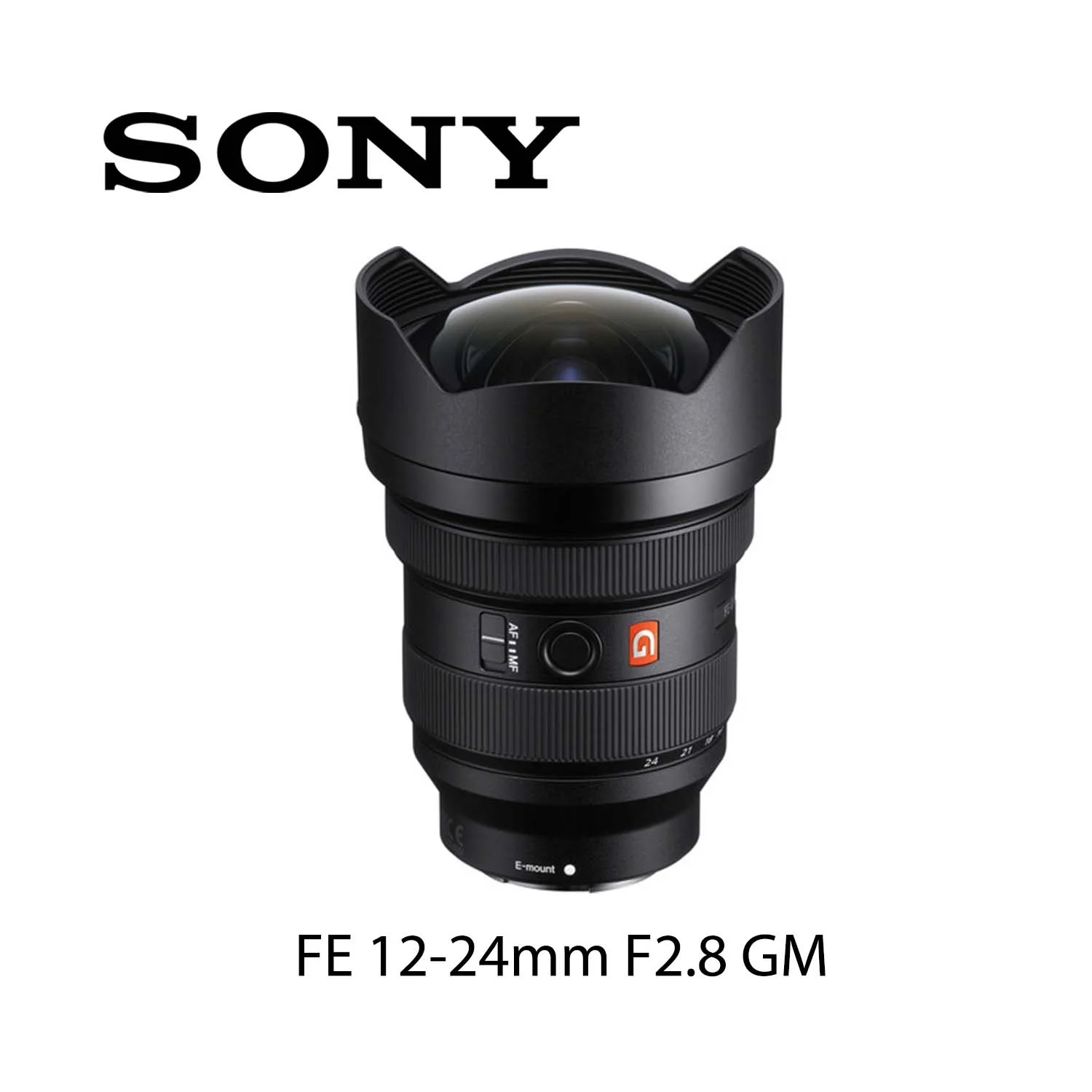
Sony FE 12-24mm f/2.8 GM
Sony FE 12-24mm f/2.8 GM is a best-in-class ultra wide-angle zoom that pairs an unusually wide 12mm field of view with a constant f/2.8 aperture, delivering exceptional low-light and astrophotography performance. Its optical and build quality produce edge-to-edge sharpness and superior coma control compared with the other f/2.8 options, though it commands a premium price versus more budget-friendly choices like the Canon RF 10-20mm f/4 and Tamron 17-28mm.
We may earn a commission on purchases. It never affects our rankings.
£1,669.00GBP
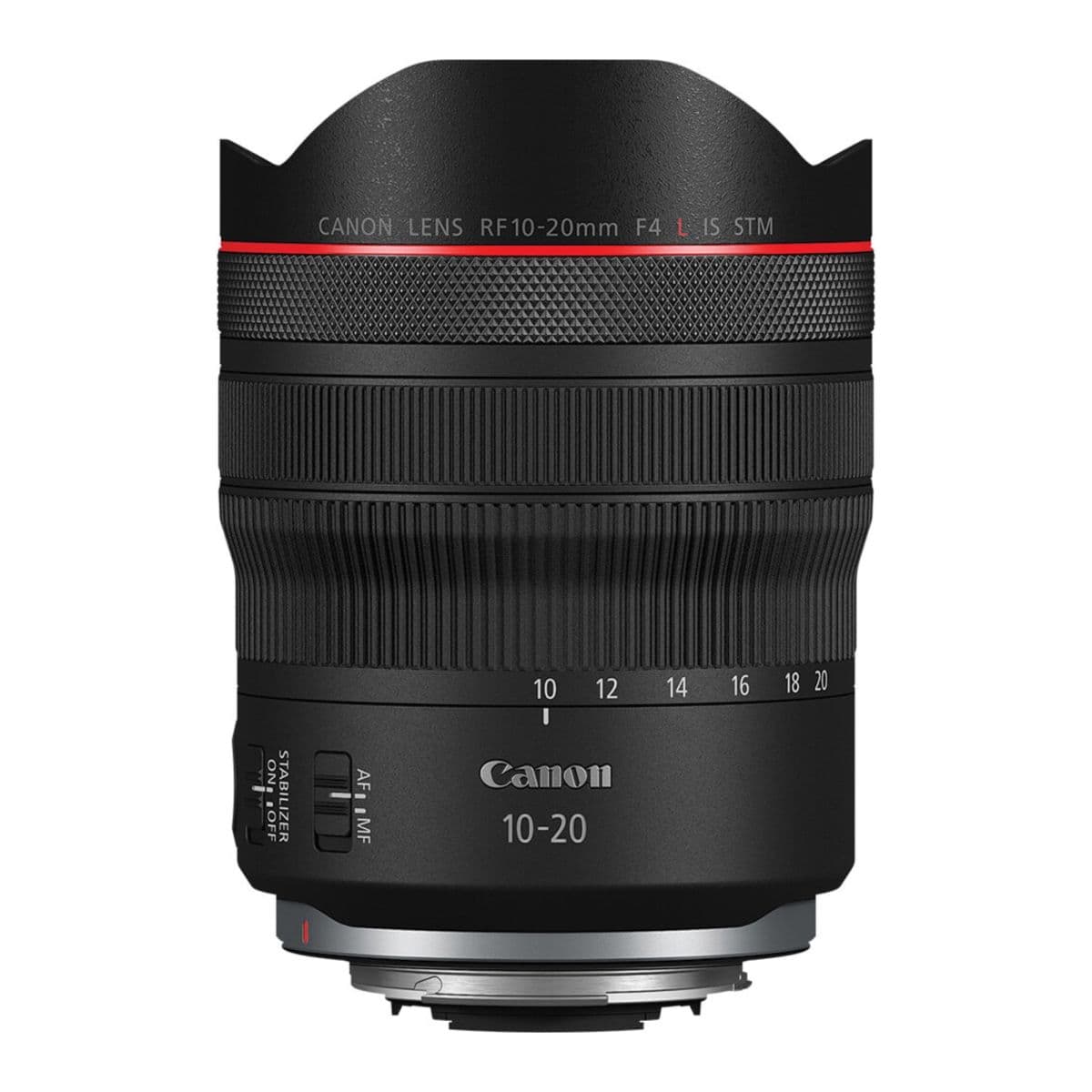
Canon RF 10-20mm f/4 L IS STM
Canon RF 10-20mm f/4 L IS STM is a practical, value-minded ultra-wide designed for handheld and architectural work, offering a unique 10mm reach plus built-in image stabilization at a modest constant f/4. It doesn't match the low-light speed or extreme edge performance of the f/2.8 flagships from Sony and Nikon, but its lighter weight, broader field of view and lower price make it a strong market option for travel and interior photographers who prioritize stability and cost over absolute maximum performance.
Nikon Z 14-24mm f/2.8 S
Nikon Z 14-24mm f/2.8 S is a professional-grade ultra wide-angle that delivers top-tier resolution, contrast and flare resistance in a Z-mount-optimized design, making it a market leader for landscape and night-sky shooters. It rivals the Sony FE 12-24mm GM in image quality while offering slightly less extreme ultra-wide reach, and typically sits as a competitive alternative on value and native-mount integration compared with third-party options like the Sigma and Tamron.

We may earn a commission on purchases. It never affects our rankings.
£2,359.00GBP
Sigma 14-24mm f/2.8 DG DN Art
Sigma 14-24mm f/2.8 DG DN Art delivers near-flagship optical performance at a more accessible price, offering many of the resolution and aberration-control benefits of the Sony and Nikon f/2.8 zooms but with a stronger value proposition. That combination of high image quality and comparatively lower cost makes it an attractive choice for photographers who want pro-level ultra wide-angle performance without paying the premium of OEM flagship lenses, though it may trade some mount-specific optimizations and feature polish found in native-brand models.

Estimated£900 – £1,100
Tamron 17-28mm f/2.8 Di III RXD
Tamron 17-28mm f/2.8 Di III RXD is the compact, budget-friendly fast ultra-wide zoom built for mirrorless travel shooters who prioritize light weight and affordability while retaining an f/2.8 aperture. Its 17mm short end doesn't offer the extreme wide coverage of the 10–12mm models and its edge resolution is slightly behind the high-end flagships, but it undercuts the Sony and Nikon f/2.8 leaders on price and size, making it a sensible everyday option for enthusiasts.

Estimated£500 – £700
Why ultra wide-angle lenses matter: research and practical benefits
At a basic level, ultra wide-angle lenses increase field of view by using much shorter focal lengths relative to full-frame, APS-C, or Micro Four Thirds sensors. That wider field changes perspective and exaggerates foreground-to-background relationships, creating an impression of depth and scale. Optical engineering advances over the last decade, including aspherical elements, low dispersion glass, advanced coatings and floating element groups, have reduced common wide-angle issues such as chromatic aberration, softness at the edges and flare. In parallel, computational corrections built into modern cameras and post-processing software correct residual distortion and vignetting while preserving sharpness. Industry and academic research into human visual perception supports the idea that broader fields of view can increase the perceived spaciousness of a scene, an effect exploited in architectural and real estate photography to make interiors appear larger and more inviting.
Field of view and perspective: shorter focal lengths capture more of a scene and exaggerate foreground elements, enhancing depth.
Optical improvements: aspherical and extra-low dispersion elements help keep edges sharp and reduce colour fringing.
Coatings and flare control: multi-coating systems reduce ghosting and flare in backlit or high-contrast UK weather.
Computational correction: in-camera lens profiles and RAW processing correct distortion and vignetting while maintaining detail.
Practical benefits: compact mirrorless-native designs and weather-sealed barrels match the needs of UK outdoor photographers.
Use cases backed by perception studies: wide views boost perceived space in interiors and can improve emotional impact in landscape imagery.
Frequently Asked Questions
Which ultra wide-angle lens is best for professional landscape photography?
The Nikon Z 14-24mm f/2.8 S is the ideal choice for landscape photographers due to its S-line optical design, which provides outstanding resolution, contrast, and near-zero distortion for capturing dynamic skies and expansive terrain.
Does the Sony FE 12-24mm f/2.8 GM have a constant aperture?
Yes, the Sony FE 12-24mm f/2.8 GM features a constant f/2.8 aperture across its entire zoom range, which ensures consistent exposure settings and superior low-light performance for astrophotography.
Is the Canon RF 10-20mm f/4 L IS STM good for handheld shooting?
The Canon RF 10-20mm f/4 L IS STM is specifically designed for handheld work, as it includes built-in optical Image Stabilization to help keep your shots steady even when shooting at the wider 10mm focal length.
What is the average user rating for the Nikon Z 14-24mm f/2.8 S?
The Nikon Z 14-24mm f/2.8 S holds an average user rating of 4.7, reflecting its high performance in weather-sealed, professional-grade environments.
Conclusion
This page currently lists 0 ranked options for ultra wide-angle lenses in the UK for 2026 due to undefined product selection. If you did not find what you were looking for, try refining or expanding your search by mount, focal length range, budget, size, or features such as image stabilization and weather sealing. You can also use the search to explore related categories and compare specifications across brands.