Cinema Digital Camcorders UK — Top Picks for 2026
Published on Wednesday, 28 January 2026
Cinema digital camcorders are tailored for filmmakers, providing unmatched image quality and creative control. They often support high frame rates and variable resolutions. In the UK market these cameras appeal to independent directors, broadcast professionals, corporate video teams and rental houses because they combine cinematic sensors, robust codecs and modular workflows that speed production and post-production. Buyers here prioritise dynamic range, low-light performance, reliable colour science, lens compatibility and reasonable long-term support or resale value. Whether shooting documentaries in the Lake District, commercials in London or short films on a budget, cinema camcorders deliver the tonal range and latitude that stills cameras and consumer video models cannot match, while offering practical features such as RAW recording, high frame rates for slow motion and professional audio inputs.
Top Picks Summary
Blackmagic Design Pocket Cinema Camera 6K G2
The Pocket Cinema Camera 6K G2 is a best-in-class cinema camcorder for budget-conscious filmmakers, delivering Super 35 6K recording and extensive ProRes/Blackmagic RAW support at a fraction of the cost of high-end systems. For cinema digital camcorders it stands out for its unbeatable price-to-image-quality ratio and tight DaVinci Resolve integration, while remaining far more affordable and compact than the URSA Mini Pro 12K, RED Komodo, and many full-frame Sony and Canon options.

£1,800 – £2,200
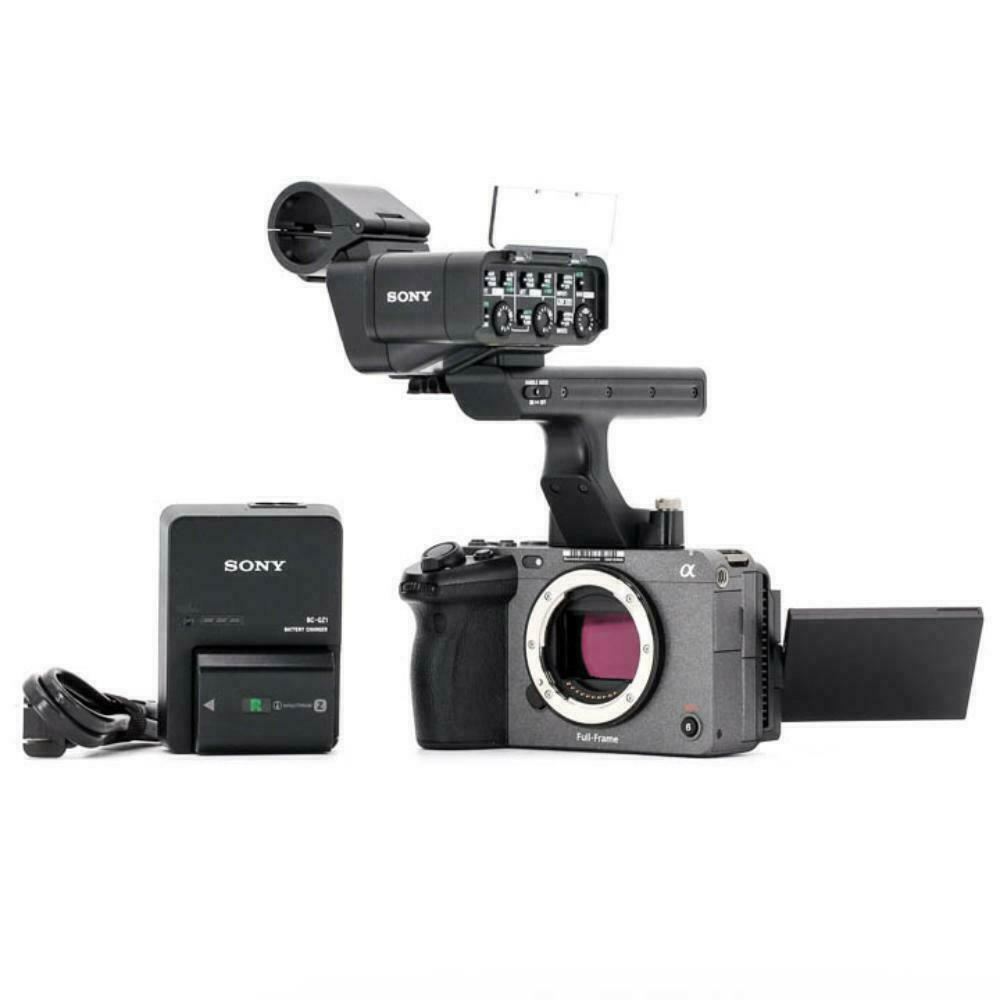
Sony FX3 Full-Frame Cinema Camera
The FX3 is Sony's compact full-frame cinema camera optimized for run-and-gun cinema work, offering exceptional low-light performance, fast autofocus, and a gimbal-friendly lightweight body. Within the cinema digital camcorders list it competes by delivering full-frame tonality and reliability to solo operators who want better low-light and autofocus than the BMPCC 6K G2, while being more portable than the FX6 and less costly than RED or high-resolution URSA setups.
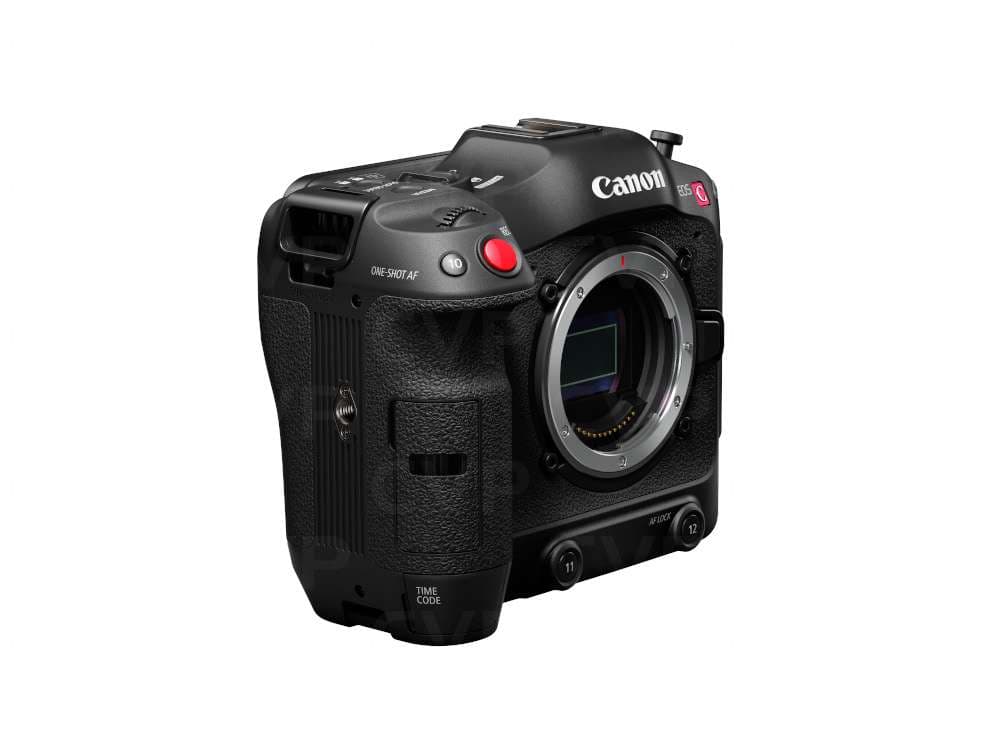
Canon EOS C70 Cinema Camera
The EOS C70 brings Canon's cinematic color science and RF-mount flexibility to a compact Super35 DGO-sensor cinema camera that balances image quality and ergonomics for professional productions. In the cinema digital camcorders set it positions itself between pocket-style value models and heavyweight high-res systems, offering superior in-camera codecs and lens ecosystem advantages over many Blackmagic and Panasonic choices while often costing less than RED/URSA high-end rigs.
Sony FX6 Full-Frame Cinema Camera
The FX6 is a professional full-frame cinema camera that combines excellent low-light dynamic range, cinema ergonomics with integrated XLR audio, and flexible codec options for crewed productions. Compared to its compact sibling the FX3 and to competitors like the C70 or RED Komodo, it targets shooters who need a more traditional shoulder/crew setup without stepping up to the much higher expense and data demands of 12K or flagship RED workflows.

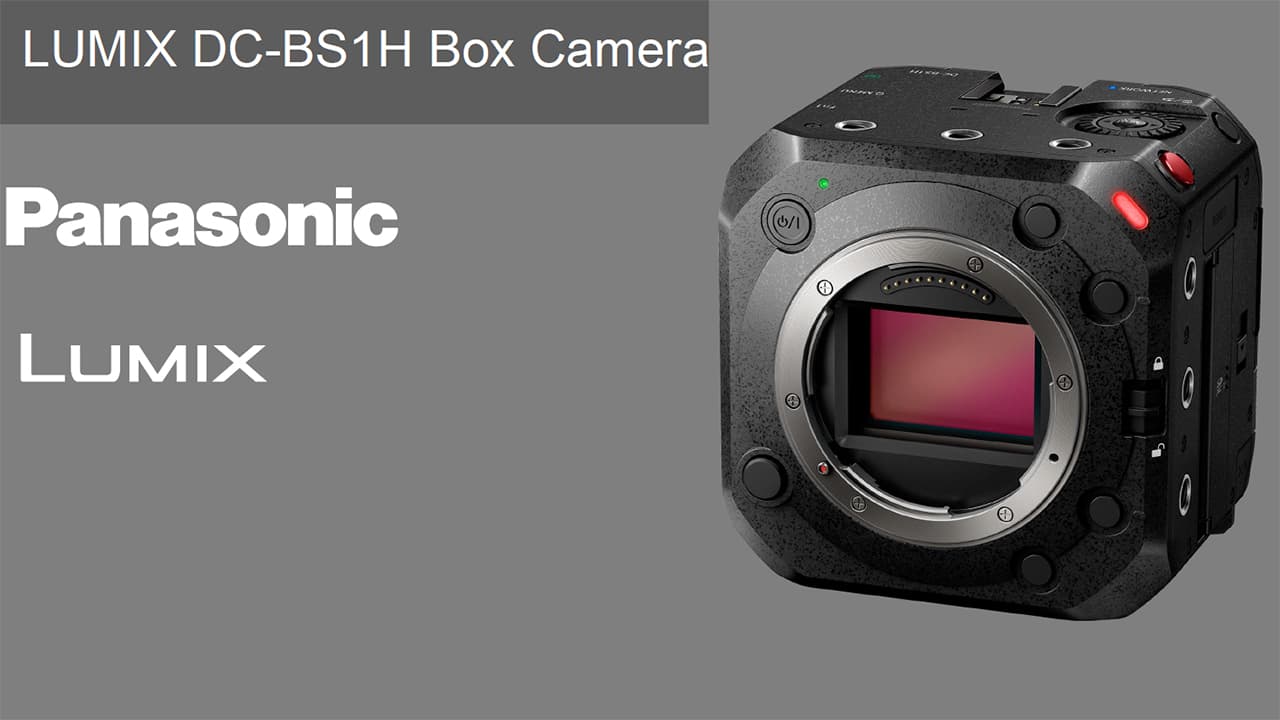
Panasonic Lumix BS1H
The Lumix BS1H is a compact box-style full-frame cinema camcorder derived from Panasonic's S1H heritage, offering uncropped full-frame video, long recording capability, and easy integration into live and streaming rigs. In the cinema digital camcorders lineup it provides a cost-effective full-frame option for broadcasters and gimbal shooters who prefer a continuous-recording, compact platform compared with the more cinema-optimized RAW pipelines and color science of Canon, RED, and Blackmagic alternatives.
£1,700 – £2,300
RED Komodo 6K Cinema Camera
The RED Komodo 6K is a compact, modular cinema camcorder featuring RED's 6K sensor and a global shutter for motion-critical shooting, paired with RED's robust RAW ecosystem and grading headroom. For cinema digital camcorders it delivers an industry-standard high-end workflow in a smaller package than the URSA 12K, offering superior post-production flexibility and modularity but at higher accessory and post-production costs than entry-level Blackmagic and Sony models.

Why cinema camcorders improve image quality: research and practical evidence
Multiple technical fields support why cinema camcorders deliver superior results. Sensor dynamic range and bit depth directly affect the amount of recoverable detail in highlights and shadows, which matters for HDR deliverables and complex lighting. Human vision research shows people are sensitive to tone mapping and subtle colour gradations, so cameras with better colour science and higher bit depth yield a more pleasing and flexible image in grading. Studies and technical papers presented at industry forums such as SMPTE and IEEE, plus independent lab tests, consistently show that sensor size, pixel design and processing pipeline influence noise performance and colour fidelity. High frame rate capture reduces motion blur and preserves temporal detail, which improves perceived sharpness and motion smoothness on modern displays. Finally, efficient high-bitrate codecs and RAW formats preserve information through editing and colour grading, enabling creative decisions without visible compression artifacts.
Dynamic range: tests by industry labs show higher dynamic range yields more recoverable detail in highlights and shadows, improving HDR grading outcomes.
Colour fidelity: increased bit depth and well-designed colour pipelines allow finer grading decisions and reduce posterisation in skin tones and gradients.
Motion and frame rate: perceptual research shows higher frame rates reduce motion blur and improve clarity for fast motion, useful for sports and action.
Sensor vs optics: image quality depends on both sensor capability and lens quality; higher resolution sensors require good optics to realise detail.
Post-production workflow: RAW and high-bitrate codecs retain more information for grading and visual effects, reducing re-shoots and saving time on set.
Frequently Asked Questions
Which cinema camcorder should I buy for filmmaking?
Choose the Blackmagic Design Pocket Cinema Camera 6K G2 if you’re budget-conscious but want Super 35 6K recording, since it includes Blackmagic RAW support, a compact handheld body, and an average rating of 4.6.
What resolution and sensor does the Pocket Cinema Camera 6K G2 have?
The Blackmagic Design Pocket Cinema Camera 6K G2 uses a 6K Super 35 sensor and records in Blackmagic RAW for cinematic image quality, with an average rating of 4.6.
Does the Sony FX3 justify the price for run and gun?
The Sony FX3 Full-Frame Cinema Camera is built for run-and-gun work with 4K recording up to 120fps in a compact, gimbal-friendly body, and it has an average rating of 4.5; price details aren’t provided.
Is the Canon EOS C70 compatible with RF lenses?
Yes—the Canon EOS C70 Cinema Camera has a native RF mount for modern lens ecosystems, uses a Super35 DGO sensor, and includes internal Cinema RAW Light and XF-AVC recording; warranty duration isn’t provided.
Conclusion
In the UK 2026 landscape these cinema digital camcorders meet the diverse needs of filmmakers and production teams. The models covered on this page include the Blackmagic Design Pocket Cinema Camera 6K G2, Sony FX3 Full-Frame Cinema Camera, Canon EOS C70 Cinema Camera, Blackmagic Design URSA Mini Pro 12K, Sony FX6 Full-Frame Cinema Camera, Panasonic Lumix BS1H and RED Komodo 6K Cinema Camera. For most independent filmmakers seeking the best mix of image quality, RAW workflow and price, the Blackmagic Design Pocket Cinema Camera 6K G2 stands out as the best overall choice here. We hope you found what you were looking for; you can refine or expand your search using the site search to compare specific features, budgets or lens systems.