APS-C DSLR Cameras in the UK - Top 5 Choices for 2026
Published on Monday, 26 January 2026
APS-C DSLR cameras combine a mid-sized image sensor with a traditional single-lens reflex design to deliver a strong mix of image quality, ergonomic handling and a wide lens ecosystem. In the UK market these cameras appeal to hobbyists, photography students, sports and wildlife enthusiasts on a budget, and professionals who value optical viewfinders and long battery life. Buyers in the UK often prioritise value for money, build quality and compatibility with existing lenses, and they use the robust second-hand market and rental services to access higher-end glass. Although mirrorless systems have grown rapidly, APS-C DSLRs remain attractive where optical viewfinders, proven lens lineups and long operational time per charge are decisive factors.
Top Picks Summary
Canon EOS 90D
The Canon EOS 90D is Canon's high-resolution APS-C DSLR for enthusiast photographers, offering a detailed sensor and versatile feature set that sits between entry-level bodies and full-frame alternatives. Compared with the more action-focused Nikon D500 and the rugged Pentax K-3 Mark III, the 90D emphasizes resolution and balanced stills/video capability at a midrange price, delivering strong technical value for hybrid shooters who want more pixels than the 850D without the professional cost of the D500.

£800 – £1,050
Nikon D7500
The Nikon D7500 is an enthusiast-focused APS-C DSLR that prioritizes low-light performance, refinement and affordability, making it a practical step up from beginner models. While it doesn't match the D500's pro-grade speed or the Pentax's extreme weather sealing, it undercuts higher-end options like the 90D on price while offering better sustained performance than Canon's 850D, delivering a strong mix of image quality and value for serious hobbyists.

£650 – £850
Canon EOS 850D
The Canon EOS 850D (Rebel-series) targets entry-to-enthusiast APS-C users with modern autofocus, solid image quality and a very wallet-friendly price compared to the 90D and D500. It sacrifices some high-end resolution and professional speed found in the 90D and D500, and lacks the Pentax's rugged build, but provides the best-value gateway for photographers upgrading from basic kit bodies.
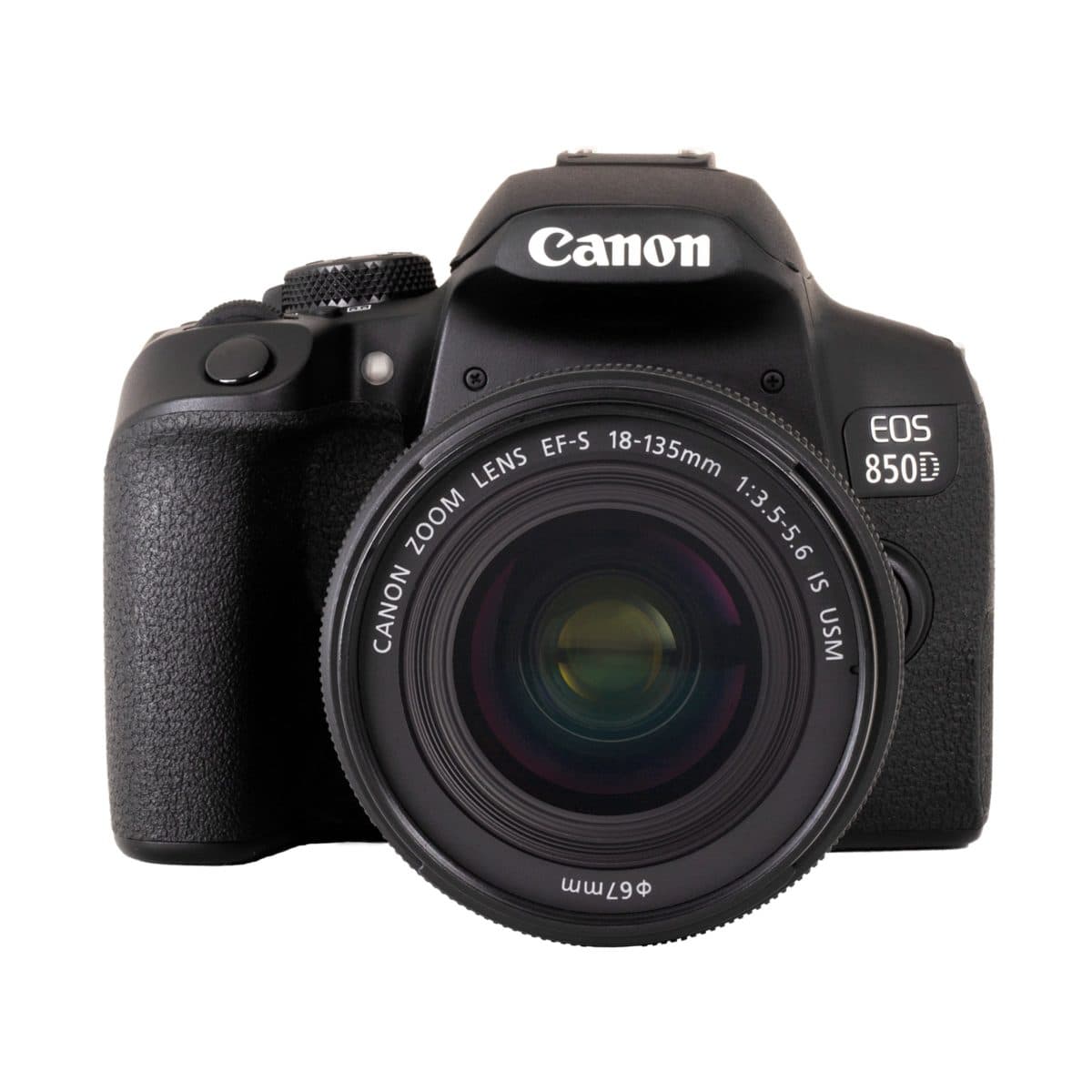
£450 – £650
Pentax K-3 Mark III
The Pentax K-3 Mark III is the most rugged and build-focused APS-C DSLR in this group, prized for its weather sealing, long-term reliability and extensive K-mount lens compatibility that appeals to landscape and field photographers. Priced toward the premium end of the APS-C segment, it delivers unique technical advantages in durability and specialized features that offer excellent lifetime value compared with consumer-focused models like the 850D or the resolution-oriented 90D.

£1,700 – £2,100
Nikon D500
The Nikon D500 is the market-leading APS-C DSLR for action, sports and wildlife photographers thanks to its pro-grade autofocus, fast burst shooting and robust chassis, and it commands a higher price because it delivers professional performance that outstrips the D7500 and consumer Canons. For buyers who prioritize speed, tracking and reliability in the field over sheer resolution, the D500 remains the technical benchmark among these APS-C options.
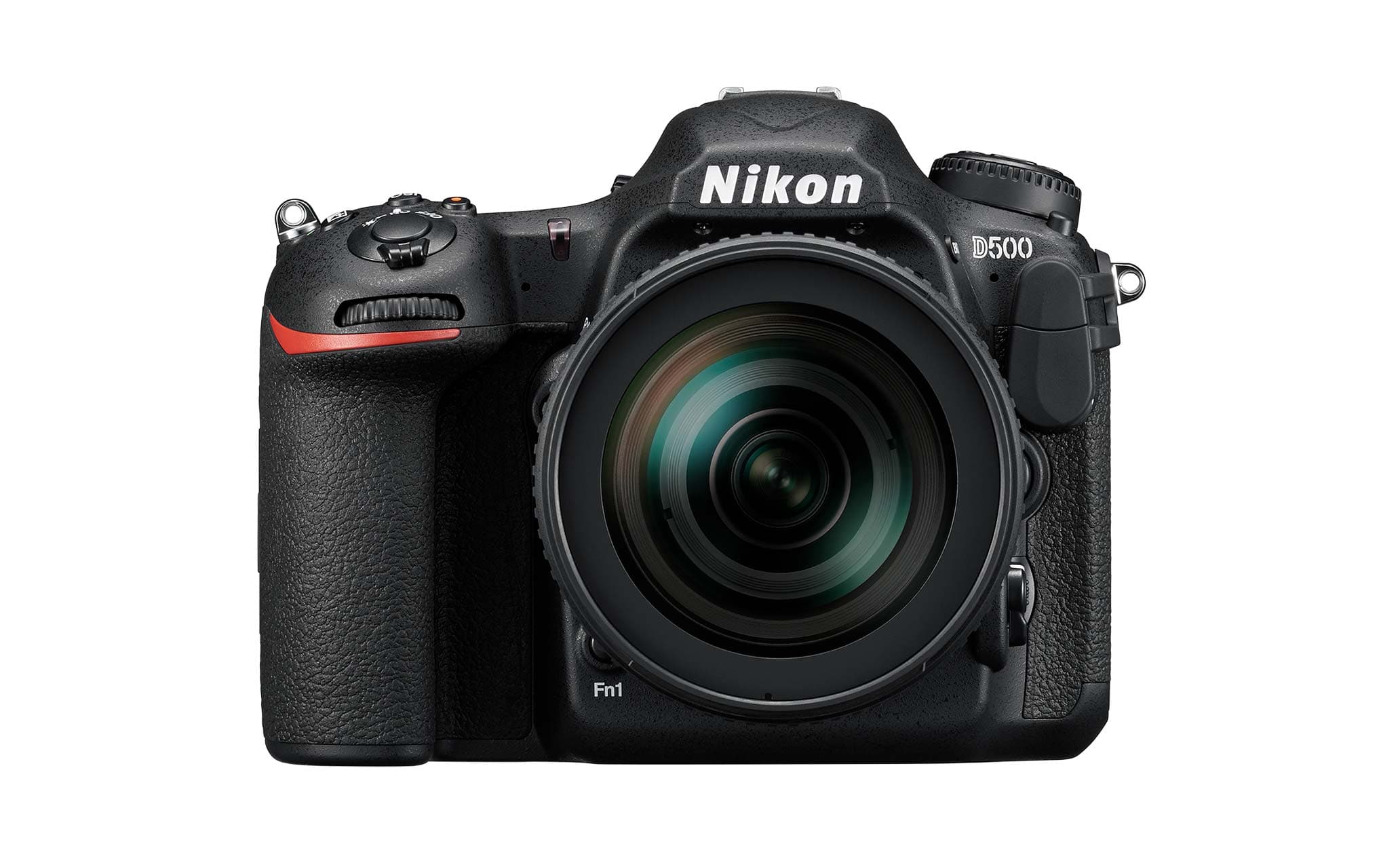
£1,100 – £1,700
Why APS-C Sensors and DSLR Design Work Well
Scientific principles of image sensors and optics explain why APS-C DSLRs balance performance and cost. The APS-C sensor size gives a crop factor that increases effective telephoto reach with the same lenses, while still keeping camera bodies and lenses smaller and cheaper than full-frame systems. Optical viewfinders provide real-time, latency-free composition and reliable performance in varied light. Research in sensor physics and imaging shows trade-offs between sensor area, pixel size and noise performance; in practical terms APS-C cameras often deliver excellent results for many genres of photography without the higher cost of full-frame equipment.
Crop factor effect: APS-C sensors (about 1.5x crop) give extra apparent reach for telephoto work, useful for wildlife and sports without needing longer lenses.
Signal to noise trade-off: Studies in sensor design show larger pixels improve low-light noise performance, but APS-C sensor designs balance pixel size and resolution to keep noise low at consumer price points.
Depth of field: For the same framing and aperture, APS-C sensors yield deeper depth of field than full-frame, which can be beneficial for landscape and macro work and easier focus control for beginners.
Lens ecosystem and cost: Optical engineering research and market analyses note that APS-C lenses can be smaller, lighter and less expensive while still delivering sharp results, improving portability and affordability.
Operational advantages: DSLR designs deliver long battery life and a bright optical viewfinder, practical advantages supported by usage studies in field photography and education.
Frequently Asked Questions
Which APS-C DSLR should I buy for fast action?
Choose the Canon EOS 90D for fast-paced stills because it offers 10 fps continuous shooting with robust autofocus, has a 32.5MP APS-C sensor for detailed cropping, and averages a 4.5 rating.
What autofocus feature does the Nikon D7500 have?
The Nikon D7500 has reliable AF for sports and wildlife and includes 4K UHD video, plus an 8 fps continuous shooting mode for steady bursts.
How does Canon EOS 850D price compare to Canon EOS 90D?
The provided data doesn’t include UK prices for Canon EOS 850D or Canon EOS 90D, so I can’t compare value by cost; both ratings are listed (4.4 for 850D, 4.5 for 90D).
Is the Canon EOS 850D good for outdoor shooting?
The Canon EOS 850D isn’t described as weather-sealed in the provided details; the Nikon D7500 is specifically noted as having a durable, weather-sealed body for outdoor shooting, and it averages a 4.4 rating.
Conclusion
APS-C DSLRs continue to be a practical choice in the UK for many photographers who value durability, lens choice and the optical viewfinder experience. We hope this overview helped you understand the category. If you did not find a specific model here, try refining or expanding your search using the site search to look for particular features, budgets or used options.