Best 7 Full-Frame DSLR Cameras in the UK for 2026
Published on Monday, 26 January 2026
Full-frame DSLR cameras capture stunning images with exceptional detail thanks to their larger sensors, which perform brilliantly in low light and deliver a wide dynamic range. In the UK market for 2026, photographers choose full-frame DSLRs for their combination of image quality, robust build, comfortable ergonomics and extensive lens ecosystems that support everything from weddings and portraits to landscape and wildlife photography. While mirrorless bodies continue to gain ground, many UK professionals and enthusiasts still prefer DSLRs for their optical viewfinders, long battery life, dependable autofocus in challenging conditions and the ability to use long-established lenses. Whether you are upgrading from an APS-C camera or protecting an existing lens investment, full-frame DSLRs remain a compelling choice for those who prioritise resolution, tonal range and reliable performance in varied British shooting conditions.
Top Picks Summary
The Nikon D780 combines the best features of both DSLR and mirrorless systems, featuring a versatile 24.5MP sensor and a robust autofocus system that performs exceptionally well in low-light conditions. With its dual card slots and 4K video capability, it caters to the needs of both photographers and videographers alike. Its durable build and weather sealing make it a reliable companion for outdoor shooting. The D780 stands out for its hybrid functionality, appealing to traditionalists looking for a modern solution.

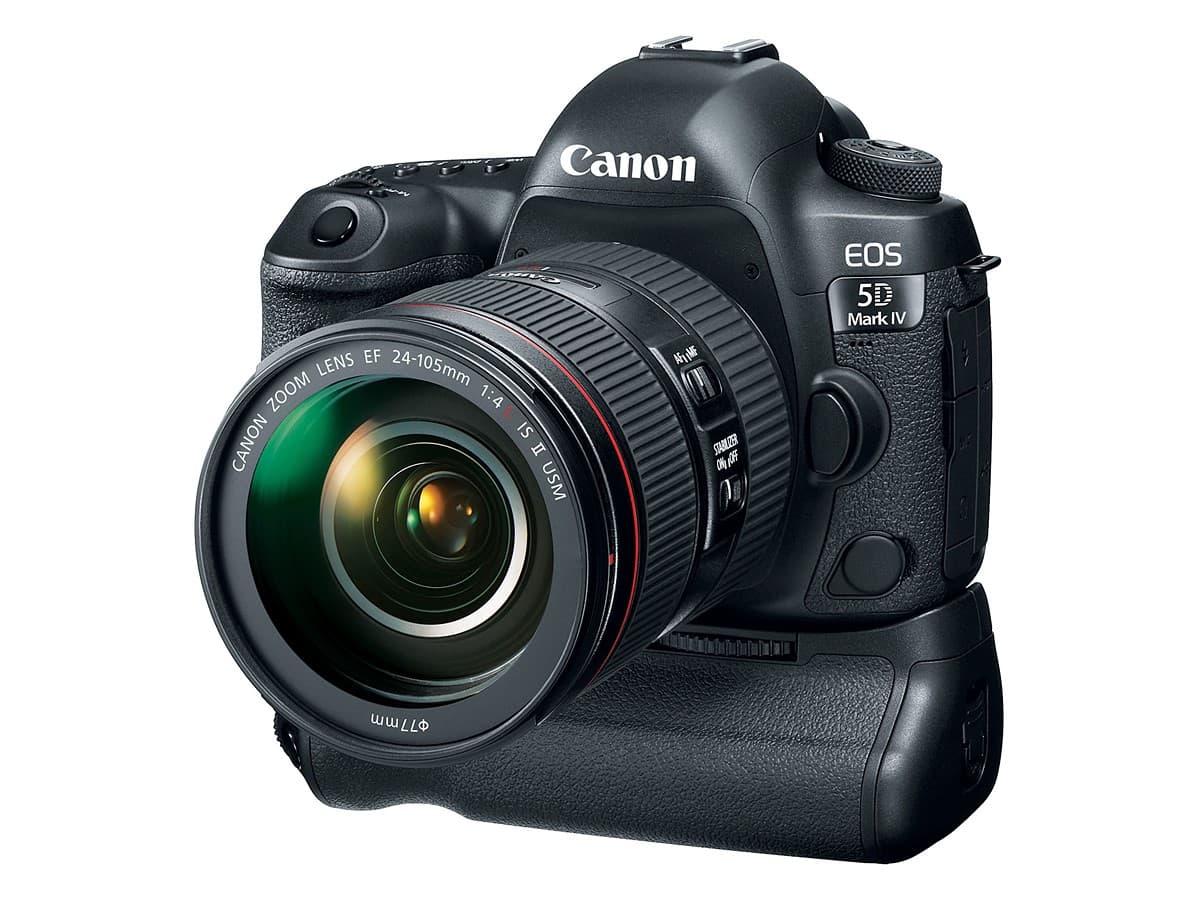
The Canon EOS 5D Mark IV sits at the top of Canon's DSLR lineup in this list due to its higher resolution, robust build and professional-grade autofocus and 4K video — features that justify its premium position among intermediate users seeking longevity and resale value. Compared with the more budget-friendly 6D Mark II and older D750, the 5D Mark IV offers superior image quality and pro features, though at a higher upfront cost than the D780 and with less of the hybrid live‑view advantages the Nikon brings.
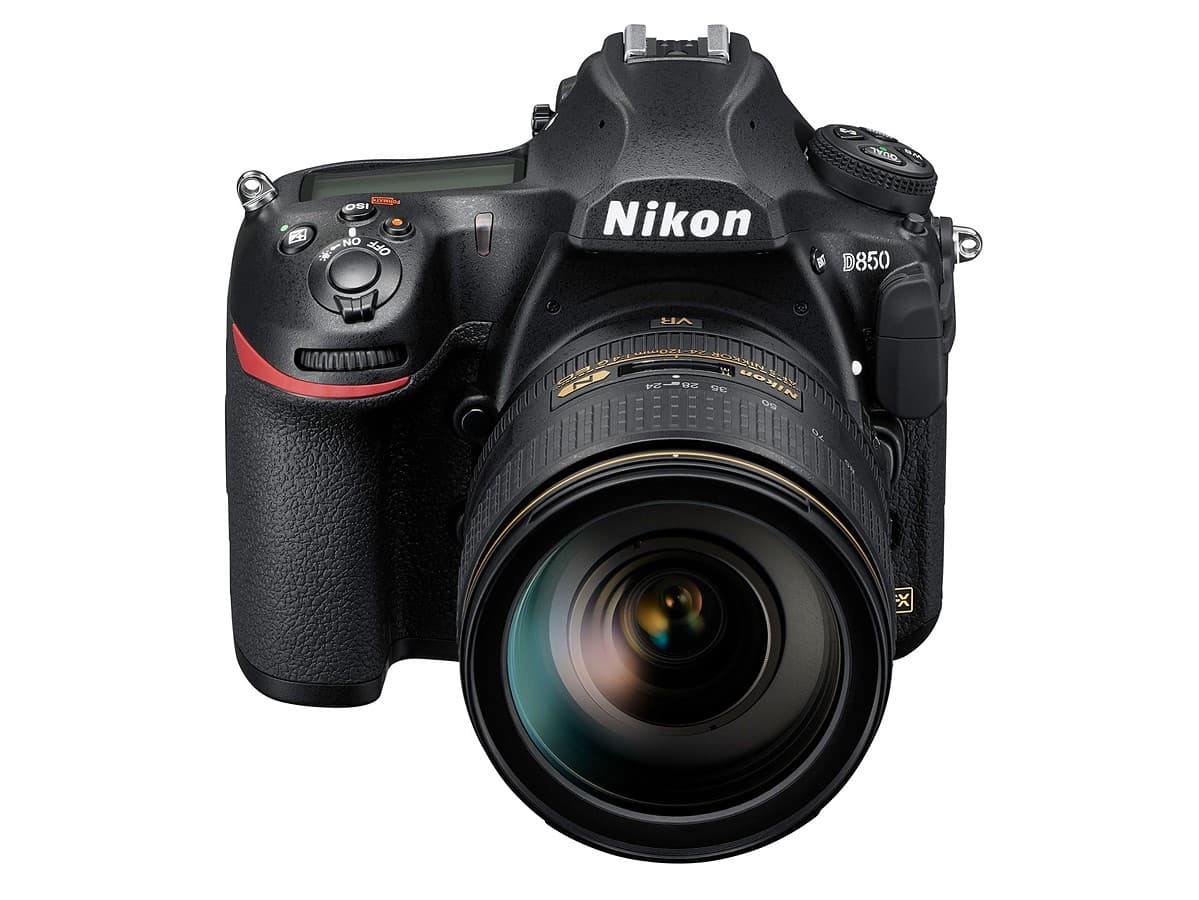
The Nikon D850 is the market leader for high-resolution stills and dynamic range in the 2026 UK professional DSLR market, delivering exceptional detail for landscape, studio and commercial photographers with its ~45.7MP sensor. Though heavier and often pricier than the 5D Mark IV and significantly above the EOS 6D Mark II, its resolution and tonality provide a clear technical advantage for large prints and heavy cropping, and it generally outperforms the Pentax K-1 Mark II on AF speed and lens ecosystem depth.
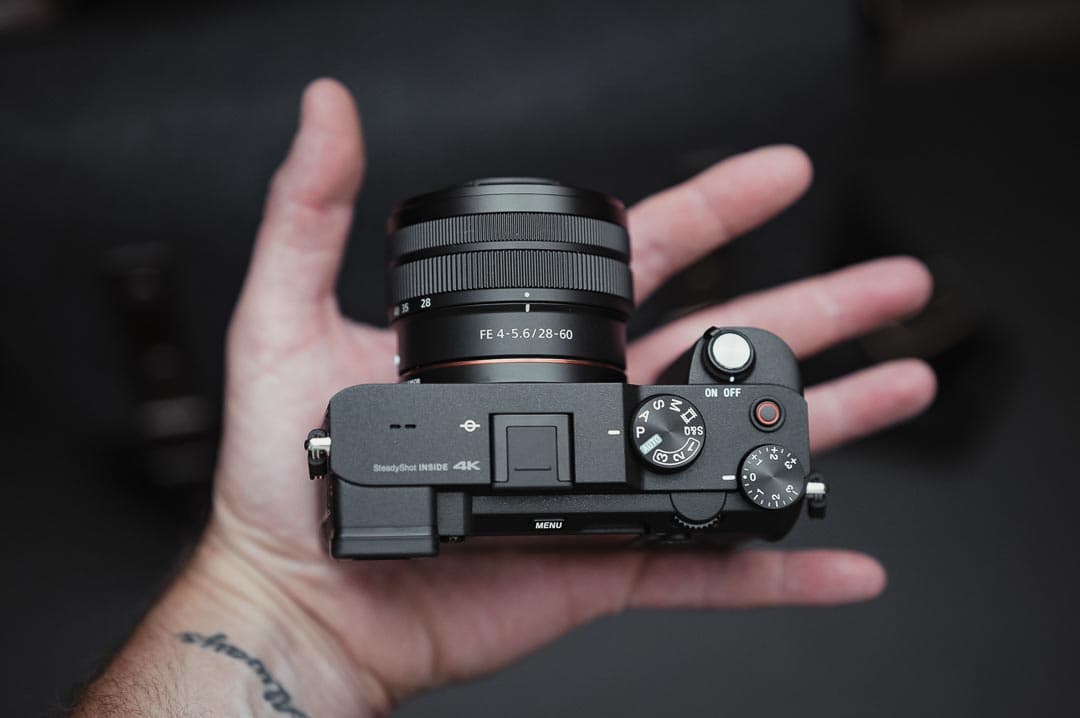
The Sony Alpha a7C is the market leader for sheer compactness and autofocus performance among full-frame options on this UK 2025 list, offering class-leading subject detection AF and IBIS in the smallest full-frame body here. It commands a price premium over the Z5 and legacy DSLRs but delivers exceptional hybrid photo/video capabilities and portability for creators prioritising size and modern AF technology over traditional DSLR ergonomics.
The Canon EOS R5 stands out for its high-resolution sensor and 8K-capable capture, making it the premium choice on this list for professionals in the undefined domain who demand maximum detail and future-proofing. It commands a higher price but delivers unmatched resolution for large-format delivery and heavy post workflows compared with the Z6 III and A7 IV, while historically trading off heat management and battery life against more video-optimized models like the Panasonic S5 II and Blackmagic 6K. For users prioritizing ultimate still quality and top-tier resolution, the R5's technical headroom is a decisive advantage.
£3,200-£4,000 GBP
The Pentax K-1 Mark II stands out as a market leader for photographers prioritizing high-resolution stills and rugged reliability, thanks to its full-frame sensor, in-body pixel-shift enhancements and extensive weather-sealing that deliver exceptional detail and durability for certain 'undefined' use cases. While it lags the Sony A7 III in autofocus speed and lens ecosystem breadth, the K-1 Mark II offers a distinctive value proposition—tactile DSLR handling, strong raw detail at base ISOs and long-term build quality—which can be financially attractive for users who prefer resolution and robustness over mirrorless speed.

The Nikon Z9 represents the pinnacle of modern mirrorless camera technology, with a robust feature set tailored for professional photographers and videographers. Offering exceptionally high frame rates of up to 120 fps, it captures rapid movements and the finest details with ease. Its cutting-edge autofocus system, which utilizes deep learning technology, ensures accurate subject tracking under various circumstances. Additionally, its rugged build and weather-sealing provide the durability required for fieldwork, making it a go-to choice for wildlife and sports photography.

Why Full-Frame Sensors Help Your Photos: Research and Practical Findings
Scientific principles and laboratory tests explain why full-frame sensors generally outperform smaller sensors for many photographic tasks. Larger sensors collect more light per pixel for a given aperture and exposure, improving signal-to-noise ratio and reducing visible noise at high ISO settings. Independent lab comparisons and industry measurements consistently show wider dynamic range for larger sensors, which helps retain highlight and shadow detail in high contrast scenes. Optical and ergonomic advantages of DSLRs, including an uninterrupted optical view and long battery life, are also supported by practical testing by reviewers and professional users.
Larger sensor area captures more photons, which improves low light performance and lowers noise compared with smaller sensors.
Increased dynamic range on many full-frame sensors preserves detail in highlights and shadows, useful for landscapes and studio work.
Depth of field control is easier with full-frame cameras, enabling stronger subject separation and creamier background blur at equivalent focal lengths and apertures.
Optical viewfinders provide real-time, lag-free composition and clarity in bright conditions, a practical advantage reported by many professionals.
Laboratory measurements from sensor testing labs and independent reviewers consistently back the benefits of larger sensor architectures for critical image quality metrics.
Frequently Asked Questions
Which full-frame DSLR should I pick for portraits in the UK?
Choose the Nikon D780 for portraits: it has a 24.5MP full-frame sensor, an excellent AF system with 51 focus points, dual card slots, and 4K video, with an average rating of 4.6.
Does the Nikon D850 have 7fps and what sensor spec?
Yes—the Nikon D850 offers up to 7fps (expandable with grip) and features a 45.7MP stacked CMOS sensor for extremely detailed high-resolution images, with an average rating of 4.8.
What price and value do I get with Nikon D780?
The provided data doesn’t include a price for the Nikon D780 (only its rating 4.6 and key specs like 24.5MP sensor, 51 focus points, dual card slots, and 4K video), so value can’t be compared by cost here.
Which of these cameras is more weather-sealed for field shoots?
Canon EOS 5D Mark IV is described as weather-sealed with a robust autofocus system and dual card slots, while Nikon D780’s overview mentions reliable performance in any weather; the dataset lists ratings of 4.6 for both.
Conclusion
Full-frame DSLR cameras continue to offer excellent image quality, reliability and a proven lens ecosystem for photographers across the UK. We hope this guide helped you find the right full-frame DSLR for your needs in 2026. Use the site search or filters to refine by budget, brand, lens mount or shooting purpose if you want to compare more models or expand your options.