APS-C Cameras in the UK — 2026 Category Overview (Top 8 Picks)
Published on Tuesday, 27 January 2026
APS-C refers to a family of cameras that use a crop-sized image sensor smaller than full-frame but larger than micro four thirds. In the UK market APS-C systems remain popular with hobbyists, travel photographers, wildlife enthusiasts and content creators because they offer an attractive balance of image quality, portability and cost. Consumers in the UK often choose APS-C for its lighter camera bodies and lenses, greater effective telephoto reach due to the crop factor, and strong value across new and second-hand markets. The UK photographic ecosystem — including high-street retailers, rental houses and active online communities — supports a wide choice of APS-C mirrorless and DSLR systems from major manufacturers, making it easy to find lenses, accessories and local support. For shoppers in 2026, APS-C continues to be appealing where size, budget and versatility matter more than the absolute best low-light performance of larger sensors.
Top Picks Summary
Sony Alpha A6700
The Sony Alpha A6700 stands out in the APS-C class for its market-leading autofocus and versatile video capabilities, making it the go-to choice for hybrid creators who need reliable subject tracking and fast performance. While it commands a premium compared with entry-level models like the Canon R10 or Fujifilm X-T30 II, the A6700 justifies that cost with smoother workflow and a broader accessory and lens ecosystem than older Sony bodies such as the A6400 or mid-market options like the Nikon Z50 II.
Fujifilm X-T5
The Fujifilm X-T5 takes a best-in-class position for APS-C photographers prioritizing high-resolution stills and in-camera color, delivering superior detail and Fujifilm's acclaimed film simulations that outshine more video-focused rivals like the X-S20 and many Sony models. It sits above budget-friendly options on price, but its technical edge in sensor resolution and JPEG/colour output makes it a better investment for portrait and landscape work compared with compact or entry-level alternatives.
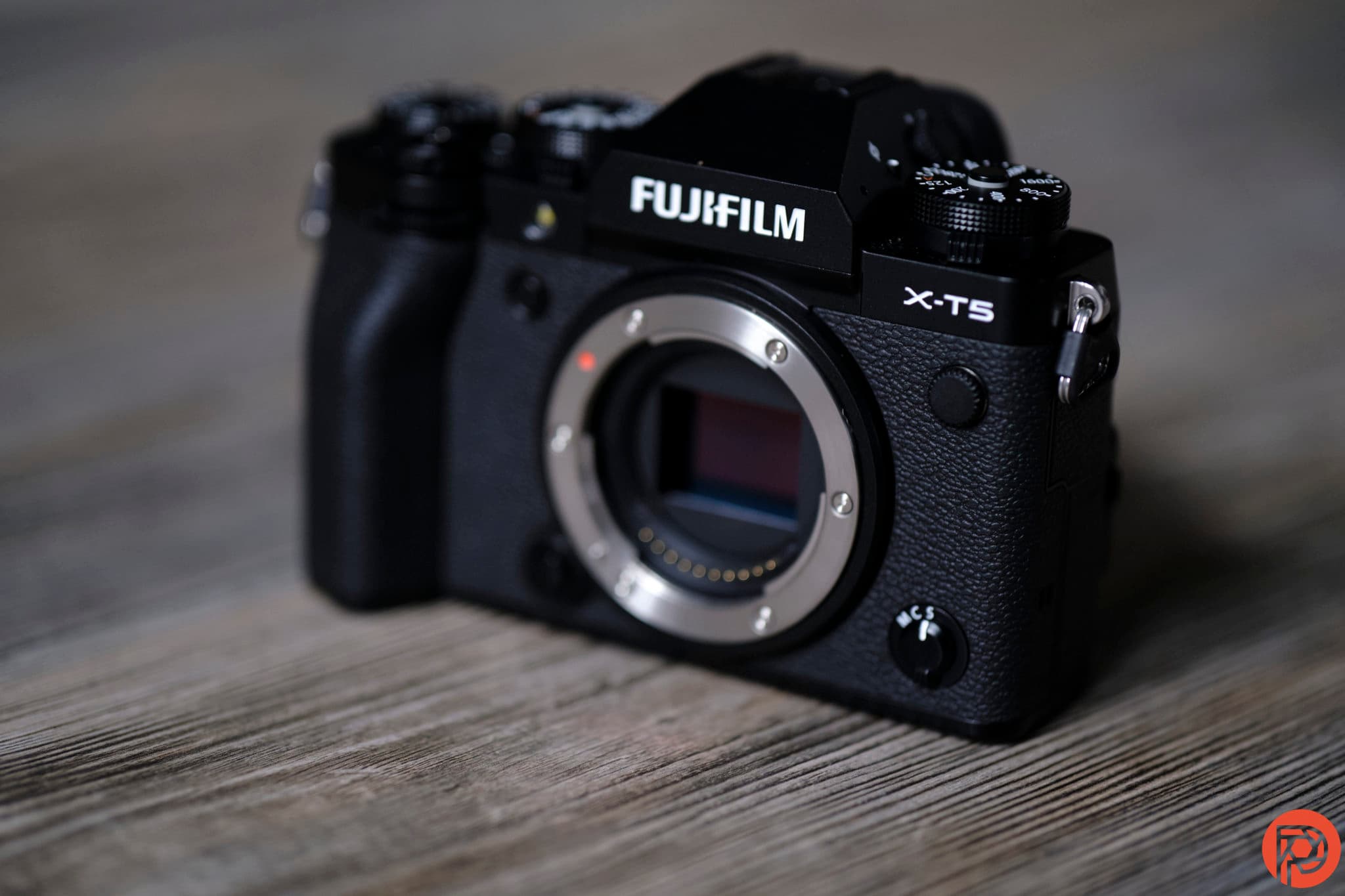
Canon EOS R7
The Canon EOS R7 offers a compelling balance of speed, autofocus performance, and value for APS-C users who shoot sports, wildlife or fast action, often matching or exceeding rivals on burst performance while remaining more affordable than some flagship APS-C hybrids. Compared with competitors such as the Sony A6700 and Fujifilm X-T5, the R7 tends to undercut on price while benefiting from Canon's growing RF-S lens lineup, making it a strong choice for shooters who want pro-level results without full-frame costs.
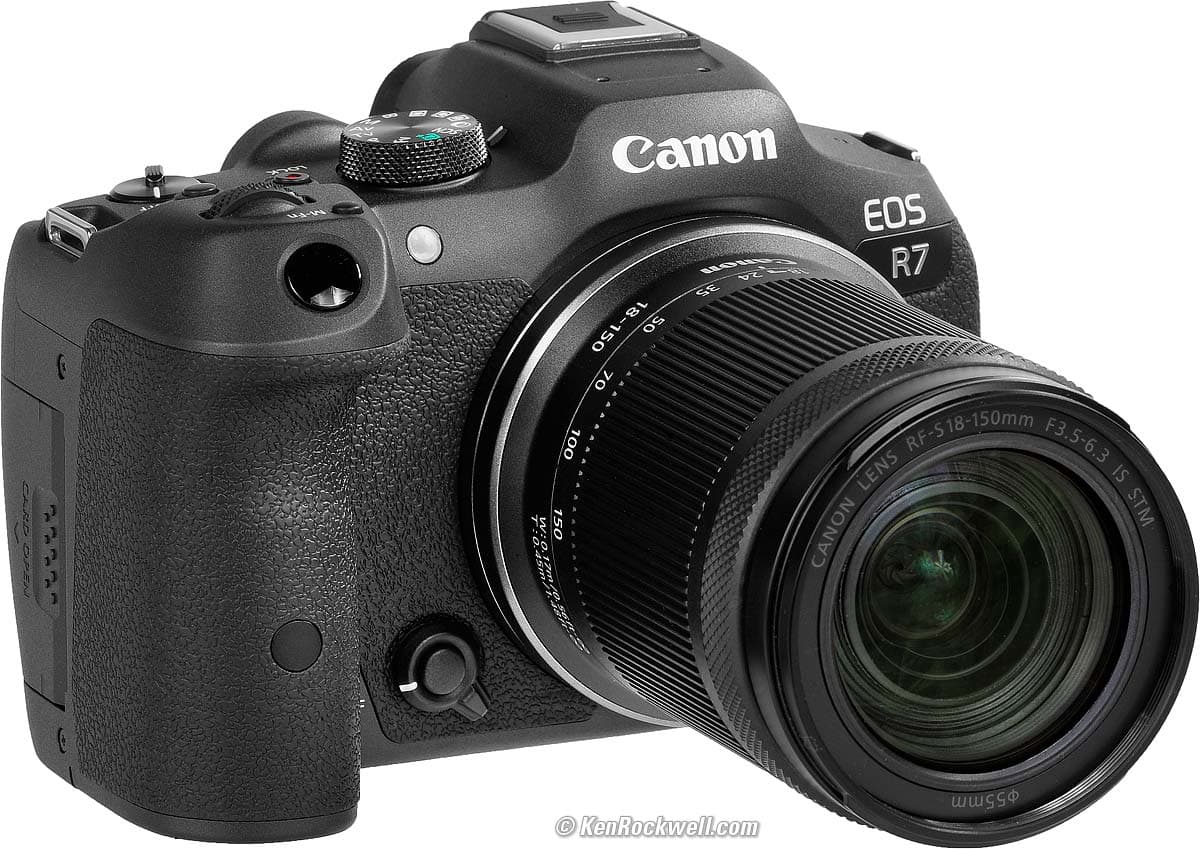
Nikon Z50 II
The Nikon Z50 II is a well-rounded, mid-market APS-C camera that emphasizes approachability and value, providing a sensible upgrade path into Nikon's Z mount without the premium of flagship APS-C models. It may not lead the pack on raw speed or resolution like the A6700 or X-T5, but its competitive pricing and compatibility with a broad range of Z-mount optics (and adapters) make it a practical pick for enthusiasts seeking a balanced system.
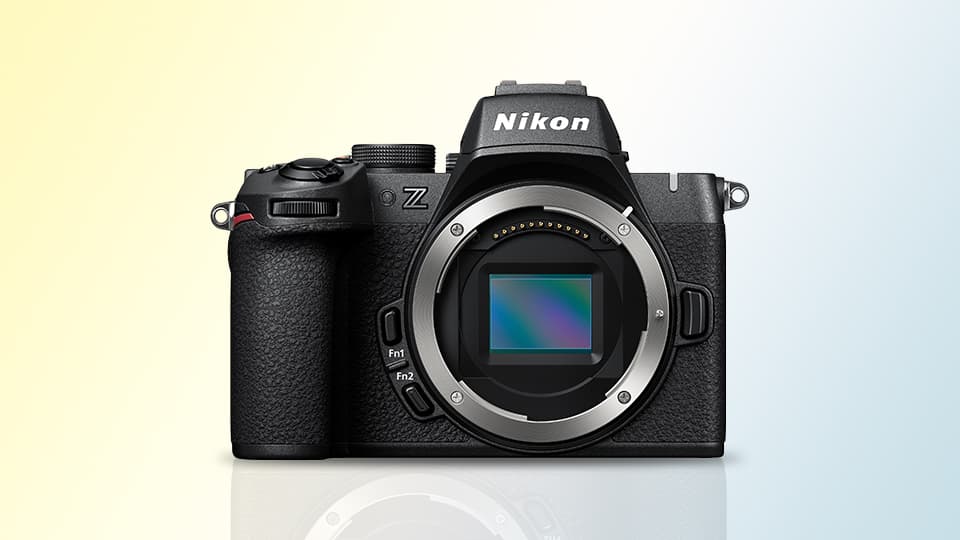
Fujifilm X-S20
The Fujifilm X-S20 positions itself as a video-focused APS-C hybrid that gives creators strong recording capabilities and thermal management at a price point often lower than Sony's top-tier video-centric bodies. While it doesn't aim to out-resolve the X-T5 for stills, its combination of video features, ergonomics, and competitive pricing makes it an attractive alternative for hybrid shooters who want extended recording and good image quality without stepping up to the costlier A6700 or full-frame rigs.
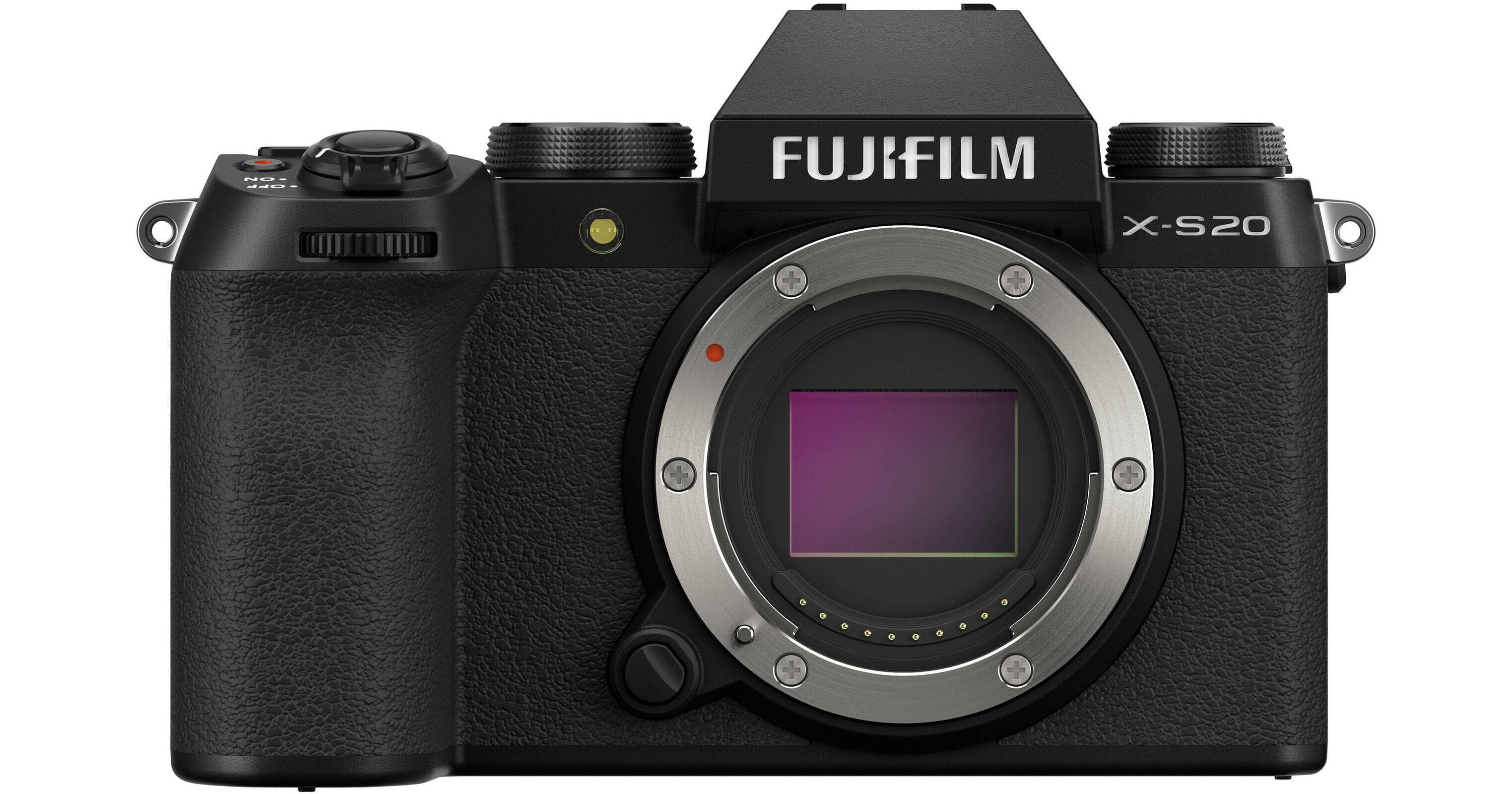
Sony Alpha A6400
The Sony Alpha A6400 remains a high-value APS-C option thanks to its proven autofocus system and compact form factor, making it particularly appealing for budget-conscious photographers and vloggers buying new or used. It lacks some of the newer video and sensor refinements found in the A6700 or Fujifilm X-S20, but its lower price and mature feature set deliver exceptional financial value relative to more recent models.
£600-800 GBP
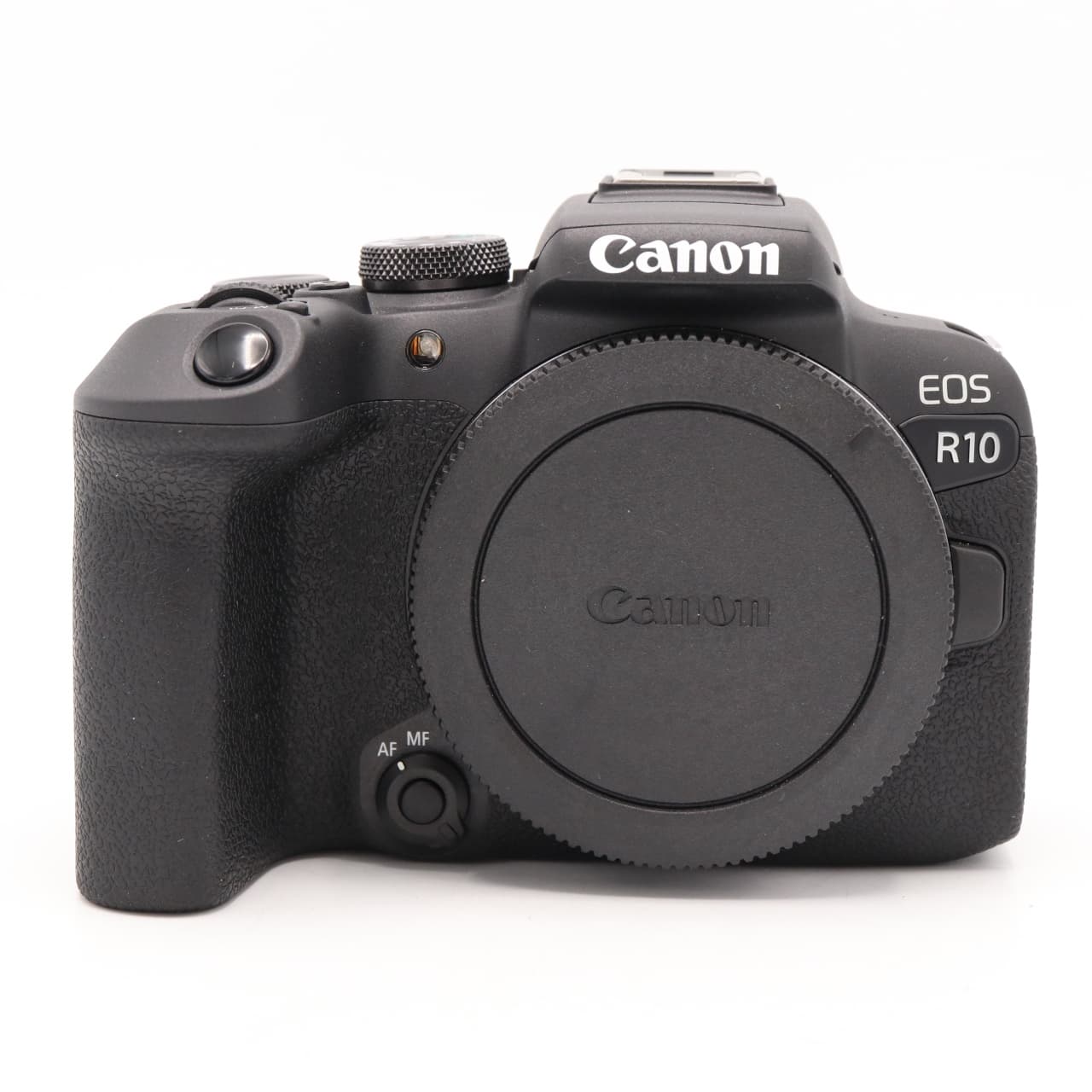
Canon EOS R10
The Canon EOS R10 is one of the most economical ways to enter the modern APS-C mirrorless ecosystem, offering contemporary autofocus and solid image quality at a lower cost than enthusiast models like the R7 or X-T5. Its affordability and compatibility with Canon's RF lens roadmap make it an excellent stepping-stone for beginners who want capable performance now and straightforward upgrade paths later.
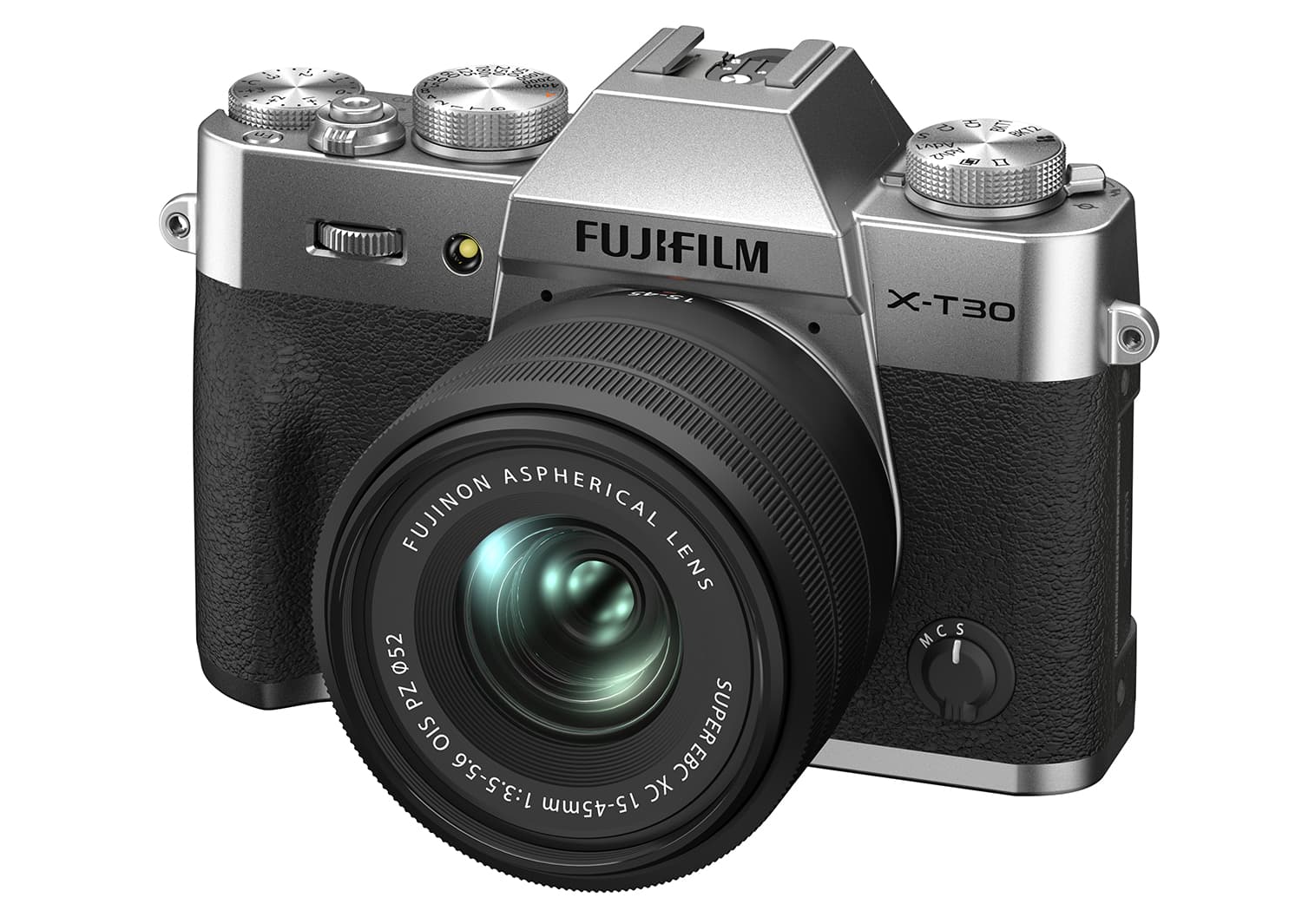
Fujifilm X-T30 II
The Fujifilm X-T30 II is a compact, budget-friendly APS-C camera that brings Fujifilm's color science and tactile controls to enthusiasts without the premium of the X-T5, delivering excellent JPEGs and a small, travel-ready package. It concedes some speed and advanced video features to rivals like the Sony A6700 or X-S20, but its lower cost and strong out-of-camera color make it a standout financial value for street, travel, and everyday shooting.
What research and tests say about APS-C benefits
Independent laboratory tests, industry reviews and imaging research provide clear, beginner-friendly explanations for the practical advantages of APS-C systems. These findings help explain why APS-C is a sensible choice for many UK photographers: it offers a compelling trade-off between sensor performance, system weight and cost. Below are plain-language takeaways based on aggregated lab measurements, review benchmarks and optical science.
Sensor size and image quality: Lab measurements (including independent sensor tests) show that modern APS-C sensors deliver excellent image quality for most everyday uses. While full-frame sensors generally have an edge in absolute low-light performance and dynamic range, APS-C sensors are close enough for travel, landscape and web-content work at common ISOs.
Noise and pixel size: Scientific comparisons indicate that noise behavior depends on both sensor area and pixel density. APS-C cameras with well-optimized sensors and processing achieve low noise across typical shooting ISOs used by amateurs and prosumers.
Depth of field and creative control: APS-C cameras naturally give more depth of field than full-frame at the same aperture and field of view, which can be helpful for landscapes and macro work. Conversely, achieving very shallow depth of field requires faster lenses or different framing.
Effective focal length (crop factor): The crop factor (commonly 1.5x or 1.6x) increases effective reach, making APS-C systems cost-effective for wildlife and sports without needing very large telephoto lenses.
Portability and system cost: Research into equipment adoption and user behavior shows photographers shoot more when gear is lighter and easier to carry. APS-C systems tend to be smaller and cheaper than equivalent full-frame setups, encouraging more frequent use and experimentation.
Optical performance: Tests of lenses on APS-C bodies reveal that APS-C-specific optics can be smaller, lighter and deliver excellent sharpness across the frame because they are designed for a smaller image circle, improving the overall size-to-performance ratio.
Frequently Asked Questions
Which APS-C camera should I buy for hybrid video?
Sony Alpha A6700 is a strong hybrid pick because it’s noted for “market-leading autofocus” with real-time tracking and eye AF, plus 4K video capabilities with advanced colour profiles, and it has an average rating of 4.7.
Does the Fujifilm X-T5 have a 40MP APS-C sensor?
Yes—the Fujifilm X-T5 uses a 40MP APS-C sensor for very high-resolution stills, and it’s described as giving classic film simulations and tactile control with ergonomic dials, with an average rating of 4.5.
What value do I get with the Canon EOS R7 price?
The provided product data doesn’t list the Canon EOS R7 price, so I can’t compare value by cost; what’s included is its 32.5MP stacked APS-C sensor, IBIS, and Dual Pixel CMOS AF, with an average rating of 4.4.
Is the Canon EOS R7 good for sports and wildlife?
Yes—the Canon EOS R7 is positioned for sports and wildlife thanks to a 32.5MP stacked APS-C sensor, in-body image stabilisation, high-speed continuous shooting, and Advanced Dual Pixel CMOS AF with reliable subject tracking, with an average rating of 4.4.
Conclusion
This page offers a concise overview of the APS-C category in the UK for 2026. At present there are no top picks listed here. We hope this background helped you understand why APS-C remains a strong choice for many British photographers. If you did not find what you were looking for, refine or expand your search using the site search or filters to narrow by brand, budget, lens compatibility, or intended use. Check back soon for curated top picks and updated recommendations.