

Tilt-Sensor Car Alarm Systems — Top 6 Picks in the UK for 2026
Vehicle theft remains a persistent concern across the United Kingdom, and many drivers are upgrading from basic alarms to systems that actively detect and deter sophisticated theft methods. Tilt-sensor car alarm systems are designed to spot unauthorised lifting, towing or jacking by monitoring your vehicle's angle and triggering instant alerts. In the UK market buyers prioritise reliability, detection accuracy, compatibility with modern CAN-bus vehicles, and recognised security approvals such as Thatcham certification. Consumers also favour solutions with smartphone alerts, GPS tracking integration, and low false-alarm rates so they get real protection without nuisance warnings. This category covers tilt-sensor equipped car alarm systems that balance robust detection, practical installation, and strong user feedback from British motorists.
Inception's AI took the time to understand this market in the UK · We may earn a commission on purchases. It never affects our rankings.
Top Picks Summary
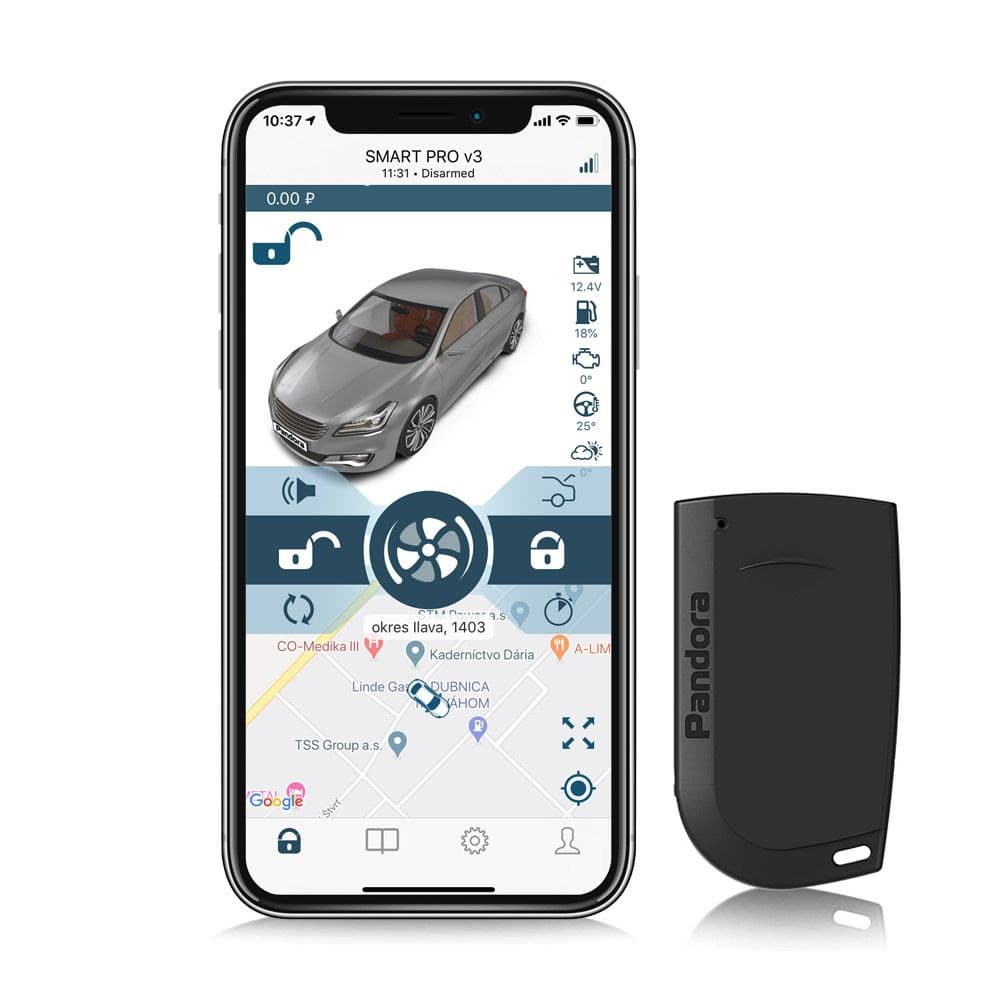
Pandora Smart Pro V2 Car Alarm System
Pandora Smart Pro V2 earns a best-in-class spot for its advanced telematics, GPS tracking and deep smartphone integration that outpace simpler alarm packages on this list; its cloud services and modular sensors make it technically superior for a connected car experience. Compared with the other systems here it is typically the most feature-dense (and correspondingly higher priced), offering enterprise-grade diagnostics and remote control that justify the premium for buyers looking beyond basic theft deterrence.
Clifford Arrow 5.1 Car Alarm with Tilt Sensor
The Clifford Arrow 5.1 is a market-proven choice that balances robust tilt/shock sensing with reliable remote features and a broad aftermarket dealer network, delivering strong value for money. Compared with the high-end Pandora and the tracking-focused Meta Trak, Clifford emphasizes proven hardware reliability and lower total cost of ownership, making it attractive where budget and dependable day-to-day performance are priorities.
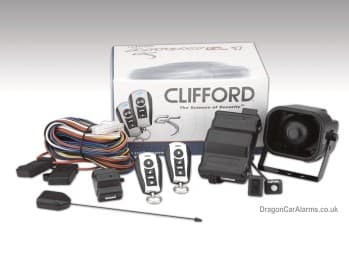
Where to buy Clifford Arrow 5.1 Car Alarm with Tilt Sensor in UK: we track one retailer, Cliffordalarm, and show the price we last observed there; the price you see at checkout may differ.
We may earn a commission on purchases. It never affects our rankings.
£160 – £260
Meta Trak S7-ATS Tilt Sensing Car Alarm
Meta Trak S7-ATS is the outlier on this list: it is a Thatcham S7 and Category 6 accredited stolen-vehicle tracker, not a tilt-sensor alarm, so it addresses the same tow-away and lifting scenario by reporting unauthorised movement to a 24/7 control centre instead of sounding at the kerbside. Against the alarms here it adds monitored recovery and remote immobilisation - and an annual subscription - which suits owners whose insurer asks for a tracker alongside an existing Category 1 alarm rather than in place of one.
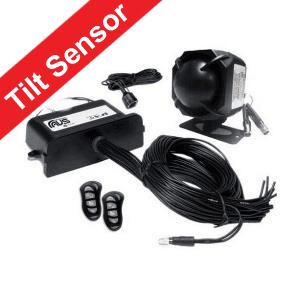
Where to buy Meta Trak S7-ATS Tilt Sensing Car Alarm in UK: we track one retailer, Metatrak, and show the price we last observed there; the price you see at checkout may differ.
We may earn a commission on purchases. It never affects our rankings.
£230 – £360
Cobra A4138HF Thatcham Cat 1 Car Alarm with Tilt Sensor
The Cobra A4138HF is a budget-conscious Thatcham Cat 1 option that provides essential tilt sensing and immobilisation without the complexity of full telematics, making it a practical choice for cost-sensitive buyers. Versus feature-rich systems like Pandora or the CAN-bus integrated Autowatch, Cobra delivers core protection at a lower upfront price, appealing when the use case calls for straightforward, certified theft deterrence.

Where to buy Cobra A4138HF Thatcham Cat 1 Car Alarm with Tilt Sensor in UK: we track one retailer, Cobravehiclesecurity, and show the price we last observed there; the price you see at checkout may differ.
We may earn a commission on purchases. It never affects our rankings.
£110 – £200
Autowatch 695 CAN Bus Alarm System with Tilt Sensor
Autowatch 695 excels in modern-vehicle compatibility through sophisticated CAN-bus integration and reliable tilt sensing, minimizing installation issues and preserving factory functions on complex vehicles. Its technical advantage is seamless electronic integration compared to more generic systems like Cobra or Clifford, and while it can command higher installation costs its reduced risk of vehicle system conflicts makes it the pragmatic choice for owners of late-model cars.
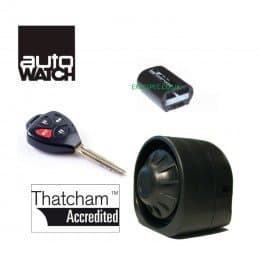
Where to buy Autowatch 695 CAN Bus Alarm System with Tilt Sensor in UK: we track one retailer, Autowatch, and show the price we last observed there; the price you see at checkout may differ.
We may earn a commission on purchases. It never affects our rankings.
£170 – £290
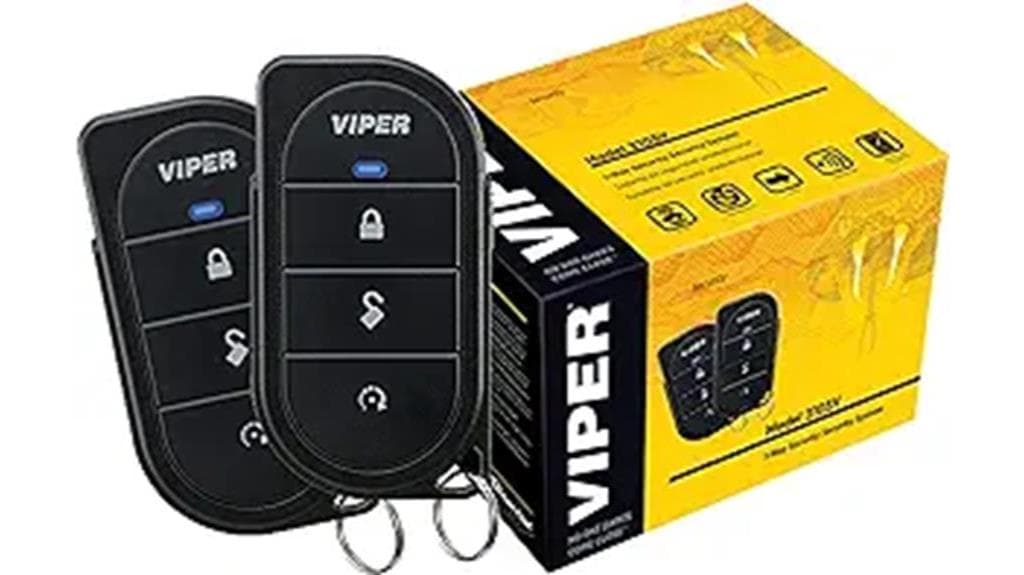
Viper 3606V Car Security System with Tilt Sensor
The Viper 3606V offers a strong balance of brand recognition, user-friendly remotes and effective tilt sensing with optional smartphone add-ons, positioning it as a versatile market leader for mainstream buyers. Compared with high-end Pandora telematics and the insurer-oriented Meta Trak, Viper typically delivers broad dealer support and competitive pricing while providing many modern conveniences, making it a solid middle-ground option.
Why tilt-sensor alarms are effective — research and practical evidence
Independent testing by automotive security specialists and industry bodies has shown that tilt and accelerometer-based sensors significantly improve detection of towing and lifting theft methods. Insurers and vehicle security organisations such as Thatcham Research evaluate whole-system performance, while UK crime and insurance data underline that comprehensive, professionally fitted security systems can reduce the likelihood of opportunistic theft. For everyday drivers this means a well-calibrated tilt-sensor alarm can provide earlier alerts and faster intervention than perimeter-only systems.
Industry testing: Thatcham Research and specialist security labs routinely test combined alarm and tilt-sensor setups; systems that meet Thatcham criteria are widely accepted by insurers.
Crime data context: UK police and insurance reports show opportunistic theft often involves towing or rapid lifting; tilt detection targets those specific attack vectors.
Technical reliability: Modern tilt sensors and accelerometers deliver high sensitivity while vendors and installers can adjust thresholds to reduce false alarms from road slope or heavy wind.
Integration benefits: Systems that pair tilt sensing with GPS, GSM alerts or tracking increase recovery chances by providing location and real-time notifications.
Limitations and best practice: Research and installer guidance recommend professional calibration and consideration of vehicle type and parking environment to balance sensitivity and false-positive avoidance.
Certification and fitting: a Thatcham Category 1 device must pair an alarm with a passively-set immobiliser and cover perimeter and ignition detection alongside movement, glass-break and/or tilt sensing - and UK insurers only recognise it when a certified installer issues an installation certificate.
Frequently Asked Questions
Do I need a separate tilt sensor if my car already has an alarm?
Usually not. A Thatcham Category 1 system has to combine an alarm with a passively-set immobiliser and cover perimeter and ignition detection plus movement, glass-break and/or tilt sensing, so Cat 1 units such as the Cobra A4138HF and the Autowatch 695 already detect lifting. A standalone tilt (inclination) module is only worth adding when an older or basic alarm has no tilt sensing and offers a spare auxiliary sensor input to wire one into.
What triggers a tilt sensor, and will it cause false alarms?
A tilt sensor monitors the vehicle's angle and fires when the car is jacked up or lifted onto a recovery truck - the wheel-theft and tow-away attack that perimeter and shock sensors miss. Sensitivity is adjustable on every system listed here, and leaving it too high is the main cause of nuisance triggers on cambered driveways or in high wind. UK insurers only recognise Thatcham-approved systems when a certified installer fits, calibrates and certificates them.
Which tilt-sensor car alarm suits a connected car?
Choose the Pandora Smart Pro V2 Car Alarm System for its advanced two-way remote with a smartphone app plus optional GPS tracking, alongside full CAN-bus integration and engine immobiliser compatibility, with a 4.7 rating.
How does the Meta Trak S7-ATS price compare?
The Meta Trak S7-ATS sits in the £230-£360 range for hardware and fitting, placing it in the mid-to-upper tier here - above the budget Cobra A4138HF but below the premium Pandora Smart Pro V2 - and it is rated 4.6. Budget for the ongoing monitoring subscription as well: it is a Thatcham S7 and Category 6 accredited tracker with remote immobilisation rather than a siren-based alarm, so it is normally fitted alongside a Category 1 alarm rather than instead of one.
Conclusion
In the UK market, tilt-sensor car alarm systems are a practical upgrade for motorists wanting stronger protection against towing and lift-style theft. The six systems we profile here each offer professional-grade tilt detection and differing strengths: Pandora Smart Pro V2 Car Alarm System, Clifford Arrow 5.1 Car Alarm with Tilt Sensor, Meta Trak S7-ATS Tilt Sensing Car Alarm, Cobra A4138HF Thatcham Cat 1 Car Alarm with Tilt Sensor, Autowatch 695 CAN Bus Alarm System with Tilt Sensor, and Viper 3606V Car Security System with Tilt Sensor. For most drivers seeking the best overall mix of advanced features, reliable alerts and telematics, the Pandora Smart Pro V2 Car Alarm System stands out as the top choice. We hope you found the guidance you were looking for; if not, refine or expand your search using the site search to match specific vehicle models, fitment requirements or certification needs.