

Leading Encryption Processing Solutions for UK Cloud Infrastructure in 2025
Published on Saturday, 29 March 2025
In an era where data breaches dominate headlines and regulatory scrutiny intensifies, UK enterprises face mounting pressure to fortify their cloud environments with enterprise-grade encryption capabilities. Modern cloud security encryption processors represent the frontline defence against sophisticated cyber threats, delivering hardware-accelerated protection that transcends traditional software-only approaches. These specialised processors handle the computationally intensive work of encrypting and decrypting vast data volumes whilst maintaining system performance—a critical balance for organisations managing sensitive customer information, financial records, and proprietary intellectual property. The UK's adoption of cloud technologies continues to accelerate across the financial services, healthcare, and public sectors, yet many organisations remain uncertain about which encryption processing architectures best serve their specific compliance requirements and workload characteristics. This comprehensive guide examines five cutting-edge encryption processor solutions that empower UK-based enterprises to establish robust cryptographic foundations, meet stringent GDPR obligations, and maintain competitive advantage in an increasingly threat-conscious marketplace. Whether you're scaling infrastructure, consolidating data centres, or implementing hybrid cloud strategies, understanding these processor capabilities proves essential for informed architectural decisions.
Top Picks Summary
Thales Luna HSM 7
Thales Luna HSM 7 remains the benchmark for UK enterprises in 2025 thanks to its hardware-rooted trust, high throughput cryptographic engines and broad certifications that satisfy demanding regulatory regimes; its comprehensive management and lifecycle features make it the go-to for large-scale, high-assurance deployments. While it typically carries a higher upfront cost than cloud-native options like AWS CloudHSM or accelerator-focused offerings such as the Marvell adapter, Luna 7 often delivers lower total cost of ownership for organisations that need consolidated, enterprise-grade HSM functionality and global vendor support compared with Entrust and Utimaco deployments.
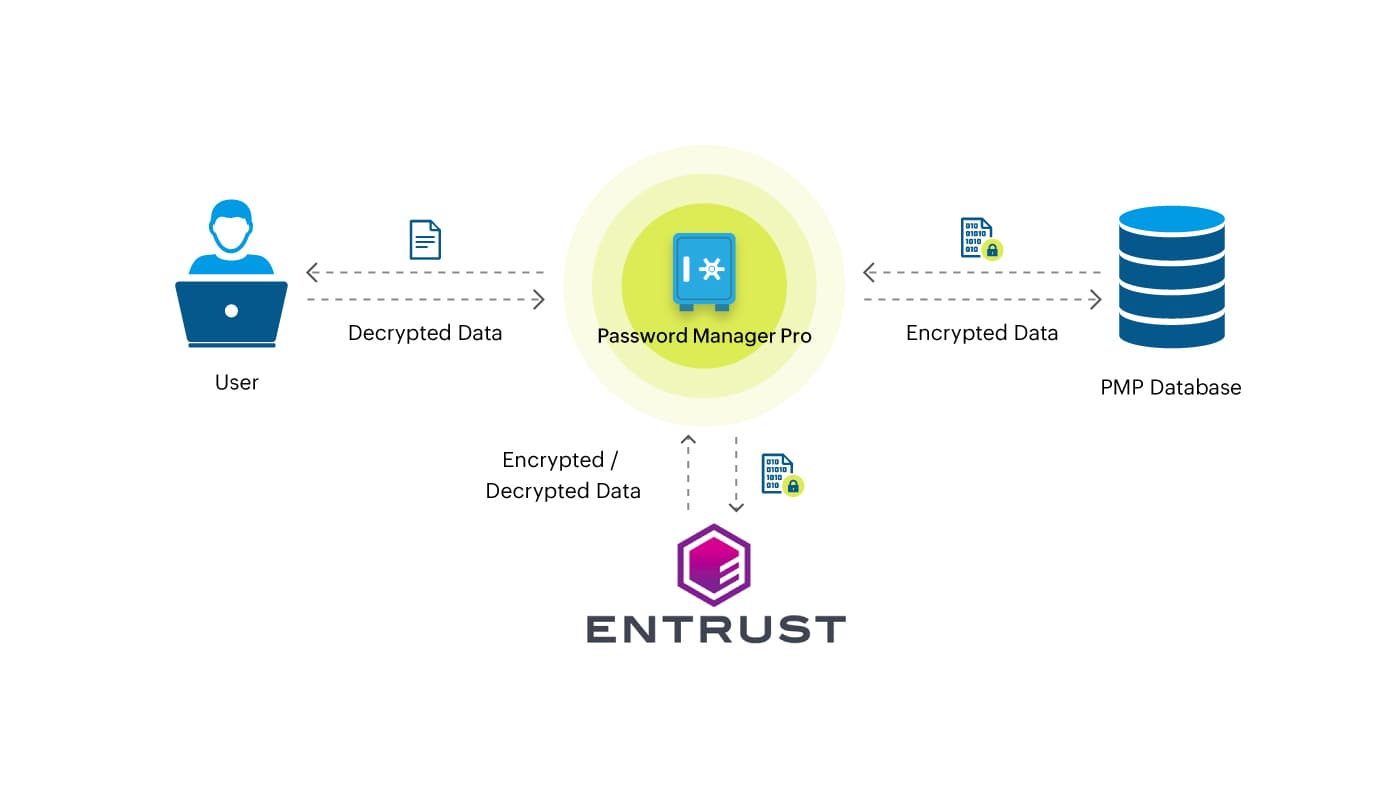
Entrust nShield HSM
Entrust nShield HSM leads the market for flexible, integrable HSMs with a strong ISV ecosystem and deployment versatility across on-prem, hybrid and hosted models, giving UK customers choice without sacrificing cryptographic robustness. It competes favourably on licensing flexibility and lower initial acquisition costs versus some traditional appliances, while trading some peak throughput against Thales Luna and focusing on middleware-rich integrations that many enterprises prefer over pure accelerator or cloud-only alternatives.
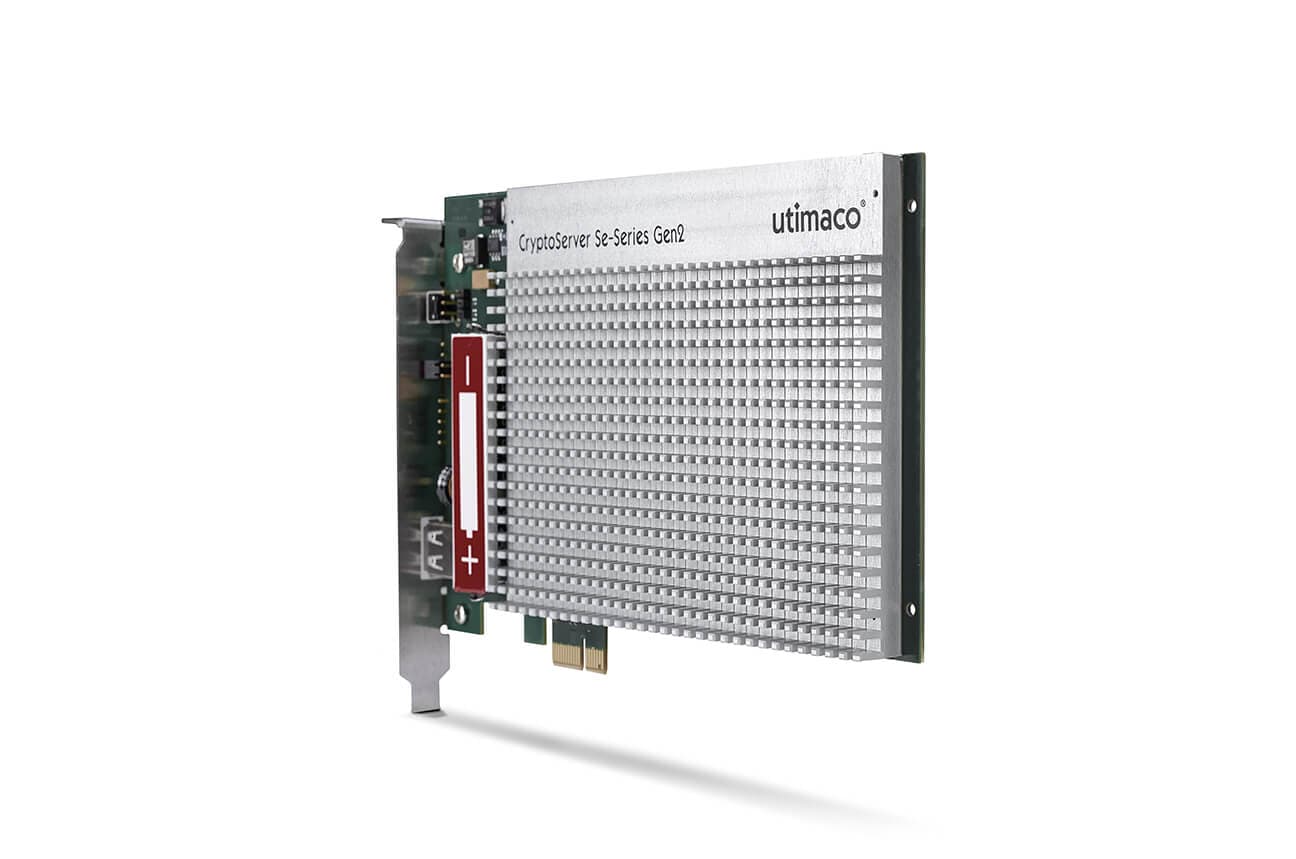
Utimaco SecurityServer Se Gen2
Utimaco SecurityServer Se Gen2 is prized in the UK for its strong European compliance pedigree, clear data-residency controls and cost-effective performance, making it an attractive option for regulated industries seeking predictable total cost and local support. Technically robust yet often priced more competitively than the largest incumbents, it is particularly compelling for organisations that prioritise on-prem control and regulatory alignment over the scale advantages of cloud-native services like AWS CloudHSM or the raw acceleration of Marvell.
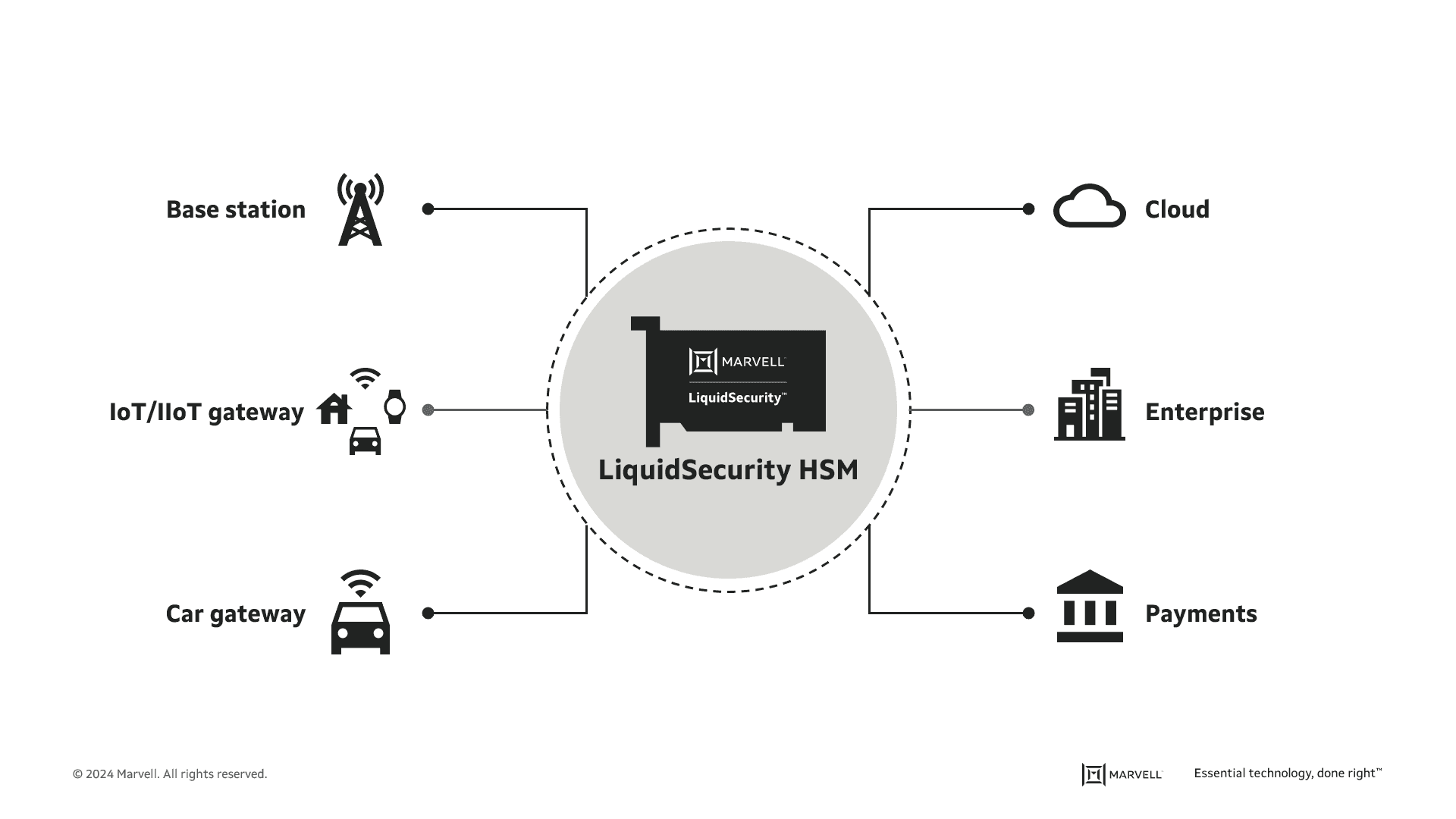
Marvell LiquidSecurity Adapter
Marvell LiquidSecurity Adapter stands out as a high-performance PCIe cryptographic accelerator that delivers extreme throughput and low latency for encryption-intensive workloads, offering a compelling financial case where per-transaction cost and performance dominate. Unlike full-featured HSM appliances such as Thales or Entrust, the Marvell adapter is designed to be embedded into host infrastructure or co-located cloud instances, reducing operational overhead for throughput-heavy use cases while requiring additional integration effort compared with turnkey HSM solutions.
AWS CloudHSM
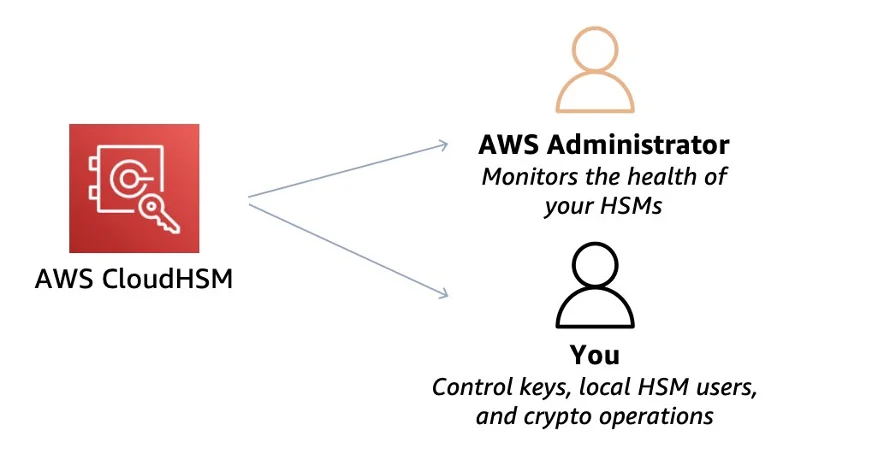
AWS CloudHSM is the natural choice for cloud-first UK deployments in 2025, providing scalable, pay-as-you-go HSM instances integrated into AWS regions with rapid provisioning and minimal capital expenditure. It lowers time-to-market and operating costs compared with traditional on-prem appliances, though organisations trading off physical custody and some compliance controls will still look to dedicated appliances like Thales, Entrust or Utimaco for the strictest on-prem or hybrid regulatory requirements.
These leading encryption processors distinguish themselves through hardware-accelerated cryptographic operations, advanced threat detection integration, certified compliance credentials, scalable architecture design, and power-efficient performance delivery. Each solution addresses distinct enterprise priorities ranging from maximum throughput optimisation to specialised AI workload support.
Understanding Cloud Encryption Processing Technology
Modern cloud infrastructure demands encryption processors capable of handling multi-terabit data flows whilst maintaining sub-millisecond latency and minimal computational overhead. Hardware-accelerated encryption delivers substantial performance advantages over purely software-based approaches, enabling organisations to implement encryption-by-default strategies without sacrificing application responsiveness.
Hardware acceleration reduces encryption processing latency by 10-100x compared to software implementations
Cryptographic offloading frees primary CPU resources for application logic and business services
Advanced processors support multiple simultaneous encryption standards including AES-256, ChaCha20, and emerging quantum-resistant algorithms
Integrated threat detection capabilities identify anomalous encryption patterns indicative of potential compromise attempts
Certified compliance credentials demonstrate alignment with GDPR, ISO 27001, and sector-specific regulatory frameworks
Energy-efficient architectures reduce operational costs whilst maintaining cryptographic integrity across large-scale deployments
Frequently Asked Questions
Which encryption processor is best for UK enterprises needing high throughput?
Thales Luna HSM 7 is the ideal choice for high throughput, holding a 4.7 average rating and featuring hardware-accelerated cryptographic engines for PKI, TLS, and enterprise-scale transaction signing.
What security certification does the Entrust nShield HSM feature?
Entrust nShield HSM is FIPS 140-2 Level 3 validated, offering modular appliance and network-attached options for on-premise and hosted UK deployments.
How much does the Utimaco SecurityServer Se Gen2 cost to run?
Pricing details are not specified, but the Utimaco SecurityServer Se Gen2 delivers cost-effective performance with predictable total cost for UK industries seeking strict data-residency controls.
Which encryption solution provides developer-friendly APIs and SDKs?
Entrust nShield HSM provides extensive SDKs, APIs, and middleware support including PKCS#11, JCE, and CNG to make integration with enterprise applications straightforward.
Conclusion
Selecting an appropriate encryption processor represents far more than a technical procurement decision—it constitutes a strategic investment in your organisation's long-term security posture and regulatory standing. UK businesses operating within the financial services, healthcare, and public administration sectors face particular pressure to demonstrate compliance with evolving data protection frameworks, making the deployment of certified encryption solutions increasingly non-negotiable. The processors discussed throughout this guide each bring distinct advantages to different organisational contexts, whether prioritising raw performance throughput, energy efficiency, specialised workload acceleration, or seamless integration with existing infrastructure. We encourage you to evaluate these solutions against your specific requirements, engage with vendor technical teams, and consider pilot deployments before committing to large-scale implementation. For further assistance in identifying the most suitable encryption processor for your unique circumstances, please utilise our specialist search functionality or contact our advisory team directly.