Essential Embedded Motherboards for IoT Applications Across the UK in 2025
Published on Saturday, 29 March 2025
The Internet of Things continues to reshape how businesses and households operate throughout the United Kingdom, and at the heart of every reliable IoT deployment lies a robust embedded motherboard. These compact yet powerful computing platforms serve as the backbone for everything from smart building management systems to remote environmental monitoring stations, enabling seamless connectivity between physical devices and cloud infrastructure. Whether you're an engineer designing edge computing solutions for industrial facilities, a tech entrepreneur developing next-generation smart home products, or an enterprise seeking to optimise operational efficiency, selecting the right embedded motherboard is critical to your project's success. The UK market has witnessed significant growth in IoT adoption across healthcare, manufacturing, logistics, and renewable energy sectors, with organisations increasingly demanding hardware that balances performance, reliability, and cost-effectiveness. Our comprehensive guide explores five leading embedded motherboard solutions that have proven themselves in demanding real-world applications throughout 2025, helping you make an informed decision based on your specific technical requirements and budget constraints.
Top Picks Summary
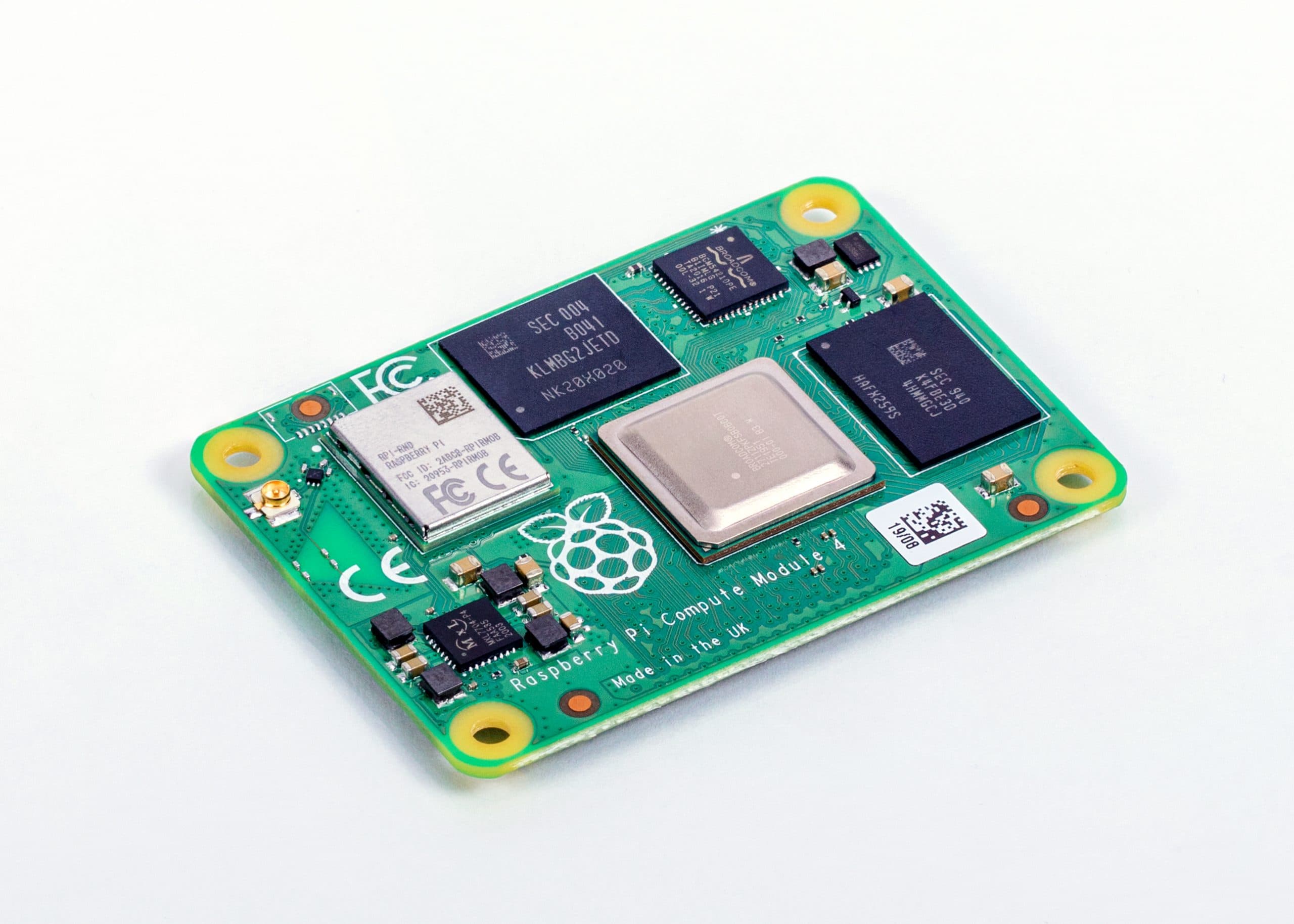
Raspberry Pi Compute Module 4
The Raspberry Pi Compute Module 4 earns its spot as the go-to, cost-efficient embedded motherboard for UK IoT projects in 2025 thanks to its low power draw, compact SODIMM-style form factor, and the largest hobbyist-to-industrial ecosystem which reduces development and deployment costs. Compared with more powerful or specialised boards on this list (like the Jetson Nano for AI or UP Squared 6000 for x86 compatibility), the CM4 strikes the best balance of price, availability and community support for large-scale, budget-conscious IoT rollouts in the UK market.
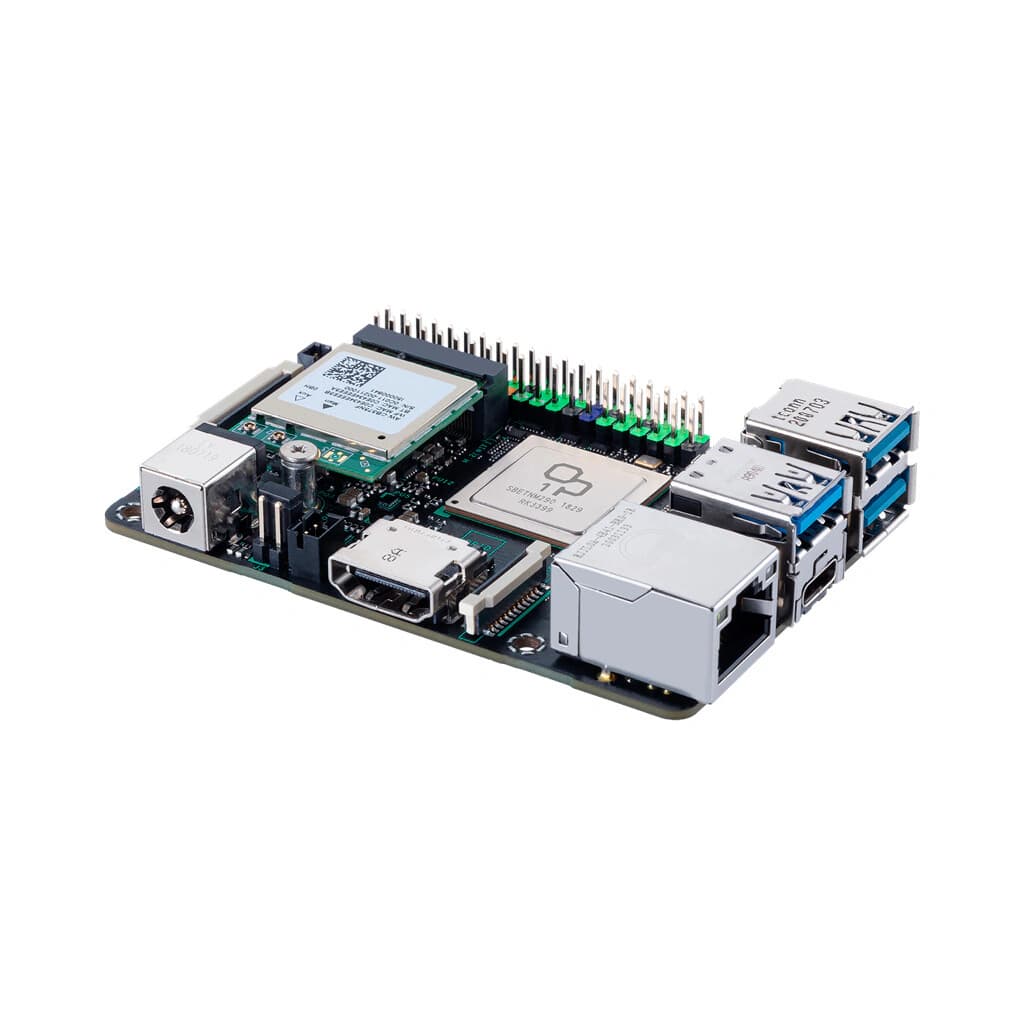
ASUS Tinker Board 2S
The ASUS Tinker Board 2S stands out for offering a higher-performance ARM compute option with robust multimedia and I/O capability and onboard eMMC storage, making it attractive where responsiveness and local data handling matter in edge IoT gateways. While pricier than the Raspberry Pi Compute Module 4, it provides a performance uplift for compute-bound embedded tasks without the power and cost overhead of a Jetson-class AI board or the full x86 stack of the UP Squared 6000.
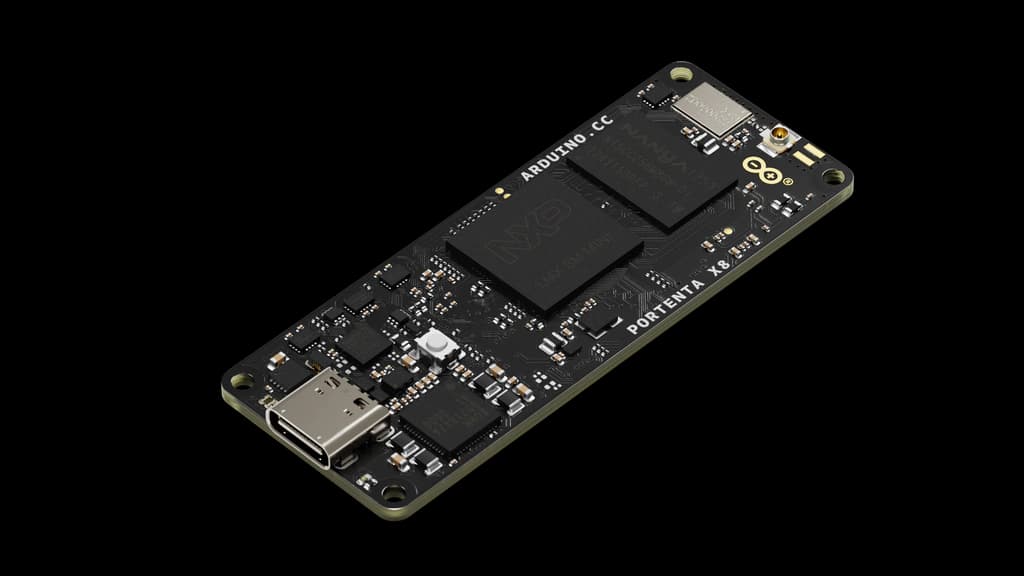
Arduino Portenta X8
The Arduino Portenta X8 is positioned for industrial and enterprise IoT applications that need hardened security, real-time features and seamless integration with existing industrial toolchains — delivering a premium, developer-friendly Arm-based platform for edge compute. Compared to more consumer-lean options like the CM4 or Tinker Board, the Portenta X8 commands a higher price but repays that with built-in security, certified connectivity and long-term software support that lower lifecycle risk for UK deployments.
£220-330 GBP
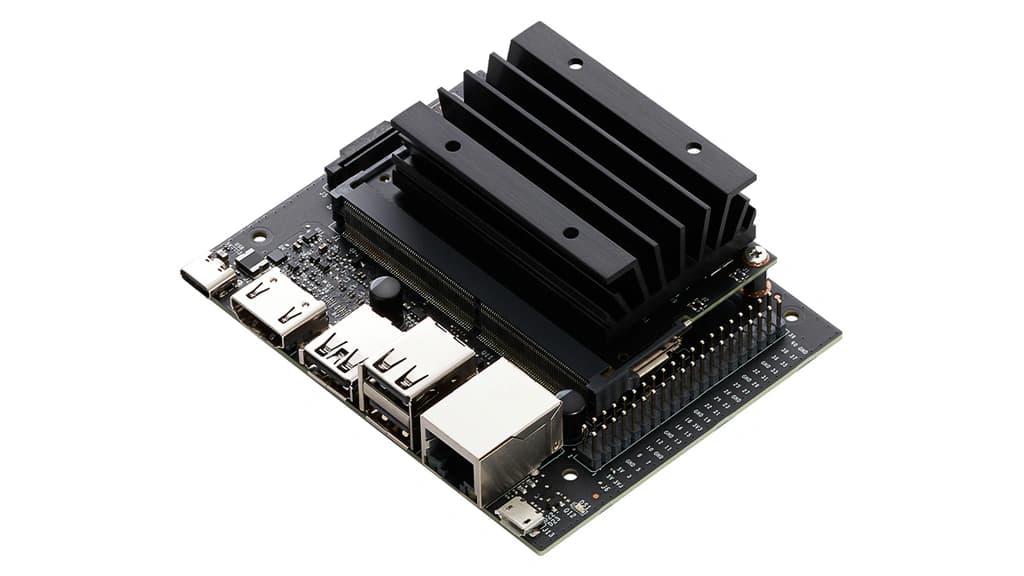
NVIDIA Jetson Nano Developer Kit
The NVIDIA Jetson Nano Developer Kit is the leader for on-device AI and vision-centric IoT in 2025, offering unmatched GPU-accelerated inference capabilities for smart cameras, robotics and predictive maintenance at the edge. It is more power-hungry and typically costlier per unit than general-purpose boards like the CM4 or Tinker Board, but for UK projects that require real-time neural network processing, its technical advantage dramatically reduces cloud dependency and per-inference operational cost.
£85-130 GBP
UP Squared 6000
The UP Squared 6000 claims the premium position for industrial-grade, x86-compatible embedded motherboards where legacy application support, wide OS compatibility (Windows/Linux) and extensive industrial I/O are critical for IoT deployments. Although it is the most expensive option on this list, its performance and software compatibility reduce porting effort and long-term maintenance costs for enterprises migrating complex systems to edge infrastructure in the UK.
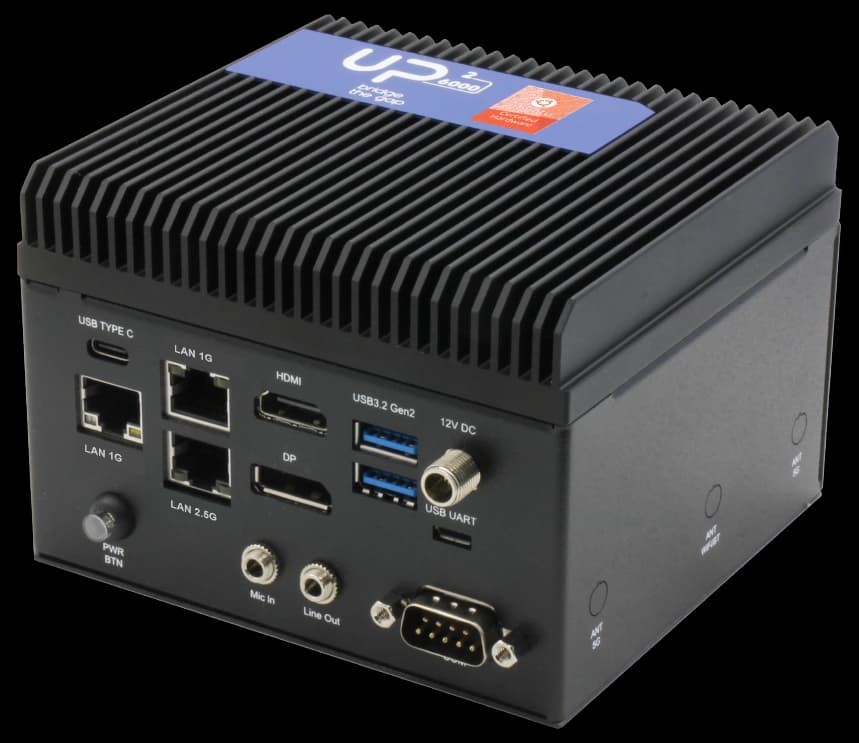
£260-480 GBP
These five embedded motherboards distinguish themselves through industrial-grade reliability, extensive input/output interfaces, impressive thermal management, support for contemporary operating systems, and proven performance in mission-critical applications throughout the United Kingdom.
Understanding Embedded Motherboards for Modern IoT Deployments
Embedded motherboards represent specialised computing platforms engineered specifically for IoT and edge computing applications, differing significantly from standard consumer-grade motherboards. These systems prioritise stability, minimal power consumption, compact form factors, and extended operational lifespans in environments where reliability cannot be compromised. Understanding the key characteristics helps organisations select hardware that genuinely meets their deployment requirements.
Industrial-grade temperature tolerance supports operation in uncontrolled environmental conditions across manufacturing facilities, outdoor installations, and specialised environments
Extended lifecycle support ensures consistent availability of components and firmware updates throughout multi-year deployment cycles
Low-power architectures reduce electricity consumption and operational costs whilst maintaining robust processing capacity for real-time applications
Multiple communication interfaces including Ethernet, serial protocols, and wireless connectivity enable flexible integration within existing infrastructure
Fanless passive cooling designs eliminate mechanical components, reducing maintenance requirements and improving reliability in dust-sensitive locations
Compact form factors accommodate space-constrained installations whilst delivering enterprise-level performance and connectivity options
Frequently Asked Questions
Which embedded motherboard should I choose for UK IoT 2025?
Choose the Raspberry Pi Compute Module 4 for most UK IoT projects because it’s a cost-efficient embedded motherboard with a compact SODIMM-style format, low power draw, and an average rating of 4.6.
What CPU spec does the Raspberry Pi Compute Module 4 include?
The Raspberry Pi Compute Module 4 uses a Broadcom BCM2711 quad-core Cortex-A72 running up to 1.5GHz, aimed at strong single-board performance in constrained IoT spaces.
How does the price of ASUS Tinker Board 2S compare here?
No price is provided for the ASUS Tinker Board 2S in the data shown, but it is rated 4.1 and includes a Rockchip RK3399 hexa-core (dual A72 + quad A53) with onboard eMMC options and HDMI/Gigabit Ethernet.
Is Arduino Portenta X8 better for industrial IoT edge gateways?
Yes—Arduino Portenta X8 is designed for industrial and enterprise IoT, with an average rating of 4, NXP i.MX8-family class SoC for Linux/real-time workloads, and secure boot plus hardware security options.
Conclusion
Choosing the appropriate embedded motherboard represents a fundamental investment in your IoT infrastructure's long-term viability and performance. The five platforms detailed in this guide have each demonstrated exceptional capability across various deployment scenarios, from compact residential applications to large-scale industrial implementations. Each option brings distinct advantages, whether through superior processing capabilities, extensive connectivity options, thermal efficiency, or proven reliability in challenging environments. As the IoT landscape continues evolving rapidly, staying informed about current hardware offerings ensures your systems remain competitive and future-ready. We recommend carefully evaluating your specific technical specifications, environmental conditions, and integration requirements before finalising your purchase decision. Should you require additional technical information, detailed specifications comparisons, or guidance on selecting the most suitable solution for your particular use case, our search functionality offers quick access to comprehensive product documentation and user reviews. Take the next step towards building a more connected and intelligent infrastructure by exploring these proven embedded motherboard solutions today.