Single Board Computers for Embedded Applications in the UK - 2026 Guide (Top 5 Picks)
Published on Tuesday, 27 January 2026
Single board computers (SBCs) for embedded applications are compact, integrated systems that combine processor, memory, storage and I/O on a single circuit board. In the UK market for 2026, demand for SBCs continues to grow across industrial automation, smart buildings, edge AI, transport, and bespoke consumer devices because they deliver a balance of low cost, small footprint, power efficiency and rapid prototyping. UK buyers typically prioritise long-term availability, industrial-grade connectors, robust software support and compliance with regional standards; they also value strong developer communities and proven hardware security features. Trends shaping choices include edge machine learning, 5G connectivity, hardware acceleration for neural networks, low-power operation for battery-driven systems and modular compute modules that simplify upgrades and supply-chain management.
Top Picks Summary
NVIDIA Jetson Nano Developer Kit
NVIDIA Jetson Nano Developer Kit is the entry-level AI/vision champion on this list, providing a CUDA-capable GPU and inference acceleration that dramatically outperforms general-purpose SBCs for neural-network workloads at the edge. Its technical advantage for computer vision and deep learning is clear compared to Raspberry Pis and BeagleBone, though it generally consumes more power and can be a higher-cost choice for projects that do not require hardware-accelerated AI.
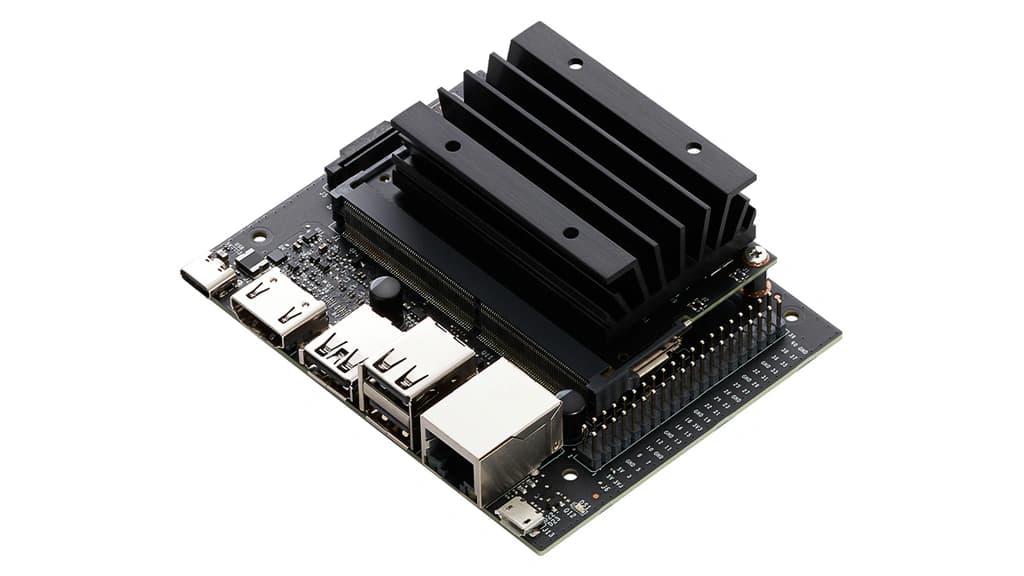
£80-130 GBP
Arduino Portenta X8
Arduino Portenta X8 is a premium hybrid platform that combines application-class Linux processing with MCU-style real-time co-processors and enhanced security features, targeting commercial embedded products that need both high-level applications and deterministic control. Typically pricier than Raspberry Pis and BeagleBone, its unique architecture and industry-oriented features (real-time support, secure boot, certified modules) make it the preferred choice when developers require a tightly integrated real-time + application processing solution that general SBCs don't emphasize.
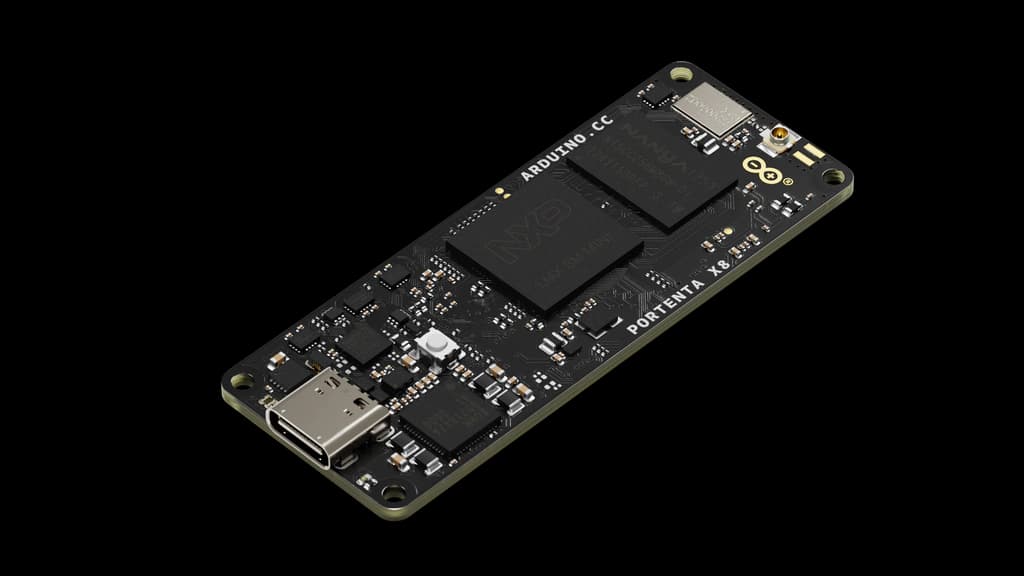
£180-280 GBP
Research and Evidence Behind SBC Benefits
A growing body of technical and academic work supports the advantages of using single board computers for embedded and edge applications. Studies in fields such as edge computing, embedded systems design and industrial IoT document improvements in latency, bandwidth use, energy efficiency and privacy when processing is moved closer to sensors and users. Research also highlights lifecycle and reliability considerations for deployed embedded devices, and underscores the importance of secure design, regular firmware maintenance and supply-chain planning for long-term projects.
Reduced latency and bandwidth use: Multiple studies show that processing sensor data locally on SBCs cuts round-trip time and reduces dependence on central cloud links, improving responsiveness for control systems and real-time analytics.
Energy and cost efficiency: Benchmarks comparing on-device inference and remote processing show significant reductions in network traffic and operational cost for many common embedded AI tasks.
Privacy and compliance benefits: Local data processing on SBCs can reduce exposure of sensitive data, helping projects meet UK and EU data protection expectations when designs are implemented correctly.
Reliability and ruggedness research: Industrial-grade SBCs with proper thermal design and power management demonstrate longer field life and lower maintenance in manufacturing and transport applications.
Security best practices backed by study: Academic and industry work emphasises secure boot, signed firmware, hardware root of trust and regular patching as critical to protecting deployed SBCs.
Accelerated development from open ecosystems: Evidence from software engineering and project case studies shows that active community support and open-source stacks shorten prototype-to-product timelines.
Frequently Asked Questions
Which single board computer is best for complex embedded prototypes?
The Raspberry Pi 5 is the ideal choice for complex embedded prototypes due to its high-performance quad-core ARM CPU, PCIe support, and extensive ecosystem of HATs.
Does the NVIDIA Jetson Nano support computer vision and AI tasks?
The NVIDIA Jetson Nano Developer Kit features an integrated GPU that supports CUDA and TensorRT, enabling accelerated inference and computer vision workloads for edge AI applications.
Is the Raspberry Pi 4 Model B suitable for budget-conscious projects?
The Raspberry Pi 4 Model B is the most wallet-friendly option for high-volume embedded deployments, offering a proven quad-core Arm CPU and flexible configurations at a lower entry price than newer models.
What is the average user rating for the Raspberry Pi 4?
The Raspberry Pi 4 Model B holds an average rating of 4.8, reflecting its status as a reliable choice for developers needing broad community support and extensive software compatibility.
Conclusion
Whether you are designing an industrial controller, an edge AI appliance or a prototype connected product in the UK, single board computers remain a flexible and cost-effective foundation. We hope this guide helped you understand the category and current trends for 2026. If you did not find exactly what you need, refine or expand your search using the search box to filter by form factor, CPU architecture, connectivity or industrial certifications.