Essential Guide to Registered Buffered RAM for UK Data Centres & Enterprise Servers in 2025
Published on Wednesday, 2 April 2025
Registered Buffered Memory (RDIMMs) has become the cornerstone of reliable enterprise computing across the United Kingdom. Unlike standard memory modules, these specialised components incorporate a register that isolates the memory controller from the DRAM modules themselves, dramatically reducing electrical strain and enabling organisations to deploy substantially larger memory configurations without compromising stability. This architectural advantage makes RDIMMs particularly valuable for UK-based enterprises managing demanding workloads across financial services, healthcare systems, and cloud infrastructure platforms. As data centres throughout Britain continue their digital transformation initiatives, the demand for robust memory solutions that deliver consistent performance under sustained pressure has never been more critical. Whether you're operating a modest server environment or orchestrating a sprawling multi-site infrastructure, understanding the nuances of registered buffered memory selection becomes essential for optimising both performance metrics and total cost of ownership. Our comprehensive overview examines five leading RDIMM solutions that have proven their mettle in British business environments, offering you actionable insights to make informed procurement decisions for your organisation's specific requirements.
Top Picks Summary
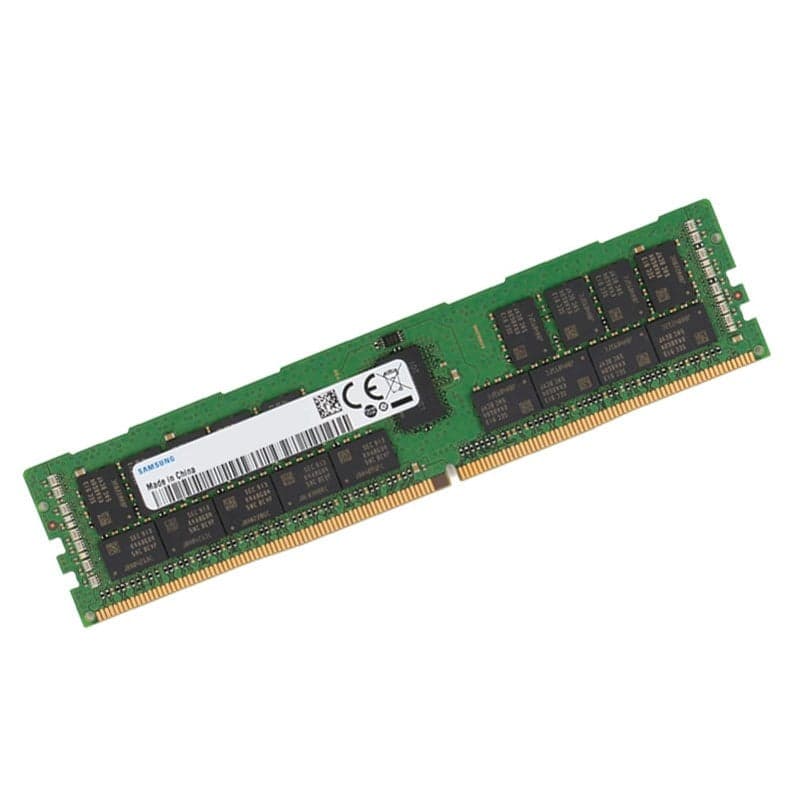
Samsung 32GB DDR4 2933MHz ECC Registered Memory
Samsung's 32GB DDR4 2933MHz ECC Registered Memory tops this UK 2025 list for balancing proven DRAM manufacturing quality with wide server compatibility and energy-efficient operation, making it a reliable choice for datacentre deployments. Compared with the higher-clocked Crucial module it sacrifices peak MHz for broader motherboard support and often lower total cost of ownership thanks to strong silicon yields and power efficiency.
Kingston 32GB DDR4 2666MHz ECC RDIMM Server Memory
Kingston's 32GB DDR4 2666MHz ECC RDIMM is a market leader for validated enterprise installs, offering broad platform certification and strong availability across UK channel partners at attractive price points. While it runs at a lower frequency than Samsung and Crucial, its extensive compatibility and long-standing warranty reduce integration risk and upgrade costs compared with more consumer-oriented alternatives like Corsair.

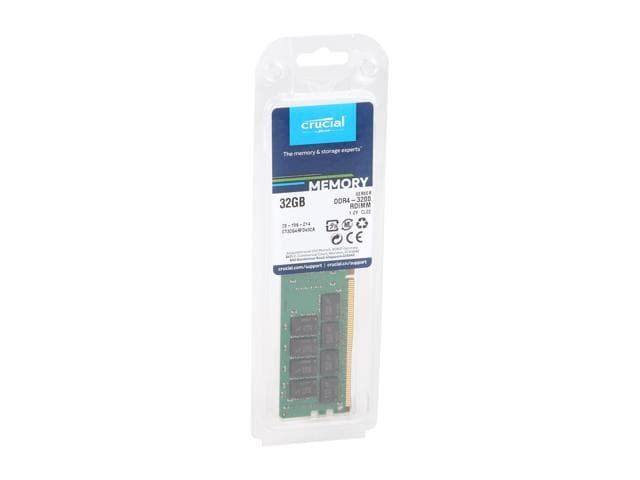
Crucial 32GB DDR4 3200MHz ECC Registered Server Memory
Crucial's 32GB DDR4 3200MHz ECC Registered Server Memory is the speed-focused pick in 2025, delivering the highest throughput on this list for latency-sensitive workloads that benefit from extra memory bandwidth. That performance can command a premium, so buyers should weigh the bandwidth gains against Samsung's more compatibility-focused 2933MHz option and Kingston's broader platform validation.
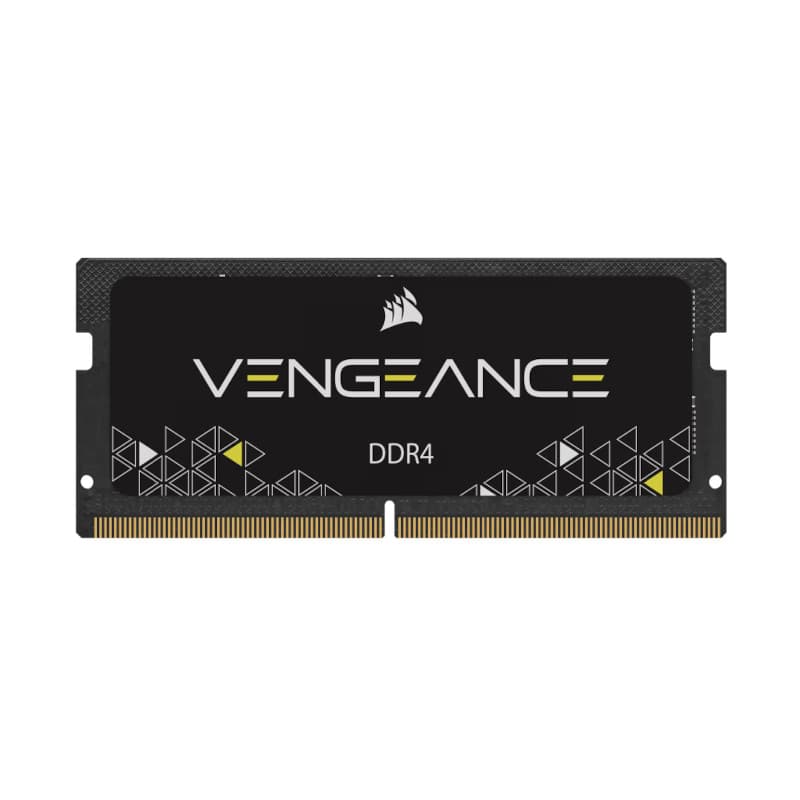
Corsair Vengeance 32GB DDR4 2666MHz ECC Registered Memory
Corsair Vengeance 32GB DDR4 2666MHz ECC Registered Memory delivers strong value and consumer-grade pressure-tested reliability, making it an economical buffered ECC option for SMBs and prosumers in the UK market. It competes on price with Kingston at the same clock speed but typically falls short of specialist server vendors in exhaustive platform validation, positioning it as a cost-effective choice for less mission-critical deployments.
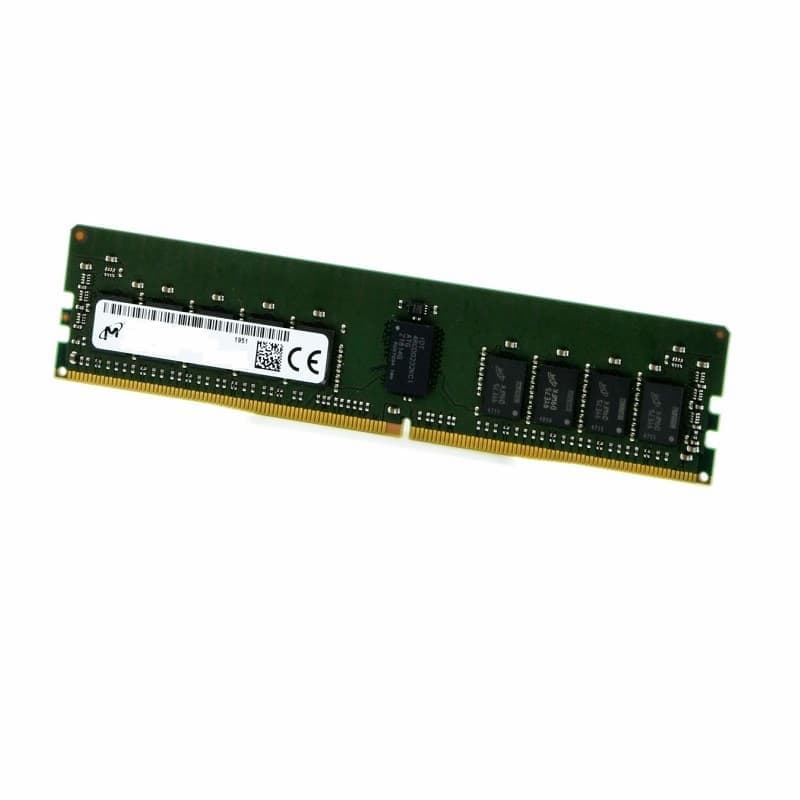
Micron 64GB DDR4 2933MHz ECC Registered DIMM
Micron's 64GB DDR4 2933MHz ECC Registered DIMM is the capacity leader tailored for memory-dense UK servers, reducing slot count and lowering system BOM and licensing costs for virtualization and in-memory databases. Although costlier per module than 32GB parts, its superior cost-per-GB and Micron's chip-level control offer clear financial and technical benefits for high-density deployments compared with the lower-capacity options above.
These premium RDIMM solutions excel in delivering enterprise-grade reliability, exceptional thermal management, and superior performance consistency under intensive workloads. Each module incorporates advanced error correction capabilities and operates seamlessly within demanding virtualisation environments prevalent across UK data centres.
Understanding Registered Buffered Memory Technology
Registered Buffered Dynamic Random Access Memory (RDIMMs) represents a sophisticated advancement in memory architecture, specifically engineered to address the electrical demands of large-capacity systems. The register component acts as an intermediary buffer, staging memory commands and addresses before transmitting them to DRAM chips. This intermediary function confers several substantial advantages, particularly for organisations operating multi-socket systems or deploying extended memory hierarchies. The buffering mechanism reduces cumulative electrical load on the memory controller, enabling system designers to incorporate additional memory modules without encountering stability degradation. Furthermore, RDIMMs typically incorporate enhanced error-correcting code (ECC) functionality, providing defence against data corruption through single-bit error detection and correction. This combination of features positions registered buffered memory as the preferred specification for mission-critical computing environments across British enterprises.
Register isolation minimises electrical load on memory controllers, enabling larger capacity configurations
Enhanced ECC capabilities provide robust protection against memory corruption and data integrity issues
Superior thermal performance through optimised signal routing and reduced electrical noise
Comprehensive compatibility across enterprise-grade server architectures from leading manufacturers
Consistent performance characteristics even under prolonged high-demand operational scenarios
Proven reliability record within demanding UK financial services and healthcare computing environments
Seamless integration with virtualisation platforms including VMware, Hyper-V, and KVM architectures
Extended product lifecycles supporting multi-year infrastructure investments
Frequently Asked Questions
Which 32GB RDIMM is best for reliable UK datacentre deployments?
The Samsung 32GB DDR4 2933MHz ECC Registered Memory is the recommended choice for datacentres due to its proven manufacturing quality, energy-efficient operation, and wide server compatibility. It holds a high average rating of 4.7, making it a dependable option for sustained enterprise workloads.
What is the maximum frequency of the Crucial 32GB ECC module?
The Crucial 32GB DDR4 ECC Registered Server Memory operates at a maximum frequency of 3200MHz. This higher clock speed provides increased memory bandwidth, which is specifically beneficial for latency-sensitive server applications that require faster data throughput.
Is the Kingston 32GB DDR4 2666MHz RDIMM a budget-friendly option?
Yes, the Kingston 32GB DDR4 2666MHz ECC RDIMM is a budget-friendly choice that offers strong price-to-performance for mainstream server platforms. It is widely available through UK channel partners and maintains a solid 4.6 average rating for its server-proven reliability.
Does the Kingston 32GB RDIMM come with server-grade warranty support?
The Kingston 32GB DDR4 2666MHz ECC RDIMM is backed by Kingston's specific server validation and warranty for enterprise deployments. This ensures the module is fully qualified for use in professional server environments, providing peace of mind for long-term infrastructure stability.
Conclusion
Selecting the appropriate registered buffered memory solution represents a crucial investment in your organisation's computational future. The five options presented here represent the pinnacle of current RDIMM technology, each bringing distinct advantages to different operational scenarios. Whether prioritising maximum capacity, superior performance characteristics, or optimal value proposition, these modules deliver the reliability and stability that UK enterprises demand. As your infrastructure requirements evolve throughout 2025 and beyond, the robustness of your memory subsystem will remain fundamental to maintaining service excellence and supporting your digital ambitions. We encourage you to evaluate these solutions against your specific workload demands and budgetary parameters. For more targeted guidance or if you require information on alternative memory configurations, our comprehensive search functionality enables you to explore additional resources tailored to your exact specifications. Your next-generation infrastructure deserves memory components engineered for excellence.