Top 5 External Sound Cards in the UK for 2026: Portable USB Audio Interfaces
Published on Monday, 26 January 2026
External sound cards offer a portable and versatile solution for enhancing audio quality on laptops, desktops and mobile devices. They connect via USB or USB-C and deliver superior sound performance for music production, streaming, podcasting and gaming. In the UK market demand is driven by home studios, content creators and competitive gamers who value low-latency monitoring, cleaner microphone preamps, better headphone amplification and higher-quality digital-to-analog conversion than typical built-in sound chips provide. Consumers also look for compact designs, robust driver support for macOS and Windows, USB-C compatibility, bundled software for recording or streaming, and strong value for money. By 2026 trends include wider adoption of portable audio interfaces with integrated DSP for real-time effects, improved mobile compatibility, and growing interest in interfaces that balance professional features with simple setup and reliable UK-based retail and support options.
Top Picks Summary
Focusrite Scarlett Solo
Focusrite's Scarlett Solo is the benchmark entry-level external sound card thanks to its clean mic preamp, low latency and reliable drivers, making it a go-to for singer-songwriters and podcasters. It delivers studio-grade conversion and consistent performance at a price point that undercuts many pro-level rivals, and it generally offers more recording-focused value than gaming-oriented units like the Creative X3 or EPOS GSX 300.
£90 – £130
Creative Sound Blaster X3
Creative's Sound Blaster X3 targets gamers and content creators by packing DSP-powered enhancements, virtual surround and flexible routing into an affordable external sound card. Compared with simpler two-in/two-out recording interfaces on this list, it provides greater onboard processing and multimedia features (voice effects, gaming modes) that give strong cost-to-feature value for playback and streaming use cases.
£100 – £150
Audient EVO 4
Audient's EVO 4 stands out among external sound cards for its smart gain assist, high-quality converters and integrated loopback, bringing pro-grade audio quality and a streamlined workflow for streamers and home studios. Technically it often delivers cleaner preamps and more modern workflow features than many gaming-focused DACs here, while remaining competitively priced against other recording-first devices like the Scarlett Solo.
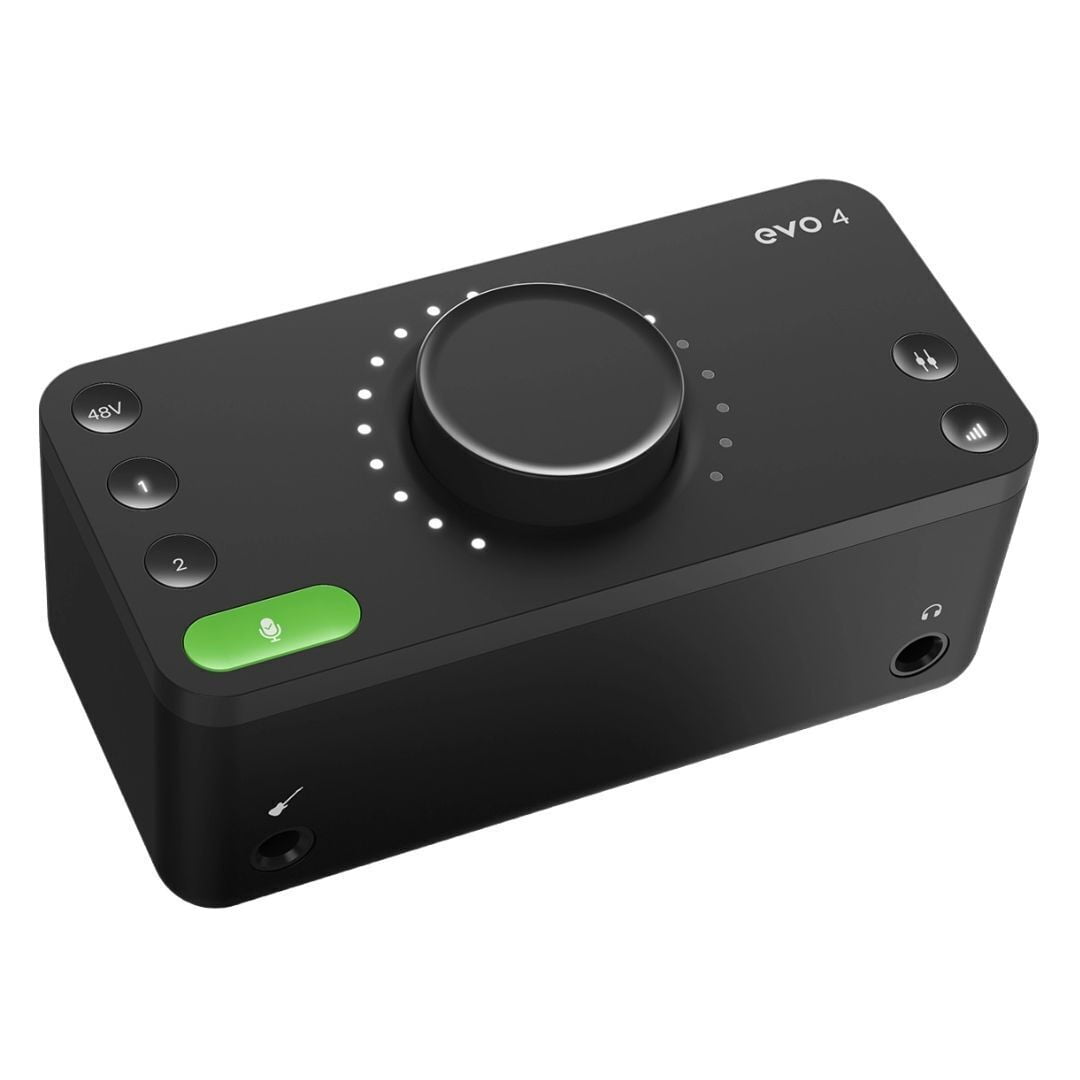
£100 – £160
EPOS GSX 300
EPOS's GSX 300 is a compact external sound card/DAC tuned for headset audio and gaming, offering low-latency USB connectivity and simple DSP tailored to immersive playback. It forgoes the multi-input recording flexibility of products such as the Scarlett Solo or PreSonus AudioBox GO, but it competes strongly on portability and headset-specific audio features at a price comparable to other consumer-focused units like the Creative X3.
£70 – £110
PreSonus AudioBox GO
PreSonus's AudioBox GO focuses on mobile creators who need a rugged, bus-powered two-channel external sound card with easy DAW integration, making it a cost-effective choice for on-the-go recording. It bundles useful software and a simple workflow that can be more financially attractive than stepping up to higher-end converters in the Focusrite or Audient ranges, although it intentionally offers a more minimal feature set.
£60 – £100
Why external sound cards improve audio: research and practical findings
Technical studies and industry measurements consistently show that dedicated external audio interfaces outperform built-in motherboard or laptop audio in key objective areas such as signal-to-noise ratio, distortion, clock jitter and input gain control. These improvements matter for any use that needs clean recordings, accurate monitoring or reliable low-latency performance. For beginners, that means clearer vocals, tighter instrument capture and playback that better reflects the original sound. Research from audio engineering bodies and university labs also highlights the benefit of dedicated preamps and converters for getting usable mic gain without introducing hiss or unwanted noise.
Dedicated converters and better clocking typically reduce jitter and improve clarity compared with integrated audio circuits.
Higher quality microphone preamps increase usable gain before noise becomes audible, which is important for quiet sources and condenser microphones.
Low-latency drivers, such as ASIO on Windows, enable real-time monitoring and tracking with minimal delay — essential for recording and live streaming.
Objective measurements (for example, signal-to-noise ratio and total harmonic distortion) show measurable advantages for many external interfaces, although the audible difference depends on source material, listening environment and downstream speakers or headphones.
Subjective listening tests confirm that users notice improved clarity and imaging in controlled comparisons, especially when switching from laptop audio to a midrange external sound card.
Frequently Asked Questions
Which portable USB audio interface suits solo podcasts?
Choose the Focusrite Scarlett Solo (4.7 average rating) for solo podcasting because it has a single XLR mic preamp with “Air” mode plus a USB bus-powered metal chassis with low-latency drivers for home recording.
Does Audient EVO 4 include loopback for streaming?
Yes—the Audient EVO 4 includes loopback and routing features tailored for content creators and streamers, alongside Smartgain auto-leveling that sets input levels automatically to reduce clipping.
How does Creative Sound Blaster X3 price compare here?
The provided product data does not include any prices for Creative Sound Blaster X3 or the other listed interfaces, so I can’t compare value versus Focusrite Scarlett Solo or Audient EVO 4 based on cost.
Which sound card is more for high-impedance headphones?
Creative Sound Blaster X3 is designed to drive high-impedance headphones, featuring a dedicated USB DAC and headphone amplifier with improved clarity and drive, plus SBX virtual surround and Scout Mode.
Conclusion
External sound cards remain a practical upgrade for UK users who want better recording and playback without investing in a full studio setup. The Focusrite Scarlett Solo, Creative Sound Blaster X3, Audient EVO 4, EPOS GSX 300 and PreSonus AudioBox GO each target slightly different needs: Scarlett Solo for straightforward home recording, Sound Blaster X3 for gaming and multimedia features, EVO 4 for smart, user-friendly recording tools, GSX 300 for dedicated gaming audio and positional clarity, and AudioBox GO for compact, affordable mobile recording. For most UK buyers looking for a balance of sound quality, driver stability and resale value, the Focusrite Scarlett Solo is the best overall choice among these five. We hope you found what you were looking for — you can refine or expand your search using the search box if you want comparisons, price tracking or alternate features.