

Top 5 USB Audio Adapters in the UK for 2026
For most UK buyers in 2026 the short answer is: the Focusrite Scarlett Solo 4th Gen if you record, the FiiO KA3 if you want hi-res headphone listening on the move, and the Creative Sound Blaster Play! 4 if you just want better desktop sound for around £40. USB audio adapters are compact and functional devices that allow users to upgrade their audio without replacing an entire sound system. In the UK in 2026 they appeal to a broad range of buyers — from remote workers and streamers to gamers and mobile audiophiles — because they provide plug-and-play convenience, consistent USB-C compatibility, and tangible improvements over many built-in sound cards. Shoppers favour these adapters for portability, cost-effectiveness and flexibility: they add a dedicated DAC or higher-quality microphone input, reduce electrical interference from the PC, and offer lower latency monitoring for recording or gaming. With continued growth in home studios, podcasting and hi-res music listening across the UK, USB audio adapters have become a practical, low-effort way to modernise laptop and desktop audio.
Inception's AI took the time to understand this market in the UK · · How we pickWe may earn a commission on purchases. It never affects our rankings.
Top Picks Summary
Creative Sound Blaster Play 4
The Sound Blaster Play! 4 is positioned as a best-in-class consumer USB audio adapter that delivers strong value with easy plug-and-play desktop and gaming features at a budget price. It stands out in this list for its consumer-focused extras and low cost compared with pro-focused products like the Focusrite Scarlett and audiophile-oriented KA3, while offering more features than ultra-basic adapters such as the Sabrent AU-EMAC. For buyers who want improved PC audio and software features without the higher expense or studio complexity of market-leading interfaces, the Play! 4 is a practical cost-effective choice.

Estimated£35 – £55
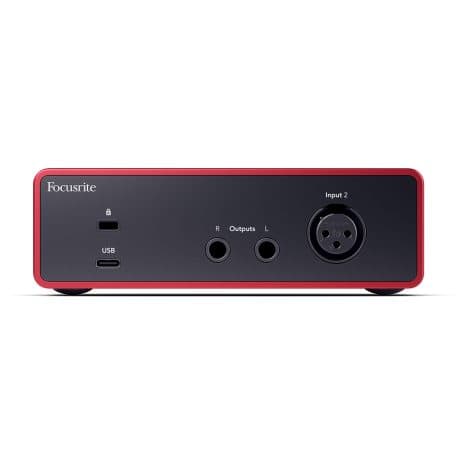
Focusrite Scarlett Solo 4th Gen
The Scarlett Solo 4th Gen is the market leader for entry-level pro USB audio interfaces, offering high-quality mic preamps, low-latency drivers and real-world studio connectivity that justify its higher price versus simple DAC dongles. Compared with the Creative Play! 4 and Sabrent AU-EMAC it prioritizes recording-grade input circuitry and monitoring features for musicians and podcasters, and it delivers more utility for multi-platform production than portable DACs like the FiiO KA3. If your primary need is reliable capture and studio workflow rather than just playback, the Scarlett’s technical advantages and software ecosystem make it the clear professional choice.
We may earn a commission on purchases. It never affects our rankings.
£149.99GBP
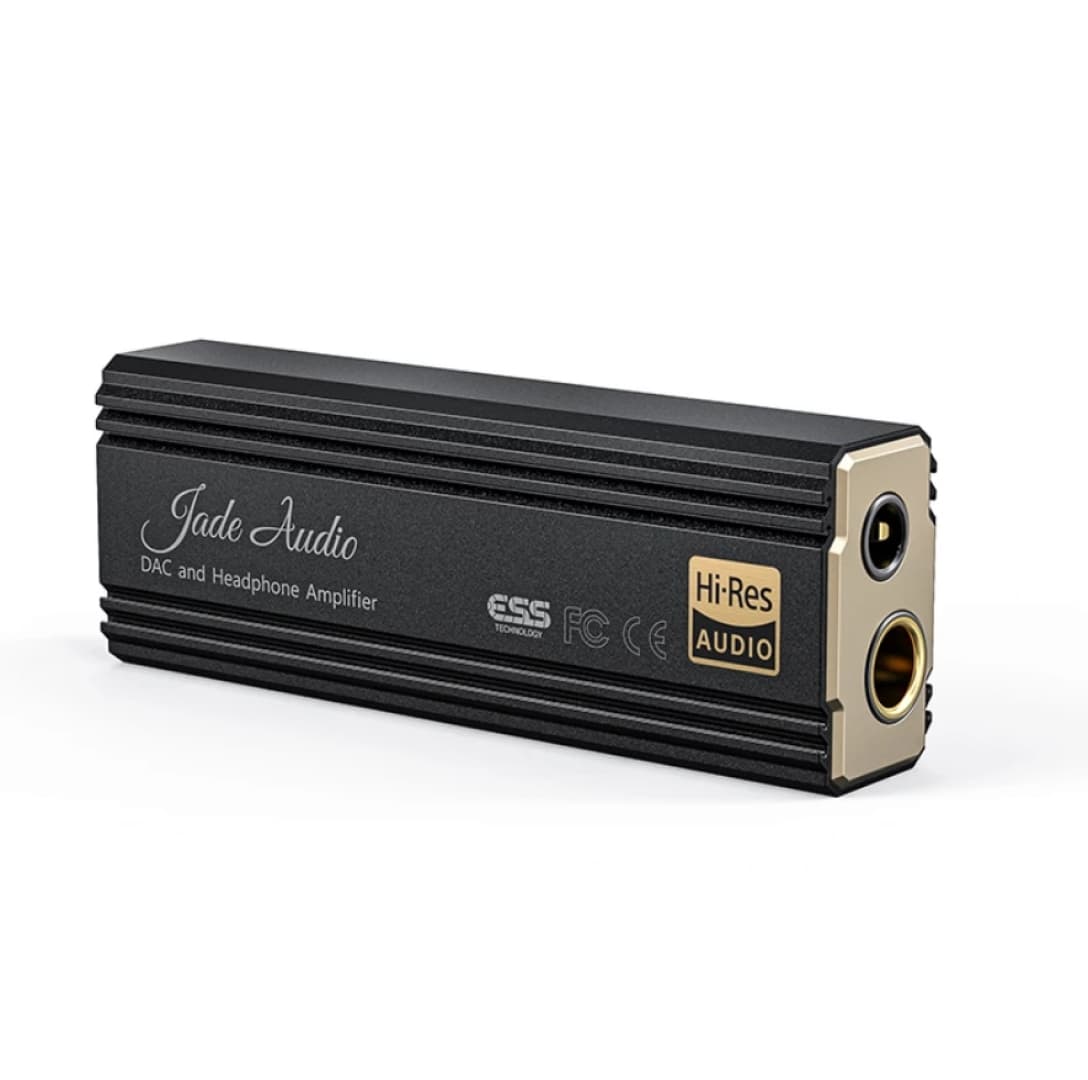
FiiO KA3
The KA3 is a compact, audiophile-focused USB DAC/AMP that balances portable high-resolution playback and headphone driving capability at a mid-range price point, outperforming basic adapters in pure listening quality. It is technically superior for headphone enthusiasts compared with the Creative and Sabrent adapters, while offering a simpler, more portable alternative to the Scarlett Solo’s studio-centric feature set. For users who prioritize detailed playback and a better headphone amp without the bulk or expense of a full audio interface, the KA3 is the go-to choice.
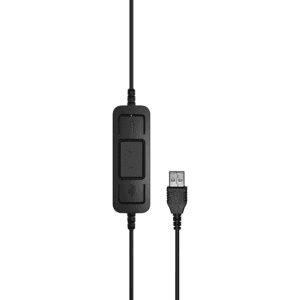
Sennheiser SC 1x5 USB-C
The SC 1x5 USB-C is the odd one out on this list: rather than a dongle you plug a headset into, it is a binaural wired UC headset (the SC 135 USB-C and SC 165 USB-C models, now sold under the EPOS | Sennheiser ADAPT badge) whose detachable USB-C cable does the digital conversion itself. Its strength lies in voice clarity and platform certification rather than audiophile playback or pro-recording features, which makes it a fit for office and contact-centre deployments rather than the Focusrite or FiiO use cases. Organisations that want standardised headset connectivity with one fewer accessory to lose will find the trade-off worthwhile.
We may earn a commission on purchases. It never affects our rankings.
Estimated£20 – £40
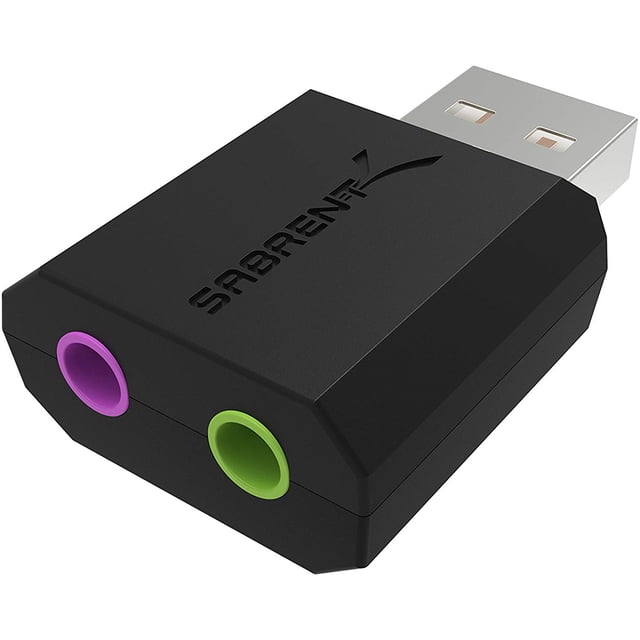
Sabrent AU-EMAC
The AU-EMAC is an ultra-affordable USB Type-A external sound card that covers basic headphone and microphone needs with wide system compatibility at a very low price. While it lacks the advanced DACs, preamps and certifications of the other entries, its financial advantage is clear for users who only need simple audio I/O for meetings, casual listening or legacy 3.5mm jacks. It's the pragmatic budget option in this list when cost and straightforward compatibility are the primary concerns.
What research and measurements show
Laboratory measurements and audio engineering research indicate that external USB audio adapters often outperform onboard sound solutions on measurable criteria that matter to listeners and creators. Studies in audio measurement, psychoacoustics and practical reviews point to better signal-to-noise ratios, lower distortion and reduced electrical interference when using a quality external adapter. For everyday users, this translates to clearer playback, more reliable microphone capture and improved responsiveness for monitoring and gaming.
Improved signal-to-noise ratio (SNR) and lower total harmonic distortion (THD) are commonly reported for external DACs and ADCs compared with typical onboard audio.
Isolation from motherboard noise reduces hum and ground-loop problems, producing cleaner recordings and quieter background noise.
Lower round-trip latency is achievable with dedicated hardware and compatible drivers, which helps live monitoring, gaming and real-time effects processing.
Better microphone preamps and analog-to-digital conversion improve voice clarity for calls, streaming and podcasting.
Published figures show the gap plainly: Creative rates the Play! 4 at 110 dB dynamic range, while Focusrite rates the Scarlett Solo 4th Gen converters at 120 dB — both well clear of typical onboard codecs.
User-focused studies show that modest objective improvements in clarity and timing are often perceived as significant by listeners, enhancing music enjoyment and speech intelligibility.
Frequently Asked Questions
Should I buy the Creative Sound Blaster Play! 4 or Scarlett Solo 4th Gen?
Choose the Creative Sound Blaster Play! 4 (around £149.99 GBPaverage rating) if you want plug-and-play desktop and gaming basics with a 3.5mm headphone output and low-latency pass-through. Choose the Focusrite Scarlett Solo 4th Gen (around £149.99 GBPaverage rating) if you need a studio-grade XLR mic preamp and instrument input for home recording.
Does the FiiO KA3 support DSD and up to what format?
Yes—the FiiO KA3 supports high-resolution formats up to 32-bit/768kHz PCM and native DSD, with a pocket-sized USB-C DAC/amp, low-noise output and a dedicated gain option for headphones.
Is the Scarlett Solo 4th Gen worth the extra money?
For recording and home-studio use it generally is. At around £174 it costs more than the dongle-style adapters here, but it adds a studio-grade XLR mic preamp with Focusrite 'Air', a dedicated instrument input, converters up to 192kHz and low-latency USB-C monitoring—features that pure playback DACs like the FiiO KA3 or Creative Play! 4 don't offer. It holds the highest rating in this list at 4.6.
Which USB audio adapter is better for headphone listening quality?
For headphone enthusiasts, the FiiO KA3 is positioned as technically superior for pure listening quality, with a 4.6 average rating, and it supports up to 32-bit/768kHz PCM and native DSD in a pocket-sized USB-C DAC/amp.
Conclusion
In the UK market, USB audio adapters give a simple path to better sound for many use cases. The Creative Sound Blaster Play! 4 is a strong budget pick for basic upgrades, the Focusrite Scarlett Solo 4th Gen stands out as the best overall choice for musicians and home recording, the FiiO KA3 is ideal for portable hi-res listening, the Sennheiser SC 1x5 USB-C takes the all-in-one route with a headset whose detachable USB-C cable does the conversion for you, and the Sabrent AU-EMAC offers solid value for general use. I hope you found what you were looking for — you can refine or expand your search using the site search to match specific needs like portability, studio features or budget.