

XQD Memory Cards in the UK — 2026 Overview (Top 5 Picks)
Published on Monday, 26 January 2026
XQD memory cards are a high-performance removable storage format designed for professional photography and video. They offer robust durability, high sustained write speeds and advanced error correction, which made them popular for high-resolution stills and 4K video workflows. In the UK market in 2026, XQD occupies a specialist niche: many professionals have migrated to CFexpress for the latest cameras, but XQD remains important for owners of legacy high-end cameras, secondhand buyers and users who prioritise proven reliability. When shopping in the UK, consumers typically look for genuine brand support, capacity and sustained write performance, compatibility with their camera model, and a balance of price versus long-term reliability.
Top Picks Summary
Sony XQD G Series 128GB
Sony's XQD G Series 128GB earns a best-in-class spot for XQD memory cards by striking the strongest balance of professional sustained write performance, broad camera compatibility, and mid-range capacity that suits most action and event photographers. Compared with the smaller-capacity Sony and Nikon 64GB cards it delivers longer shooting runs before swapping, yet it is more affordable per-use than the 256GB G Series while typically offering better firmware optimizations and sustained speeds than the Lexar 2933x alternative.

Nikon XQD 64GB
The Nikon XQD 64GB is positioned as a market-leading OEM-branded option optimized for Nikon camera workflows, providing reliable XQD performance at a competitive price point for photographers who prioritize brand-tested compatibility. Relative to the Sony G Series cards in this list it trades some peak capacity and often slightly lower sustained write margins for a lower upfront cost and tight integration with Nikon firmware and tethering—making it an attractive value for Nikon shooters on a budget.

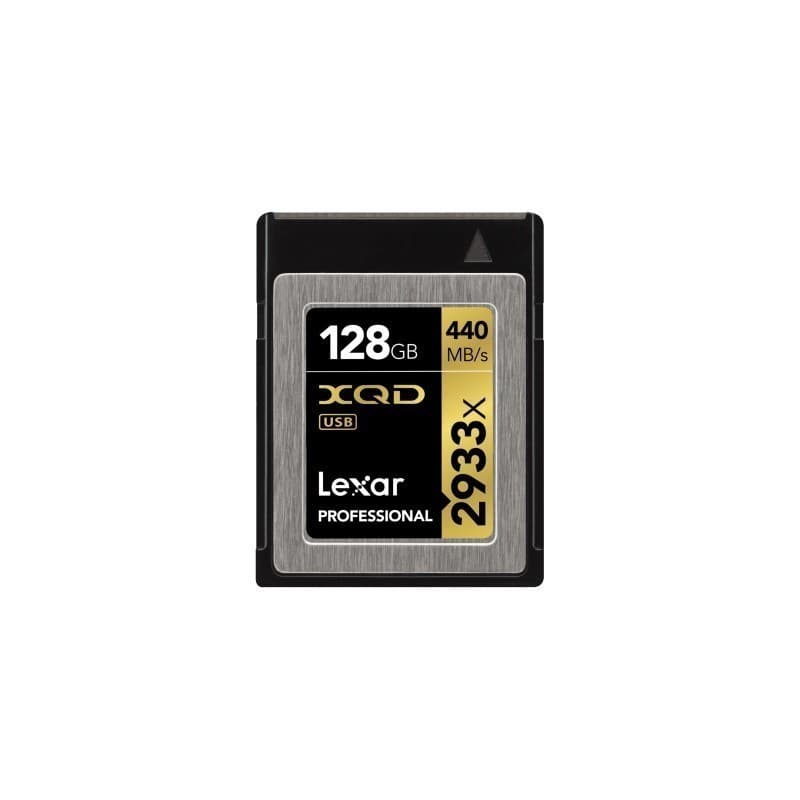
Lexar Professional 2933x XQD 128GB
The Lexar Professional 2933x XQD 128GB is a strong value-focused contender in the XQD category, offering competitive read/write headroom at a typically lower price-per-gigabyte than the Sony G Series cards while maintaining professional-grade reliability. Compared with Sony and Nikon-branded cards it usually presents a better financial proposition for users who need large capacity and good peak speeds without paying the premium for the market-leading Sony G Series, though some pro users may prefer Sony for maximum sustained-write guarantees and camera vendor integration.
Research and evidence behind XQD card performance
Independent industry tests, manufacturer technical notes and storage research support the performance claims for XQD cards. The format uses a robust controller and NAND flash tuned for sustained sequential writes, which benefits continuous burst shooting and long video recording. Studies of flash memory and storage interfaces show that a well designed controller, combined with strong error correction and wear management, reduces data loss risk and improves usable lifetime. While specific test numbers depend on card brand and model, the scientific principles behind speed, endurance and error correction are clear and consistent across the industry.
Interface and throughput: XQD uses a PCIe-based interface that enables high sequential read and write rates compared with older SD interfaces, helping sustained video recording and large RAW image bursts.
Endurance and longevity: Flash memory endurance is measured in program/erase cycles; cards with stronger wear-leveling and reserve capacity tend to last longer under heavy professional use.
Error correction and data integrity: Modern XQD controllers implement advanced error correction codes and background management to reduce bit errors and improve data retention over time.
Thermal and sustained performance: Independent benchmark reports show that some XQD cards maintain higher sustained write speeds under continuous loads compared with many SD cards, though thermal throttling can vary by manufacturer.
Compatibility and ecosystem findings: Laboratory compatibility tests and user reports indicate XQD remains necessary for certain Nikon and Sony camera models; users should verify camera firmware support before purchase.
Frequently Asked Questions
Which XQD card is best for professional action and event photography?
The Sony XQD G Series 128GB is the recommended choice for action and event photographers because it provides the strongest balance of sustained write performance and mid-range capacity.
What are the maximum read speeds for the Sony XQD G Series?
The Sony XQD G Series cards deliver high read speeds of approximately 400 to 440 MB/s, which allows for rapid offloading of high-resolution files.
Is the Nikon XQD 64GB a cheaper alternative to Sony cards?
The Nikon XQD 64GB is positioned as a competitively priced, OEM-branded option that provides reliable performance specifically optimized for Nikon camera workflows.
Are Nikon XQD 64GB cards compatible with all professional camera bodies?
The Nikon XQD 64GB is designed for tested interoperability with Nikon bodies that feature XQD media slots, including various professional DSLR and mirrorless models.
Conclusion
XQD memory cards remain a practical choice in the UK in 2026 for photographers and videographers using compatible legacy equipment or who value proven sustained write performance. We hope this overview helped you understand whether XQD is right for your needs. If you did not find what you were looking for, try refining or expanding your search by capacity, speed class, brand or compatibility to discover alternative formats and options.