Power Line Inspection Drones UK 2026: Top 5 Picks
Published on Monday, 26 January 2026
Power line inspection drones are essential for utility companies to monitor the integrity and performance of electrical transmission lines. Their aerial view allows for quick identification of issues that could lead to outages, such as hot spots, corroded fittings, vegetation encroachment and structural damage. In the UK market, buyers prioritise reliability, sensor quality, flight time and regulatory readiness. Preference leans to systems that combine thermal imaging, high-resolution visual cameras, RTK or PPK positioning and robust flight controls so teams can collect precise, repeatable data even in challenging weather. Additional priorities include easy data integration with asset management platforms, clear maintenance and support from local distributors, and capability for beyond visual line of sight (BVLOS) operations when authorised. By 2026 the most sought features are automated defect detection powered by AI, LiDAR or multispectral options for vegetation assessment, and enterprise-grade redundancy that keeps inspections safe and cost effective.
Top Picks Summary
What research and trials say about drone inspections
A growing body of industry reports, peer-reviewed research and utility trial results supports the benefits of using drones for power line inspection. Studies consistently show that aerial inspections reduce time on site, lower costs compared with manned helicopter or rope-access methods, and improve worker safety by reducing exposure to live equipment and hazardous terrain. Research also highlights the accuracy gains from thermal and LiDAR sensors for early fault detection and vegetation management. These findings have driven adoption across Europe and the UK, where utilities and contractors increasingly combine drones with software analytics to turn imagery into actionable maintenance work orders.
Thermal imaging studies: Thermal cameras detect overheating connectors and imbalanced loads earlier than visual inspection alone, allowing targeted repairs before faults escalate.
LiDAR and mapping: LiDAR-based surveys provide precise 3D models for sag, clearance and vegetation encroachment analysis, improving planning and reducing unplanned outages.
Safety and cost: Comparative analyses show drone inspections can cut inspection cost and field hours by a large margin versus manual methods, while reducing risk to inspection crews.
AI and automated detection: Research trials demonstrate that machine learning models trained on inspection imagery can flag defects and anomalies with growing accuracy, speeding up review workflows.
Regulatory and operational trials: UK utility trials and guidance from aviation authorities support structured rollout plans, emphasizing operator training, data security and BVLOS approvals where needed.
Frequently Asked Questions
Which drone should I pick for power line inspection?
Choose the DJI Matrice 350 RTK if you need an all-weather, enterprise platform with redundant flight systems and integrated RTK/PPK for power line inspection, rated 4.7/5.
Does the DJI Matrice 30T have thermal and zoom sensors?
Yes—the DJI Matrice 30T includes a built-in radiometric thermal sensor combined with high-resolution visual imaging, plus onboard RTK for precise positioning; it’s rated 4.5/5.
How does Autel EVO II Dual 640T compare on price and value?
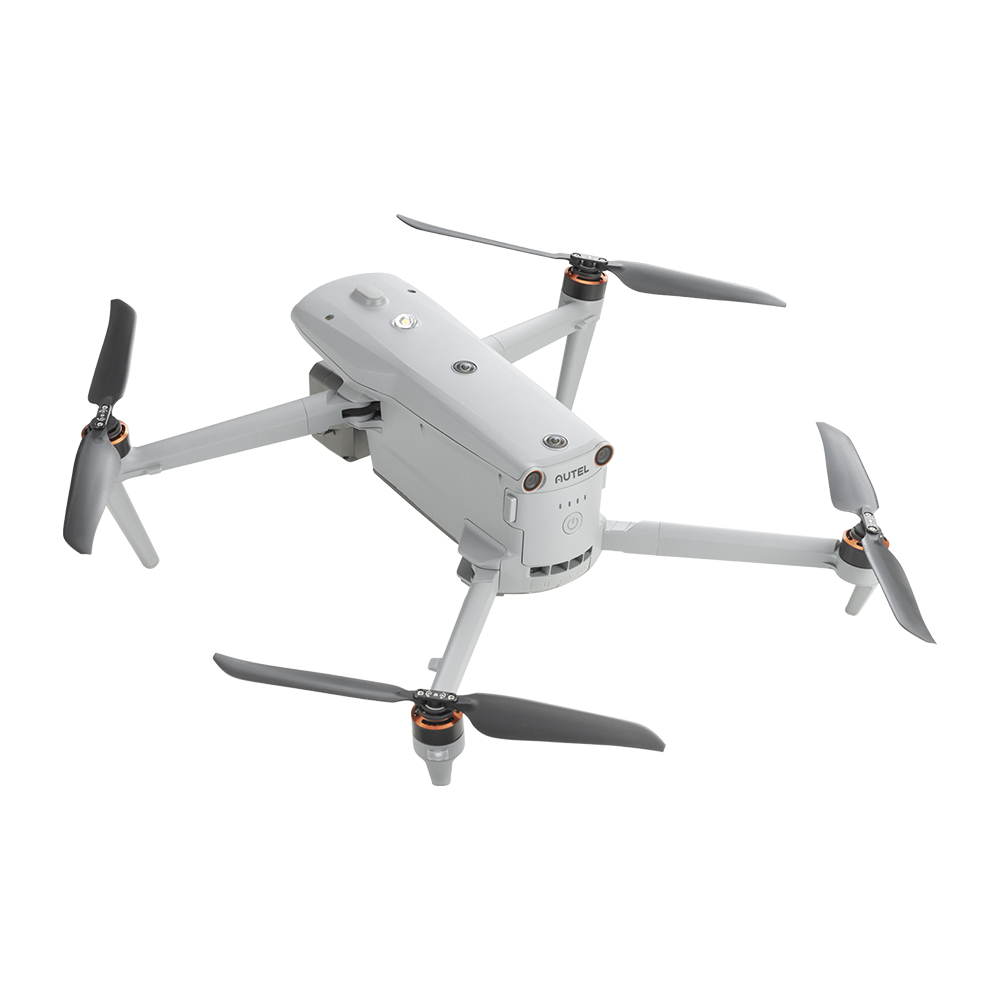
I can’t compare price or value precisely because no UK price is provided for the Autel EVO II Dual 640T, but it’s rated 4.4/5 and pairs a radiometric 640 thermal camera with high-resolution visible imaging.
Is DJI Matrice 350 RTK waterproof enough for UK weather?
The DJI Matrice 350 RTK has a rugged IP55 enterprise airframe with hot-swappable batteries for extended operations, and it’s rated 4.7/5.
Conclusion
This shortlist highlights five leading systems for UK power line inspection: DJI Matrice 350 RTK, DJI Matrice 30T, Autel EVO II Dual 640T, senseFly eBee X and Parrot Anafi USA. Each platform serves different inspection styles — from heavy payload enterprise use to lightweight fixed-wing mapping — but for most UK utility teams seeking a balance of endurance, sensor flexibility, enterprise features and regulatory readiness, the DJI Matrice 350 RTK stands out as the best overall choice. We hope you found the information you needed. If you want to refine or expand your search, use the site search to filter by sensor type, flight time, or BVLOS readiness.