Panoramic Drones: Top 5 Options in the UK for 2026
Published on Monday, 26 January 2026
Panoramic drones capture full 360 degree aerial views and stitched wide-format imagery that help professionals and hobbyists create immersive panoramas, virtual tours, and high-detail maps. In the UK market for 2026, demand centres on image quality, reliable stitching software, stable flight performance in varied weather, and regulatory compliance. Consumers choose panoramic drones for real estate listings, tourism and events, land and coastal surveying, environmental monitoring, and film production. Buyers prefer models that balance easy setup and intuitive 360 camera controls with strong battery life, robust sensors, and good post-processing tools. Rental and service options remain popular among users who need occasional professional results without large upfront investment.
Top Picks Summary
DJI Air 3
The DJI Air 3 earns a best-in-class nod for panoramic drones by combining a versatile dual-camera system and long flight time to capture wide, high-detail stitched panoramas without the cost and bulk of flagship models. It strikes a strong balance between portability and image quality, offering better dynamic range and reach than the Mini 4 Pro while being more affordable and easier to fly than the top-tier Mavic 3 Pro. Compared with Autel and FPV-focused options on the list, the Air 3 delivers the most practical blend of panorama-specific features for travelers and prosumers.

DJI Mini 4 Pro
The DJI Mini 4 Pro stands out as the budget-friendly panoramic tool for travelers by delivering impressive imagery from an ultralight, registration-exempt airframe that makes large panoramic shoots simple and legal in many regions. While it cannot match the raw sensor size or low-light performance of the Air 3 or Mavic 3 Pro, its financial and regulatory advantages make it the most cost-effective choice for wide-format panoramas and quick location scouting. Compared to Autel’s offering and DJI’s heavier models, the Mini 4 Pro prioritizes portability and accessibility over absolute technical headroom.
%2Fcdn.vox-cdn.com%2Fuploads%2Fchorus_asset%2Ffile%2F24952800%2Fmini_4_pro_dji.jpg&w=3840&q=75)
£699-899 GBP
DJI Mavic 3 Pro
The DJI Mavic 3 Pro is the market leader for professional panoramic drones thanks to its flagship-grade imaging system and extended optical reach, which produce the highest fidelity stitched panoramas and best performance in challenging lighting. Its premium price is justified for commercial photographers and surveyors who need maximum dynamic range, resolution and stable long-range capture compared with mid-range options like the Air 3 or Autel Evo Lite+. For panorama work that demands large prints or tight telephoto stitching, the Mavic 3 Pro remains the technical benchmark on this list.
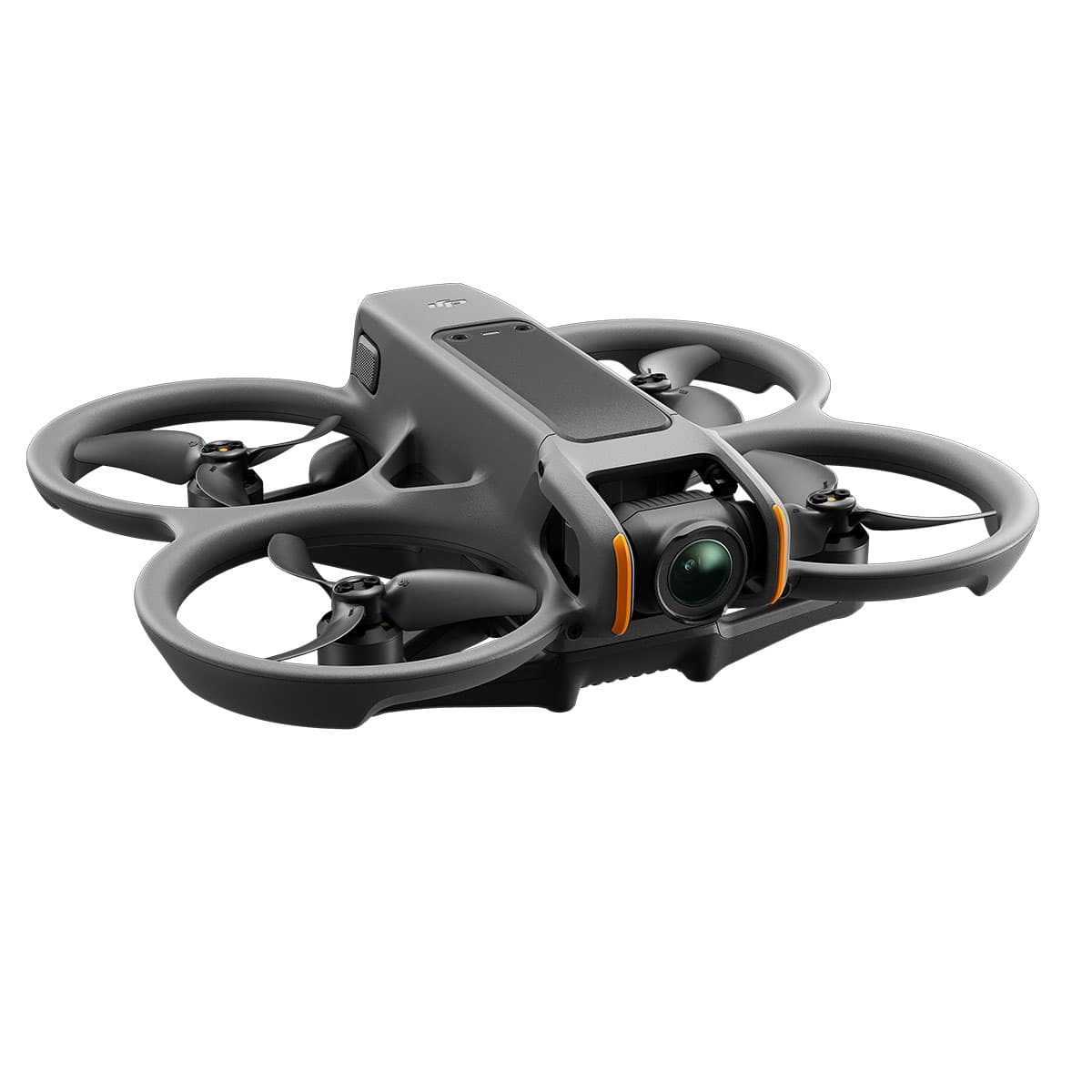
DJI Avata 2
The DJI Avata 2 brings a different value to panoramic capture by enabling immersive, motion-rich panoramas and first-person perspectives that traditional gimbal drones cannot replicate, making it ideal for cinematic panoramic tours and action-oriented scenes. It is not intended as a pure high-resolution stitching platform like the Mavic 3 Pro, but its maneuverability and unique viewpoints add creative panorama possibilities that complement the other, more image-centric drones in this list. Financially and technically, the Avata 2 is a specialized purchase for creators who prioritize immersive motion over maximum static image resolution.
Research and Evidence: How Panoramic Drone Imaging Helps
Scientific and industry research supports the value of panoramic and 360 degree aerial imaging for accurate mapping, better situational awareness, and improved user engagement. Studies in remote sensing and photogrammetry show that multi-angle imagery and automated stitching increase spatial completeness and visual context compared with single-frame photos. Work in machine learning and image processing has also improved panorama stitching, exposure blending, and artefact reduction, making 360 outputs more reliable and easier to use for non-specialists. Research on user experience indicates that immersive panoramic views increase engagement and decision confidence in real estate, tourism, and planning applications.
Improved mapping accuracy: Multi-angle panoramic captures reduce blind spots and improve 3D reconstruction when combined with photogrammetry workflows.
Better situational awareness: Full circle imagery gives planners, surveyors, and emergency teams more context than single-direction shots.
Higher viewer engagement: Studies of virtual tours and 360 media report greater time on page and stronger user understanding of spaces.
Advances in stitching and AI: Recent machine learning models reduce stitching seams and exposure mismatches, producing smoother panoramas.
Cost effectiveness: For many projects, a single panoramic flight can replace multiple passes, saving time and reducing operational cost.
Safety and regulation guidance: UK Civil Aviation Authority guidance and industry best practice research reinforce safe use of panoramic drones in built and protected environments.
Frequently Asked Questions
Which panoramic drone is best for professional photographers in the UK?
The DJI Mavic 3 Pro is the ideal choice for professionals because it features a large-format main sensor that delivers exceptional dynamic range for cinema-grade HDR capture.
How long can the DJI Air 3 stay in the air for panoramic shots?
The DJI Air 3 offers a long flight time of approximately 46 minutes, allowing you to capture wide, high-detail stitched panoramas without needing to land frequently.
Is the DJI Mini 4 Pro light enough to avoid UK drone registration?
The DJI Mini 4 Pro is a sub-250g class airframe, making it an ultralight, registration-exempt tool that simplifies panoramic shoots for travellers.
What is the average customer rating for the DJI Mini 4 Pro?
The DJI Mini 4 Pro holds an average rating of 4.5, reflecting its popularity as a compact, obstacle-aware drone for high-quality panoramic photography.
Conclusion
Panoramic drones offer a powerful way to capture immersive aerial views across the UK, from property marketing to coastal monitoring. We hope this overview helped you understand the category and what buyers look for in 2026. If you did not find exactly what you wanted, try refining or expanding your search using the search box to narrow by use case, budget, or certification level.