

Robotic Experiment Kits in the UK — Top 5 for 2026: Guide and Buying Advice
Robotic experiment kits bring hands-on STEM learning to classrooms, hobbyists and family makers across the UK. These kits combine electronics, sensors, microcontrollers and easy-to-follow experiments to teach coding, engineering and problem solving in a practical way. In 2026 British shoppers value modularity, curriculum alignment, and strong community support when choosing a kit; many prefer systems compatible with micro:bit, Raspberry Pi or Arduino for flexibility and long-term learning. Sustainability, clear documentation and age-appropriate challenge levels also drive purchases, while schools and parents increasingly look for kits that map to computing and design technology outcomes. Because the market is fast moving and product needs vary widely, this page does not present a ranked product list for 2026 but instead focuses on expert guidance, buying considerations and evidence-based benefits to help you pick the right robotic experiment kit for your needs in the UK.
Inception's AI took the time to understand this market in the UK · We may earn a commission on purchases. It never affects our rankings.
Top Picks Summary
LEGO Mindstorms Robot Inventor
LEGO Mindstorms Robot Inventor is best-in-class for learners who want a polished, modular platform with a massive ecosystem and industry-grade design thinking; its official app supports block coding and Python and the physical system encourages multi-stage engineering projects. Though typically pricier than kits here, its strong resale value, extensive community resources and seamless integration of hardware and software make it the top choice for long-term, curriculum-to-competition pathways compared with more open-hardware but lower-cost alternatives like Makeblock or more specialized systems like VEX.

Makeblock mBot2
Makeblock mBot2 stands out as a market leader for affordability and open-hardware flexibility, offering Arduino-compatible electronics, rich sensor sets, and support for Scratch and Python that make it especially attractive to hackers and STEM classrooms on a budget. It undercuts LEGO on price while providing more raw programmatic access and expansion potential, and it offers a more accessible entry point than the heavier-duty, competition-focused VEX systems.
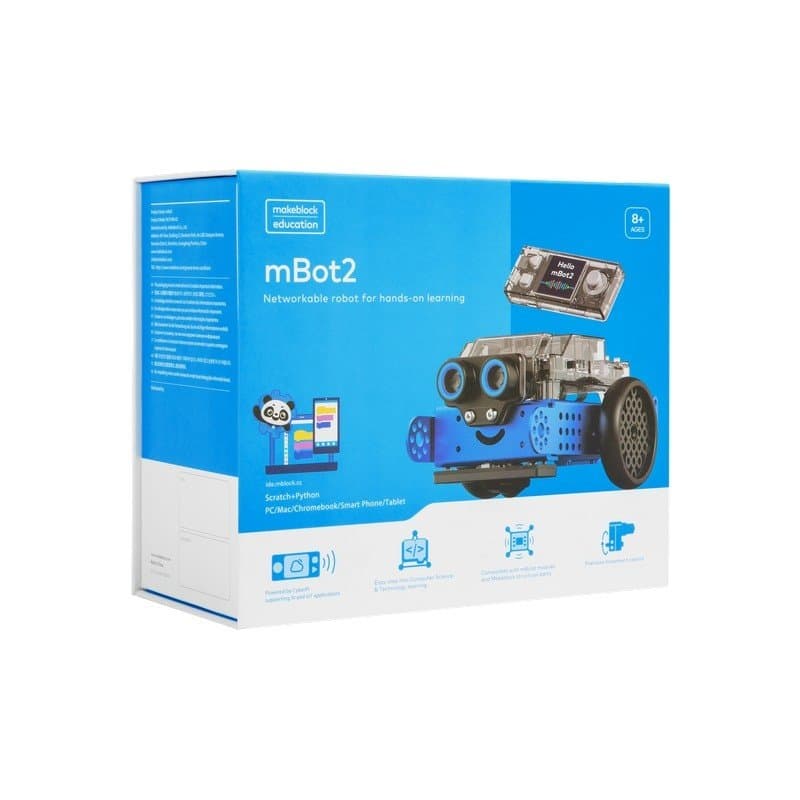
Where to buy Makeblock mBot2 in UK: we track one retailer, Makeblock, and show the price we last observed there; the price you see at checkout may differ.
We may earn a commission on purchases. It never affects our rankings.
£150 – £220
Thames Kosmos Robotics Smart Machines
Thames & Kosmos Robotics Smart Machines is a classroom-focused choice that emphasizes guided experiments, clear learning objectives, and excellent curricular documentation, making it a cost-effective option for schools that prioritize reproducible lab-style activities. Technically less programmable and expandable than LEGO or Makeblock, it nevertheless delivers superior science pedagogy per dollar and is ideal where structured experiments and teacher-ready materials matter most.

VEX Robotics Arm
The VEX Robotics Arm is a market-leading, competition-grade solution designed for advanced learners and robotics clubs that need durable metal construction, precise actuators, and modularity for complex tasks; its higher upfront cost buys industrial robustness and scalability for team-based challenges. Compared with toy-focused kits like Clementoni or Thames & Kosmos, VEX trades price and beginner simplicity for performance, making it the preferred choice where long-term competitive or engineering development is the goal.

Where to buy VEX Robotics Arm in UK: we track one retailer, Vexrobotics, and show the price we last observed there; the price you see at checkout may differ.
We may earn a commission on purchases. It never affects our rankings.
£180 – £350
Clementoni RoboMaker Pro
Clementoni RoboMaker Pro is a cost-conscious, beginner-oriented kit that pairs friendly step-by-step guides with playful robotics projects, making it well suited for younger learners and home use. Technically it’s less expandable and powerful than LEGO, Makeblock, or VEX, but it delivers strong educational value per euro for introductory robotics and is often the most budget-friendly option for first-time experimenters.

What the Research Says About Robotic Kits
A growing body of educational research supports the use of robotics and hands-on projects to improve learning outcomes in STEM. Studies in the UK and internationally highlight gains in problem solving, computational thinking and engagement when learners build and program physical devices. Research also indicates that project-based and collaborative activities increase motivation and long-term interest in technical subjects, especially when tasks are scaffolded for different age groups.
Hands-on learning boosts retention: experimental and classroom studies report higher knowledge retention when students learn by doing rather than only through lectures or worksheets.
Computational thinking and coding: evidence shows that building and programming robots improves core coding concepts such as sequencing, debugging and abstraction.
Engagement and motivation: project-based robotics increases classroom engagement, particularly among underrepresented groups in STEM, by making learning tangible and social.
Transferable skills: working with kits nurtures problem solving, iterative design and teamwork, skills that research links to improved performance in broader STEM tasks.
Alignment with curriculum goals: UK education research and guidance recommend practical computing and design activities to meet computing and design technology learning objectives.
Frequently Asked Questions
Which robotic kit is best for learners wanting a modular platform?
The LEGO Mindstorms Robot Inventor is the ideal choice for learners seeking a modular platform, as it features LEGO Technic builds with motors and sensor-compatible elements that support complex engineering projects.
Does the Makeblock mBot2 support Python programming for students?
Yes, the Makeblock mBot2 is programmable with mBlock using both Scratch-style blocks and Python, facilitating a progressive learning path for students.
Is the Thames & Kosmos Robotics Smart Machines kit good for schools?
The Thames & Kosmos Robotics Smart Machines kit is a classroom-focused option that provides guided experiments and clear learning objectives, making it highly effective for schools that prioritise reproducible lab-style activities.
What is the average user rating for the LEGO Mindstorms Robot Inventor?
The LEGO Mindstorms Robot Inventor holds an average rating of 4.6, reflecting its popularity among users who value its extensive parts library and community resources for custom robotics projects.
Conclusion
Robotic experiment kits remain one of the most effective ways to learn coding, electronics and engineering through practical projects in the UK. We hope this guide helped you understand the benefits and how to choose a kit that fits your age group, budget and learning goals. If you did not find exactly what you wanted here, use the site search to refine your criteria by age, platform compatibility, curriculum alignment or price to expand your options.