Top 5 Telecommunication Tower Inspection Drones in the UK - 2026 Guide
Published on Monday, 26 January 2026
Telecommunication tower inspection drones are specialized unmanned aerial systems (UAS) equipped with high-resolution cameras, LiDAR, thermal sensors, and advanced data-processing software to inspect masts, lattice towers, and monopoles safely and efficiently. In the UK market, demand is driven by operators and maintenance teams seeking to reduce worker risk, cut inspection time, lower operational costs, and improve the accuracy of defect detection and asset records. Buyers prefer systems or service providers that combine regulatory compliance with the UK Civil Aviation Authority, proven sensor suites, strong battery endurance, reliable radio links, and expert data analysis or integration with asset management platforms. For 2026 the category listing shows the top 0 options available in the UK, reflecting market consolidation, bespoke service models, and growing interest in inspection-as-a-service over one-off equipment purchases.
Top Picks Summary
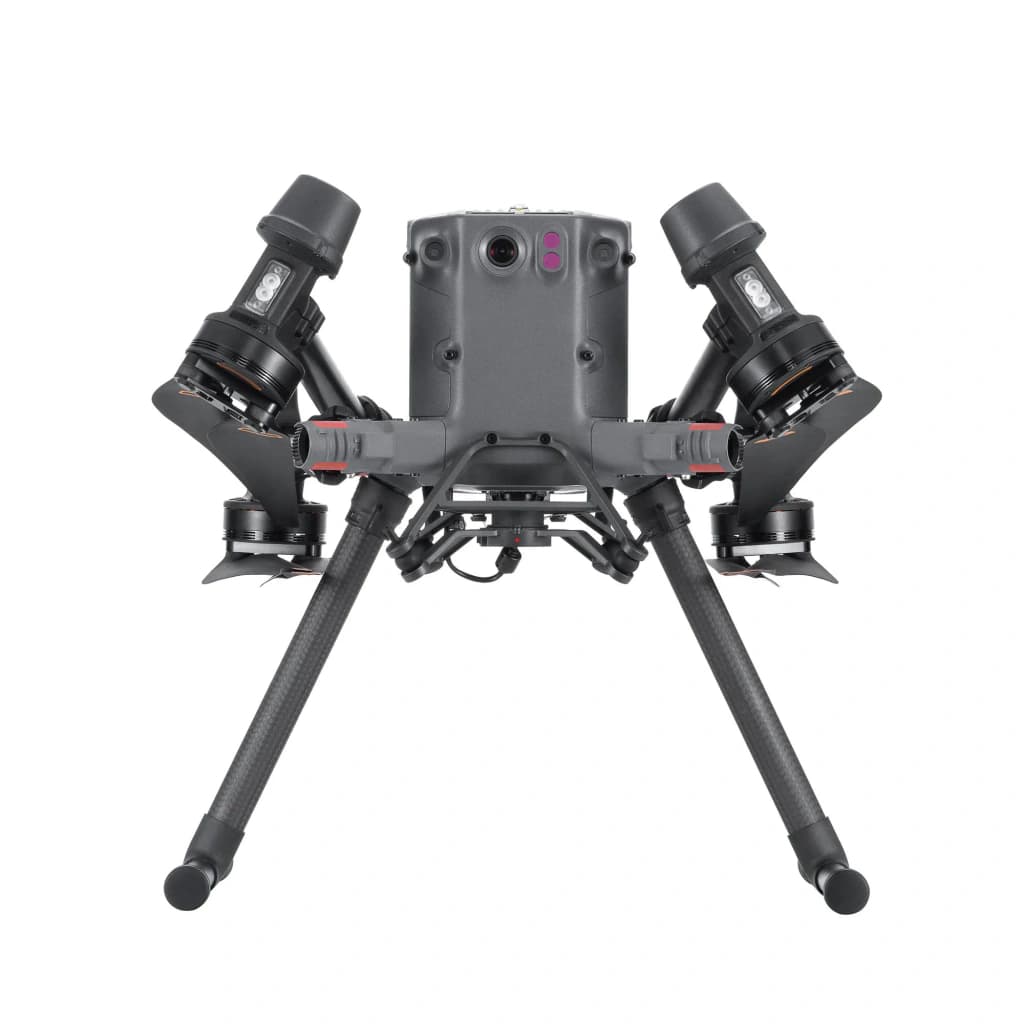
DJI Matrice 350 RTK
The DJI Matrice 350 RTK is the market-leading, best-in-class platform for telecommunication tower inspections thanks to enterprise-grade RTK positioning, long endurance, and flexible multi-payload integration (visual, zoom, LiDAR and thermal). While it has a higher upfront price than compact alternatives like the Matrice 30T or Anafi USA, its mature ecosystem, certified workflows and global service network reduce operational risk and total cost of ownership for large-scale inspection programs.
£10,000-15,000 GBP
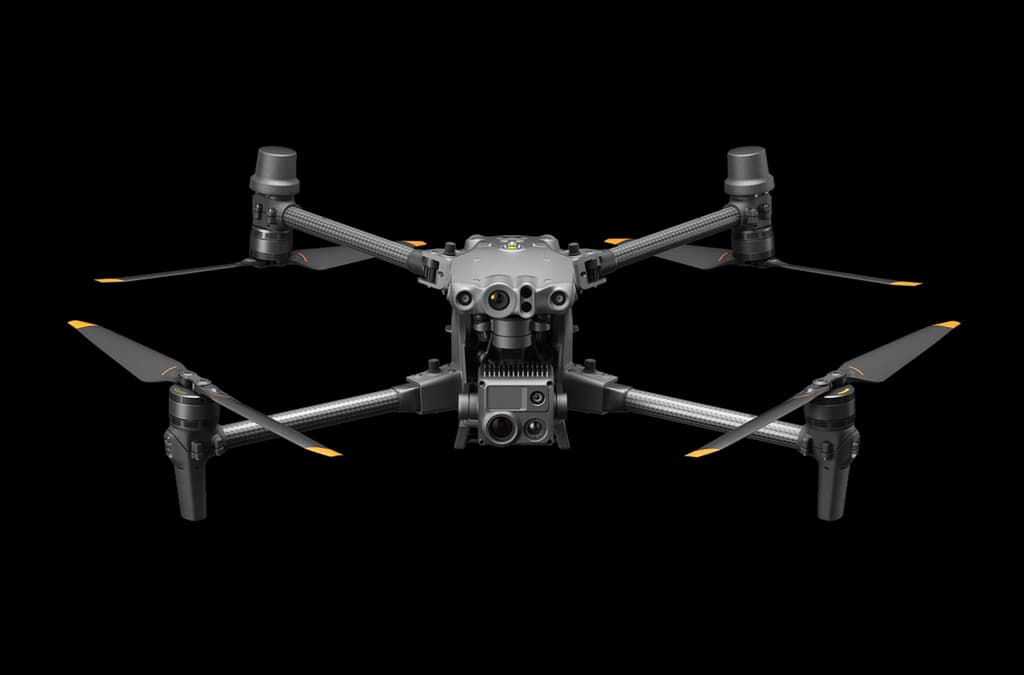
DJI Matrice 30T
The DJI Matrice 30T is a compact, thermal-capable inspection drone that balances portability and capability for routine tower checks, enabling faster deployment and lower capital outlay than larger enterprise rigs. It offers an attractive price-performance point compared with the M350 RTK—trading some endurance and payload flexibility for affordability and convenience—making it ideal for frequent, mobile inspection teams.
£6,000-8,000 GBP
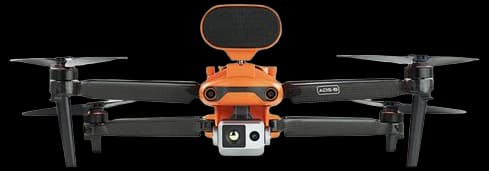
Autel EVO II Dual 640T
The Autel EVO II Dual 640T stands out by pairing a high-resolution 640×512 thermal sensor with an 8K visual camera to deliver detailed thermal diagnostics at a lower acquisition cost than many flagship enterprise platforms. For telecommunication tower inspections it gives superior thermal sensitivity for hotspot detection when compared to the smaller thermals on the Matrice 30T and Anafi USA, though it lacks DJI’s broader enterprise service and payload ecosystem.
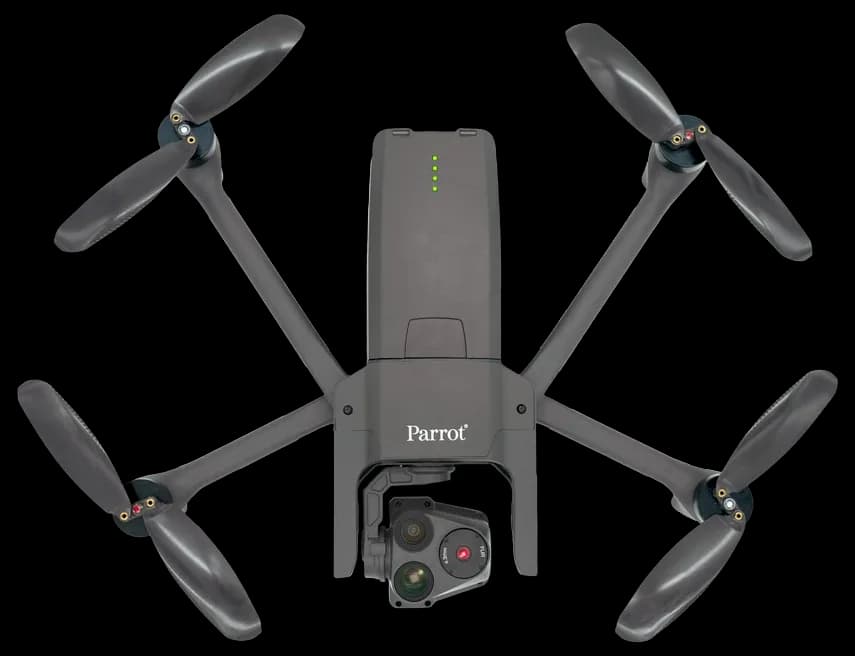
Parrot Anafi USA
The Parrot Anafi USA is a lightweight, highly portable inspection drone offering radiometric thermal imaging and strong zoom capability in a compact package that minimizes deployment time and personnel costs. It is very cost-effective for single-operator or rapid-response inspections relative to larger systems, but it provides shorter flight times and fewer redundancy and payload options than the Matrice 350 RTK or Freefly platforms.
£5,000-7,000 GBP
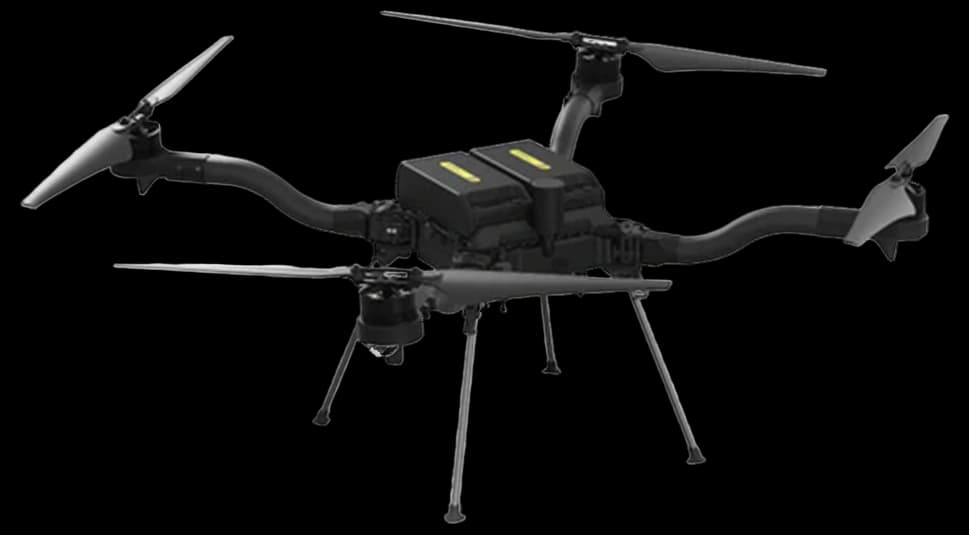
Freefly Astro
The Freefly Astro targets operators who need a highly flexible, high-performance platform for bespoke tower inspection payloads, emphasizing modular payload integration and industry-leading stabilization for detailed visual work. Although it sits at the higher end of the price spectrum, its open architecture and redundant systems make it attractive for service providers prioritizing custom sensor integration and long-term adaptability over turnkey enterprise packages.
£12,000-18,000 GBP
Scientific and industry evidence behind drone inspections
A growing body of industry trials and academic research supports the advantages of using drones for telecommunication tower inspections. Studies and pilot programs in the UK and Europe show that remote aerial inspection lowers the need for manual access, improves defect detection through high-resolution imaging and multispectral sensors, and enables repeatable digital records for trend analysis. Research also highlights how photogrammetry and LiDAR produce accurate 3D models for structural assessment while thermal imaging can reveal overheating equipment or insulation failures. Regulatory guidance and safety assessments emphasize that trained operators and robust procedures are essential to realize these benefits safely and legally.
Safety: Remote inspections reduce or eliminate the need for technicians to climb towers, lowering the risk of falls and exposure to height-related hazards.
Efficiency: Aerial surveys streamline scheduling and access, cutting downtime for cell sites and enabling more frequent condition monitoring.
Data quality: High-resolution photography, LiDAR mapping, and thermal imaging provide objective, repeatable records that support predictive maintenance.
Cost effectiveness: Operational trials report lower overall lifecycle inspection costs when aerial surveys replace or supplement rope access.
Compliance and governance: UK industry guidance and Civil Aviation Authority regulations require competent remote pilots, risk assessments, and site-specific operational procedures to ensure safe deployment.
Frequently Asked Questions
Which telecommunication tower inspection drone is best for enterprise-grade mapping?
The DJI Matrice 350 RTK is the ideal platform for enterprise telecommunication tower inspections, scoring a 4.7 average rating and featuring integrated RTK for centimetre-level mapping.
What sensor features does the DJI Matrice 30T include for site surveys?
The DJI Matrice 30T features an integrated radiometric thermal camera plus high-resolution zoom and wide sensors tailored for inspections, alongside an IP54 weather rating.
Which inspection drone offers high-resolution thermal imaging at a lower acquisition cost?
The Autel EVO II Dual 640T pairs a 640x512 thermal sensor with an 8K visual camera, holding a 4.3 average rating.
Which telecommunication tower inspection drone has an IP54 weather rating and hot-swap batteries?
The DJI Matrice 30T features an IP54 weather rating, hot-swap batteries, and omnidirectional sensing for safe industrial surveys.
Conclusion
Telecommunication tower inspection drones are a practical, increasingly adopted solution for UK operators focused on safety, speed, and smarter asset management. We hope this guide helped you understand the category and what to look for in 2026. If you did not find exactly what you wanted, refine or broaden your search using the site search to compare service models, sensor packages, or pilot certification options.