

Best Exoskeleton Rehabilitation Robots in the UK 2026: Top 5 Picks
Published on Tuesday, 27 January 2026
Rehabilitation exoskeletons are regulated medical devices, not retail products. In the UK they carry UKCA or CE marking, are supplied by the manufacturer or an approved distributor after a clinical assessment, and are fitted and used under therapist supervision — there is no shop, online or otherwise, where you can simply add one to a basket. Prices for the systems on this page run from roughly £55,000 to £170,000, and clinics and individuals normally start with a quote, a demonstration and a funding route rather than a purchase. Exoskeleton rehabilitation robots are advanced devices designed to assist individuals with mobility impairments. They provide mechanical support and guided movement to enhance gait training, increase standing time and accelerate functional recovery. In the UK market these systems are appealing to a mix of NHS trusts, private clinics and home users because they combine measurable clinical outcomes with growing usability. Buyers prioritise evidence of efficacy, clinical support and aftercare, portability for UK homes, compatibility with NHS procurement and UKCA marking, clear training programmes for therapists, and predictable maintenance and rental options. Cost, weight, battery life, and the device's ability to adapt to complex clinical presentations such as stroke, spinal cord injury and neurodegenerative conditions also strongly influence consumer choice.
Top Picks Summary
ReWalk personal 6.0
ReWalk Personal 6.0 is positioned as the consumer/home-market leader for individuals with spinal cord injury seeking independent mobility; it is FDA-cleared for personal use and engineered for daily ambulation with a lightweight wearable design and battery optimized for extended outings. Compared with the clinic-focused systems in this list, ReWalk emphasizes personal ownership and predictable long-term per-user costs, making it more accessible for private purchase while offering fewer clinic-grade data-capture and modular therapy features than devices like EksoNR.

Ekso EksoNR
EksoNR is a market-leading clinical neurorehabilitation exoskeleton built for intensive therapy programs, notable for adjustable support levels, extensive performance metrics, and straightforward integration into clinical workflows. It excels technically for high-volume clinic use and reimbursement-driven deployments, making it a financially prudent choice for hospitals compared with consumer-targeted models like ReWalk, though it is larger and less suited for unsupervised home use.

Indego Personal
Indego Personal is a lightweight, modular exoskeleton designed for personal mobility and outpatient rehabilitation with a focus on portability, easy donning/doffing, and adaptable component configurations. Its modular architecture and generally lower price point make it a cost-competitive alternative for clinics and individuals seeking flexible use, although it provides fewer advanced biofeedback and autonomous balance features than HAL or Atalante.
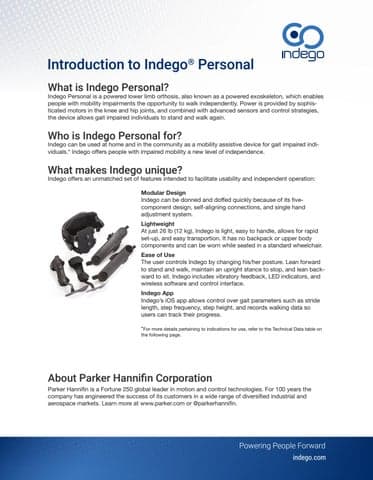
£55,000 – £75,000
HAL Hybrid Assistive Limb
HAL (Hybrid Assistive Limb) stands out for its biofeedback-driven control using surface EMG to detect and amplify the user's voluntary muscle signals, offering a unique pathway to promote motor learning and neuroplasticity during rehabilitation. Technically sophisticated and favored in research and specialized centers, HAL delivers targeted neural engagement that purely force-driven systems typically lack, but that advanced capability carries higher acquisition and clinician training costs than simpler personal exoskeletons.
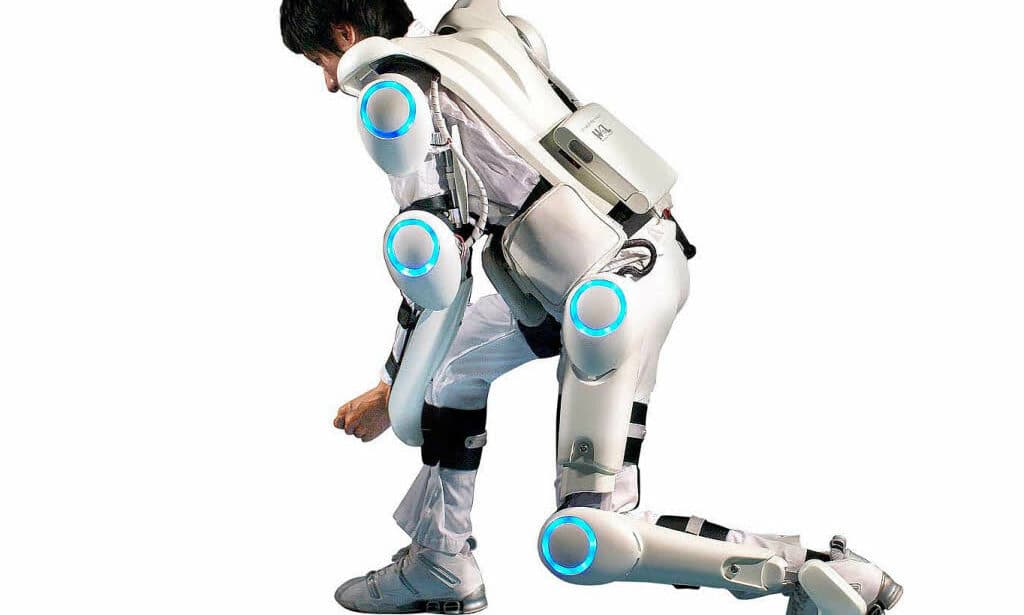
£90,000 – £140,000
Wandercraft Atalante
Wandercraft Atalante is a dynamic balance exoskeleton enabling hands-free, crutchless overground walking through advanced onboard balance and gait control algorithms, making it especially valuable for natural gait training in severe impairments. Its autonomous balancing capability differentiates it from tethered or brace-based systems and delivers unique therapeutic outcomes that can justify the premium acquisition and specialized-program costs for clinics focused on high-function ambulation recovery.

£110,000 – £170,000
What the research says
Clinical trials and systematic reviews up to the mid 2020s show that exoskeleton-assisted rehabilitation can improve gait parameters, increase walking distance and support intensive, repetitive practice that encourages neuroplasticity. Evidence is strongest for subacute and chronic stroke and for certain incomplete spinal cord injuries, where guided overground training can translate into improved functional mobility. Research also highlights the importance of therapist-led programmes, individualized settings and integration with conventional physiotherapy to achieve the best outcomes. Safety profiles are generally acceptable when devices are used by trained teams, though long-term comparative effectiveness versus high-intensity conventional therapy is still an active area of study.
Randomized and controlled studies report improvements in walking speed, endurance and step symmetry when exoskeleton training is added to standard rehabilitation.
Evidence supports use in stroke and selected spinal cord injury patients, especially when therapy is intensive and individualized.
Exoskeletons encourage repetitive, task-specific practice that can promote neuroplastic changes associated with functional gains.
Safety is good under clinician supervision; proper fitting, monitoring and training reduce adverse events.
Long-term outcomes and cost effectiveness vary by device and patient group, so clinical judgement and local pathways remain important.
Frequently Asked Questions
Which exoskeleton rehabilitation robot is best overall for UK clinics?
For most UK rehabilitation teams the Ekso EksoNR is the best overall clinical choice, thanks to its adjustable assistance levels, detailed performance metrics and straightforward fit into hospital gait-training workflows. It is made by Ekso Bionics and holds a 4.5 average rating on this list.
Which exoskeleton is best for personal or home use?
The ReWalk Personal 6.0, made by ReWalk Robotics (Lifeward), is designed for personal and community use by people with spinal cord injury. It is FDA-cleared for personal use and offers a custom-fit build with a lower-mounted battery pack for all-day outings. It is still prescribed and fitted through a clinical team rather than bought off the shelf.
Are these exoskeletons sold on Amazon or bought directly from the manufacturer?
These are six-figure clinical-grade medical devices, so they are not sold through general retailers like Amazon. They are supplied directly by the manufacturers (ReWalk Robotics, Ekso Bionics, Cyberdyne and Wandercraft) or their approved clinical distributors, usually with therapist training, fitting and aftercare included.
How do you actually get a rehabilitation exoskeleton in the UK?
You start with the clinical team, not the supplier. A consultant or neuro-physiotherapist assesses whether you meet the device's criteria (injury level, height, weight, bone density, joint range), then refers you to a centre that already runs the system or to the manufacturer's UK distributor for a demonstration and quote. Access through the NHS is via specialist rehabilitation services and is limited; most personal purchases involve charitable grants, injury compensation settlements or self-funding. Devices sold in Great Britain must be UKCA or CE marked and registered with the MHRA.
Conclusion
In the UK context, exoskeleton rehabilitation robots are a growing and practical option for clinics and eligible home users. This page highlights five leading systems: ReWalk Personal 6.0, Ekso EksoNR, Indego Personal, HAL Hybrid Assistive Limb and Wandercraft Atalante. For many clinical rehabilitation teams the Ekso EksoNR stands out as the best overall choice because of its combination of clinical features, research support and adaptability across patient groups. We hope you found the comparison helpful. If you want to refine or expand your search, use the site search to look for specific features, clinical evidence or purchasing and rental options.