Medical Delivery Robots in the UK — 2026 Guide (Top 5 Options)
Published on Tuesday, 27 January 2026
Medical delivery robots are autonomous mobile systems designed to transport medicines, samples, equipment and supplies inside hospitals, care homes, pharmacies and other healthcare settings. In the UK this category is growing as NHS trusts, private hospitals and community care providers look for ways to reduce infection risk, ease staff workload and speed internal logistics. Consumer and buyer preferences favour proven safety, easy integration with existing workflows, compliance with UK data and health regulations, clear maintenance and support, and demonstrable return on investment. The market remains dynamic in 2026: new pilots and supplier partnerships appear frequently, but regional availability and long-term evidence of cost savings vary, which is reflected in a cautious buying approach across the sector.
Top Picks Summary
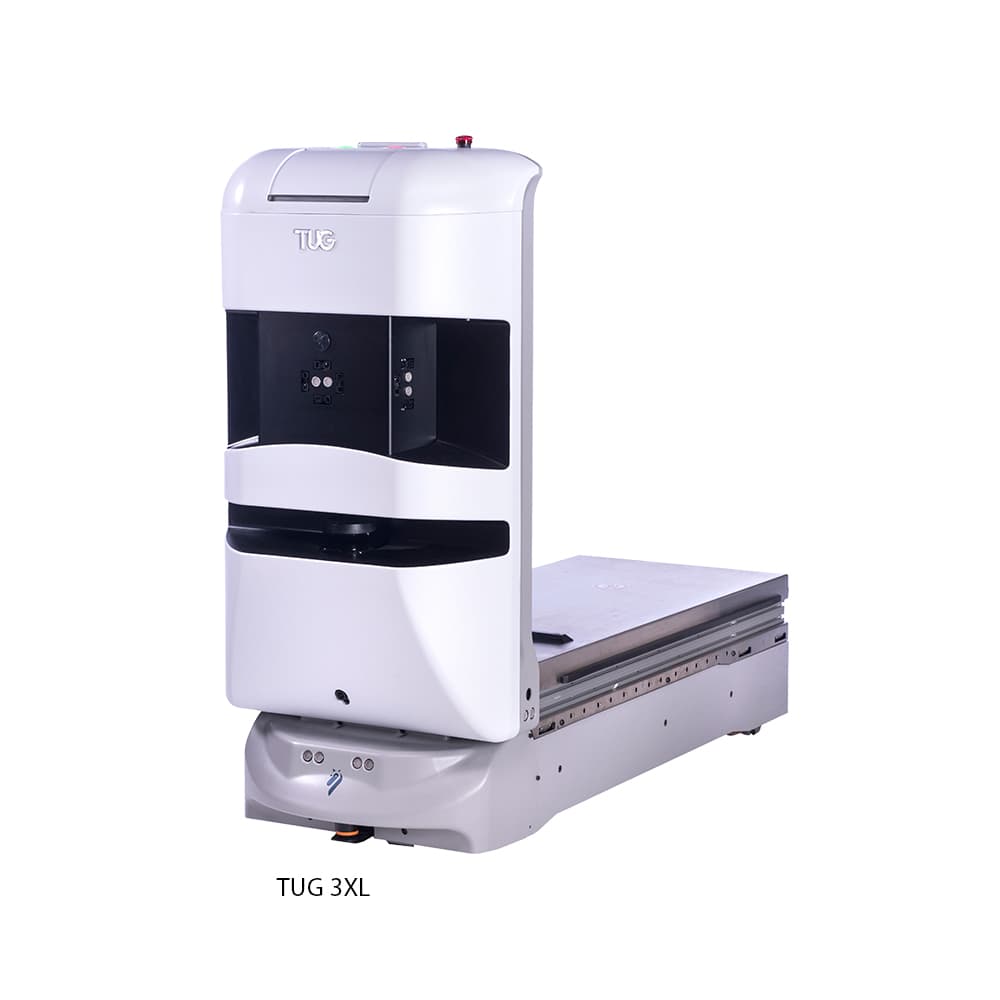
TUG T3 Autonomous Mobile Robot
The TUG T3 from Aethon is positioned as a heavy-duty, hospital-grade autonomous delivery robot optimized for high-volume internal logistics, with integrated elevator control and secure medication compartments that reduce clinical staff travel time. Compared with lighter systems on this list, TUG's larger payload and enterprise software integrations deliver faster ROI for large hospitals despite a higher upfront cost, making it the go-to choice where throughput and secure chain-of-custody matter most.
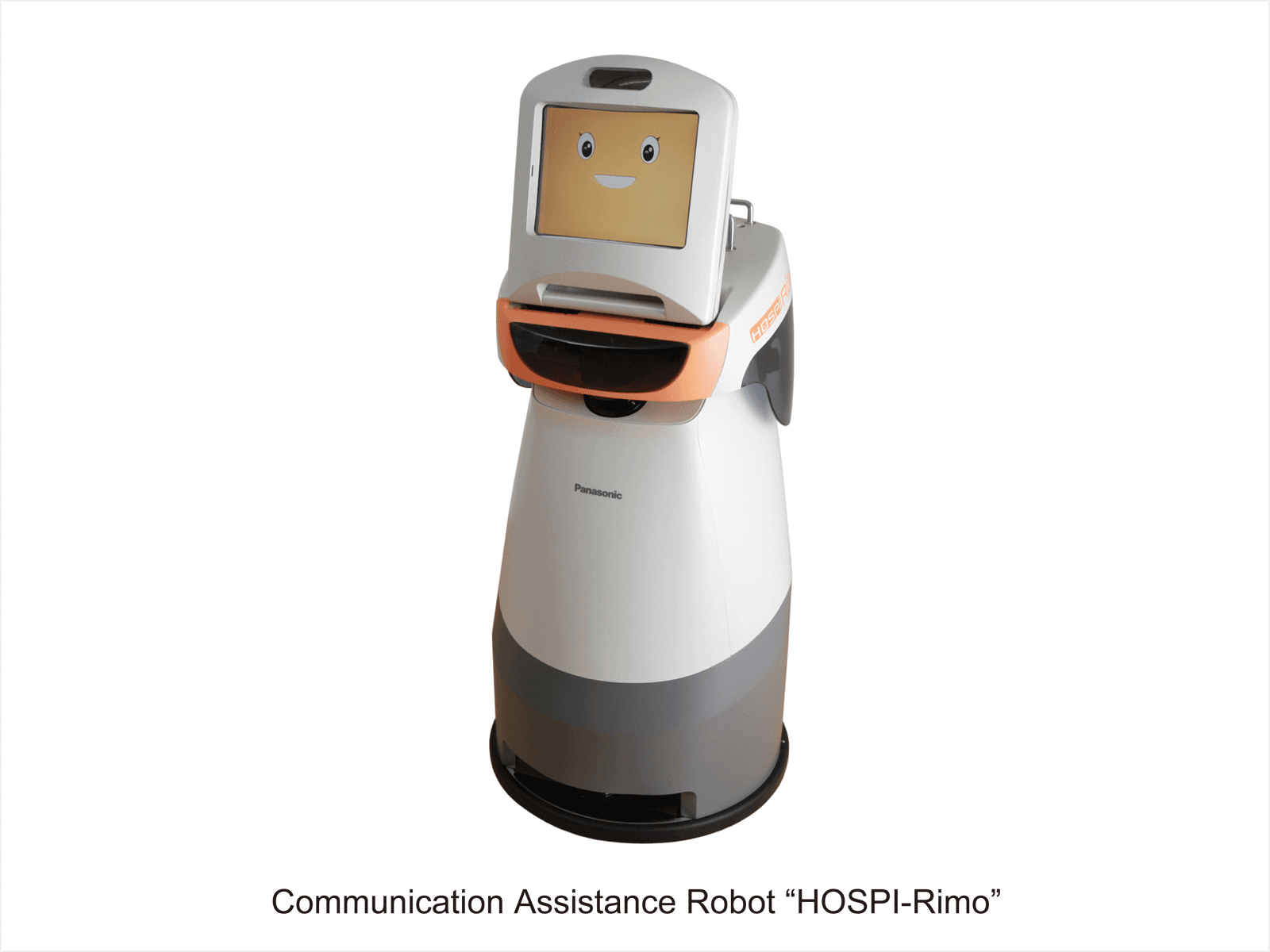
Panasonic HOSPI Robot
Panasonic's HOSPI is a medically focused delivery robot engineered for hygiene, strict regulatory environments, and reliable in-hospital deliveries such as pharmaceuticals and specimens. It trades the heavy payload of some competitors for a design that emphasizes sterilizable surfaces and manufacturer-backed support, offering lower integration risk and predictable lifecycle costs compared with bespoke or startup platforms in clinical settings.
Savioke Relay Robot
The Savioke Relay is a compact, cloud-managed indoor delivery robot that excels at rapid deployment and retrofit installations in constrained spaces like hallways and clinics. Its lower capital outlay and subscription-friendly software model make it financially attractive for smaller hospitals and clinics compared with larger, more complex systems, though it carries less payload capacity than heavy-duty models like the TUG or MiR250.
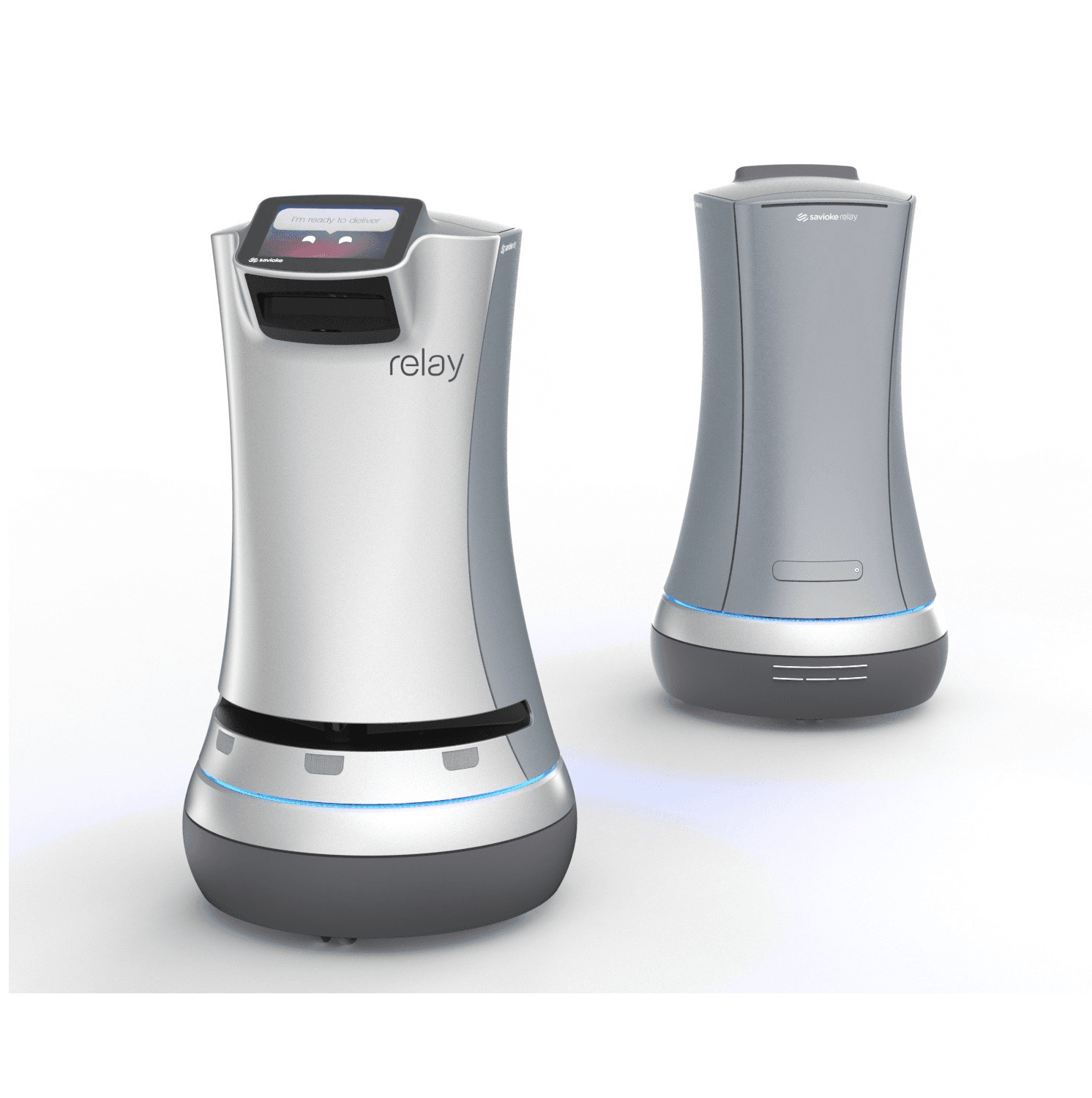
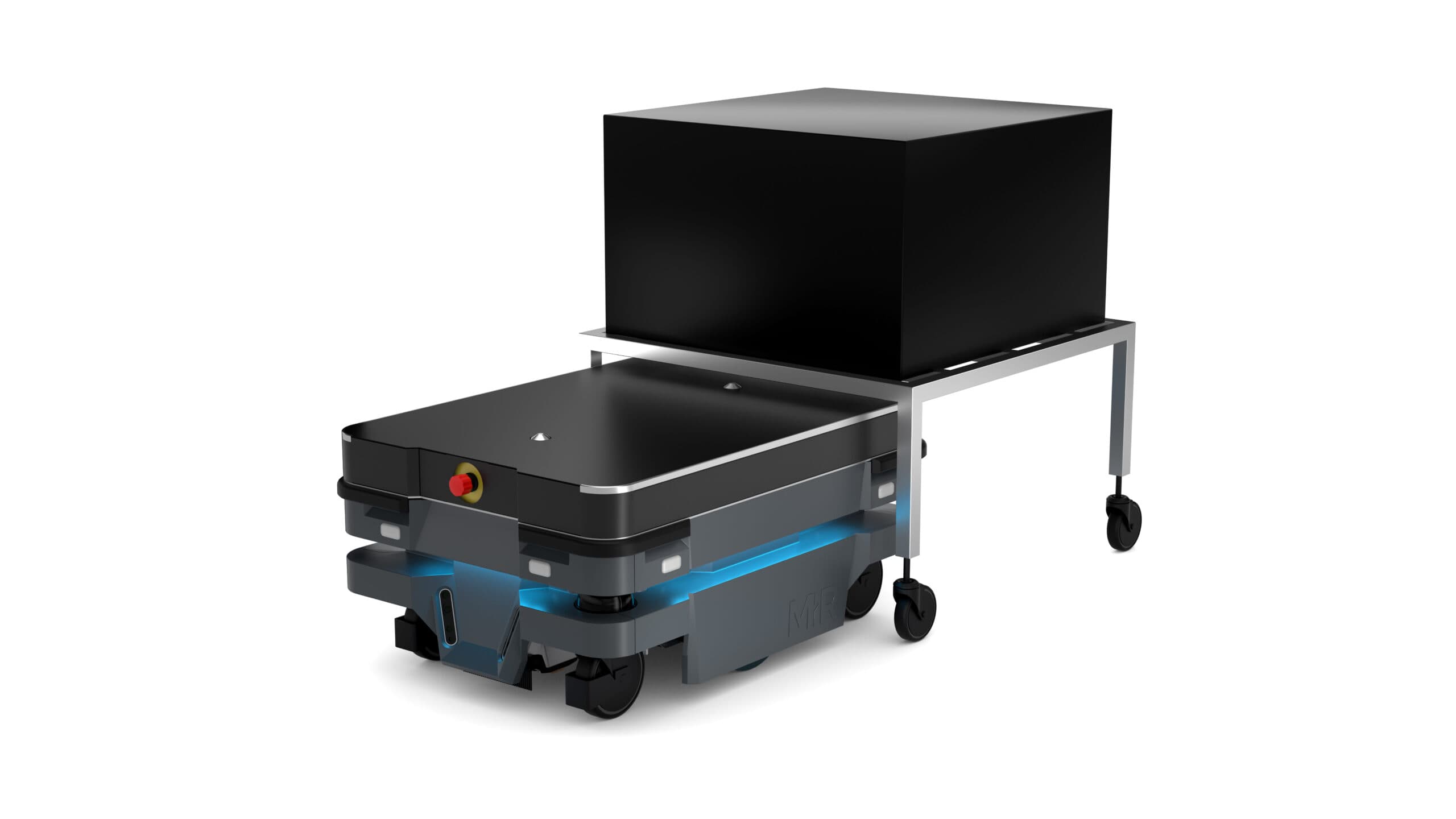
ABB MiR250 Mobile Robot
The MiR250 (Mobile Industrial Robots) is a flexible, modular AMR platform well suited to lab-to-pharmacy and internal transport tasks, offering strong developer tools and scalable fleet management that reduce total cost of ownership as deployments grow. Technically competitive with larger hospital robots on navigation and safety, MiR250 often undercuts big monolithic systems on price while enabling tailored payload modules for varied clinical workflows.
Starship Delivery Robot
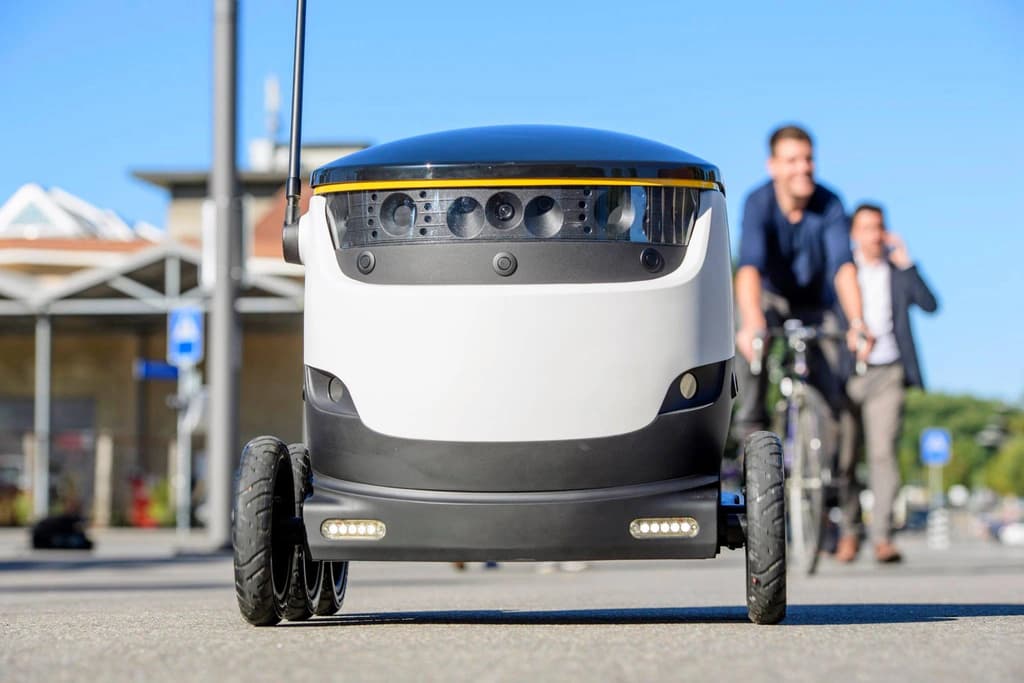
Starship's Delivery Robot is a low-cost, highly autonomous sidewalk robot optimized for last-mile deliveries across campuses and neighborhoods rather than internal hospital corridors. Its operational economics shine for inter-site and patient-home deliveries, often delivering lower per-trip labor costs than indoor-focused robots, but it is complementary rather than a substitute for corridor-optimized medical robots when strict indoor clinical workflows are required.
What research and trials say about medical delivery robots
Academic studies, NHS pilot projects and industry evaluations in the UK and internationally have examined how autonomous delivery robots perform in real healthcare environments. The evidence to date is encouraging on specific benefits such as reducing non-clinical foot traffic, lowering risk of cross-contamination, and improving delivery consistency. However, wider adoption depends on rigorous safety validation, staff training, and measurable workflow integration.
Reduced infection risk and contact points: Trials in hospital settings show that using robots for routine internal deliveries can reduce the number of staff movements and direct handoffs, which contributes to infection control when combined with appropriate cleaning protocols.
Time and efficiency gains: Pilot deployments report faster delivery of medications and samples within buildings compared with manual portering for repeated short routes, freeing clinical staff for patient-facing tasks.
Staff acceptance and workflow impact: Studies highlight that success depends on early staff engagement, clear role definitions, and changes to receiving procedures rather than simply introducing hardware.
Safety and navigation technology: Modern systems use LiDAR, cameras and multiple sensors for obstacle detection and safe human interaction; vendors typically validate performance in relevant indoor conditions before deployment.
Economic and operational considerations: Published evaluations and NHS pilots emphasize lifecycle costs (purchase, service, batteries, software updates) and the need for realistic ROI models that include reduced overtime, fewer portering errors, and lower infection-related costs.
Regulation and data protection: Deployments must meet UK health and safety expectations and handle patient-related information in line with UK GDPR and NHS data governance where applicable.
Frequently Asked Questions
Which robot should an NHS trust choose for heavy logistics?
Choose the TUG T3 Autonomous Mobile Robot for heavy-duty, hospital-grade internal logistics with integrated elevator control and secure medication compartments; it’s rated 4.4 and uses LiDAR and SLAM for complex hospital routes.
What navigation and delivery controls does TUG T3 offer?
The TUG T3 uses LiDAR and SLAM for autonomous navigation and supports enterprise fleet management with HIPAA-aware secure delivery workflows, plus integrated docking with elevators and automated charging.
How does Savioke Relay pricing work versus owning equipment outright?
The Savioke Relay is positioned with a lower capital outlay and a subscription-friendly software model, and it offers a secure lockable compartment for medications and specimens; it’s rated 4.2.
Is Panasonic HOSPI better for ward-level deliveries than Savioke Relay?
Panasonic HOSPI is designed for routine ward deliveries like tray delivery, linen and medication transport, using compact footprint and gentle handling; it’s rated 4.4, while Savioke Relay is lightweight for frequent short intra-hospital deliveries.
Conclusion
This category captures a fast-changing area of UK healthcare logistics for 2026. Because this page lists the top 0 options today, you may not find specific product recommendations yet; that can mean the market is still consolidating or that available systems did not meet our selection criteria. We hope this overview helped you understand the benefits, research background and buying considerations for medical delivery robots in the UK. Use the search or filters to refine or expand your search, check for the latest NHS pilot reports and supplier updates, or return later as new validated options become available.