Top 7 Outpatient Clinic Reception Robots in the UK for 2026
Published on Wednesday, 28 January 2026
Outpatient clinic reception robots are tailored to assist patients in outpatient settings, helping with check-in, appointment management, directions, and answers to common queries. In the UK market they appeal because they reduce administrative workload, shorten perceived waiting times, support multilingual communication for diverse patient populations, and add a consistent, contactless layer of service that can improve infection control. Clinics and trusts are increasingly interested in robots that integrate with existing appointment systems and electronic health records, comply with UK data protection standards, and deliver measurable time and cost savings. For private clinics and NHS outpatient departments alike, the combination of improved patient experience, staff time reallocation, and clear return on investment makes reception robots an attractive option heading into 2026.
Top Picks Summary
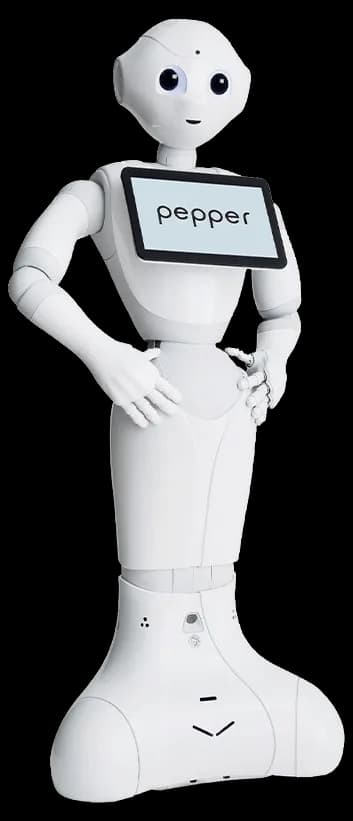
SoftBank Robotics Pepper
Pepper is positioned as a market-leading conversational receptionist thanks to its expressive humanoid design, natural-language dialogue engine and large touchscreen for patient check-ins. For outpatient clinics it excels at engagement and triage-style questioning compared with delivery-focused robots, though it has less robust autonomous navigation and payload capacity than mobile manipulators, which can make it a higher-cost choice per functional capability. Its proven deployments and strong developer ecosystem reduce integration risk and total cost of ownership for clinics prioritising patient-facing interaction.
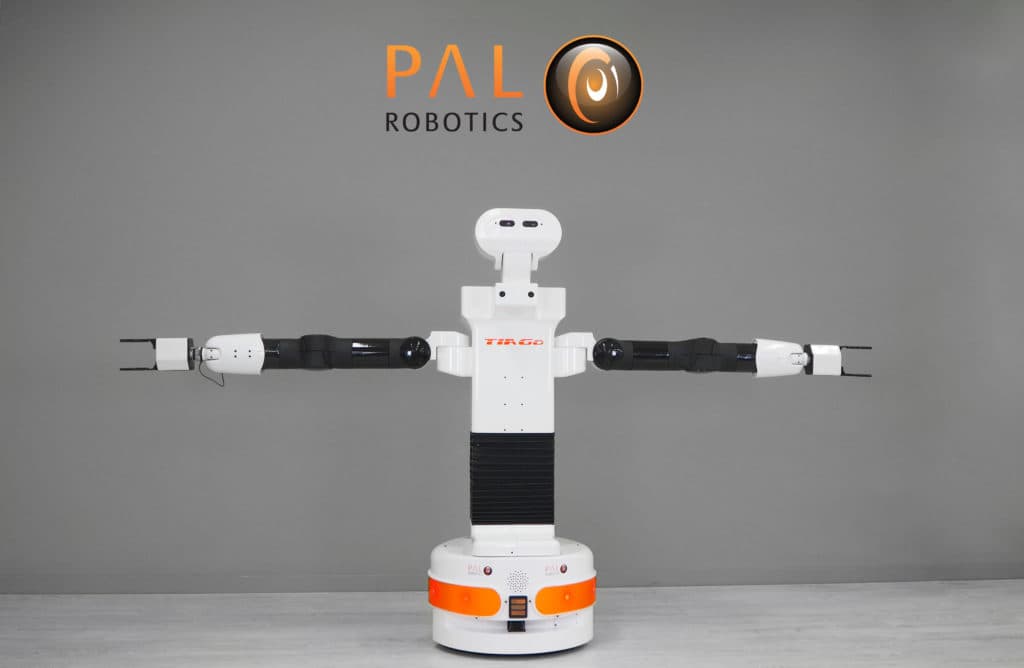
PAL Robotics TIAGo
TIAGo stands out as a best-in-class mobile manipulator offering industrial-grade navigation (LIDAR/SLAM) and an articulating arm that lets a reception robot handle documents, pass medications, or operate kiosks — capabilities beyond simpler conversational platforms. In outpatient clinic settings it is technically superior for multi-task workflows, though its greater hardware complexity and upfront cost make it better suited to clinics that need both reception and light logistic tasks rather than just engagement. Compared with Pepper and Sanbot Elf, TIAGo delivers more autonomy and utility per unit investment when clinics require physical interaction with the environment.
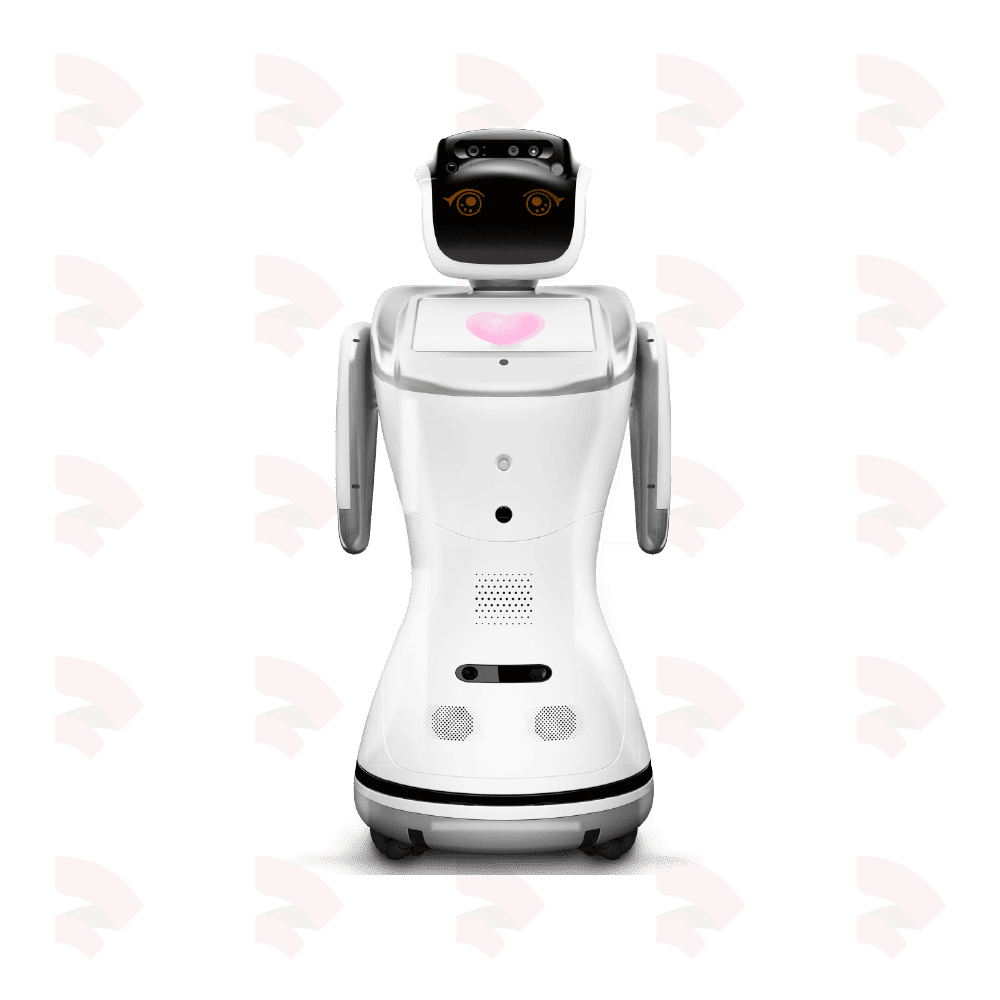
Sanbot Elf
Sanbot Elf offers an affordable, compact service-robot platform focused on voice interaction, facial recognition and appointment handling, making it attractive for budget-conscious outpatient clinics that need straightforward reception functions. It undercuts higher-end humanoids on price while providing reliable check-in workflows, though it lacks the advanced manipulation or enterprise SLAM of TIAGo and LG’s GuideBot. For clinics wanting low-cost patient-facing automation with quick deployment and limited maintenance overhead, Sanbot Elf is a pragmatic choice.
£3500-7500 GBP
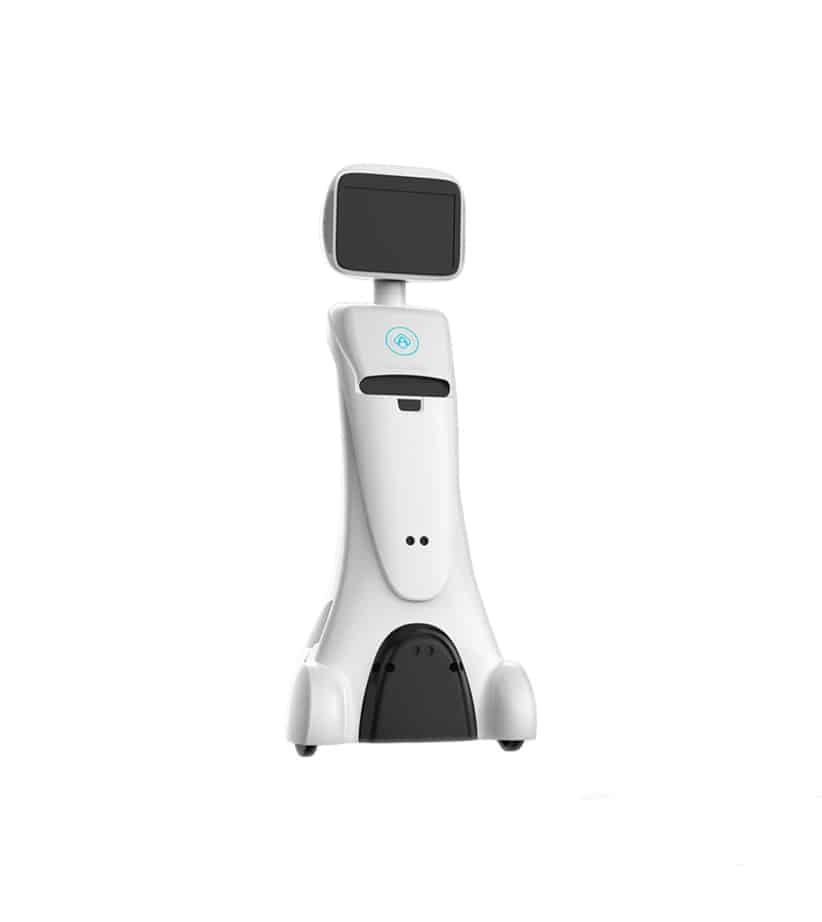
Amy Robotics Amy M1
Amy M1 is tailored to reception work with a polished conversational interface, appointment management integrations and a compact design aimed at clinical front desks; it balances powerful software with a lower hardware premium than full humanoids. In outpatient clinics it offers a cost-effective middle ground between inexpensive kiosks and high-end mobile manipulators, delivering strong workflow automation without the higher capital expenditure of TIAGo or Cruzr. Its strength lies in streamlined integrations and predictable operating costs for clinics prioritising patient throughput and data capture.
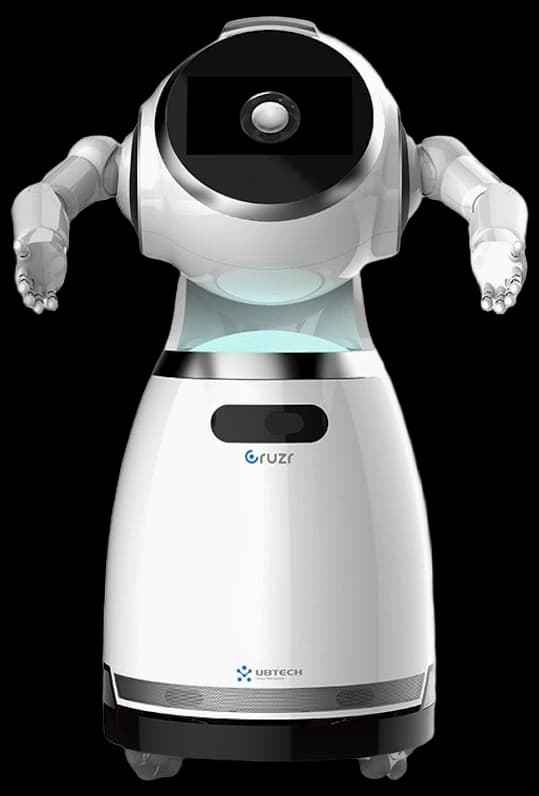
UBTECH Cruzr
Cruzr is an enterprise-focused receptionist robot with robust face recognition, multi-language conversational AI and cloud fleet management that simplifies scaled deployments across clinic networks. Technically it sits between consumer-grade units and industrial manipulators, offering better durability and remote administration than entry-level models, though at higher unit cost than basic reception robots like Sanbot. For outpatient systems where centralized control, security and multi-site analytics matter, Cruzr provides a compelling financial case through simplified maintenance and software-driven feature expansion.
£5000-12000 GBP
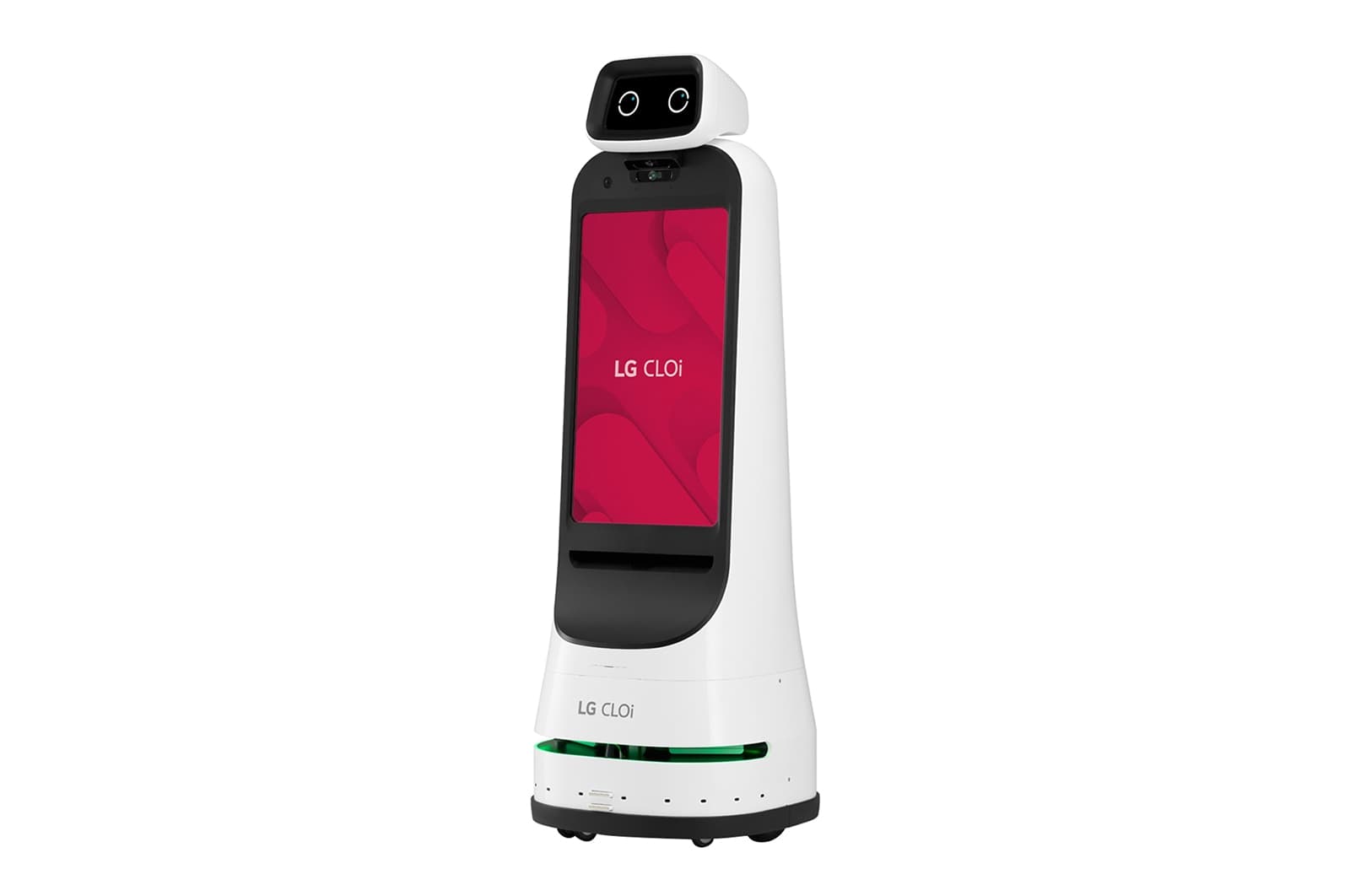
LG CLOi GuideBot
LG CLOi GuideBot emphasizes dependable autonomous navigation, enterprise systems integration and smooth indoor guidance, making it ideal for busy outpatient clinics that need accurate patient escorting, wayfinding and connections to hospital IT systems. It typically offers stronger SLAM, sensor suites and after-sales support than smaller vendors, which can reduce downtime and integration costs over time despite higher initial pricing. Compared with conversational-first robots, GuideBot’s technical advantage is in robust mobility and system-level reliability for multi-floor clinic deployments.
£22000-40000 GBP
What research and evidence support reception robots in outpatient care
Research from human-robot interaction, health services, and pilot deployments shows that service robots can improve workflow, patient satisfaction, and administrative accuracy in clinical settings. Studies and pilot reports typically examine patient acceptability, integration with digital appointment systems, and measurable effects such as reduced check-in time or lower front-desk congestion. Evidence also highlights the importance of accessible design, reliable speech and text interfaces, and robust data protection to meet UK regulatory expectations.
Workflow and efficiency: Health services research and pilot studies report reduced administrative time per patient when robots automate routine check-in tasks, allowing staff to focus on clinical duties.
Patient experience: HRI studies find that many patients rate interactions with friendly, well-designed robots positively, especially when the robot supports clear directions, multilingual prompts, and printed or digital receipts.
Infection control and contactless services: Deployments that reduce shared touchpoints for registration and information can contribute to infection control strategies by minimizing device handling by multiple people.
Integration and data security: Successful pilots emphasize integration with appointment systems and strong data governance to meet GDPR and NHS data security requirements, which is essential for UK adoption.
Accessibility: Research underscores the need for adjustable speech volume, clear display text, and simple touch or voice interactions so robots are accessible to older adults and people with sensory impairments.
Frequently Asked Questions
Is Pepper the best receptionist for outpatient triage and check-in?
SoftBank Robotics Pepper suits outpatient clinics needing engagement and triage-style questioning, with expressive humanoid design, a natural-language dialogue engine, and a large touchscreen for patient check-ins; it has an average rating of 4.1.
What exact features does PAL Robotics TIAGo reception robot include?
PAL Robotics TIAGo uses a robust ROS-based platform with rich sensors for precise indoor navigation (LIDAR/SLAM), plus an optional manipulator arm for handing documents or small items at reception, and a highly configurable software stack for custom clinic workflows.
Which robot gives more value for budget clinics, Sanbot Elf?
Sanbot Elf is described as affordable and compact for budget-conscious outpatient clinics needing straightforward reception functions; it focuses on voice interaction, facial recognition, and appointment handling, and it has an average rating of 4.
Do these robots support integration with clinic booking or triage systems?
SoftBank Robotics Pepper includes an SDK and cloud APIs for integration with clinic booking and triage systems, making it suitable where reception automation must connect to existing appointment processes; its average rating is 4.1.
Conclusion
Outpatient reception robots are now a practical option for UK clinics looking to modernise front-of-house services. The market includes well known models such as SoftBank Robotics Pepper, PAL Robotics TIAGo, Sanbot Elf, Amy Robotics Amy M1, Ubtech Cruzr, LG CLOi GuideBot, and Pudu Robotics BellaBot. Each has strengths: Pepper and TIAGo offer advanced interaction and flexibility, Sanbot Elf and Cruzr are cost-effective service platforms, LG CLOi GuideBot excels at guided navigation, and BellaBot is strong for delivery-led workflows. For a clinic focused specifically on reception tasks and straightforward integration, Amy Robotics Amy M1 often represents the best overall choice among these options due to its receptionist-focused feature set and ease of deployment. I hope you found what you were looking for; use the site search to refine by budget, integration needs, accessibility features, or to expand your comparison to delivery and guiding robots.