

Best Railway Track Inspection Drones in the UK 2025: Cutting-Edge Solutions for Rail Infrastructure
Published on Saturday, 29 March 2025
Britain's railway network demands precision maintenance and rigorous safety protocols to keep millions of passengers and freight moving safely every day. Railway track inspection drones have revolutionised how Network Rail and independent operators monitor infrastructure across the UK's extensive rail corridors. These advanced aerial systems, equipped with sophisticated imaging sensors and thermal cameras, can identify track degradation, misalignment, ballast displacement, and potential hazards far more rapidly than traditional ground-based surveys. The capability to inspect difficult-to-reach sections—including viaducts, tunnels, and embankments—without disrupting service schedules represents a significant operational advantage. Modern inspection drones deliver comprehensive data analysis, reducing inspection times from weeks to days whilst minimising safety risks to personnel. For UK rail operators facing increasing pressure to maintain infrastructure reliability whilst managing budgets effectively, drone technology offers a compelling solution. The integration of real-time data processing, HD video capture, and AI-powered anomaly detection ensures that maintenance teams can prioritise repairs strategically, extending asset lifespan and preventing costly service disruptions. This guide examines the leading drone platforms currently transforming railway maintenance across Britain in 2025.
Top Picks Summary
DJI Matrice 350 RTK
The DJI Matrice 350 RTK tops this list for UK railway track inspection in 2025 thanks to its industrial-grade RTK positioning, long endurance and proven redundancy systems that reduce operational risk on linear infrastructure. Compared with the more portable Mavic 3 Enterprise and the value-oriented Autel EVO Max 4T it delivers superior payload flexibility, enterprise software integration and fleet management, while remaining considerably more cost-effective than heavy-lift platforms like the Freefly Alta X for routine inspection tasks.

£12,000 – £16,000
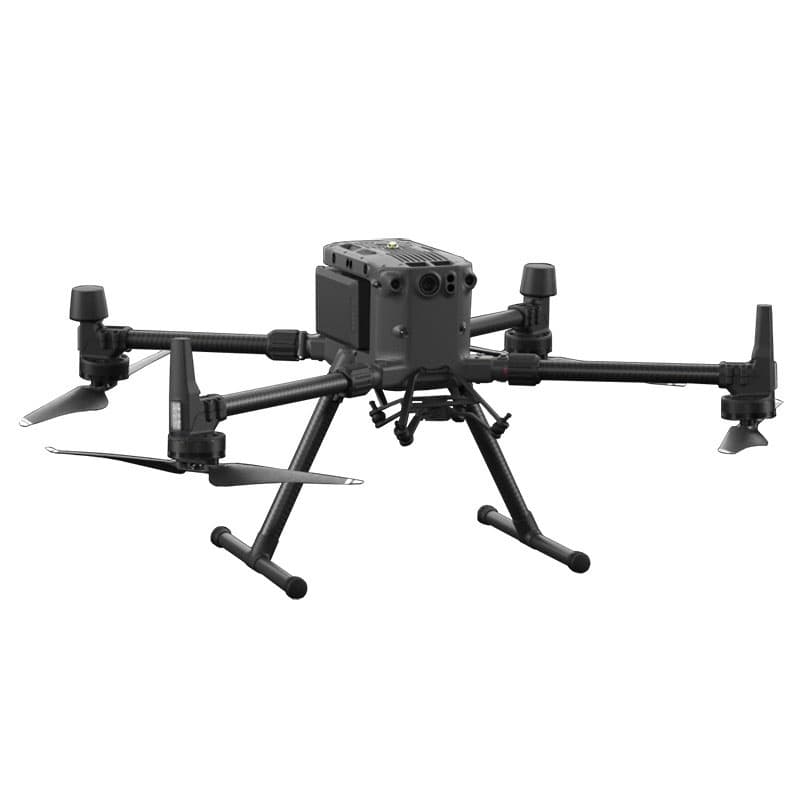
DJI Matrice 300 RTK
The DJI Matrice 300 RTK is a game-changer in the drone industry, combining advanced AI capabilities with robust flight features. Its impressive 55 minutes of flight time and the ability to carry multiple payloads make it ideal for complex surveying, mapping, and inspection tasks. The RTK technology enhances positioning accuracy, allowing for precise data collection. With smart features like obstacle avoidance and an IP45 rating, it's designed for safe operation in challenging environments.
£17,000 – £20,000
Parrot Anafi USA
The Parrot ANAFI USA offers exceptional versatility and high-quality imaging, including a 4K HDR camera and a FLIR thermal sensor. This drone is specifically designed for professional use, combining advanced optics with lightweight portability. Its ability to zoom in up to 32x provides tactical advantages for inspection and surveillance tasks. Furthermore, the ANAFI USA is built for rugged environments, making it ideal for emergency services and military applications.

£15,000 – £18,000
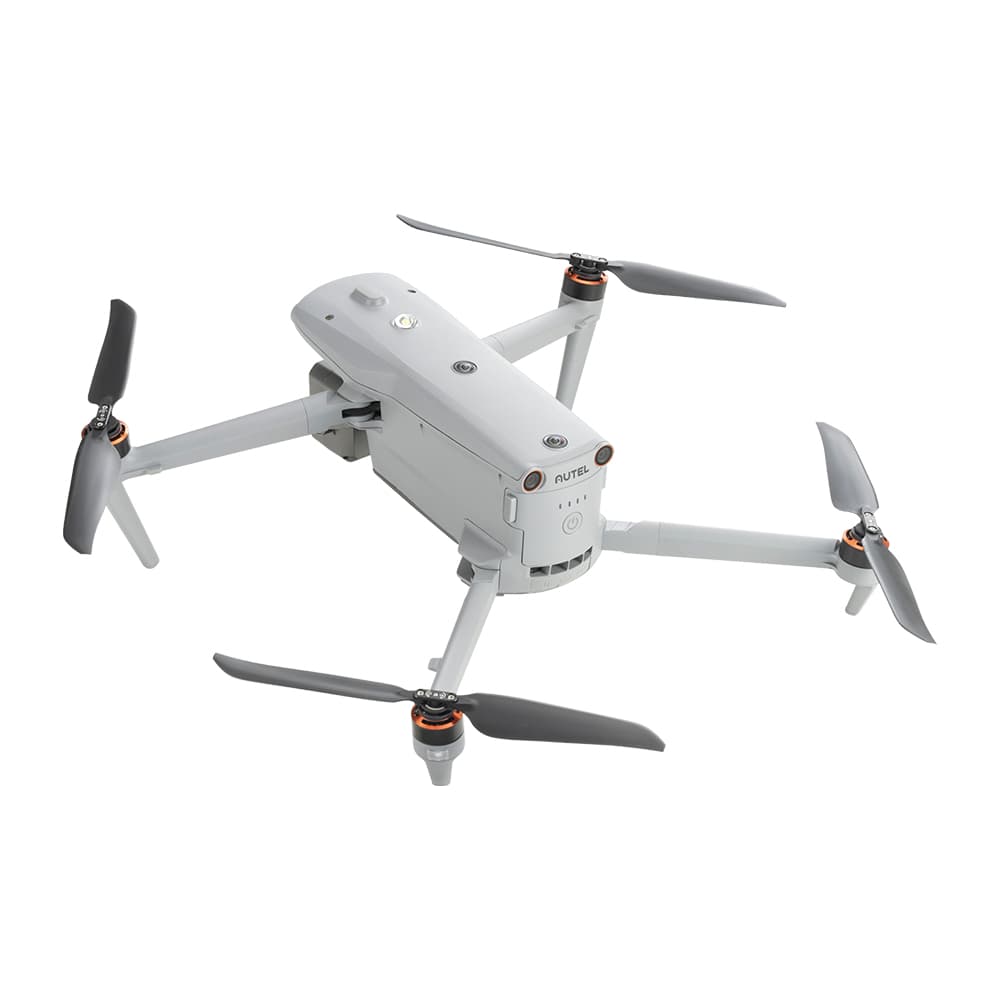
Autel EVO Max 4T
The Autel EVO Max 4T earns a place for offering integrated thermal, multispectral and high-zoom optical sensors at a competitive price point well-suited to UK rail operators prioritising rapid deployment and good thermal diagnostics. Versus the M350 RTK it undercuts on capital cost and is easier to field for small teams, while delivering better thermal capability than the compact Mavic 3 Enterprise; it is less feature-rich on enterprise RTK and fleet services and does not match the Freefly Alta X's heavy-payload capabilities.
senseFly eBee X
The senseFly eBee X is renowned for its high-end mapping and surveying capabilities, offering unparalleled accuracy with an extensive range of sensors that can be easily swapped out. Its fixed-wing design allows for longer flight times and coverage of large areas, making it ideal for agriculture, mining, and construction. The drone's user-friendly software integrates effortlessly with various GIS platforms, facilitating seamless data analysis. This combination of efficiency and versatility sets the eBee X apart in its category.

£20,000 – £30,000
DJI Mavic 3 Enterprise
The DJI Mavic 3 Enterprise is chosen for inspectors who need a highly portable, low-capex platform with exceptional imaging quality and long flight time for spot checks and short corridor missions across the UK rail network. It outperforms consumer alternatives in sensor quality and endurance, and compared with the Matrice 350 RTK and Freefly Alta X it provides much lower operational overhead, though it lacks the payload versatility and enterprise-grade redundancy required for large-scale or LiDAR-heavy surveys.

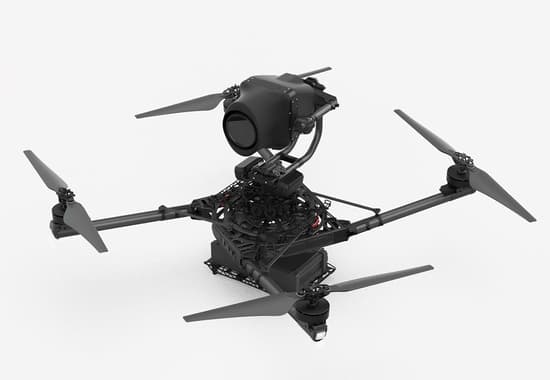
Freefly Alta X
The Freefly Alta X is the market leader for heavy-lift, customisable inspection payloads and high-end LiDAR or cinematic-grade sensors, making it the choice for detailed asset scanning and complex BVLOS projects on UK rail corridors. While significantly more expensive and operationally intensive than the DJI and Autel platforms, its unmatched payload capacity and modularity deliver technical advantages for large survey contractors and infrastructure owners who need top-tier data quality for 3D modelling and rail asset management.
£30,000 – £60,000
Top capabilities include real-time HD thermal imaging for detecting rail defects, extended flight duration for comprehensive corridor coverage, robust weather resistance suited to British climate conditions, seamless integration with existing rail maintenance software systems, and regulatory compliance with CAA and Network Rail operational guidelines.
Understanding the Benefits of Railway Track Inspection Drones
Railway track inspection drones offer a revolutionary approach to monitoring railway infrastructures, with plenty of studies validating their effectiveness and advantages.
High-tech sensors provide real-time data swiftly, minimizing downtime for inspections.
Studies indicate a 30% increase in inspection speed compared to traditional methods.
Drones can access hard-to-reach areas, ensuring that no part of the track goes unchecked.
Numerous case studies show a significant reduction in operational costs through preventive maintenance.
Safety enhancements from drone inspections have been correlated with reduced incidents and accidents.
Research shows that regular drone inspections lead to longer rail asset lifespans and less environmental impact.
Frequently Asked Questions
Which drone is best for UK rail inspections?
Choose the DJI Matrice 350 RTK for UK railway track inspection because it has integrated RTK for centimetre-level positioning plus an IP45 rugged airframe with redundant systems, giving 4.6 average rating.
Does the DJI Matrice 350 RTK support RTK track mapping?
Yes—DJI Matrice 350 RTK includes integrated RTK for centimetre-level positioning, which is ideal for precise track mapping, and it supports multiple enterprise payloads like Zenmuse H20/H20T.
Is the DJI Matrice 300 RTK good value for inspections?
The DJI Matrice 300 RTK costs £—per the provided data no price is listed—though it does offer up to 55 minutes of flight time plus multi-payload support and an average rating of 4.8.
What sensors does Parrot ANAFI USA include for inspection?
Parrot ANAFI USA includes a 4K HDR camera and a FLIR thermal sensor, with an average rating of 4.5, and it’s designed for professional use with compact, portable operation.
Conclusion
Selecting the appropriate railway inspection drone depends on your specific operational requirements, budget constraints, and infrastructure complexity. The five systems highlighted represent the current pinnacle of drone technology for UK rail applications, each offering distinct advantages whether you're managing urban commuter lines, regional networks, or heritage railways. Investment in modern inspection technology demonstrates commitment to passenger safety, regulatory compliance, and operational excellence. The drones featured above provide UK operators with proven capabilities for comprehensive track assessment, predictive maintenance, and data-driven decision-making. As railway infrastructure ages and maintenance demands intensify, autonomous inspection solutions become increasingly valuable. We encourage you to evaluate these platforms against your organisational needs and consult directly with manufacturers regarding UK-specific support, training programmes, and integration capabilities. For additional information on specific features, technical specifications, or regional operator recommendations, utilise our detailed comparison resources.