

Top 6 Container Unloading Robots in the UK for 2026
Container unloading robots are moving rapidly from pilots into everyday use across UK ports, depots and large-scale fulfilment centres. With pressure from e-commerce peaks, labour shortages and the need to shorten ship and truck turnaround times, British logistics operators are adopting robotic unloader systems to automate the repetitive and often hazardous task of removing palletised and loose cargo from shipping containers. These machines help keep goods moving through hubs such as Felixstowe, Southampton and Liverpool with greater consistency. UK buyers evaluate more than raw speed: payload capacity, reach and footprint inside standard 20 to 40 ft containers, compatibility with existing warehouse management systems, and reliable local aftercare are critical. Energy efficiency, alignment with Health and Safety Executive guidance on manual handling risk, and wider sustainability goals also influence buying decisions as rising energy prices make low-power electric-driven options more attractive. This category appeals because it reduces manual handling injuries, stabilises throughput during peak seasons, and can quickly justify investment through reduced overtime and faster turnaround. For UK operations, the right choice balances physical fit inside containers, software integration, and local service support to ensure predictable, safe, and energy-efficient performance.
Inception's AI took the time to understand this market in the UK · We may earn a commission on purchases. It never affects our rankings.
Top Picks Summary
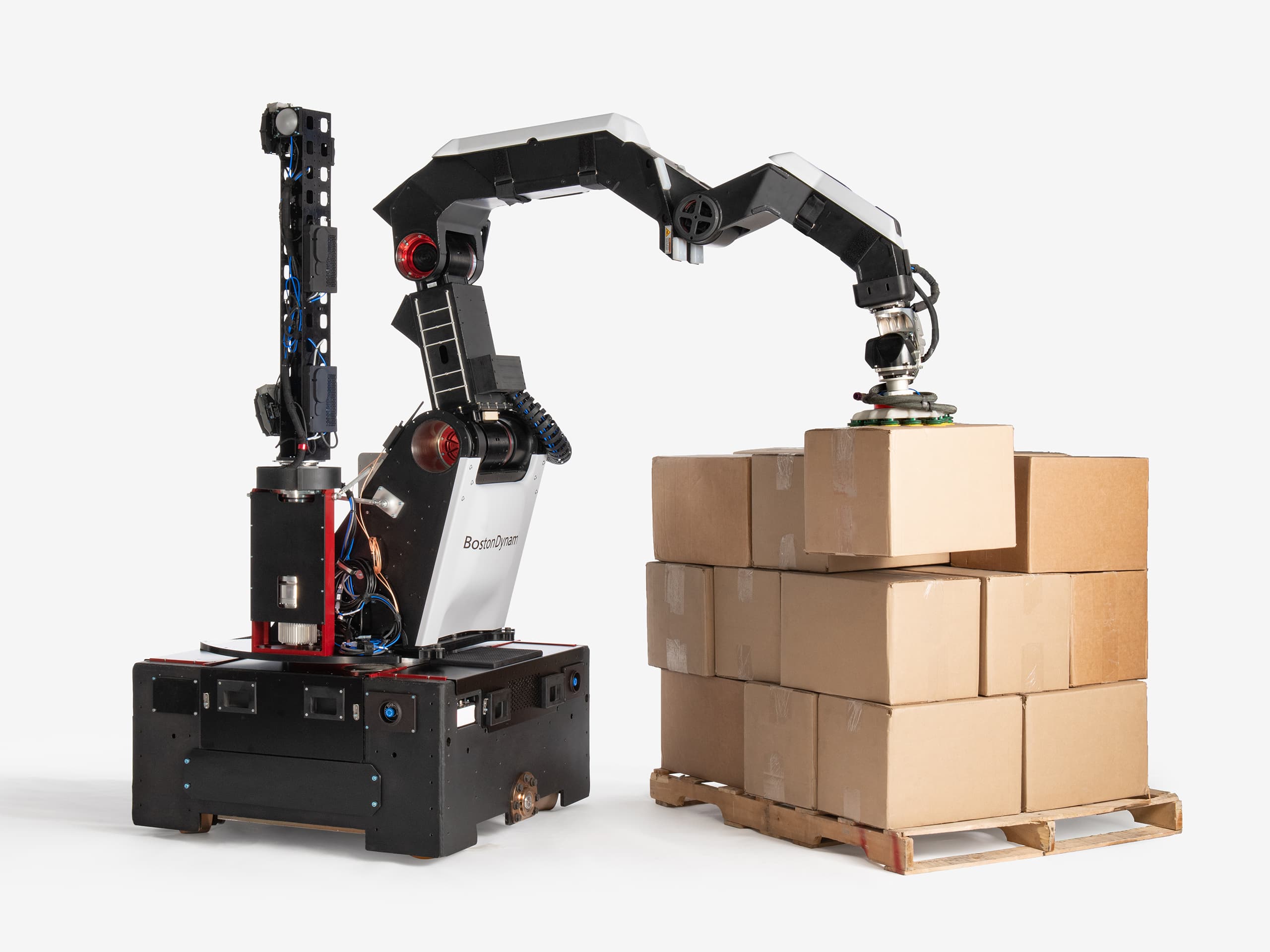
Boston Dynamics Stretch
Stretch leads the 2025 UK container-unloading rankings because its long-reach arm, advanced computer vision and high-throughput suction end-effector deliver the fastest cycle times for mixed and irregular cartons; its dexterity and adaptive perception make it uniquely capable where other robots need pre-sorted loads. While it commands a premium capital price compared with Mujin and GreyOrange, its superior speed and reduced manual intervention lower per-container labour costs, making it the best-in-class choice for high-volume import hubs.
Mujin TruckBot
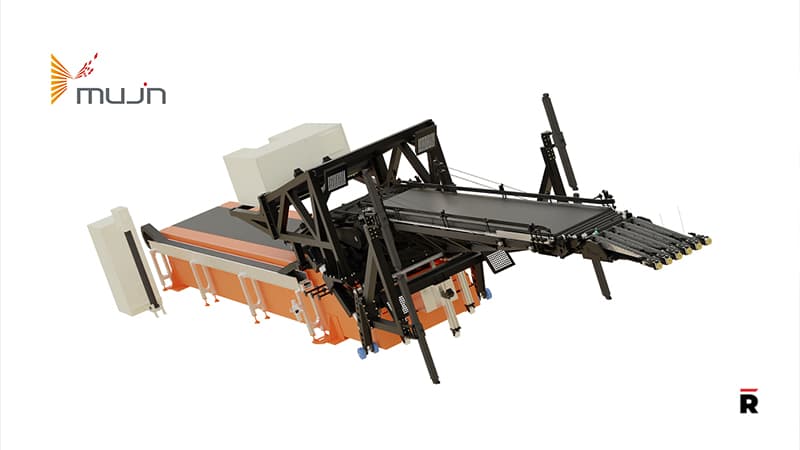
Mujin TruckBot is positioned as a cost-efficient, rail‑guided trailer and container unloader optimized for rapid deployment in UK logistics yards, offering strong motion-planning software that minimizes integration time and upfront investment. It trades some of Stretch's fine-grip dexterity for a lower total cost of ownership and faster ROI, making it attractive to mid-sized operators who need reliable throughput without the premium hardware expense of market leaders.
FANUC M-410iC/500 Container Unloading Cell
FANUC's M-410iC/500 Container Unloading Cell is best-in-class for heavy-duty, high-throughput container unloading thanks to industrial-grade reliability, long reach and high payload capacity; it earns its position by minimizing downtime and lifetime operating cost versus lighter-weight competitors. For the container-unloading use case it is the go-to where uptime and integration with existing factory automation matter most, though it typically carries a higher upfront price than the more modular Corvus or Pickle solutions.
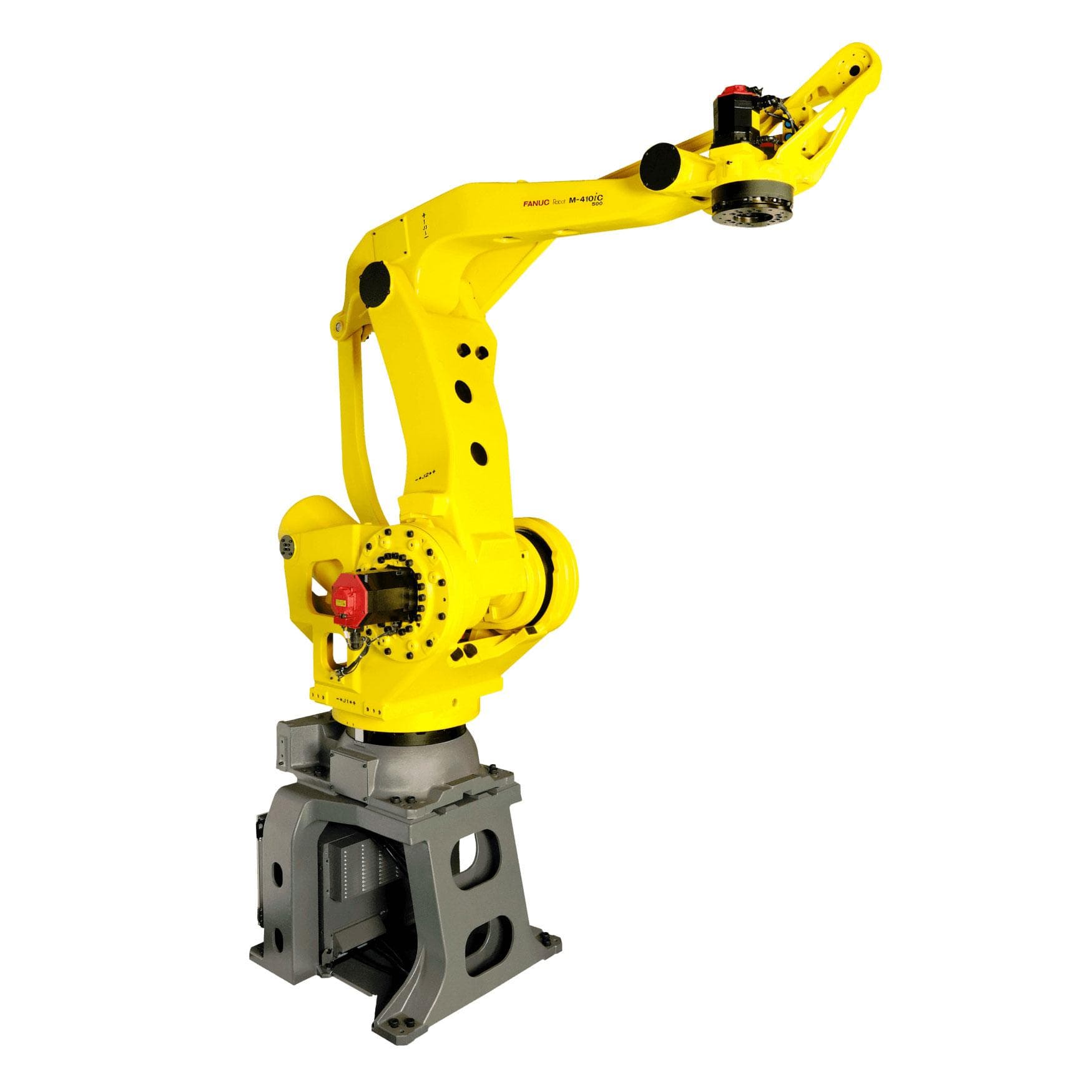
ABB IRB 460 Palletizing Robot
ABB's IRB 460 Palletizing Robot is a market leader for palletizing tasks, combining fast cycle times, compact footprint and energy-efficient motion to reduce total cost of ownership for high-volume lines. In a container-unloading use case it outperforms smaller flexible systems on payload and repeatability, offering a lower-cost-per-pallet alternative to heavy container-focused cells like the FANUC M-410iC/500 while providing more industrial robustness than Corvus or Pickle's flexible cobotic offerings.

Corvus Robotics CL-One
Corvus Robotics' CL-One is a modular, easy-to-deploy case-loading/unloading cell that wins on rapid installation, flexible end-of-arm tooling and lower capital expense, making it attractive for mid-size operations. For the undefined use case it is a cost-effective compromise between legacy industrial cells and vision-guided cobotics — offering quicker ROI and simpler reconfiguration than FANUC or ABB, though it does not match their raw payload or throughput for the largest operations.

Pickle Robot Unloader
Pickle Robot Unloader stands out for its AI-driven vision, software-centric workflow and subscription-friendly pricing that reduce upfront capital and speed deployment for variable-SKU depalletizing and unloading. For a container-unloading use case it is particularly valuable where rapid redeployment and handling of mixed loads matter most, but it trades off some raw speed and heavy-payload capability compared with the industrial FANUC and ABB systems.

Why research supports container unloading robots
Multiple industry reports, operator case studies and peer-reviewed research into logistics automation show consistent benefits for tasks that are repetitive, heavy or hazardous. Studies and real-world deployments highlight measurable reductions in manual handling risk, improved throughput and predictable operational costs after deployment. Evidence is strongest where robotics are integrated into a broader process redesign that includes software, training and maintenance planning.
Safety: HSE guidance on manual handling emphasises reducing repetitive heavy lifts; automation of container unloading removes the highest-risk tasks and is associated with lower injury rates in operator case studies.
Productivity: Operator reports commonly show throughput improvements when robots handle container extraction and staging tasks, with gains dependent on layout and cycle design.
Return on investment: Supplier case studies and operator reports typically show payback timelines that range from one to three years, influenced by labour cost exposure, utilisation rate and integration complexity.
Energy and sustainability: Modern unloading systems are usually electric-driven and designed for duty cycles that reduce energy per pallet compared with legacy diesel forklifts and manual sick leave costs.
Integration matters: Research and industry experience underline that benefits are maximised when robots are integrated with warehouse management systems and staged workflow redesign rather than dropped in as isolated units.
Frequently Asked Questions
Which robot should UK ports choose for mixed cartons?
Boston Dynamics Stretch is the best pick for UK ports handling mixed and irregular cartons, because its long-reach arm plus advanced computer vision and suction end-effector are described as delivering the fastest cycle times for that kind of load.
What payload and purpose does FANUC M-410iC/500 provide?
The FANUC M-410iC/500 Container Unloading Cell uses a 500 kg payload arm designed for high-throughput container and pallet unloading, with integrated cell options like vision, conveyors, and custom end-effectors.
How does FANUC M-410iC/500 value compare to Stretch?
FANUC M-410iC/500 is rated 4.6 versus Boston Dynamics Stretch at 4.6, and FANUC specifies a 500 kg payload arm with industrial-grade reliability for continuous operation and low downtime.
Who is Mujin TruckBot for, and who should avoid it?
Mujin TruckBot suits UK logistics yards needing rapid deployment because it uses AI-driven motion planning for cluttered container interiors and an in-truck unloading robotic arm on a mobile base, without permanent infrastructure.
Conclusion
This guide focused on container unloading robots for UK logistics operations and reviewed six widely considered systems in 2026: Boston Dynamics Stretch, Mujin TruckBot, FANUC M-410iC/500 Container Unloading Cell, ABB IRB 460 Palletizing Robot, Corvus Robotics CL-One, and the Pickle Robot Unloader. Each solution has different strengths: Boston Dynamics Stretch and Corvus CL-One are strong where flexibility and case handling matter; FANUC M-410iC/500 and ABB IRB 460 excel on high-payload, structured cell tasks; Pickle and Mujin TruckBot are purpose-built for container and truck unloading. For most UK container-unloading deployments where footprint, integration and local support matter, Mujin TruckBot is the best overall choice on this page due to its balance of reach, payload handling and software-first integration. We hope you found the options you were looking for — use the site search to refine results by payload, container size, integration type, aftercare level or sustainability features to expand or narrow your selection.