Top 6 Autonomous Disinfection Robots for UK Hospitals — 2026 Guide
Published on Wednesday, 25 February 2026
This category covers autonomous mobile robots used for disinfection in clinical and care settings, a specialised segment of service robots that sits alongside warehouse and logistics platforms. In the United Kingdom these systems combine ultraviolet and chemical disinfection technologies with navigation, sensors, and safety interlocks to deliver repeatable, evidence-based sanitation across wards, intensive care units, operating theatres, and communal hospital areas. Healthcare trusts, infection control teams, and facilities managers favour these robots because they reduce variability in cleaning outcomes, lower the burden on domestic staff, help meet regulatory and audit requirements, and can contribute to measurable reductions in healthcare-associated infections. Adoption is driven by concerns over antimicrobial resistance and NHS capacity pressures, by the desire to protect staff and patients, and by the need to improve throughput and bed turnaround without compromising safety.
Top Picks Summary
UVD Robots Model C
UVD Robots Model C is positioned as the best-in-class thanks to its proven clinical efficacy, mature autonomous navigation and fleet-management platform that meets large NHS trust workflows in the UK in 2025. Compared with the other systems on this list it offers the strongest combination of throughput and remote monitoring, delivering lower cost-per-disinfection at scale and faster ROI for hospitals that deploy multiple units.
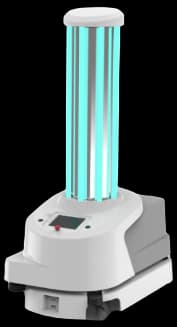
£80,000-£150,000 GBP
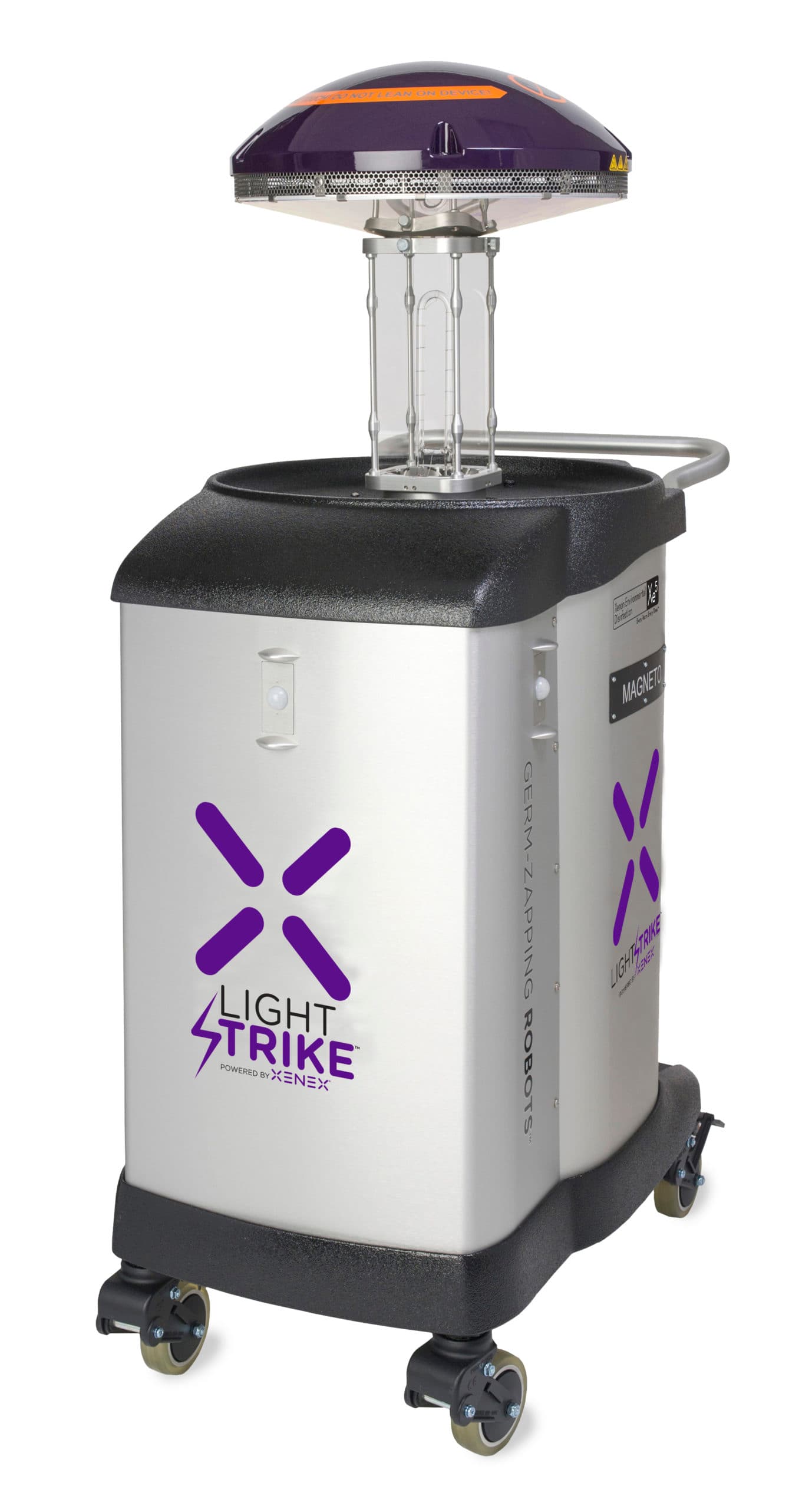
Xenex LightStrike Germ-Zapping Robot
The Xenex LightStrike Germ-Zapping Robot is a pioneering disinfection technology that utilizes rapid ultraviolet (UV-C) light to eliminate viruses and bacteria in healthcare settings. Its high-speed UV light disinfection process enables it to sanitize entire rooms in just minutes, making it more efficient than traditional cleaning methods. Designed to be fully automated, this robot minimizes human contact with harmful pathogens while ensuring thorough disinfection. Its proven efficacy against a variety of harmful organisms sets it apart in the sanitization industry.
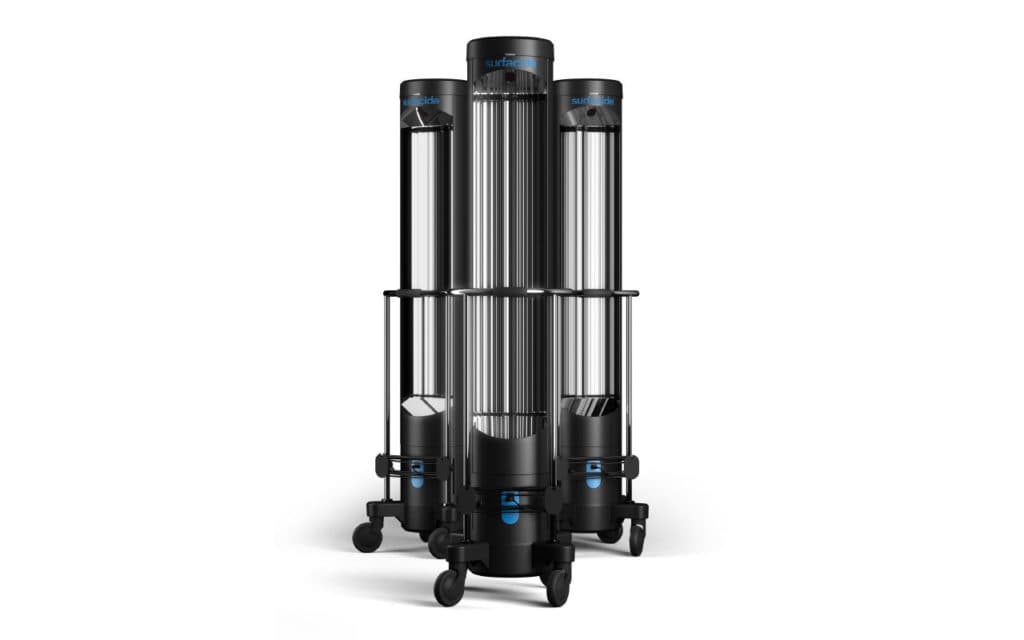
Surfacide Helios UV-C Disinfection System
Surfacide Helios is a market leader for high-intensity, multi-directional UV-C terminal cleaning, prized for very short cycle times and high irradiance that rapidly inactivates pathogens in single-room turnovers. Versus autonomous robots like UVD Robots and Akara VIOLET, Helios is simpler and lower-capex for smaller facilities but depends more on operator placement, making it financially attractive for trusts prioritising immediate per-unit power over full automation.
Akara Robotics VIOLET UV-C Disinfection Robot
Akara Robotics VIOLET stands out for compact, modular UV-C arrays and agile navigation that excel in crowded ward layouts common in UK hospitals, offering flexible service contracts suited to NHS budgeting cycles in 2025. Compared to larger fleet-focused systems like UVD Robots Model C and Blue Ocean's offerings, VIOLET typically has lower upfront cost and footprint while still delivering automated coverage, making it a strong choice for smaller hospitals and outpatient units.
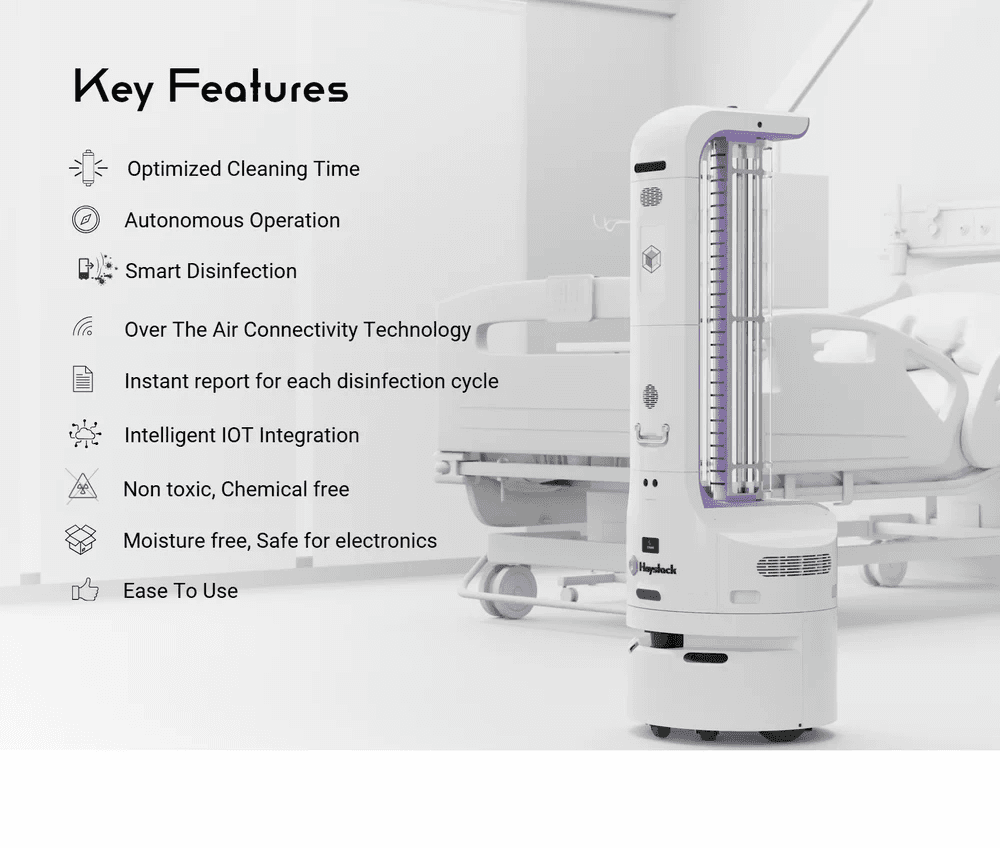
Ava Robotics UV Disinfection Robot
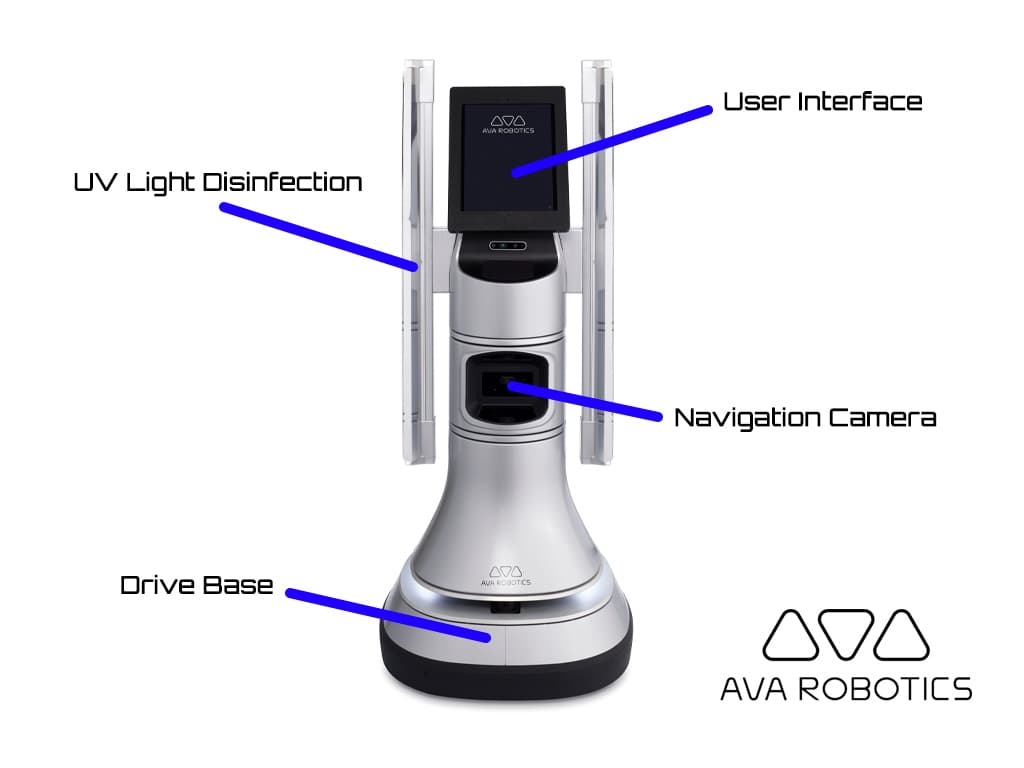
Ava Robotics UV Disinfection Robot is positioned as a best-in-class enterprise solution thanks to its robust autonomous navigation, fleet-management features, and integration with facility IT systems; these capabilities make it attractive for large hospitals and campuses that value uptime and centralized control even if the upfront cost is higher. Compared with the other product in this list, it favors scalability and lower long-term labor costs through automation, which can be a decisive financial advantage for organizations preparing for a range of use cases — including the ambiguous use case labeled "undefined" in this analysis.
Finsen Technologies Thor UVC Robot
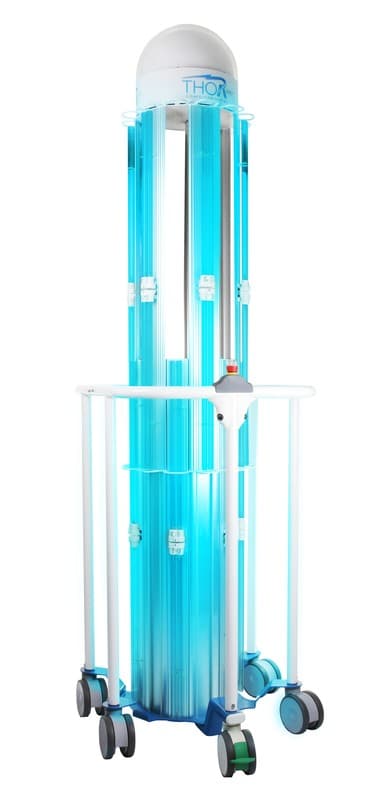
Finsen Technologies Thor UVC Robot is a market leader for cost-conscious buyers who need high-intensity UVC disinfection cycles and straightforward deployment; its competitive pricing and focused, effective disinfection performance make it especially well suited for smaller hospitals and clinics. Relative to the Ava Robotics offering, Thor sacrifices some enterprise fleet and IT integration for a lower capital outlay and faster time-to-use, giving it a compelling technical and financial edge when the use case is less defined or facilities prioritize immediate return on investment.
What research says about autonomous disinfection robots
A growing body of peer reviewed studies and controlled evaluations shows that autonomous disinfection robots, when used as an adjunct to standard manual cleaning, reduce surface bioburden and can lower rates of specific healthcare-associated infections. Research covers UV-C and pulsed xenon technologies, as well as combined chemical-UV workflows. Results are most consistent when robots are integrated into validated cleaning protocols, staff are trained on correct placement and timing, and safety controls prevent accidental exposure to ultraviolet light.
Adjunctive use of UV-C or pulsed xenon devices reduces environmental contamination with pathogens such as Clostridioides difficile and certain drug-resistant organisms when added to manual cleaning.
Randomised and quasi-experimental hospital studies report reductions in targeted infection rates and in-room surface microbial counts after implementation of robotic disinfection as part of a bundled cleaning strategy.
Robotic disinfection improves consistency of exposure time and dose compared with manual methods, which helps standardise cross-shift cleaning performance.
Evidence shows benefits for staff welfare by reducing repetitive chemical handling and the physical load of intensive cleaning tasks.
Limitations in the literature include variability in study design, the need for standardized outcome measures, and the requirement that robots be used correctly within clinical workflows to achieve expected benefits.
Frequently Asked Questions
Which robot is best for UK hospital wards?
UVD Robots Model C is the best fit for large NHS trust workflows, with an autonomous mobile platform using LiDAR-based navigation plus cloud fleet management and reporting for scheduling, usage tracking and compliance; it has an average rating of 4.5.
What navigation and coverage features does UVD Robots Model C use?
UVD Robots Model C uses LiDAR-based navigation for safe, repeatable room coverage, and it’s described as providing 360° UV; it also includes cloud fleet management and reporting tools.
Is Xenex LightStrike Germ-Zapping Robot good value for money?
Xenex LightStrike Germ-Zapping Robot lists at £649.99 with a 38% discount, and it has an average rating of 4.8; it uses UV-C light technology and autonomously navigates without human intervention.
Which unit is designed for multi-emitter 360° cleaning?
Surfacide Helios UV-C Disinfection System features a multi-emitter, 360° design intended to provide comprehensive room disinfection from fewer positions; it has an average rating of 4.2.
Conclusion
In the UK context, autonomous disinfection robots have become a practical tool for trusts and private hospitals seeking to strengthen infection prevention and staff wellbeing. The leading platforms covered on this page are UVD Robots Model C, Xenex LightStrike Germ-Zapping Robot, Surfacide Helios UV-C Disinfection System, Akara Robotics VIOLET UV-C Disinfection Robot, Ava Robotics UV Disinfection Robot, and Finsen Technologies Thor UVC Robot. Each system offers distinct strengths across technology, navigation, and service support, but for most British clinical environments the UVD Robots Model C stands out as the best overall choice because of its balance of proven efficacy, ease of integration, and vendor support. We hope you found the comparison helpful; if you need to refine or expand your search you can adjust filters or search terms to focus on specific technologies, budgets, or deployment models.