

Dolby Atmos Soundbars in the UK — Top 8 Options for 2026
Dolby Atmos soundbars bring object-based, three-dimensional audio to living rooms and compact home cinemas across the UK. By using upward-firing drivers, driver arrays and advanced virtualization, Atmos-compatible soundbars create a sense of height and precise spatial placement that makes films, TV shows, music and games feel more immersive than traditional stereo or 5.1 systems. UK buyers often choose soundbars because they balance strong audio performance with easy setup, modest footprint for flats and houses, compatibility with current smart TVs, and broad support from major streaming services. In 2026 the category remains appealing for shoppers who want a noticeable upgrade in audio realism without the complexity of full surround installations, especially in urban and suburban homes where space and simplicity matter.
Inception's AI took the time to understand this market in the UK · We may earn a commission on purchases. It never affects our rankings.
Top Picks Summary
Sonos Arc
The Sonos Arc is a best-in-class Dolby Atmos soundbar thanks to its sleek design, excellent dialogue clarity, and seamless integration into the Sonos multiroom ecosystem; it outshines many rivals on convenience and streaming interoperability. While it may not deliver the same raw multichannel theater-level punch as some modular systems on this list, its room tuning, voice control, and upgrade path with Sonos subs/rears make it a technically polished, financially sensible choice for buyers who value ecosystem and ease of use.

Samsung HW-Q990D
The Samsung HW-Q990D is the market leader for immersive, theater-grade Dolby Atmos experiences because it ships as a complete multichannel package with dedicated rear speakers and a powerful subwoofer, delivering one of the fullest surround images here. Compared with single-unit soundbars in this list, it trades compactness for unmatched discrete channel coverage and bass output, a technical advantage that often justifies its premium price for serious home theater buyers.

Sony HT-A7000
Sony's HT-A7000 stands out as a technical flagship among Dolby Atmos soundbars for its headroom, sophisticated spatial processing and scalable design allowing optional subwoofers and rear speakers for greater immersion. It competes with the Samsung in sonic ambition but leans more on refined spatial engines and build quality; financially it targets buyers who want near-flagship performance with the flexibility to expand without immediately buying a large bundled kit.

Where to buy Sony HT-A7000 in UK: the trusted retailers we track in this market, with the best price we have observed at each. Prices are checked regularly and can change, and the retailer confirms the final price at checkout.
We may earn a commission on purchases. It never affects our rankings.
£900 – £1,100
Sennheiser Ambeo Soundbar Plus
The Sennheiser Ambeo Soundbar Plus leverages the Ambeo spatial-engine expertise to create an extraordinarily wide and detailed Atmos soundstage, making it the audiophile pick among these soundbars. Although typically pricier than many competitors, its unique technical advantage is immersive, high-fidelity spatial reconstruction that can rival small discrete speaker systems, offering a premium listening experience for buyers prioritizing precision and soundstage breadth over ecosystem features.

JBL Bar 1000
The JBL Bar 1000 delivers a strong Dolby Atmos performance with emphasis on punchy bass and an energetic presentation, positioning it as a compelling option for users who want impactful sound and modern connectivity without the absolute top-tier price. Compared to the ultra-premium models in this list, JBL trades some refinement for value and party-friendly features, making it a practical choice for buyers seeking immersive Atmos effects at a more accessible price point.

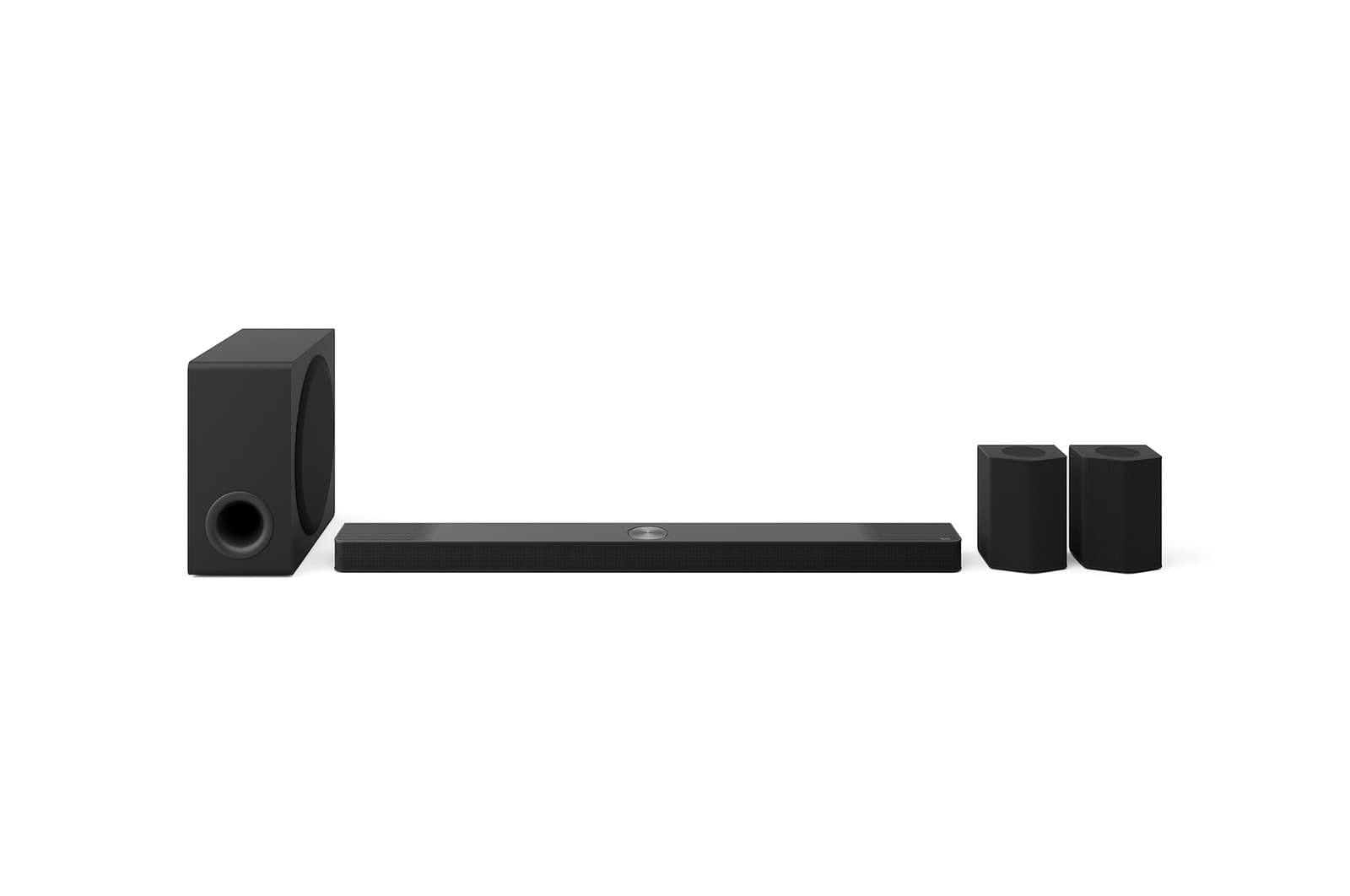
LG S95TR
LG's S95TR is a market-oriented Dolby Atmos soundbar that combines wide channel coverage with tight TV integration and features tailored to movie fans, making it especially attractive to owners of LG TVs. It competes closely with Samsung and Sony on channel ambition and often offers similar multichannel immersion while standing out for compatibility and tuning options, providing good technical performance for buyers who want a cinema-like setup with strong TV pairing.
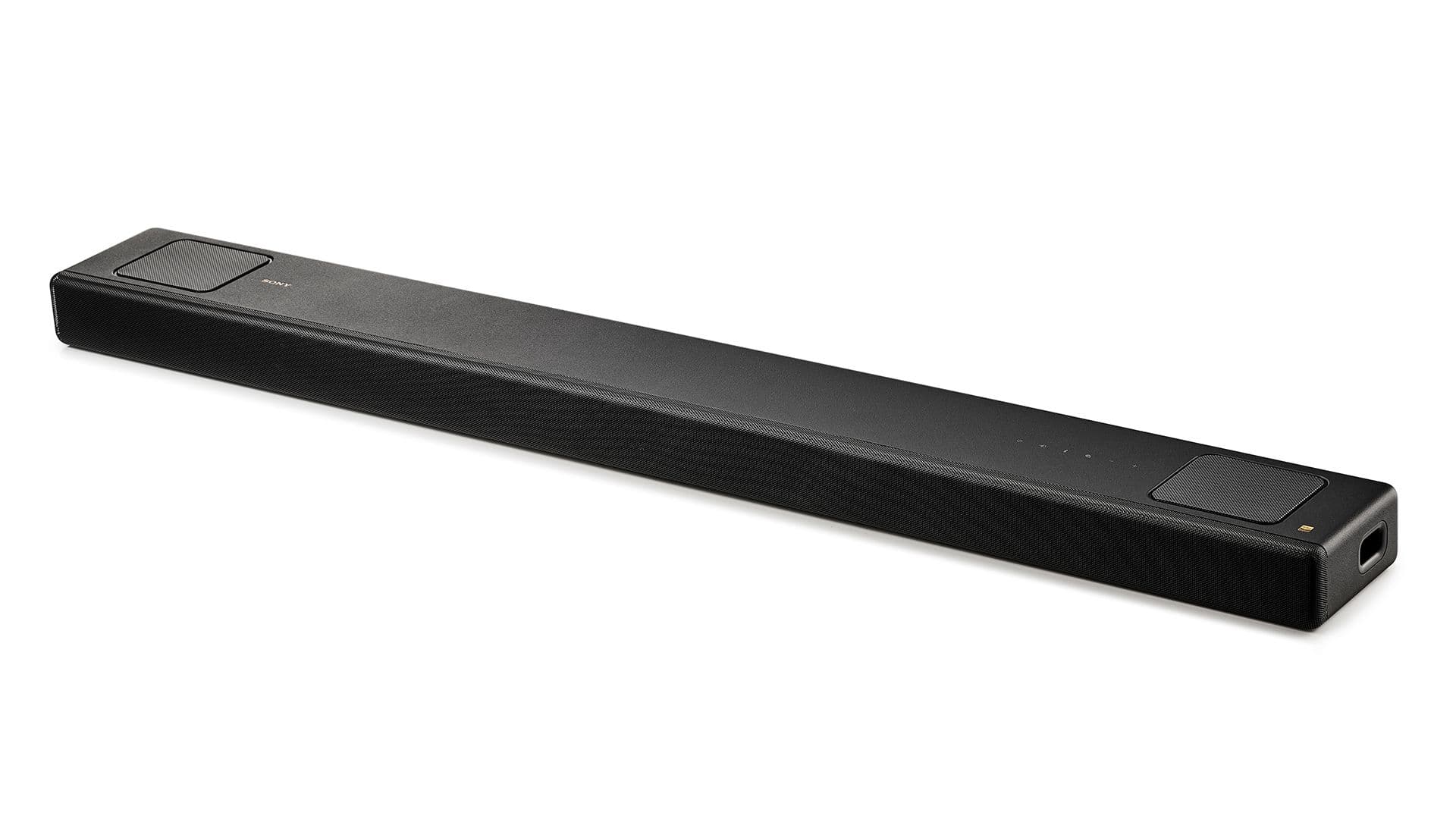
Sony HT-A5000
The Sony HT-A5000 is a strong mid-to-high tier Dolby Atmos soundbar that balances affordability and performance, offering many of Sony's spatial processing benefits in a more compact, lower-cost package than the HT-A7000. It is a sensible choice for buyers who want impressive Atmos effects and expandable options without the higher investment required by some flagship systems on this list, delivering a notable value-to-performance ratio.
Polk Audio MagniFi Max AX
The Polk Audio MagniFi Max AX targets value-conscious buyers by offering Dolby Atmos support, clear dialogue enhancement and virtualized surround imaging at a lower price point than most premium entries here. While it won't match the discrete-channel immersion or premium finishes of the top-tier soundbars, its technical focus on speech clarity and bass extension delivers strong bang-for-buck for users who want Atmos functionality without a high-end budget or large footprint.

How Dolby Atmos Works and the Research Behind It
Dolby Atmos uses object-based audio rather than fixed channels. Sound designers place audio objects in a three-dimensional space and playback systems render those objects to the listener using available speakers, headphones or virtualization techniques. Psychoacoustics and spatial audio research explain why this approach increases perceived immersion and precise localization. The following beginner-friendly points summarize the science and practical benefits.
Object-based audio: Instead of mixing for fixed channels, Atmos encodes sounds as objects with position metadata. The renderer places those objects appropriately for the listener's speaker layout.
Perception of height: Upward-firing drivers and ceiling reflection techniques exploit human spatial hearing cues to create a sense of overhead sound without physical ceiling speakers.
Improved localization and presence: Research in acoustics and psychoacoustics shows that accurate spatial cues increase sound source localization and the feeling of being 'in the scene', improving enjoyment and engagement.
Speech clarity and reduced listening effort: Studies indicate that well-rendered spatial audio can improve dialogue intelligibility and reduce listener fatigue in complex mixes, which benefits TV and film viewing.
Head-related transfer functions and binaural rendering: For headphones and virtualized setups, HRTF-based binaural processing reproduces spatial cues, giving similar immersive results when physical speaker placement is constrained.
Frequently Asked Questions
Which Dolby Atmos soundbar is best for a complete home cinema?
The Samsung HW-Q990D is the ideal choice for a full home cinema experience because it includes dedicated rear speakers and a powerful subwoofer in its 11.1.4-channel package.
How many channels does the Sony HT-A7000 soundbar feature?
The Sony HT-A7000 is a 7.1.2-channel flagship soundbar that utilizes up-firing drivers to deliver height effects and immersive spatial audio.
Does the Sonos Arc offer better value for multiroom audio setups?
The Sonos Arc provides excellent value for multiroom setups with an average rating of 4.5, offering seamless integration via the Sonos app, AirPlay 2, and major music services.
Is the Samsung HW-Q990D compatible with smart TV sound synchronisation?
Yes, the Samsung HW-Q990D features Q-Symphony technology, which allows for smart TV sync and advanced room calibration to optimise audio playback in your specific living space.
Conclusion
This page summarizes what Dolby Atmos soundbars offer to UK shoppers in 2026. If you did not find product listings here, it may be because no top picks were selected for this page or your search criteria returned no matches. Use the site search or filters to refine or broaden your search, and check back later for updated recommendations and new models.