Leading Business Laptops with Biometric Authentication: Your Complete 2026 Comparison for UK Enterprises
Published on Tuesday, 3 February 2026
In today's increasingly digital workplace, protecting sensitive corporate information has become paramount for UK businesses of all sizes. Modern enterprise laptops now integrate sophisticated biometric authentication technologies—including fingerprint recognition, facial scanning, and iris detection—to provide multi-layered security that goes beyond traditional passwords. These advanced mechanisms not only safeguard proprietary data and client information but also streamline access for authorised personnel, eliminating the need to remember complex credentials. Whether your organisation operates from a central London office, distributed across the Midlands, or embraces a flexible hybrid arrangement, the right laptop can significantly enhance your security posture whilst maintaining productivity. This 2026 guide examines five premium business laptops that excel in biometric security implementation, helping you make an informed decision aligned with your company's IT governance requirements and employee needs. As cyber threats continue to evolve and regulatory compliance becomes increasingly stringent across the UK and EU markets, investing in laptops equipped with enterprise-grade biometric features represents both a practical and strategic choice for forward-thinking organisations.
Top Picks Summary
Dell Latitude 9440
The Dell Latitude 9440 earns its spot by balancing enterprise-grade biometrics (Windows Hello-ready IR camera, optional SafeID fingerprint reader and TPM 2.0) with excellent manageability and ProSupport services. Compared with the other entries it is one of the most configurable and cost-effective choices for large UK deployments in 2026, offering lower total cost of ownership through easy lifecycle management and broad channel support. For organisations that prioritise scalable security rollouts and predictable support costs, the Latitude 9440 is a pragmatic leader.

£1,800 – £3,000
HP EliteBook 840 G10
The HP EliteBook 840 G10 focuses on security-first hardware—combining an IR Windows Hello camera, optional fingerprint (FIDO2-capable) and HP Wolf Security with privacy features like Sure View. It competes strongly with Dell and Lenovo by emphasising hardware-backed endpoint protection that can reduce incident remediation costs for UK enterprises, while typically undercutting premium models on price. HP’s global channel and enterprise services also simplify standardisation for large fleets in 2026.
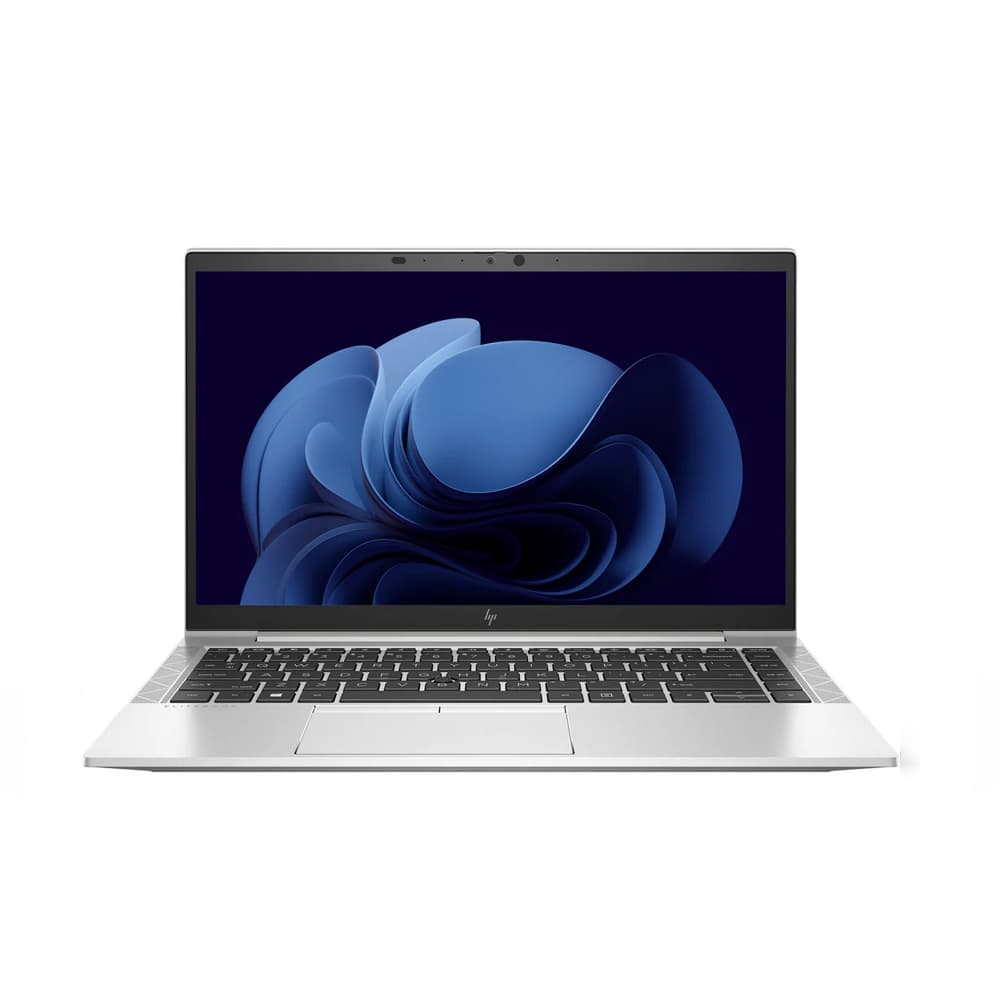
Lenovo ThinkPad X1 Carbon Gen 11
The Lenovo ThinkPad X1 Carbon Gen 11 stands out for robust, hardware-rooted biometrics (fast IR camera and match-on-chip fingerprint reader) paired with ThinkShield manageability and a durable, business-class chassis. Technically it often delivers the best typing and build experience for heavy enterprise users and strong lifecycle support that can lower long‑term replacement costs compared with more consumer-oriented Surface devices, though its premium components can raise upfront price. In the UK 2026 market it’s the preferred choice where organisations prioritise hardware authenticity and long-term reliability.

Microsoft Surface Laptop 5 for Business
The Microsoft Surface Laptop 5 for Business excels at seamless OS-level biometric integration, with instant Windows Hello facial sign-in and optional fingerprint authentication tightly integrated into Microsoft management tools like Azure AD and Intune. That tight hardware-software coupling reduces update friction and support overhead for IT teams relative to some OEM alternatives, though it can be less flexible and sometimes costlier per configuration than Dell or Lenovo options. For UK enterprises seeking the simplest Azure-centred deployment and best out-of-box biometric experience in 2026, Surface is a compelling, productivity-oriented choice.

£900 – £1,600
HP Elite Dragonfly G4
The HP Elite Dragonfly G4 is the mobility-focused flagship combining lightweight design with advanced biometrics (IR camera, FIDO2-capable fingerprint reader) and HP’s enterprise security stack. It carries a premium price but delivers lower travel-related total cost of ownership and superior battery and connectivity options versus heavier business laptops, making it especially appealing for hybrid and field-based staff in the UK. Compared with the Latitude and X1 Carbon it prioritises ultra-portability and executive-class features, ideal for organisations that need high security in a highly mobile form factor.

£1,400 – £2,600
These premium business laptops combine military-grade encryption with intuitive biometric access controls, delivering enterprise-standard security without compromising user experience. Each model includes comprehensive remote management capabilities, extended warranty support throughout the UK, and seamless integration with major corporate directory services essential for large-scale deployments.
Understanding Biometric Security in Enterprise Computing
Biometric authentication has revolutionised corporate security by replacing vulnerability-prone password systems with unique biological identifiers. UK enterprises increasingly deploy these technologies to comply with data protection legislation whilst improving operational efficiency.
Fingerprint scanning offers rapid, reliable authentication with minimal user friction across multiple daily logins
Facial recognition technology adapts to environmental conditions whilst maintaining security standards required by UK data protection frameworks
Multi-factor biometric systems combine multiple authentication methods to create redundancy and enhanced security layers
Encrypted biometric data storage ensures personal identification information remains secure and compliant with UK GDPR requirements
Integration with corporate Active Directory and single sign-on systems reduces IT support overhead whilst maintaining security protocols
Hardware-based security modules protect biometric templates from software-level exploits and unauthorised access attempts
Regular firmware updates from manufacturers ensure ongoing protection against emerging security vulnerabilities
Employee privacy considerations are paramount; reputable enterprise laptops provide transparent data handling and user consent mechanisms
Frequently Asked Questions
Which business laptop is best for mobile editors needing durability?
The Lenovo ThinkPad X1 Carbon Gen 11 is the ideal choice for mobile editors, offering a featherweight carbon-fibre chassis and a 4.6 average rating for its build quality and performance.
Does the Dell Latitude 9440 include hardware-based security features?
The Dell Latitude 9440 includes integrated security features such as a Windows Hello-ready IR camera, an optional SafeID fingerprint reader, and TPM 2.0 for robust enterprise protection.
How does the HP EliteBook 840 G10 compare for security-focused teams?
The HP EliteBook 840 G10 prioritises security-first hardware, featuring HP Wolf Security, BIOS protections, and an optional FIDO2-capable fingerprint reader to ensure comprehensive endpoint protection for your business fleet.
Are these enterprise laptops compatible with remote IT management tools?
Yes, the Dell Latitude 9440, HP EliteBook 840 G10, and Lenovo ThinkPad X1 Carbon Gen 11 all feature Intel vPro processors, which provide the necessary tools for remote IT management and easy enterprise deployment.
Conclusion
Selecting the appropriate enterprise laptop with robust biometric security capabilities is essential for any UK organisation committed to data protection and operational excellence. The devices featured in this guide represent the current pinnacle of business computing, each bringing distinct advantages depending on your specific requirements—whether you prioritise seamless Windows integration, Apple's ecosystem advantages, or Linux flexibility. Beyond hardware specifications, consider your organisation's broader IT infrastructure, employee training requirements, and long-term support capabilities when making your final decision. We encourage you to evaluate these options against your company's security frameworks and budget parameters. Should you require further guidance on specific features, compatibility with your existing systems, or need recommendations tailored to your industry sector, please explore additional resources on our platform or consult with your IT procurement team.