Best Smart Home Control Hubs for UK Homes 2026: Expert Guide to Connected Living
Published on Tuesday, 3 February 2026
Transform your house into a genuinely intelligent home with a carefully selected smart hub that puts you firmly in control. The UK smart home market has flourished considerably, with homeowners increasingly seeking ways to consolidate their connected devices under one unified system. Rather than settling for pre-configured ecosystems, many British householders are discovering the advantages of choosing a hub that aligns perfectly with their existing gadgets and personal preferences. A quality smart hub serves as the central nervous system of your home automation setup, enabling seamless communication between incompatible devices, automating everyday routines, and delivering the precise level of customisation that off-the-shelf solutions simply cannot match. Whether you're retrofitting an older property in the Midlands or setting up a new build in the South East, selecting the right hub is fundamental to creating a smart home that genuinely improves your quality of life. This guide explores five standout options that cater to various budgets and technical expertise levels, helping you discover which hub might be the ideal match for your household's specific requirements and aspirations.
Top Picks Summary
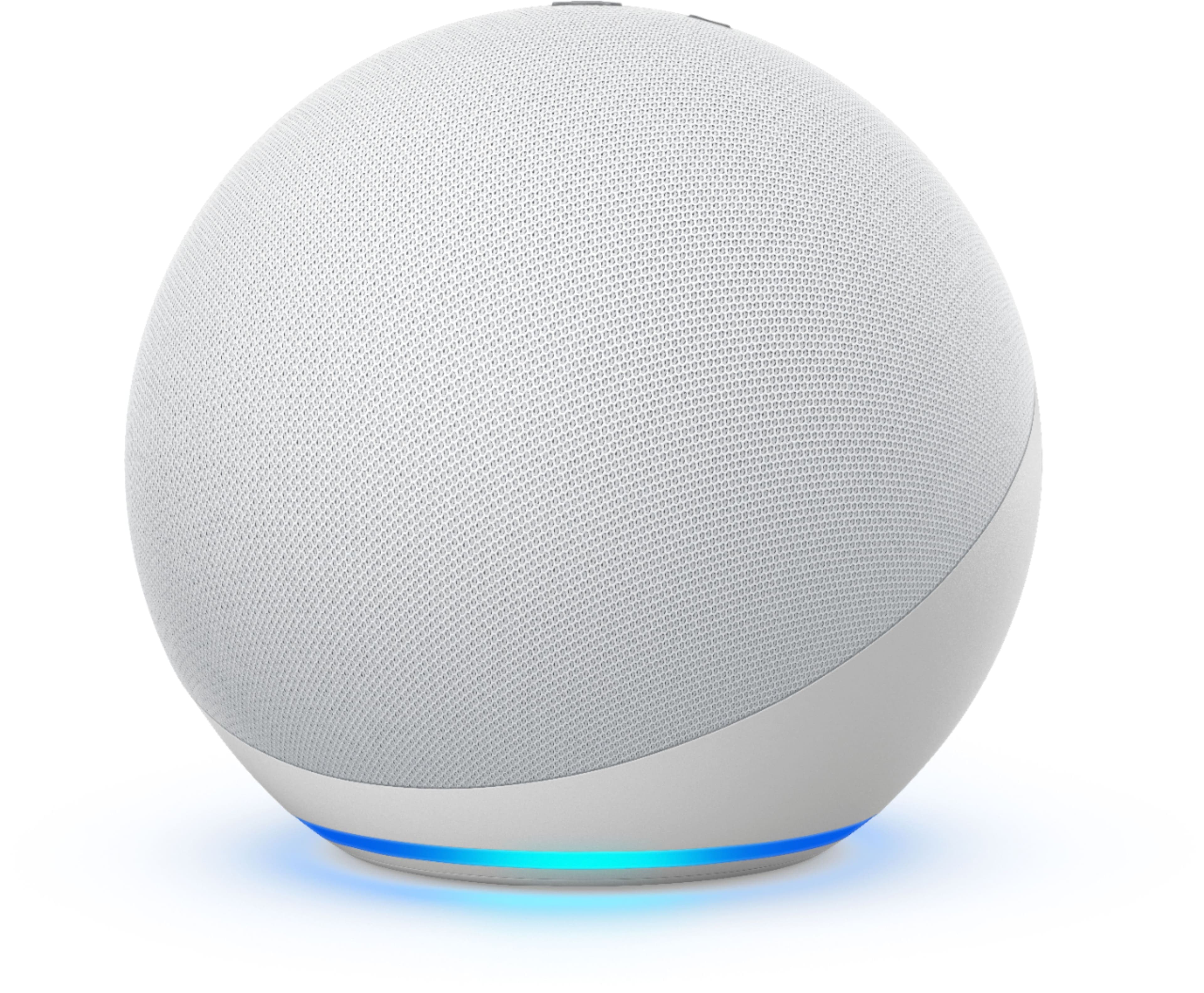
Amazon Echo 4th Gen
The Amazon Echo (4th Gen) earns a top spot for UK DIYers in 2026 by combining Alexa's vast skill ecosystem with a built-in Zigbee hub and competitive pricing, making it an inexpensive gateway to many smart devices. Compared with pricier, more local-first hubs on this list it trades some privacy and advanced local automation for unmatched third‑party device support and value, ideal for voice-first households that want broad compatibility without a large upfront cost.
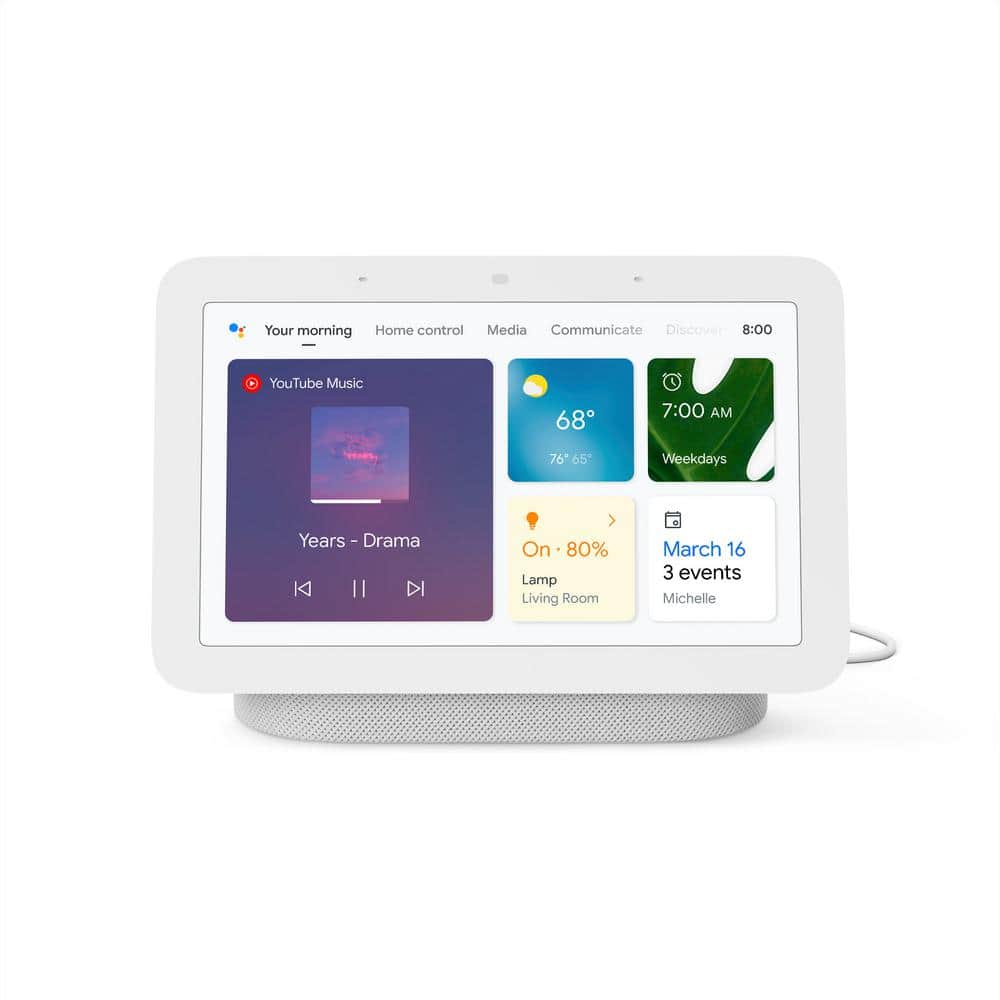
Google Nest Hub 2nd Gen
Google Nest Hub (2nd Gen) stands out as the best display-first hub for the UK market, offering a clear visual control surface, tight Google Assistant and Nest integration, and on-device conveniences such as sleep sensing. While it is competitively priced and great for homes embedded in Google's services, it lacks native Zigbee/Z‑Wave radio support compared with Echo and SmartThings so budget-conscious DIYers should plan for additional bridges if they need wide device protocol compatibility.
Samsung SmartThings Station
Samsung SmartThings Station is the market leader for interoperability in the UK DIY segment thanks to broad multi-protocol support (including Zigbee and Z‑Wave) and strong Matter compatibility, making it an excellent mid‑range choice for mixed-device homes. It offers more native device compatibility than the Nest Hub and greater cloud-driven automation than basic hubs, though it sits between cloud-dependent consumer devices and the local-first flexibility of the Homey Pro in terms of advanced, privacy-focused automation.

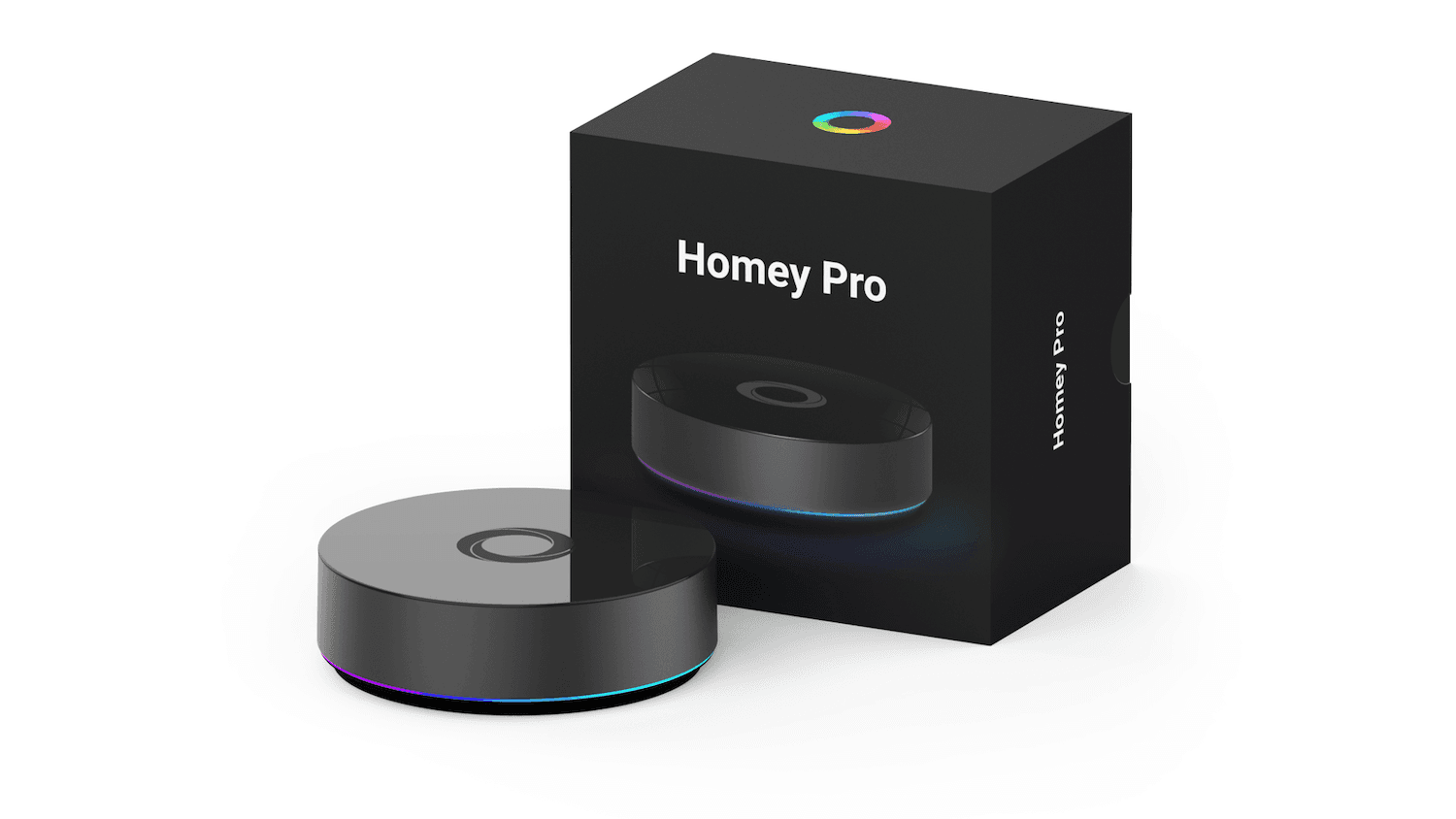
Homey Pro
Homey Pro is the premium pick for power users in the UK who want local-first automation, extensive protocol support and advanced 'Flows' for complex automations; its technical depth and developer ecosystem make it the best fit for enthusiasts willing to pay a higher upfront cost. Compared with the more consumer-focused Echo and Nest devices, Homey Pro prioritises privacy, local execution and maximum device freedom, making it the go-to for DIYers who need industrial‑grade flexibility rather than simple plug‑and‑play convenience.
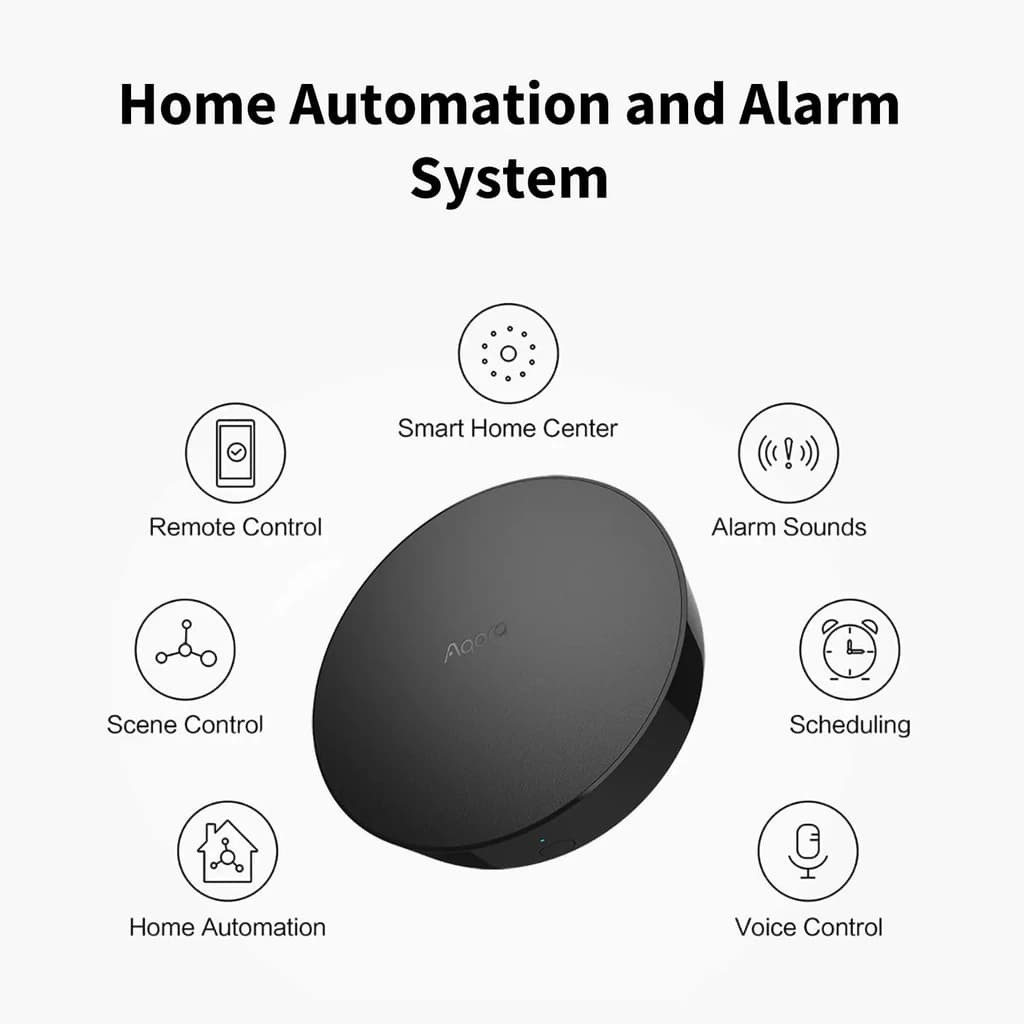
Aqara Hub M2
Aqara Hub M2 provides the best budget gateway option for UK DIYers in 2026, delivering reliable Zigbee 3.0 sensor support and tight HomeKit compatibility at a fraction of the price of premium hubs. Although it doesn't match SmartThings or Homey on broad third‑party integrations and advanced local automations, its low cost and strong sensor ecosystem make it the most economical route to a functional, expandable smart home on this Top 5 list.
£50-90 GBP
These leading smart hubs distinguish themselves through robust protocol support, intuitive interfaces designed for British users, reliable local processing capabilities, and genuine flexibility in device integration. Each represents the pinnacle of connectivity, security, and automation sophistication currently available to UK consumers seeking genuine control over their domestic environments.
Understanding Smart Home Hub Technology
A smart home hub functions as a central command station, receiving commands from your smartphone, voice assistants, or automated schedules, then translating these instructions into actions across your connected devices. Most modern hubs support multiple communication protocols—including Zigbee, Z-Wave, and WiFi—ensuring compatibility with the widest possible range of devices. Local processing means your automations continue functioning even if your broadband connection drops, a crucial reliability factor for UK households. Advanced hubs offer sophisticated scheduling, conditional logic, and integration capabilities that transform your home into a genuinely responsive environment tailored to your lifestyle patterns.
Multi-protocol support ensures compatibility with thousands of smart devices across different manufacturers
Local hub processing guarantees reliable automation operation independent of internet connectivity
Voice assistant integration enables hands-free control throughout your property
Mobile app interfaces provide remote monitoring and control from anywhere across the globe
Customisable automation routines adapt to your household's unique daily patterns and preferences
Enhanced security through encrypted communications and robust privacy protections
Expandable ecosystems allow gradual system growth as your smart home ambitions evolve
Community support networks offer troubleshooting advice and innovative automation ideas
Frequently Asked Questions
Which hub should UK DIYers choose for smart devices?
Choose the Amazon Echo (4th Gen) for UK DIYers in 2026, since it pairs an integrated Zigbee hub with Alexa’s skill ecosystem and has an average rating of 4.5.
What exact smart home hub capability does Amazon Echo 4th Gen have?
The Amazon Echo (4th Gen) has an integrated smart home hub with Zigbee support for direct device pairing, alongside a built-in Alexa voice assistant and an average rating of 4.5.
Is Google Nest Hub 2nd Gen good value versus others?
The provided data doesn’t list prices for Google Nest Hub (2nd Gen), Amazon Echo (4th Gen), or Samsung SmartThings Station, so value-by-price can’t be compared here.
Will Samsung SmartThings Station work with Zigbee and Z-Wave devices?
Yes—Samsung SmartThings Station supports Zigbee, Z-Wave and Matter, making it a mixed-device option; its average rating in the data is 4.1.
Conclusion
Choosing the right smart home hub represents an investment in your property's future connectivity and your household's convenience. The five options reviewed here each bring distinct strengths to the table—from industry-leading reliability to exceptional value for money and comprehensive device compatibility. Your decision should ultimately reflect your existing tech ecosystem, your comfort level with configuration, and how much personalisation you genuinely desire. British homeowners are fortunate to have access to such a diverse selection of quality hubs, each competing to offer superior performance and user experience. Take your time evaluating which hub aligns best with your vision for a connected home, and remember that excellent customer support and community forums can prove invaluable as you expand your smart home capabilities. Whatever you decide, you're joining thousands of UK households embracing smarter, more efficient living. Should you wish to explore other aspects of home automation technology, our resource section contains extensive guides covering individual device categories, installation best practices, and optimisation strategies for maximising your setup's potential.