

Wi-Fi Smart Locks UK 2026: Top 5 Picks
Published on Monday, 26 January 2026
Wi-Fi smart locks provide unparalleled convenience by allowing you to lock and unlock your door from anywhere using an internet connection. In the UK market these devices combine remote access, guest management, activity logs and integration with smart home ecosystems to suit busy households, landlords and small businesses. Consumers in the UK favour locks that offer reliable Wi-Fi connectivity without needing an additional bridge, strong encryption and local customer support. Other important preferences include compatibility with existing deadbolts, easy installation, battery life, clear app design and proven security credentials from recognised vendors. As smart home adoption grows across UK cities and suburbs, Wi-Fi smart locks are increasingly seen as a practical upgrade to traditional keys and simple electronic locks.
Top Picks Summary
Yale Linus Smart Lock
The Yale Linus Smart Lock is best-in-class for retrofit convenience and broad ecosystem compatibility, delivering dependable remote access and familiar Yale reliability for Wi‑Fi smart lock users. Compared with the other locks on this list it strikes an attractive middle ground—strong security features and easy installation at a mid-range price point—making it a cost-effective choice for homeowners who want robust app controls without the premium of specialized European cylinder systems.

Where to buy Yale Linus Smart Lock in UK: the trusted retailers we track in this market, with the best price we have observed at each. Prices are checked regularly and can change, and the retailer confirms the final price at checkout.
We may earn a commission on purchases. It never affects our rankings.
£160 – £260
Yale Conexis L2
The Yale Conexis L2 occupies the premium segment with a heavy‑duty, modular cylinder design that emphasizes mechanical security alongside smart features, suited for properties that demand enterprise-grade hardware. Compared to Linus, Nuki and August it generally costs more but delivers greater physical robustness and customizable cylinder options, making it the go‑to for installations where hardware standards and long‑term durability matter.

Where to buy Yale Conexis L2 in UK: the trusted retailers we track in this market, with the best price we have observed at each. Prices are checked regularly and can change, and the retailer confirms the final price at checkout.
We may earn a commission on purchases. It never affects our rankings.
£320 – £480
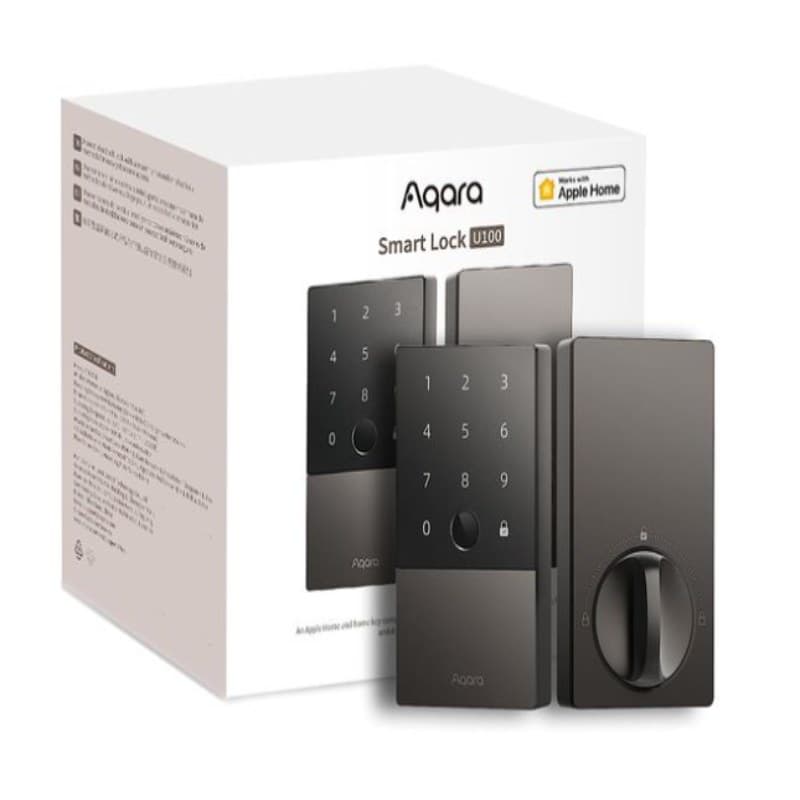
Aqara Smart Lock U100
The Aqara Smart Lock U100 is a value-oriented Wi‑Fi smart lock that combines multiple access methods (fingerprint, keypad, mobile) with tight integration into popular smart‑home ecosystems at a competitive price. Its main advantage versus the pricier European and U.S. models is cost-efficiency and strong ecosystem ties for Apple and Xiaomi users, though that affordability can come with compromises in international support and the heavy‑duty build found in higher‑end locks.
What research and testing say about Wi-Fi smart locks
Independent testing and academic research on connected door locks focus on two broad areas: real-world usability and security. Studies and consumer lab tests show that well-designed Wi-Fi smart locks can reduce lockouts, simplify sharing and improve situational awareness through access logs and alerts. Security research and guidance from national cyber bodies emphasise the importance of strong encryption, timely firmware updates and secure account management. For UK buyers, evidence indicates that choosing locks from established manufacturers with transparent security practices and local support reduces risk and increases long-term reliability.
Usability studies show remote access and digital guest codes reduce the friction of key handovers for renters and holiday lets.
Security analyses highlight encryption, secure provisioning and frequent firmware updates as the most important factors for preventing remote attacks.
Consumer testing often ranks locks higher when they offer reliable Wi-Fi performance without a mandatory hub or bridge, lowering overall cost and complexity.
Research into IoT device adoption in the UK finds that trust in brand and clear privacy policies are key drivers for buyers.
Evidence suggests that locks with activity logs and real-time alerts improve situational awareness and can reduce reaction times for lost or stolen keys.
Frequently Asked Questions
Which smart lock is best for easy retrofit installations?
The Yale Linus Smart Lock is the ideal choice for retrofit convenience as it fits most UK cylinder locks and replaces the interior thumbturn for a simple installation process.
Does the Nuki Smart Lock 4.0 require a separate bridge?
The Nuki Smart Lock 4.0 features built-in Wi-Fi for direct remote control and cloud access, meaning it does not require a separate bridge to function.
Is the Yale Conexis L2 suitable for high-security requirements?
The Yale Conexis L2 is designed for high-security needs, featuring a heavy-duty, motorised, and fully keyless deadbolt construction with anti-tamper capabilities.
What is the average customer rating for the Yale Linus Smart Lock?
The Yale Linus Smart Lock holds an average rating of 4.5 stars from users who appreciate its reliable remote access and broad ecosystem compatibility.
Conclusion
In summary, Wi-Fi smart locks are a compelling way to add convenience, remote control and guest access to UK homes. The five top options covered here are Yale Linus Smart Lock, Nuki Smart Lock 4.0, Yale Conexis L2, Aqara Smart Lock U100 and August Wi-Fi Smart Lock. For most UK households the Yale Linus Smart Lock is the best overall choice thanks to wide compatibility, strong local support and a mature feature set. We hope you found what you were looking for; if you want to refine or expand your search you can use the search to compare features, check compatibility or filter by price and installation type.