

Tablets and E-Readers: Top 8 Options in the UK for 2026
Tablets and e-readers combine portability, long battery life and flexible reading or media experiences, making them a popular choice for readers, students and professionals across the UK. In 2026 the category includes dedicated e-ink devices for distraction-free reading and multifunction tablets for streaming, note taking and productivity. UK consumers tend to prioritise screen quality, battery endurance, ecosystem compatibility with services like Kindle, Kobo and Apple Books, and value for money. Other strong preferences include repairability and sustainability, robust after-sales support, and accessibility features such as adjustable text size, text-to-speech and stylus input. Advances such as color e-ink, low-power displays and improved pen latency are shaping choices, while 5G connectivity and cross-device sync keep tablets relevant as all-purpose devices.
Inception's AI took the time to understand this market in the UK · We may earn a commission on purchases. It never affects our rankings.
Top Picks Summary
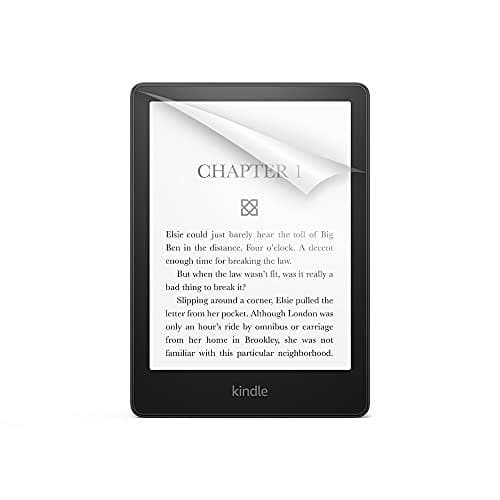
Amazon Kindle Paperwhite 11th Generation
The Kindle Paperwhite (11th Gen) is the best-in-class dedicated e-reader thanks to its glare-free 300 ppi e-ink display, long multi-week battery life, and waterproof design that make it ideal for long reading sessions. Compared with full-color tablets on this list it wins on eye comfort, lower total cost of ownership for heavy readers, and a distraction-free interface, while technically offering similar core reading features to the Kobo Libra 2 but with Amazon's larger bookstore and ecosystem advantage.
Apple iPad 10.9-inch (10th Generation)
The iPad 10.9-inch (10th Gen) is a market-leading general-purpose tablet that doubles as a capable e-reader with a bright color display, extensive app ecosystem, and strong build quality. It occupies the middle ground between budget devices and premium models like the iPad Air, offering better performance and a more modern design than most budget tablets while remaining more affordable than flagship slates such as the Galaxy Tab S9 or iPad Air (M2).

Samsung Galaxy Tab S9+
The Samsung Galaxy Tab S9 is a premium Android tablet with a top-tier OLED display, high refresh rate, and precise S Pen support that make it the best choice for color-rich reading formats like comics, magazines, and illustrated books. Against other entries it offers superior display fidelity and multitasking capabilities compared with e-ink devices and generally represents a technical advantage for users who want a single device for both immersive reading and productivity, though it comes at a higher price than budget alternatives.

Amazon Fire HD 10 (2023)
The Fire HD 10 (2023) is the value-oriented tablet in this lineup, delivering a large screen and easy access to Kindle content at a much lower price point than mainstream tablets. For readers on a budget it provides a financially attractive way to consume e-books and audiobooks, even though its Fire OS app ecosystem and performance are more limited than iPad or Galaxy alternatives.

Kobo Libra 2
The Kobo Libra 2 is a strong contender among dedicated e-readers thanks to native EPUB support, physical page-turn buttons, and a balanced ergonomic design that favors serious readers. Compared to the Kindle Paperwhite it offers greater format openness and library-lending convenience (OverDrive integration), making it technically and financially advantageous for readers who prefer vendor-neutral file support and borrowing from public libraries.

Apple iPad Air M2
The iPad Air (M2) is the premium, high-performance tablet option that combines a bright color display, powerful M2 chip, and extensive accessory support to serve both as a top-tier e-reading device and a productivity machine. It stands out against other tablets on this list by offering near-flagship-level performance and future-proofing that justifies its higher price for users who demand speed for multitasking, media, and app-based reading workflows.
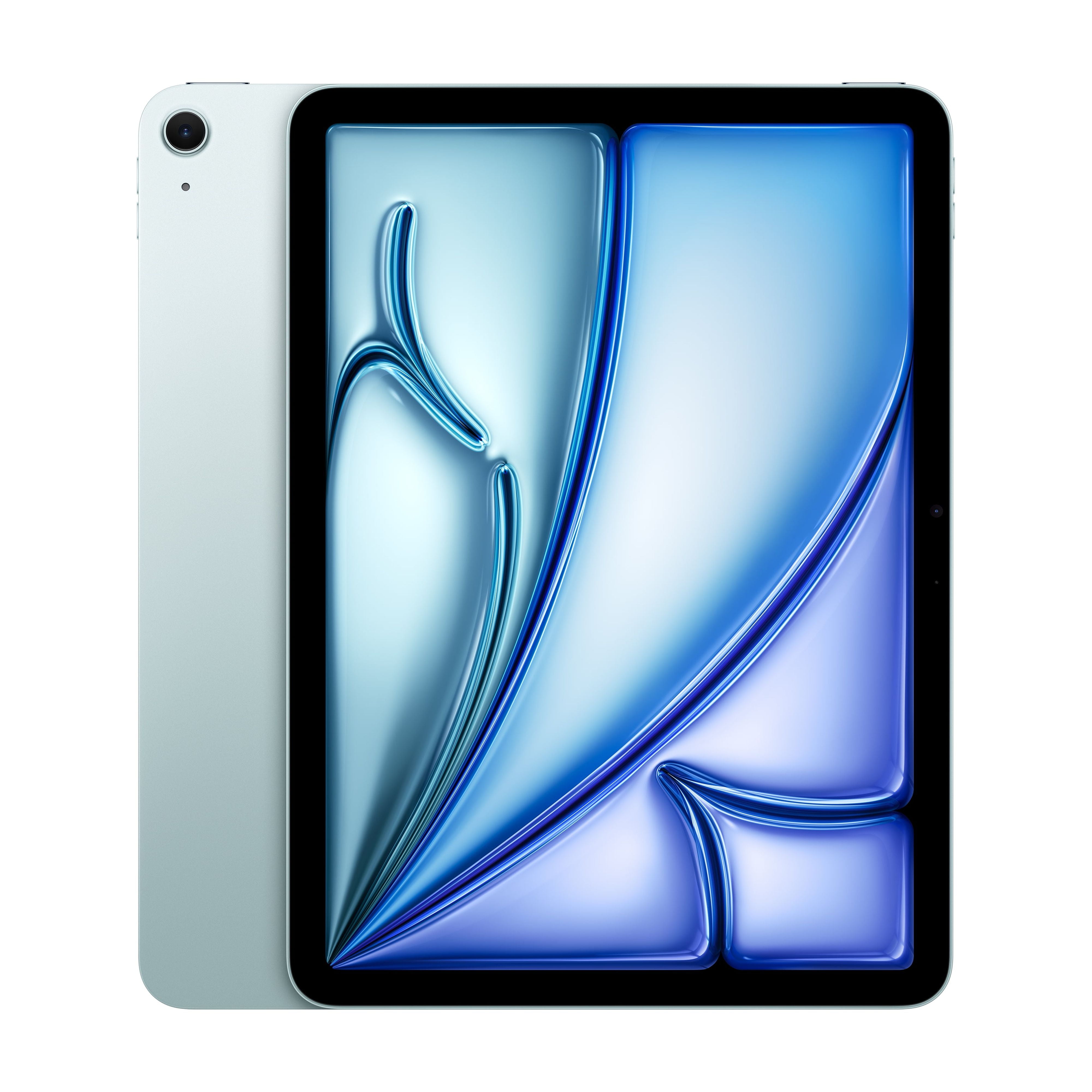
Where to buy Apple iPad Air M2 in UK: we track one retailer, Apple, and show the price we last observed there; the price you see at checkout may differ.
We may earn a commission on purchases. It never affects our rankings.
£599 – £899
Lenovo Tab P12
The Lenovo Tab P12 targets users who want a capable mid-to-high-range Android tablet with good battery life and productivity features at a more accessible price than flagship competitors. In the tablets-versus-e-reader comparison it delivers a better value proposition for mixed use — reading, streaming, and light productivity — while generally undercutting premium models on price and offering more hardware flexibility than entry-level Fire devices.

Where to buy Lenovo Tab P12 in UK: the trusted retailers we track in this market, with the best price we have observed at each. Prices are checked regularly and can change, and the retailer confirms the final price at checkout.
We may earn a commission on purchases. It never affects our rankings.
£150.00GBP
Amazon Kindle Scribe
The Kindle Scribe is a unique e-ink tablet that combines the distraction-free reading experience of a Kindle with high-quality stylus note-taking, positioning it as the best choice for readers who annotate, study, or sketch alongside long-form reading. Compared with color tablets it retains multi-week battery life and a focused environment while providing functionality that narrows the gap to tablets for productivity—at a higher price than basic e-readers but lower ongoing costs than mainstream tablets for reading-focused users.
Where to buy Amazon Kindle Scribe in UK: we track one retailer, eBay, and show the price we last observed there; the price you see at checkout may differ.
We may earn a commission on purchases. It never affects our rankings.
£329 – £419
What research says about tablets and e-readers
Evidence from academic and clinical research highlights clear differences and benefits between e-ink e-readers and backlit tablets. Studies indicate that e-ink screens reduce glare and perceived eye strain during long reading sessions, and that using non-backlit displays in the hour before sleep has a smaller effect on melatonin suppression and sleep onset. Research in education and cognitive psychology shows that interactive tablets can improve engagement, support multimodal learning and aid revision through searchable notes and multimedia, while dedicated e-readers often support longer uninterrupted reading and better sustained concentration. Public health guidance also emphasises balanced screen use for children, preferring devices and settings that reduce blue light and encourage regular breaks.
E-ink displays are associated with lower reported eye strain during extended reading compared with backlit screens.
Reducing exposure to bright backlit screens before bedtime is linked to better sleep quality; e-ink devices have a smaller impact on melatonin.
Interactive tablet features such as annotation, multimedia and search can boost engagement and support active learning.
Accessibility options like text-to-speech, adjustable font sizes and high-contrast modes make digital reading more inclusive.
Sustainability and repairability are increasingly important to UK buyers and can influence long-term device value.
Frequently Asked Questions
Which tablet or e-reader suits long reading sessions best?
Amazon Kindle Paperwhite (11th Generation) suits long reading sessions best because it has a 6.8-inch glare-free e-ink display and weeks-long battery life, with a waterproof design and an average rating of 4.7.
What screen and lighting does Kindle Paperwhite include?
Amazon Kindle Paperwhite (11th Generation) uses a 6.8-inch glare-free e-ink display with adjustable warm light, and it’s rated 4.7 on average.
How does the iPad 10.9-inch compare for reading value?
Apple iPad 10.9-inch (10th Generation) offers a 10.9-inch Liquid Retina display for bright, colour-accurate pages, with an average rating of 4.5, and supports using reading apps like Kindle.
Does the Samsung Galaxy Tab S9 come with an S Pen?
Samsung Galaxy Tab S9 includes an S Pen for annotations and note-taking directly on documents and e-books, and it has a Dynamic AMOLED 11-inch display, with an average rating of 4.6.
Conclusion
This page highlights the tablets and e-readers category for the UK in 2026 and currently features zero top picks. If you did not find what you were looking for, try refining or expanding your search using the search box or filters to see the latest models, price ranges and features. We hope you found the overview helpful and that it guides you to the right device for your needs.