Top 5 4K VR Headsets in the UK — 2026 Guide
Published on Monday, 26 January 2026
4K VR headsets offer an unparalleled visual experience with high pixel density that enhances clarity and realism in virtual environments. Ideal for graphics enthusiasts, simulator pilots, 3D artists and gamers who prioritise fine detail, these headsets reduce the screen door effect and deliver sharper text, more lifelike textures and improved immersion. In the UK market, buyers increasingly balance raw image quality with platform compatibility, comfort, and aftercare support, so popular choices combine high-resolution panels with reliable tracking and local service options. Trends for 2026 show a healthy mix of standalone convenience, PC-tethered performance and console-optimized systems, making 4K headsets appealing across hobbyist and professional segments.
Top Picks Summary
Meta Quest 3
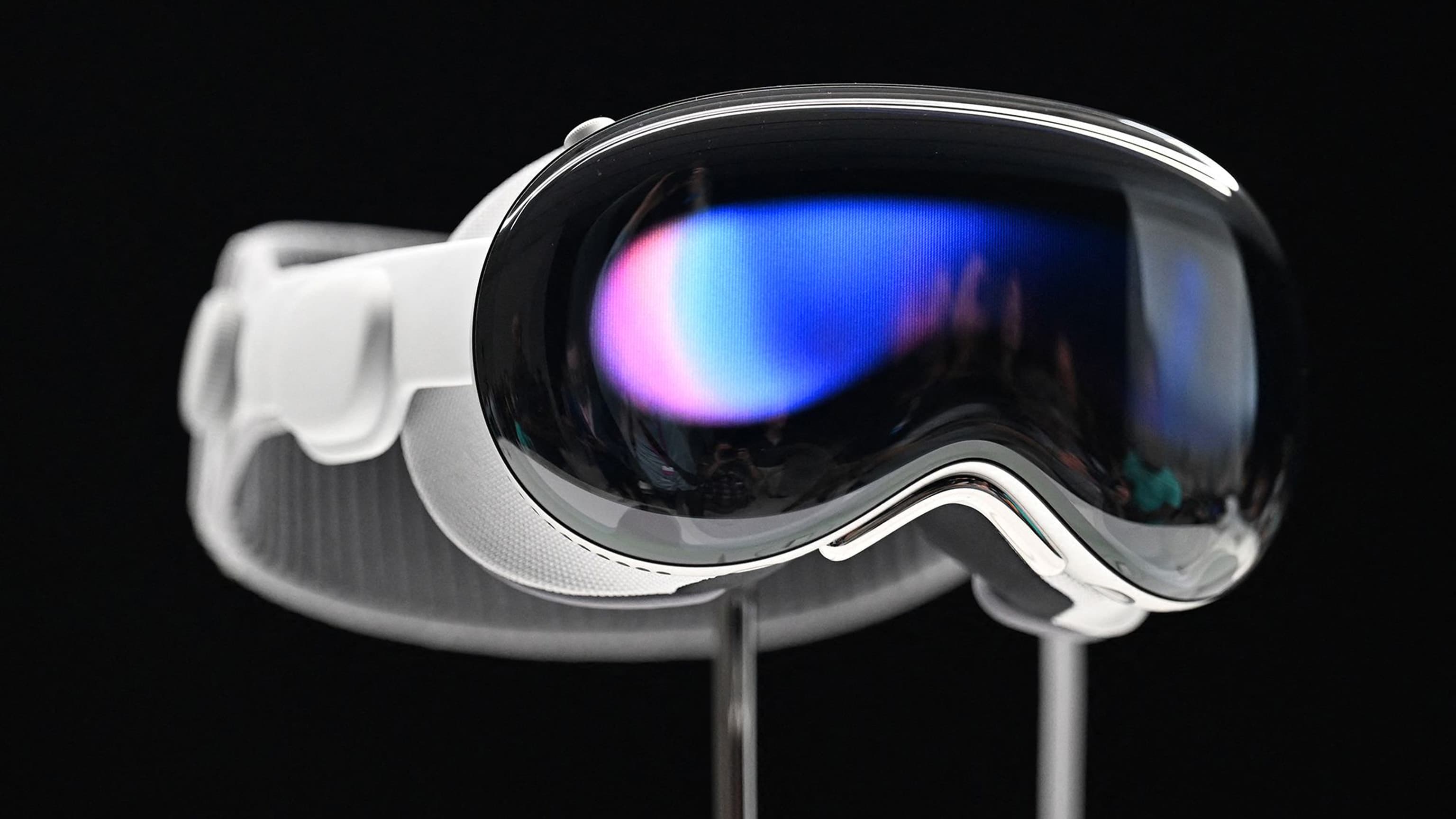
The Meta Quest 3 is the market-leading, mass-market 4K-class VR headset thanks to its standalone design, mixed-reality features, and aggressive pricing that broaden adoption. It trades the absolute top-end optics and ultra-wide FOV of specialist PC headsets for convenience and an extensive app ecosystem, making it more accessible than the HTC Vive Pro 2, Pimax Crystal and HP Reverb G2 while offering a different, lower-cost route to high-fidelity VR than the PS VR2 for non-console owners.
HTC Vive Pro 2
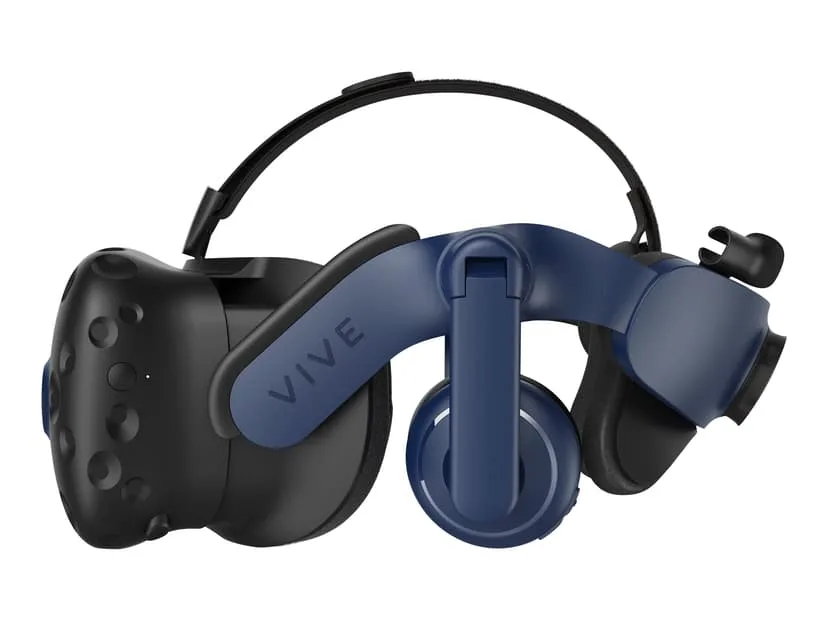
The HTC Vive Pro 2 is best-in-class for professional PC VR users who need a balanced combination of high resolution, wide field of view, and strong tracking for enterprise and simulation applications. Compared with the ultra-specialized Pimax Crystal it is more standardized and easier to integrate into commercial workflows, and although it is typically more expensive than the HP Reverb G2, it offers a more robust, high-performance tethered experience than standalone or console-tied rivals.
PlayStation VR2
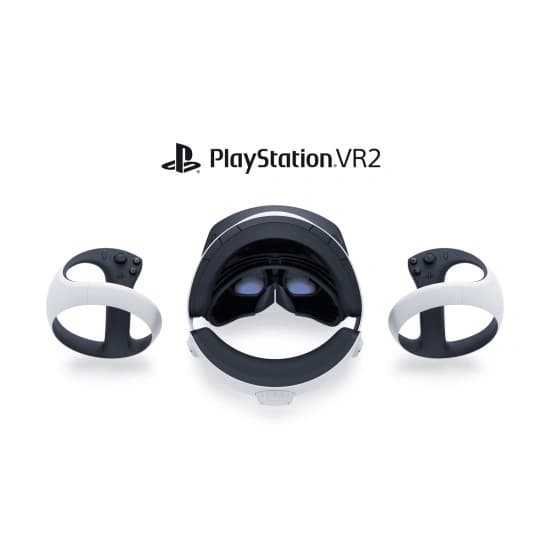
The PlayStation VR2 is the best console-focused 4K VR headset, tightly integrated with PS5 hardware to deliver advanced haptics, eye tracking, and a polished gaming experience at a competitive price for console owners. It sacrifices cross-platform PC flexibility seen in the Vive Pro 2 and Pimax Crystal but provides a simpler, lower-friction path to high-fidelity VR for gamers already invested in the PlayStation ecosystem.
HP Reverb G2
The HP Reverb G2 is best-in-class for delivering sharp visual fidelity at a value price in the PC headset category, offering high pixel density that benefits simulation, training, and productivity use cases. While it lacks the ultra-wide FOV of the Pimax Crystal and the standalone convenience of the Meta Quest 3, it provides a more budget-friendly route to near-4K clarity than many high-end tethered headsets and is a practical alternative for users prioritizing clarity over expansive immersion.

What research says about high-resolution VR
Scientific and industry research supports many of the benefits users notice with higher-resolution headsets. Studies from vision science labs and human factors research groups show that greater pixel density improves visual clarity and reduces visible display artifacts, which can increase presence and task accuracy in virtual tasks. Research also highlights that motion sickness is influenced more by latency, frame rate and tracking accuracy than by resolution alone, so best results come from headsets that pair high-resolution displays with stable tracking and high refresh rates.
Higher pixel density reduces the screen door effect, making fine textures and small text easier to read and identify.
Improved visual fidelity has been linked to increased user presence and better performance in spatial and precision tasks in controlled studies.
Motion sickness is primarily affected by latency and frame rate; high resolution helps, but consistent tracking and low latency are essential for comfort.
Ergonomics and optical design matter: research shows that comfortable weight distribution and adjustable optics extend usable session times and reduce fatigue.
For professional workflows such as design and simulation, higher resolution can shorten review cycles and reduce the need for external displays.
Frequently Asked Questions
Which 4K VR headset is best for casual standalone gaming?
The Meta Quest 3 is the ideal choice for standalone gaming because it offers a wireless design, mixed-reality features, and a broad library of apps without needing a PC.
What is the combined resolution of the HTC Vive Pro 2?
The HTC Vive Pro 2 features a 5K-class combined resolution, which provides notably sharp visuals and improved text legibility for professional simulation applications.
Is the Pimax Crystal worth the higher price for enthusiasts?
The Pimax Crystal is worth the investment for simulation enthusiasts who require ultra-high-fidelity visuals, a very wide field of view, and modular features that standard headsets do not provide.
Does the Meta Quest 3 have a high user rating?
The Meta Quest 3 holds an average rating of 4.4, reflecting its popularity as a mass-market headset that balances convenience with high-quality mixed-reality capabilities.
Conclusion
In the UK 4K VR headsets continue to push visual quality for gamers and professionals alike. The Meta Quest 3, HTC Vive Pro 2, Pimax Crystal, PlayStation VR2 and HP Reverb G2 each bring a different mix of platform support, comfort and image clarity; among them, the Pimax Crystal stands out as the best choice for pure 4K visual fidelity, while the Meta Quest 3, PlayStation VR2 and HTC Vive Pro 2 offer stronger platform ecosystems and the HP Reverb G2 remains a solid option for simulation and productivity. I hope you found what you were looking for — you can refine or expand your search by platform, price, comfort or reviews using the site search to find the perfect 4K headset for your needs.