Sleep Stages Trackers: UK Guide 2026 — Top 5 Picks
Published on Monday, 26 January 2026
Sleep stages trackers are devices and apps that estimate when you are in light sleep, deep sleep and REM sleep to help you understand sleep quality and patterns. In the UK market these trackers come as wearable devices (watches, rings), bedside or mattress sensors, and smartphone-based solutions. UK consumers increasingly choose trackers that balance comfort, battery life and clear insights, with strong interest in data privacy, clinically informed features and integration with health apps. People buy sleep stages trackers to gain actionable feedback that supports better sleep habits, improved daytime energy and early detection of potential problems. While no device replaces clinical sleep testing, modern trackers offer useful trend data that many users find motivating and helpful for everyday sleep improvement.
Top Picks Summary
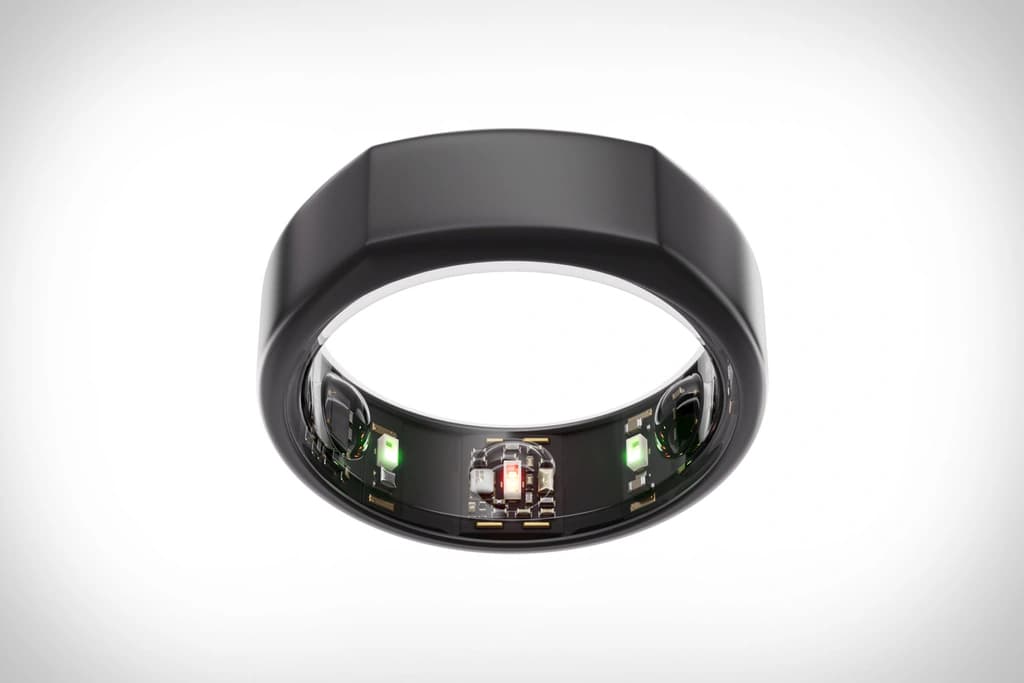
Oura Ring Generation 3
Oura Ring Generation 3 is widely regarded as best-in-class for sleep stages tracking because its compact finger-worn design combines high-sensitivity PPG, skin temperature and motion sensors to produce finely grained sleep-stage and readiness metrics. Compared with wrist devices like Whoop and Apple Watch it emphasizes passive, low-distraction monitoring and longer passive battery life, and financially it appeals to users who prefer a primarily hardware-led purchase with an optional subscription for deeper insights.
Whoop 4.0
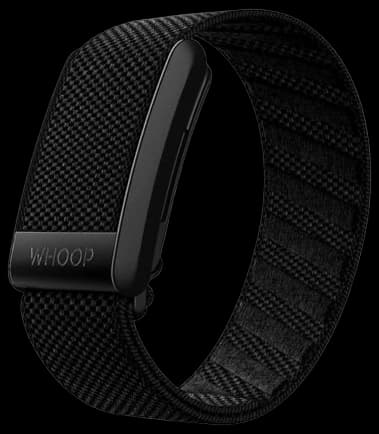
Whoop 4.0 is a market leader for athlete-focused sleep stages tracking thanks to continuous physiologic monitoring, robust HRV and strain-recovery modeling, and actionable sleep coaching tailored to training load. Unlike single-purchase devices such as Oura and traditional smartwatches, Whoop pairs its hardware with a mandatory subscription that bundles advanced analytics and personalized recommendations—an attractive trade-off for users who want ongoing, coach-like guidance rather than one-off reports.
£200-350 GBP
Fitbit Sense 2
Fitbit Sense 2 delivers strong sleep-stage tracking at a mainstream price point, combining SpO2, heart-rate sensing and stress/EDA features into easy-to-use nightly reports that are well integrated into Fitbit Premium for deeper trends. It stands out financially for consumers seeking balanced accuracy and value compared with premium specialist devices (Oura, Whoop) and premium smartwatches (Apple), offering a familiar, family-friendly platform with optional subscription enhancements rather than a mandatory plan.
Garmin Venu 3
Garmin Venu 3 is ideal for users who want advanced sleep stages tracking integrated with comprehensive sports and training data: it blends multiday heart-rate, SpO2 and sleep-stage analysis with on-device training load and recovery metrics. Technically it rivals Whoop and Oura on physiological sensing while also providing broad on-watch features and long battery life without forcing a subscription, making it a versatile financial and functional choice for performance-minded users.

£300-450 GBP
Apple Watch Series 9
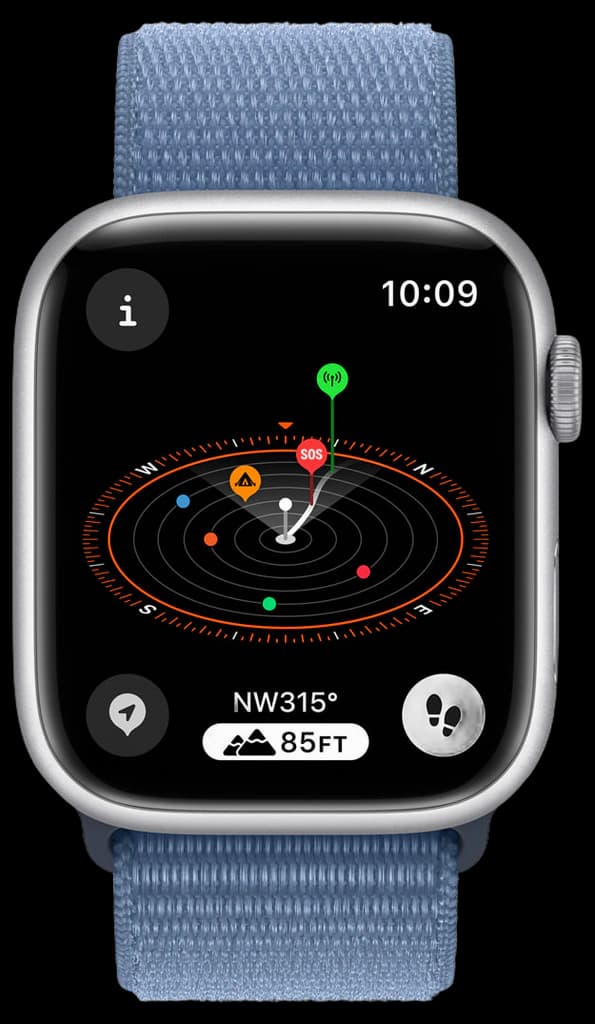
Apple Watch Series 9 brings sleep stages tracking into a rich app ecosystem, leveraging improved motion and heart sensors plus on-device processing to deliver convenient nightly sleep-stage summaries tightly integrated with iPhone Health and third-party apps. Compared with dedicated trackers it is a more generalist, premium device with shorter battery life and higher upfront cost, but its technical advantage is seamless ecosystem integration and a large developer ecosystem for expanded sleep and health capabilities.
£400-500 GBP
What the Science Says
Research shows that clinical polysomnography remains the gold standard for identifying sleep stages, but many consumer trackers can reliably detect sleep and wake times and identify broad stage patterns. Advances in motion sensors, photoplethysmography (PPG) and machine learning have improved stage estimates, though accuracy varies between device types and brands. Studies and guidance from sleep organisations highlight both the benefits of self-monitoring for sleep behaviour change and the limitations that users should expect.
Polysomnography is the clinical reference, but consumer wearables often match sleep/wake measurement with moderate to high agreement.
Wearables that combine movement and heart rate signals generally estimate light, deep and REM sleep better than motion-only devices.
Ring trackers and some wrist devices have shown improved stage detection in independent studies, though no consumer device perfectly matches clinical scoring.
Contactless bedroom sensors and under-mattress monitors offer a comfortable alternative but can be more variable in multi-person bedrooms.
Self-tracking can support better sleep hygiene and behaviour change, but trackers are not diagnostic tools for conditions like sleep apnea; consult NHS or a sleep specialist if you have concerning symptoms.
Data privacy and secure syncing are important. Look for clear privacy policies and the ability to export or delete your sleep data.
Frequently Asked Questions
Which sleep tracker is best for athletes needing recovery insights?
The Whoop 4.0 is the ideal choice for athletes because it provides continuous HRV and respiratory monitoring alongside personalized strain and recovery scores tailored to training load.
Does the Oura Ring Generation 3 track skin temperature?
Yes, the Oura Ring Generation 3 features infrared sensors that measure skin temperature, HRV, and SpO2 to provide detailed physiological insights.
Is the Fitbit Sense 2 a good value for sleep tracking?
The Fitbit Sense 2 offers strong sleep-stage tracking at a mainstream price point, integrating heart-rate and stress management features into nightly reports.
How long does the Oura Ring Generation 3 battery last?
The Oura Ring Generation 3 features a 7-day battery life, making it a convenient option for users who prefer not to charge their device daily.
Conclusion
The sleep stages tracker category remains a strong choice for UK shoppers seeking insight into sleep patterns and practical ways to improve rest. Although this page currently lists zero top picks, the information here should help you evaluate devices and pick the features that matter most. If you did not find what you were looking for, try refining or expanding your search terms above to see more results.